Artwork
Italy
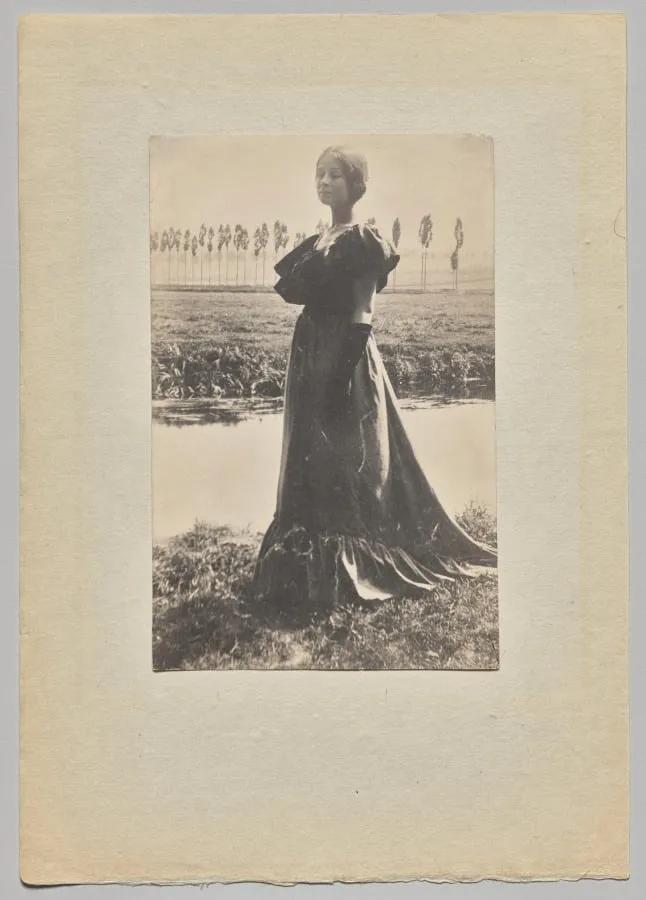
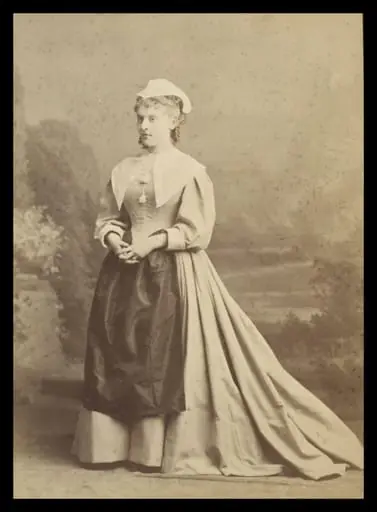
Italy is a photography by the Impressionist artist Gertrude Käsebier. It dates from 1889 and is held in the collection of the Cleveland Museum of Art.
About this work
The fuzzy edges and posed look feel more like a staged photo than a painting—almost like she’s testing how to blend the two.
A woman stands stiff as a tree in a dark, blurry field. She wears a long dress and stares straight ahead, her face too soft to read.
Käsebier made this early in her career, before she became known for photography. The fuzzy edges and posed look feel more like a staged photo than a painting—almost like she’s testing how to blend the two.
To see how she later used photography to show quiet moments, look up Gertrude Käsebier (American, 1852–1934).
Overview
This early photograph by Gertrude Käsebier dates from the formative years of her career, before she gained recognition for her photographic work. It reflects her experimentation with the medium’s potential beyond documentation, engaging with aesthetic principles then associated with painting. The image’s deliberate composition and muted tones signal a shift toward photography as a vehicle for artistic expression rather than mere record.
Subject & Meaning
A woman stands motionless in a dim, indistinct landscape, her figure centered and vertically aligned. Her stillness and the blurred surroundings suggest a symbolic connection between human presence and the natural world. The lack of identifiable features invites interpretation beyond individual identity, positioning the figure as an emblem rather than a portrait—evoking themes of quiet endurance and the interdependence of woman and environment.
Technique & Style
Käsebier employed soft focus and careful staging to soften detail and dissolve boundaries between subject and background. This approach, aligned with Pictorialist ideals, prioritized mood over clarity. The woman’s rigid posture and the tree-like forms behind her create visual harmony through repetition of vertical lines. The technique deliberately obscures the face, resisting the snapshot’s immediacy in favor of contemplative ambiguity.
History & Provenance
Created early in Käsebier’s career, this work predates her well-known portraits of mothers and children. It represents her initial exploration of photography’s expressive possibilities, made during a period when she was transitioning from commercial work to fine art. The photograph remains a rare example of her pre-fame experimentation, offering insight into the development of her distinctive visual language.
Context
In the late 19th century, photography struggled for legitimacy as an art form. Käsebier, like other Pictorialists, sought to elevate it through painterly techniques and symbolic content. This image aligns with broader cultural currents that linked femininity with nature, using visual ambiguity to convey idealized, rather than literal, representations of womanhood within an emerging artistic movement.
Legacy
Though less known than her later domestic scenes, this photograph reveals the foundations of Käsebier’s artistic philosophy. Its emphasis on atmosphere, composition, and emotional resonance foreshadowed her mature style. It stands as an early testament to her role in redefining photography’s capacity for introspection and symbolic depth within American art.
Artist & collection

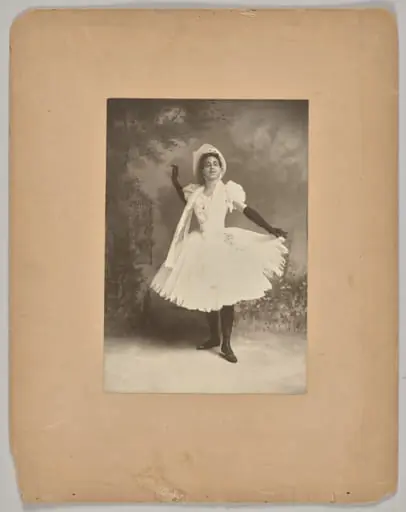 Untitled (man posing as a ballerina)
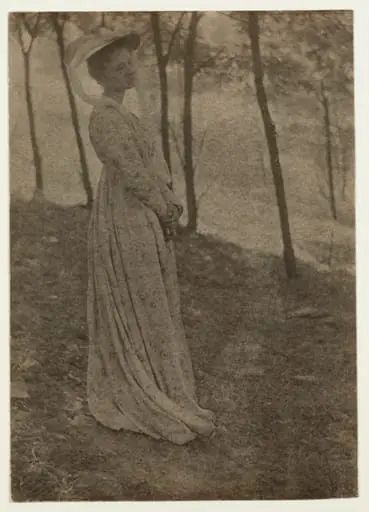 Julia Hall McCune
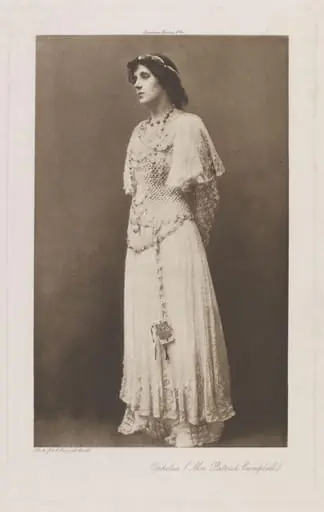 H Beard Print Collection
 Guy Little Theatrical Photograph
 Guy Little Theatrical Photograph
 H Beard Print Collection
 At the Window
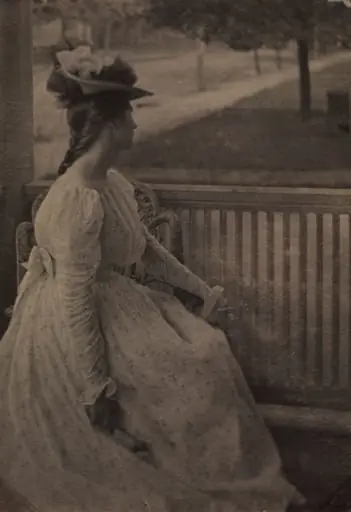 On the Porch (Julia Hall McCune)
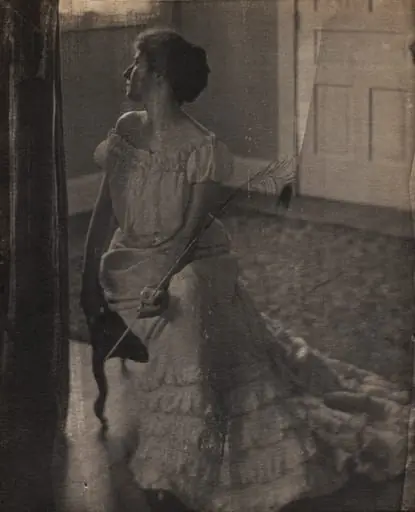 The Peacock Feather
 Guy Little Theatrical Photograph
 Guy Little Theatrical Photograph
 Guy Little Theatrical Photograph