Artwork
Copy after the Death of St Francis, Domenico Ghirlandaio in the Sassetti Chapel, Chiesa di Santa Trinita (Florence)
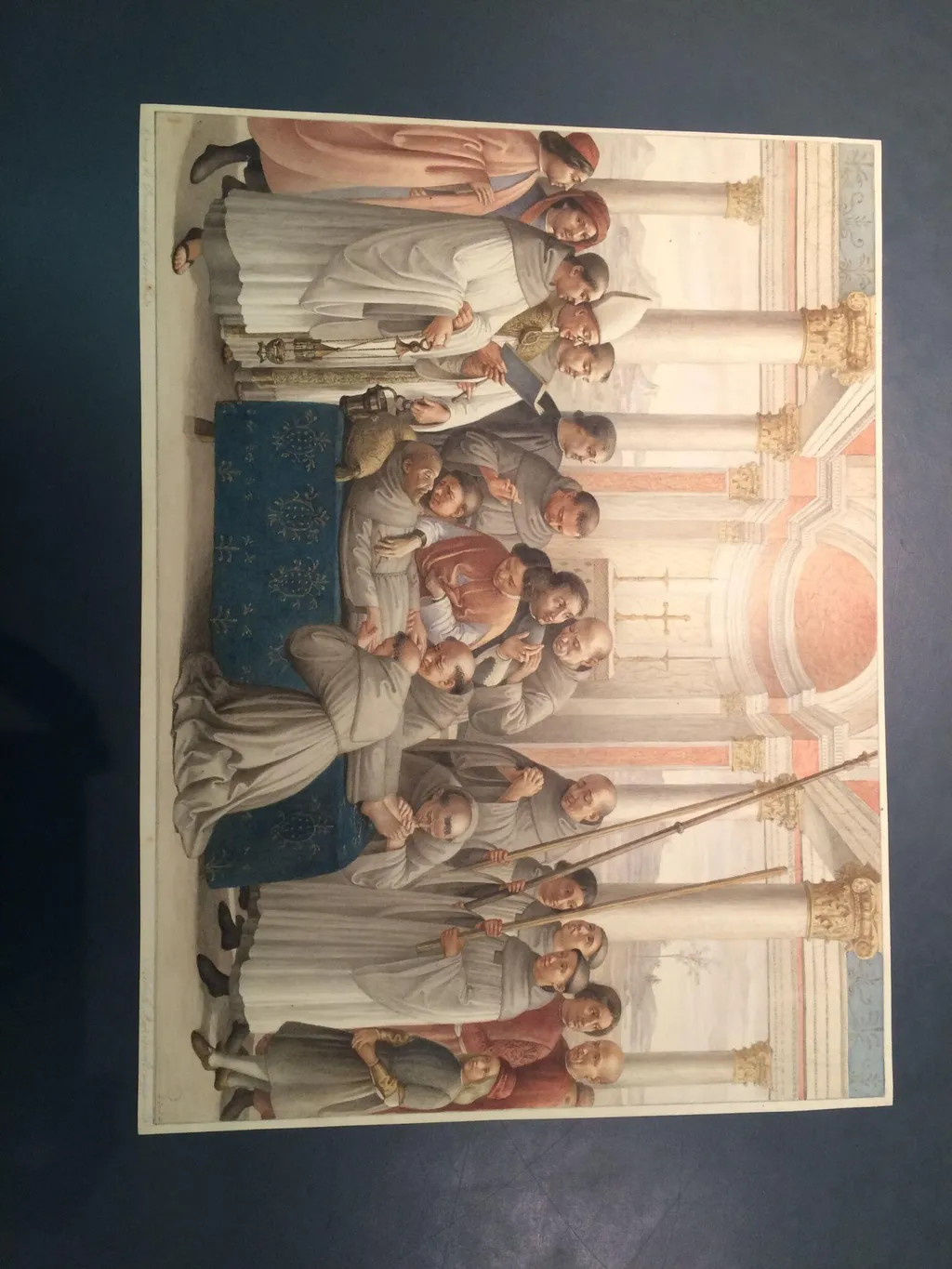
Copy after the Death of St Francis, Domenico Ghirlandaio in the Sassetti Chapel, Chiesa di Santa Trinita (Florence) is a watercolor work on paper by the Early Renaissance artist Domenico Ghirlandaio. It is held in the collection of the Victoria and Albert Museum.
About this work
Overview
This watercolour is a 19th-century reproduction of a fresco originally painted by Domenico Ghirlandaio in the Sassetti Chapel of Santa Trinita in Florence.
This watercolour is a 19th-century reproduction of a fresco originally painted by Domenico Ghirlandaio in the Sassetti Chapel of Santa Trinita in Florence. Created in 1850 by Michele Rapisardi for the Arundel Society, it serves as a faithful transcription meant to preserve and disseminate Renaissance imagery. The work captures the emotional gravity of the original scene while adapting its composition to the delicate medium of watercolour.
Subject & Meaning
The scene portrays the death of Saint Francis of Assisi, surrounded by his followers in a cloistered interior. Figures gather in varied postures—kneeling, standing, reaching—as if responding to his final moments. The white robes of the saint and the blue cloth at his feet suggest purity and solemnity. The composition emphasizes communal grief and spiritual reverence, reflecting Franciscan ideals of humility and devotion in the face of mortality.
Technique & Style
Rapisardi employs watercolour with careful layering to suggest depth and texture, mimicking the tonal richness of the original fresco. Strong contrasts between light and shadow, characteristic of chiaroscuro, model the figures and architecture with subtle gradations. Facial expressions and hand gestures are rendered with precision, even in shadowed areas, conveying emotional nuance without overt dramatization. The technique prioritizes clarity and fidelity over expressive flourish.
History & Provenance
The watercolour was produced in 1850 by Michele Rapisardi under the auspices of the Arundel Society, an organization dedicated to documenting and distributing high-quality reproductions of medieval and Renaissance art. It was part of a broader 19th-century effort to make important Italian artworks accessible to scholars and the public beyond Florence. The copy remains a record of Ghirlandaio’s fresco before later restorations altered its appearance.
Context
In mid-19th-century Europe, there was a growing scholarly interest in preserving early Italian art through accurate reproductions. The Arundel Society’s project responded to concerns about deterioration and loss. Rapisardi’s watercolour reflects this movement’s values: meticulous observation, historical respect, and the belief that art’s educational value lay in its faithful transmission across time and medium.
Legacy
Though not an original Renaissance work, this watercolour endures as a valuable document of 19th-century art conservation practices. It provides insight into how Ghirlandaio’s fresco was perceived before modern restoration and offers a window into the methods used to study and share pre-modern art. Its existence underscores the enduring influence of early Italian painting on later generations of artists and scholars.
Artist & collection
Artist
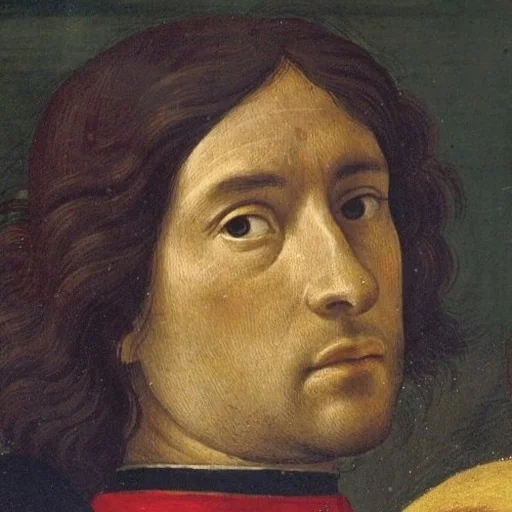
Domenico di Tommaso Curradi di Doffo Bigordi (2 June 1448 – 11 January 1494), professionally known as Domenico Ghirlandaio (also spelt as Ghirlandajo), was an Italian Renaissance painter born in Florence.

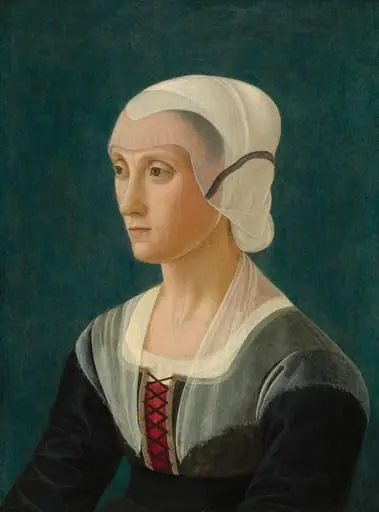
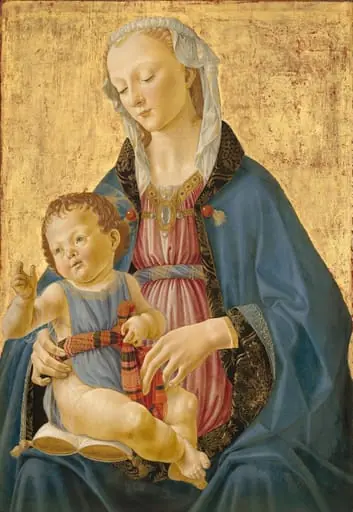
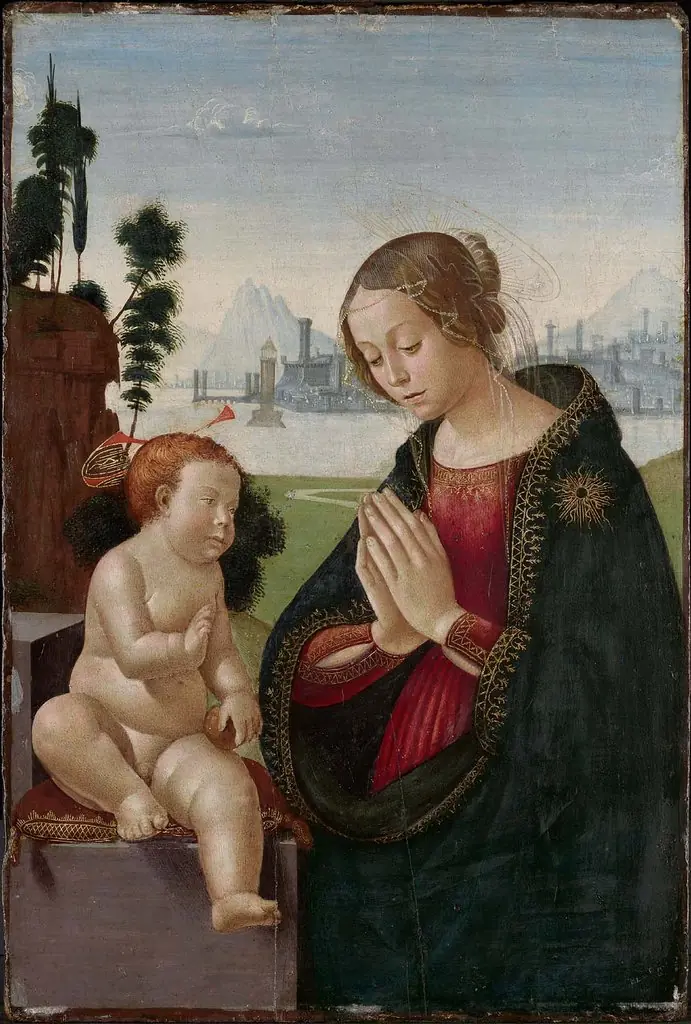
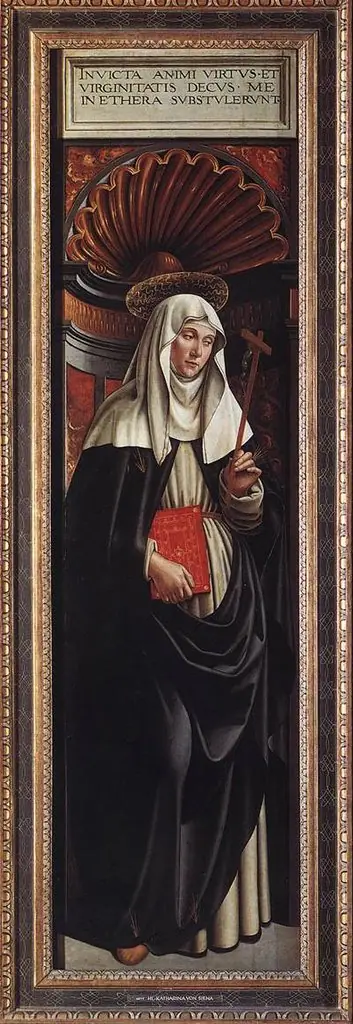
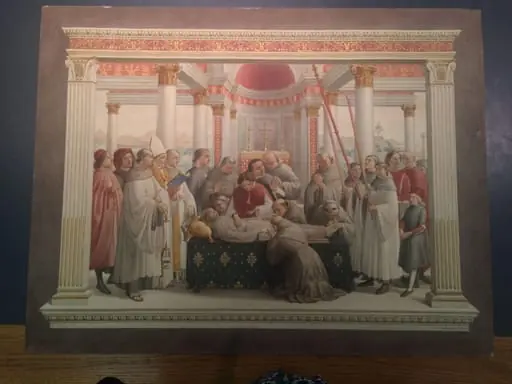 Copy after the Death of St Francis, Domenico Ghirlandaio in the Sassetti Chapel, Chiesa di Santa Trinita (Florence)
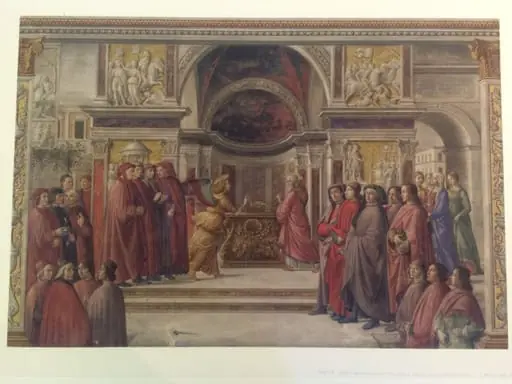 Copy after The Angel Appearing to Zacharias, Domenico Ghirlandaio in the Tornabuoni Chapel, Santa Maria Novella (Florence)
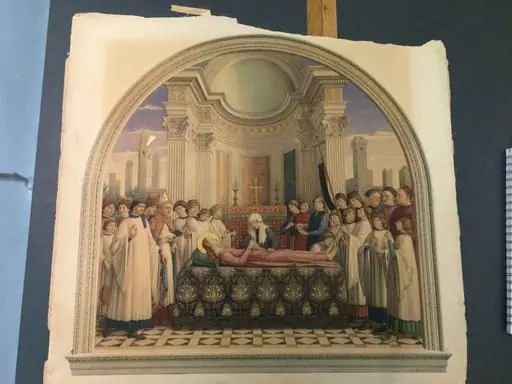 copy after the Burial of Santa Fina, Domenico Ghirlandaio in Collegiata, San Gimignano (Siena)
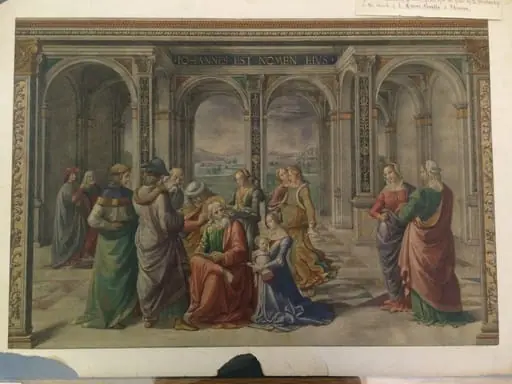 Copy after Zacharias writes down the name of his Son, Domenico Ghirlandaio in the Tornabuoni Chapel, Santa Maria Novella (Florence)
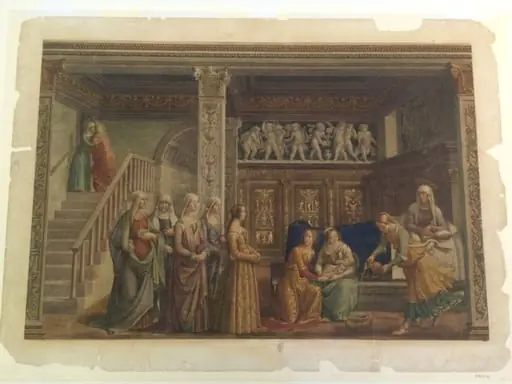 Copy after the Nativity of the Virgin, Domenico Ghirlandaio in the Tornabuoni Chapel, Santa Maria Novella (Florence)
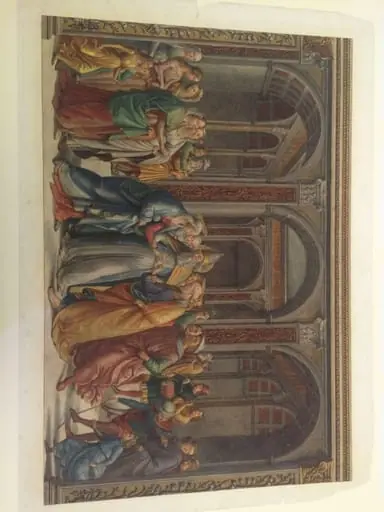 Copy after the Marriage of the Virgin, Domenico Ghirlandaio in the Tornabuoni Chapel, Santa Maria Novella (Florence)
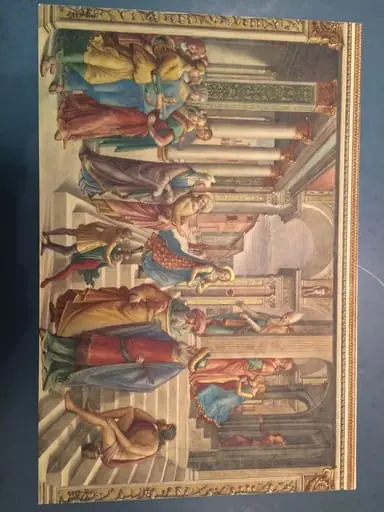 Copy after the Presentation of the Virgin in the temple, Domenico Ghirlandaio in the Tornabuoni Chapel, Santa Maria Novella (Florence)
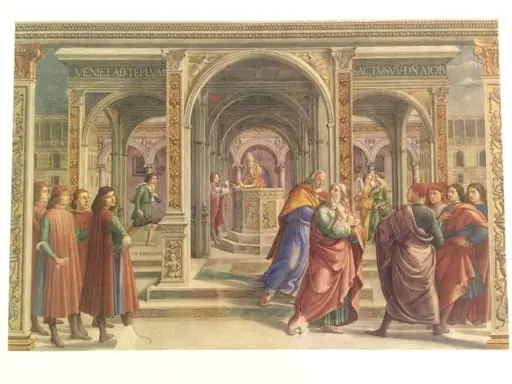 Copy after The Expulsion of Joachim from the Temple, Domenico Ghirlandaio in the Tornabuoni Chapel, Santa Maria Novella (Florence)
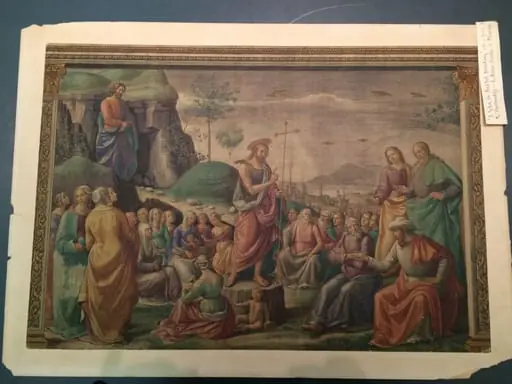 Copy after the Preaching of St. John the Baptist, Domenico Ghirlandaio in the Tornabuoni Chapel, Santa Maria Novella (Florence)
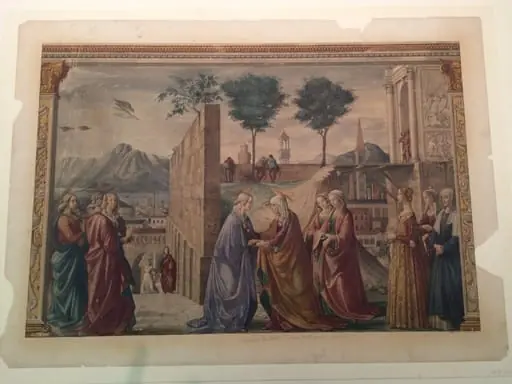 Watercolour, copy after The Visitation, Domenico Ghirlandaio in the Tornabuoni Chapel, Santa Maria Novella (Florence)
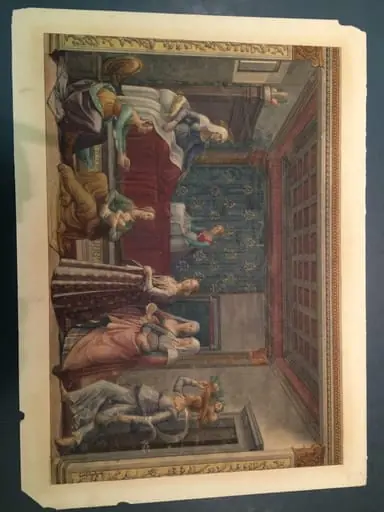 Copy after the Birth of St John the Baptist, Domenico Ghirlandaio in the Tornabuoni Chapel, Santa Maria Novella (Florence)
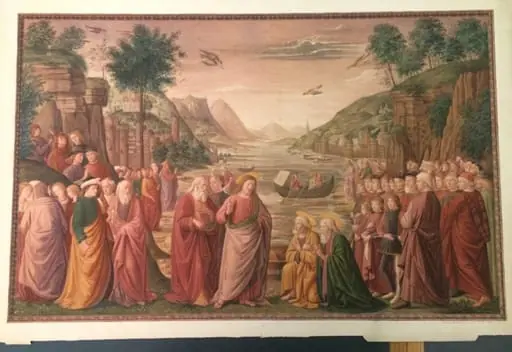 Copy after Calling of the Apostoles, Domenico Ghirlandaio in the Sistine Chapel, Vatican (Rome)