Artwork
Colonel Isaac Barré
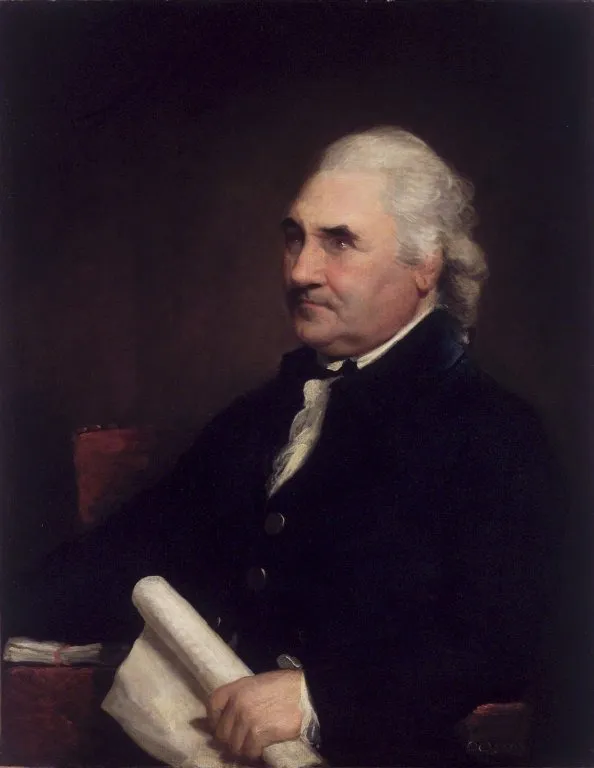
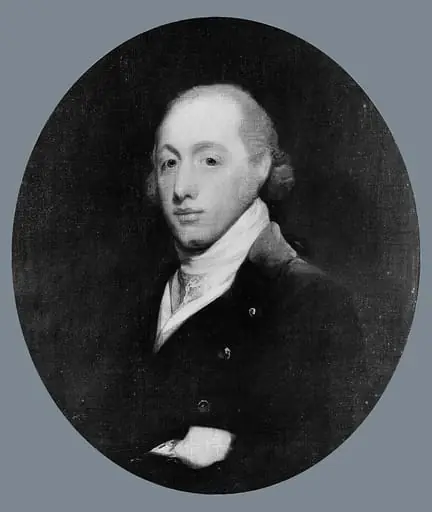
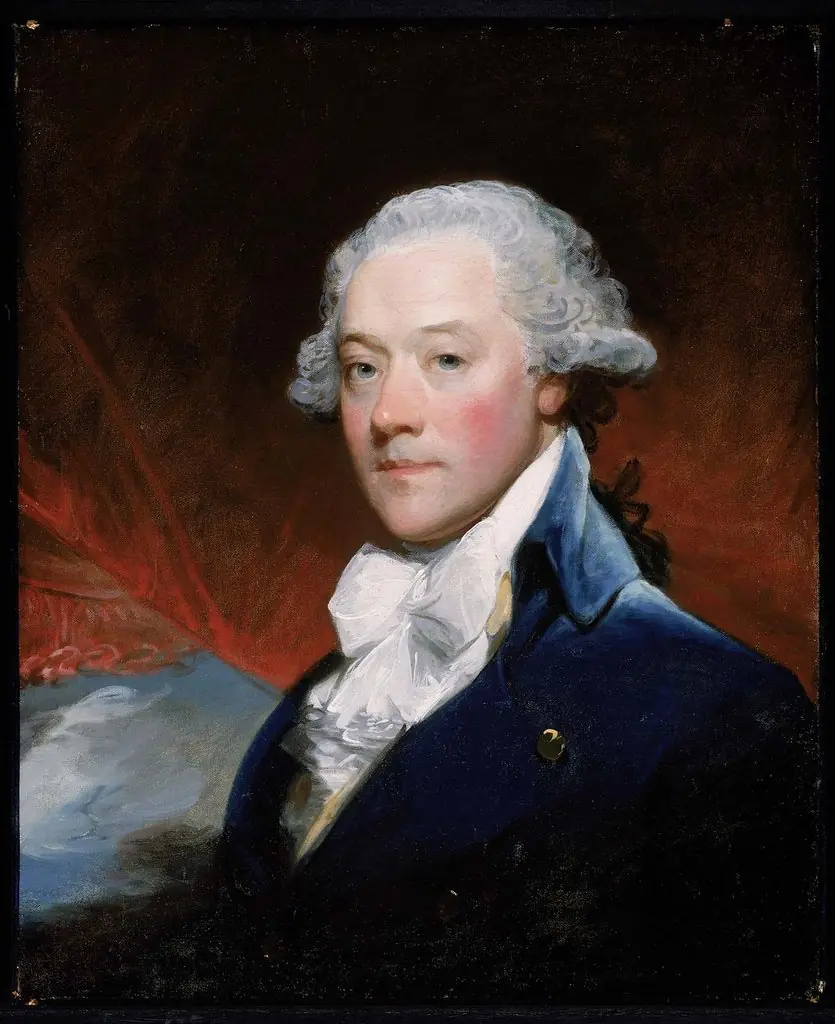
Colonel Isaac Barré is an oil painting by the American Impressionist artist Gilbert Stuart. It dates from 1793 and is held in the collection of the Brooklyn Museum.
About this work
He is dressed in 18th-century attire, including a dark jacket with large buttons and a white shirt with a ruffled collar.
This painting depicts a man sitting in a chair, holding a rolled-up paper in his right hand. He is dressed in 18th-century attire, including a dark jacket with large buttons and a white shirt with a ruffled collar. The background of the painting is dark, which helps to focus attention on the subject.
The man's facial expression is serious, and his eyes seem to be looking directly at the viewer. His hair is white and styled in a manner that was common during the 18th century. The overall atmosphere of the painting is one of quiet contemplation, as if the subject is lost in thought.
The artist who created this painting is Gilbert Stuart.
Overview
Gilbert Stuart’s 1785 oil portrait presents Isaac Barré, an Irish‑born British politician and former army officer. The work shows Barré seated, dressed in formal 18th‑century attire, his gaze directed toward the viewer while he holds a rolled document in his right hand. A dark background and pronounced chiaroscuro focus attention on his solemn expression.
Subject & Meaning
Barré, wounded at the 1759 capture of Quebec, later served in the British House of Commons and as Paymaster of the Forces under Lord Shelburne. Noted for opposing the Stamp Act, he coined the term “Sons of Liberty” for American colonists. The portrait, commissioned during his political career, underscores his stature as a public servant and his reflective demeanor.
Technique & Style
Stuart employs strong shadowing to obscure the scar from Barré’s musket wound, a common practice to soften physical blemishes. The painter’s handling of light creates a three‑dimensional effect on the subject’s clothing and features, while the muted palette and restrained background enhance the figure’s presence.
History & Provenance
Likely commissioned by Barré to support Stuart’s finances, the portrait was one of three versions the politician ordered. One copy was intended as a gift to the Earl of St Vincent. Although Stuart considered exhibiting it at the Royal Academy in 1786, he refrained. Today the original resides in the Brooklyn Museum, with replicas at London’s National Portrait Gallery and Yale’s Center for British Art.
Context
Stuart worked in London and Dublin between 1775 and 1793, a period when portraiture served both personal commemoration and political propaganda. Barré’s portrait aligns with contemporary practices of depicting statesmen in dignified, contemplative poses, reinforcing their authority and moral seriousness.
Artist & collection

Artist
Gilbert Stuart (né Stewart; December 3, 1755 – July 9, 1828) was an American painter born in the Rhode Island Colony who is widely considered one of America's foremost portraitists.

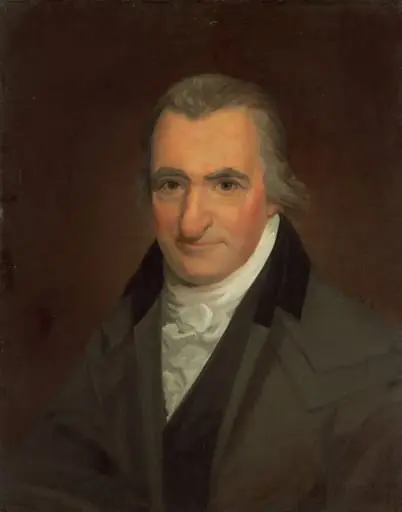 Thomas Paine
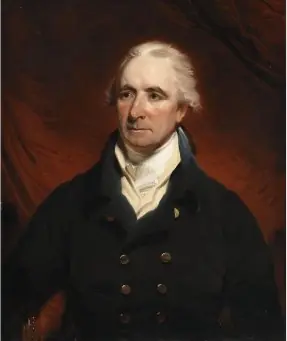 Portrait of Henry Grattan (1746-1820)
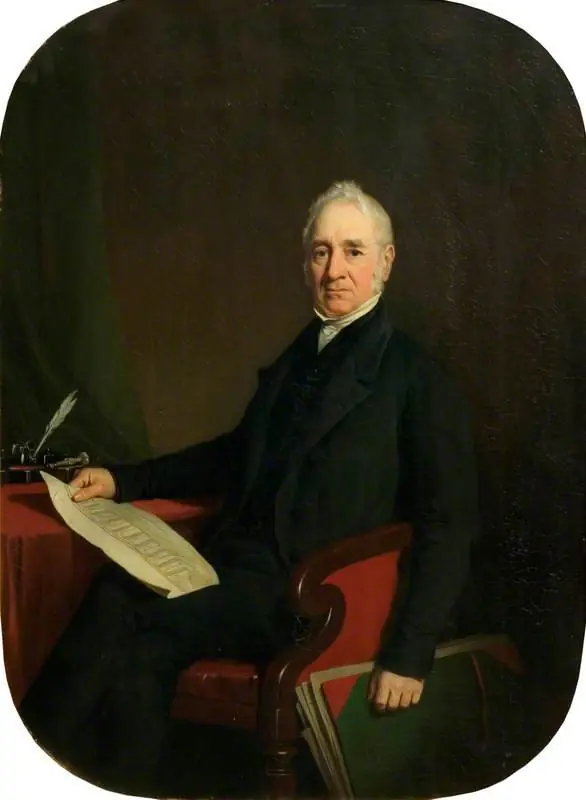 George Stephenson (1781–1848)
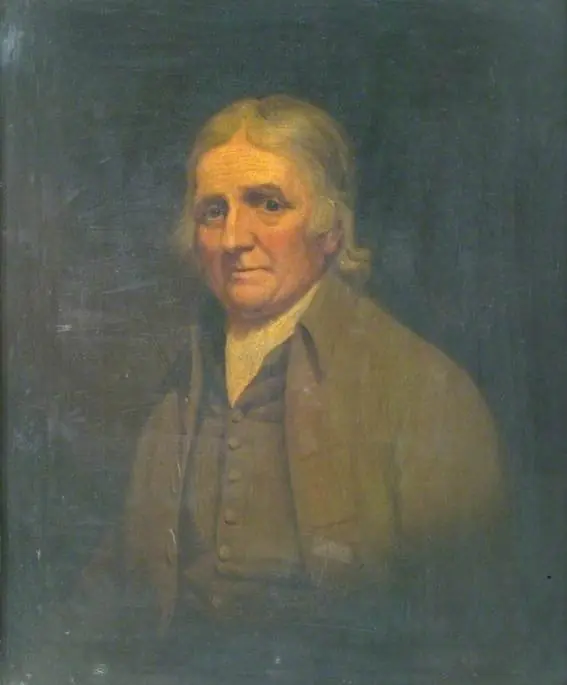 James Bennett of Mackworth, Derbyshire
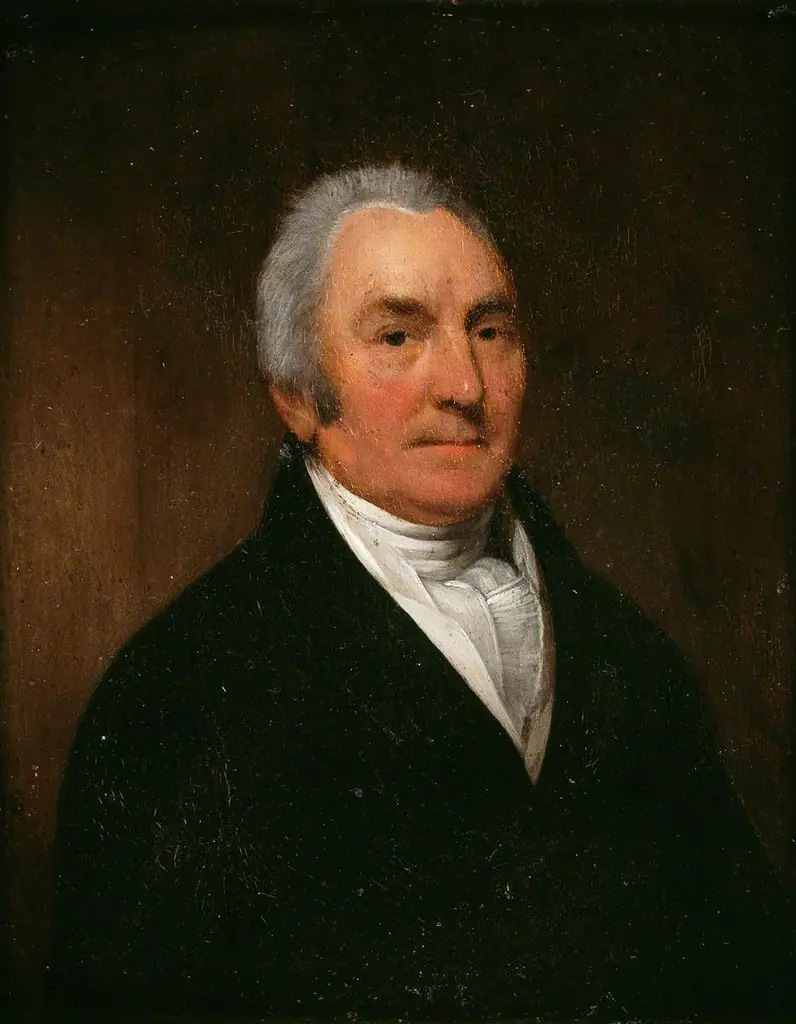 Roland Williams (1756–1836)
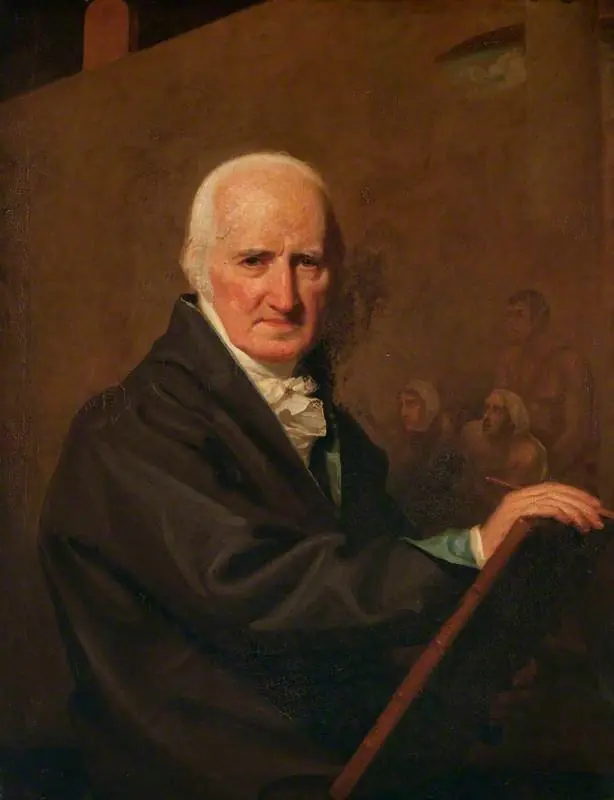 Sir Benjamin West (1738 - 1820)
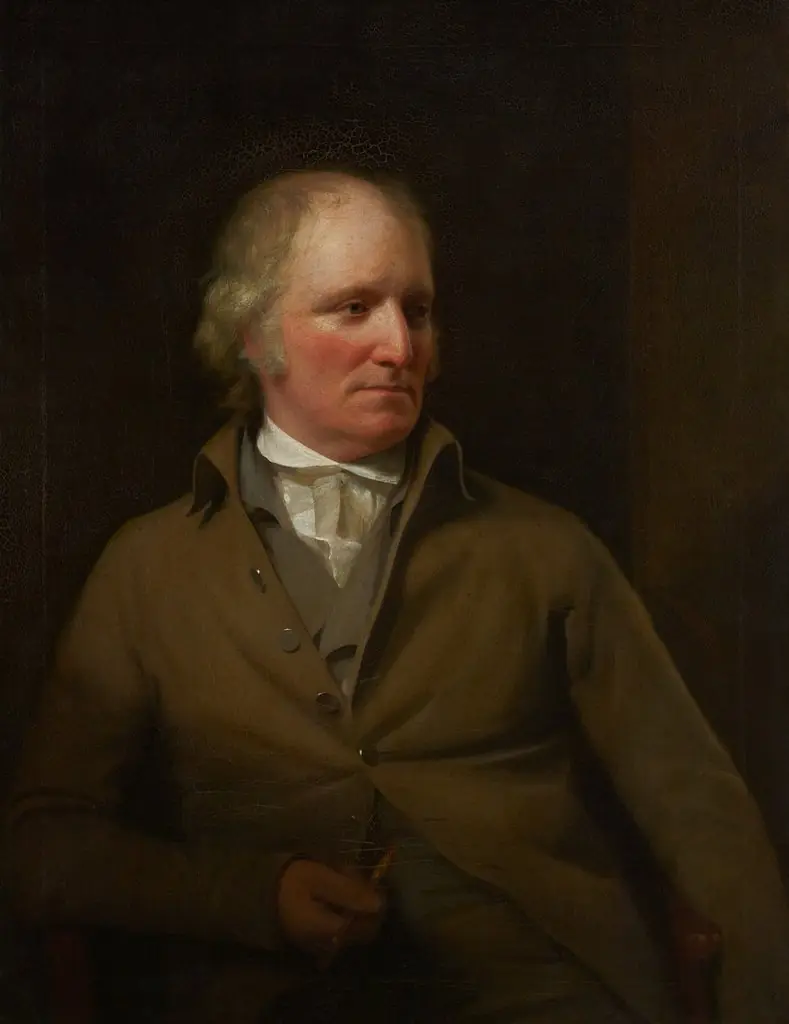 Archibald Skirving (1749–1819), Artist
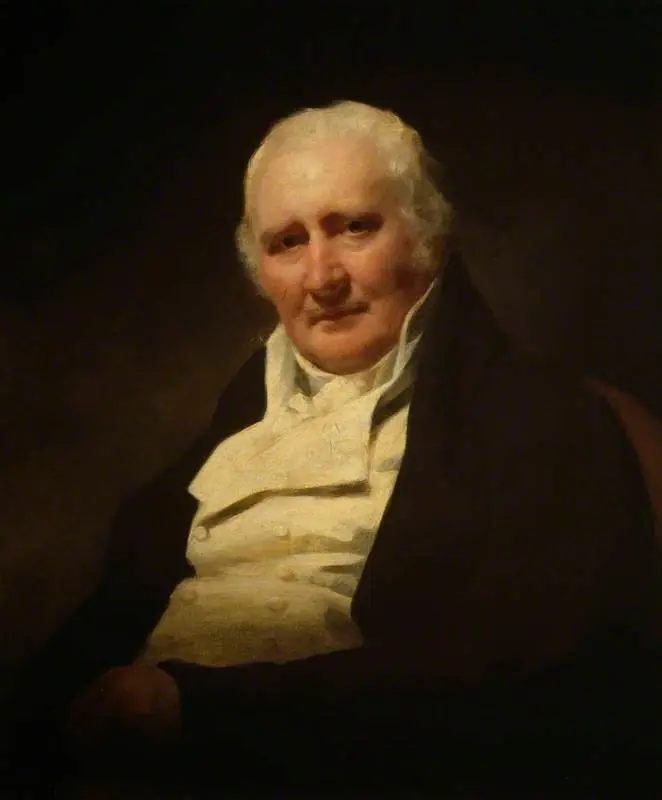 John Wauchope (1751 - 1828)
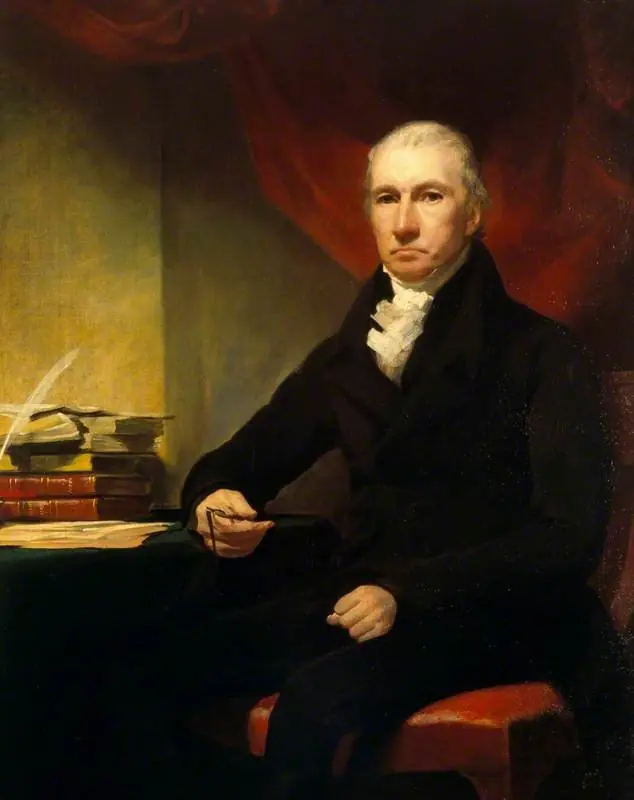 James Thomson of Nether Bogie (1749 - 1831)
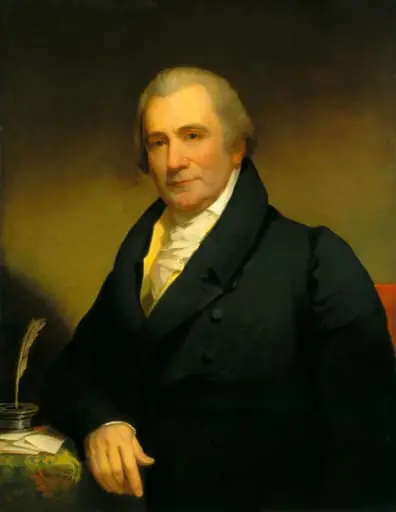 Robert Coleman
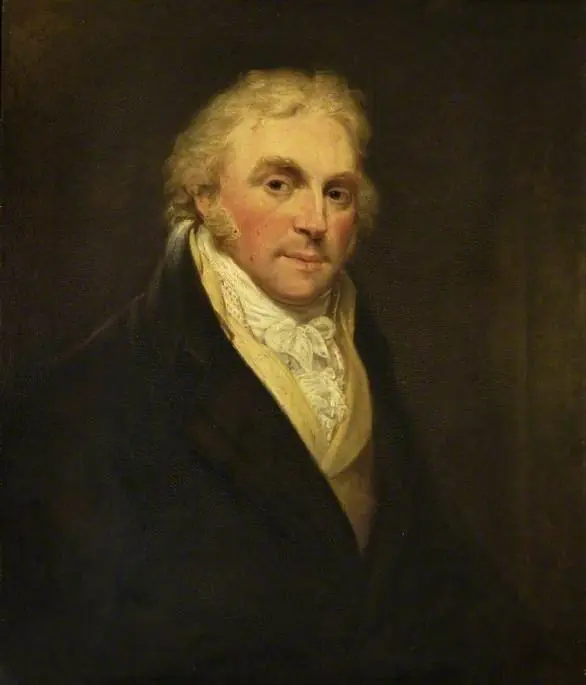 Daniel Mesman
 Colonel James Swan