Artwork
George Washington
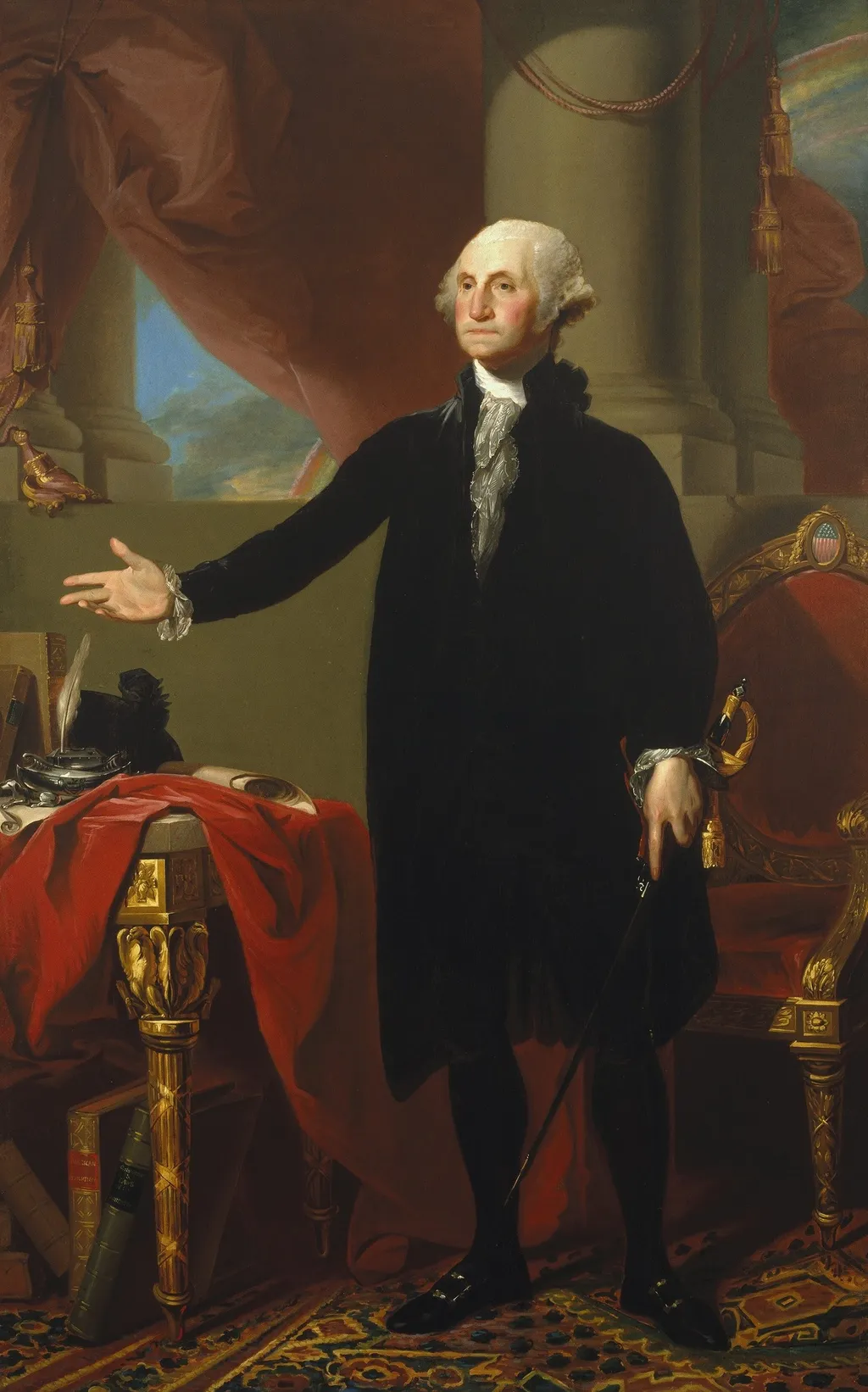
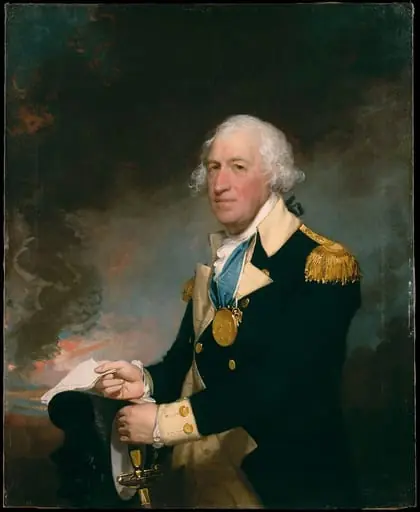
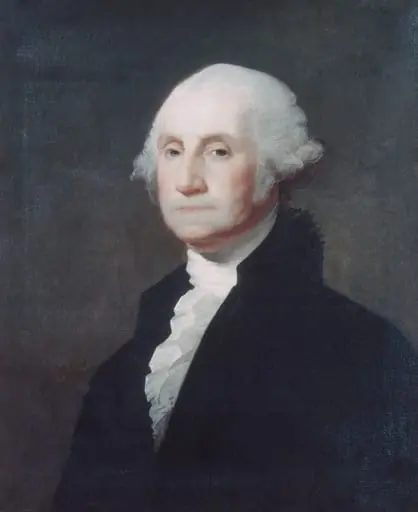
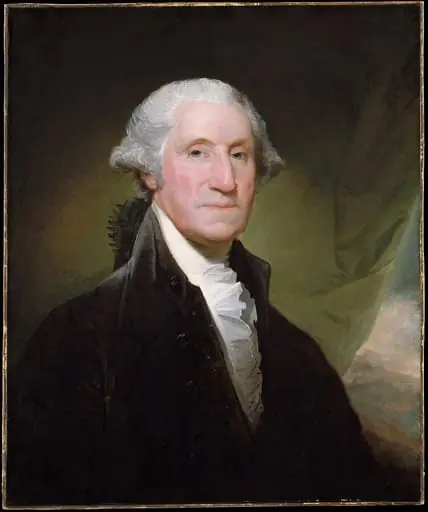
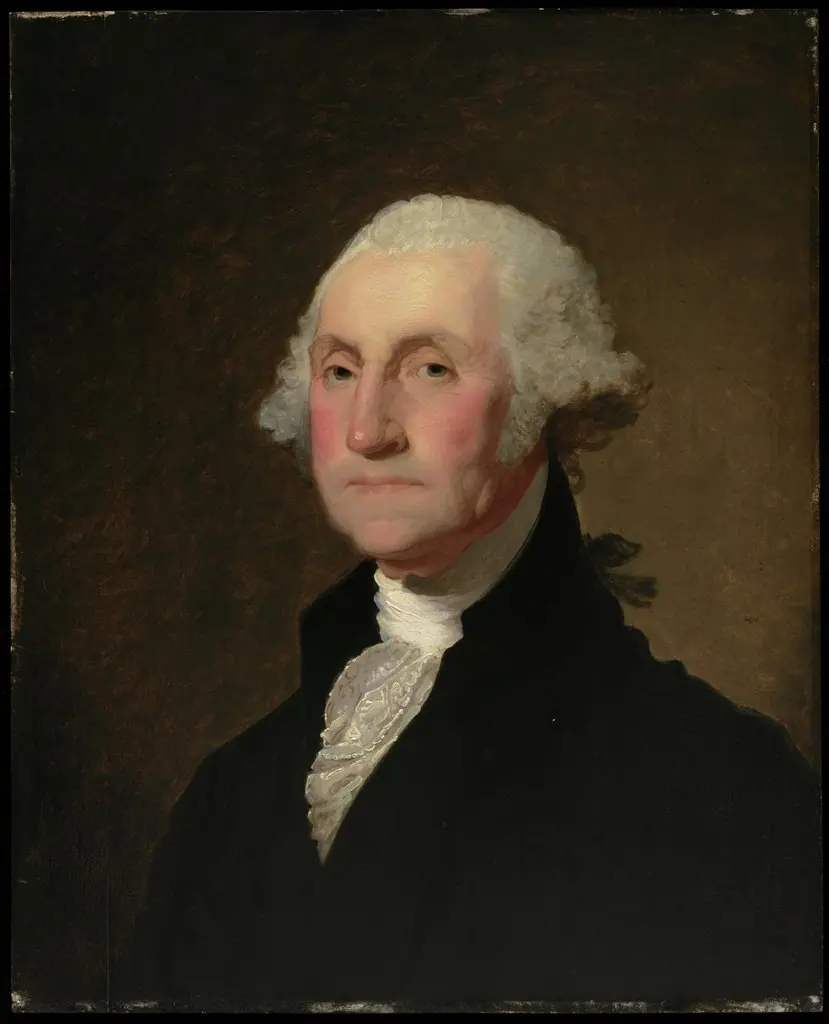
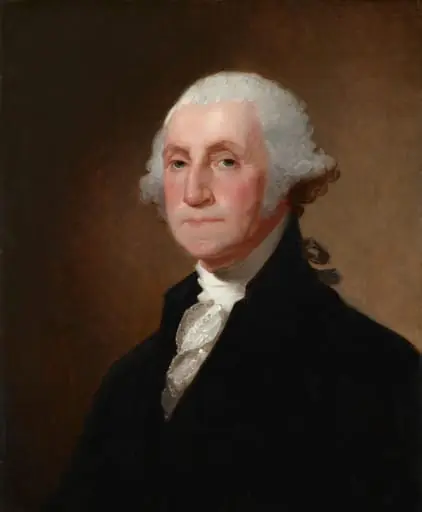
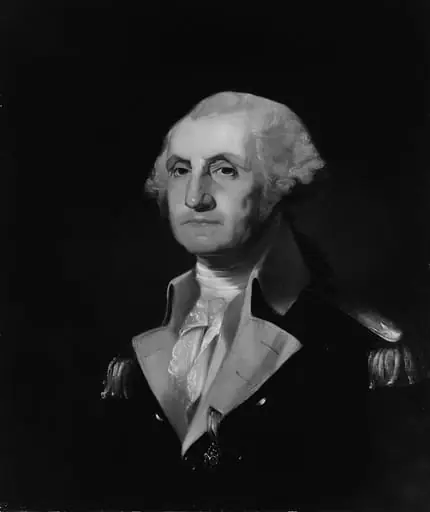
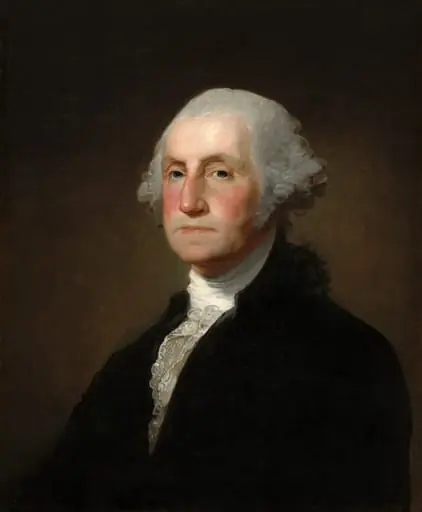
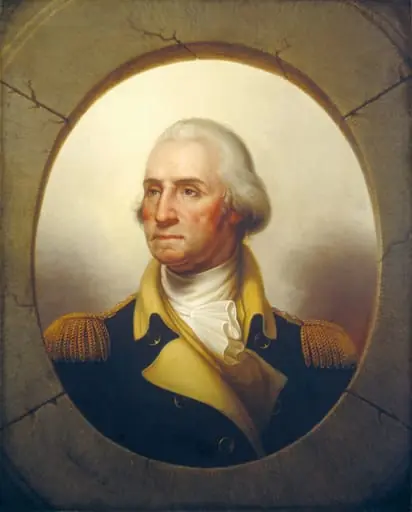
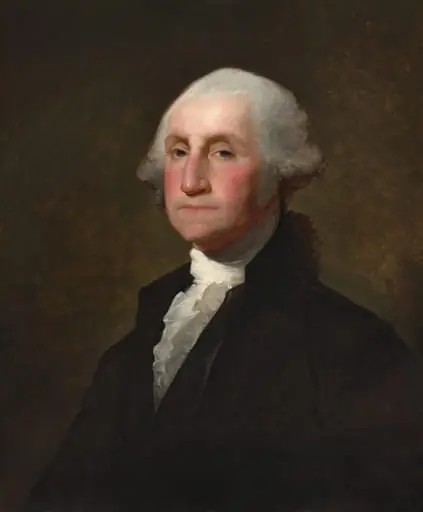
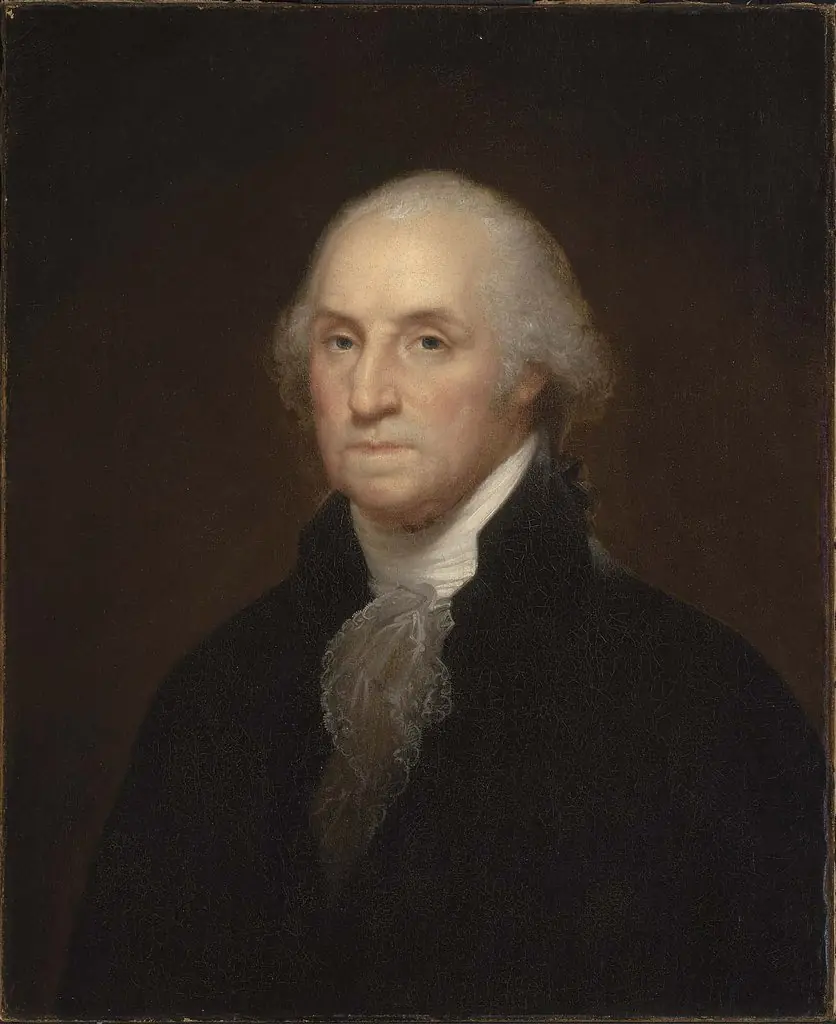
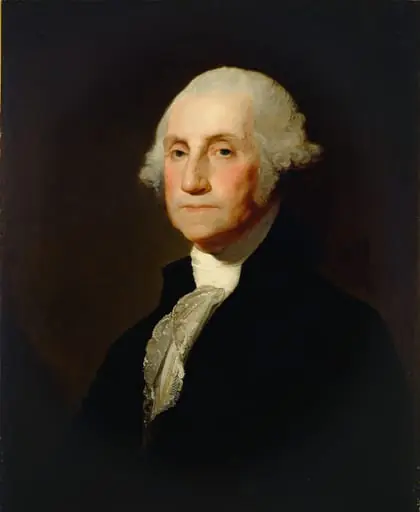
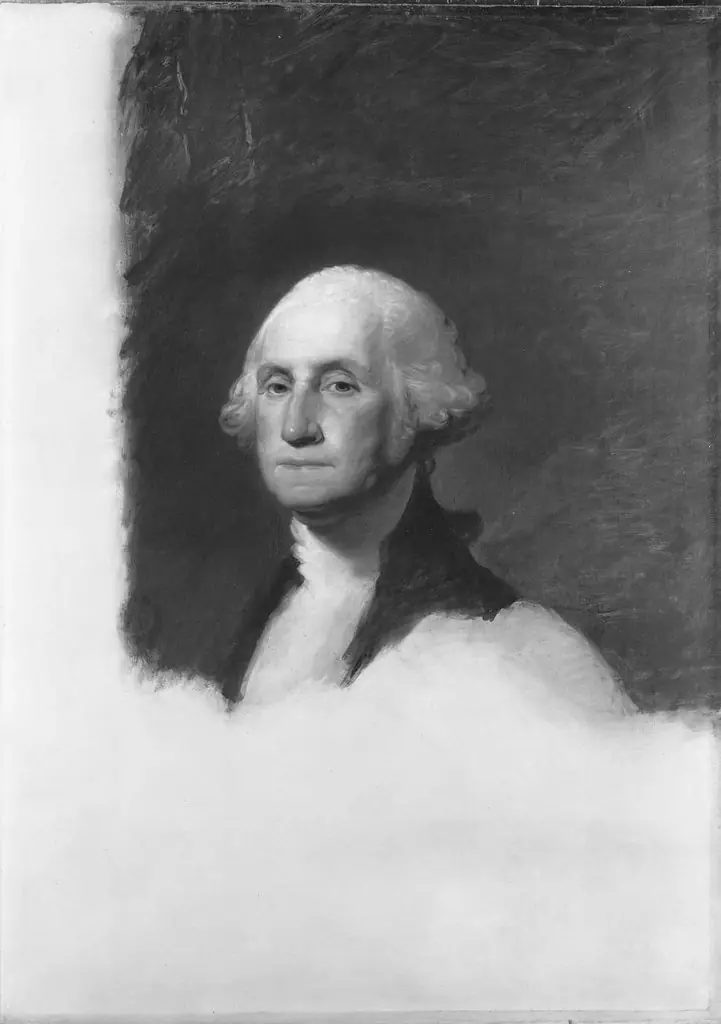
George Washington is an oil painting by the American Impressionist artist Gilbert Stuart. It dates from 1798 and is held in the collection of the Brooklyn Museum.
About this work
Overview
George Washington is an oil painting created by Gilbert Stuart in 1798, portraying the first President of the United States in a formal setting.
Subject & Meaning
The subject, George Washington, is depicted in a dignified pose, standing amidst symbolic elements: a red curtain, column, and sword, conveying authority and leadership. His engaged expression suggests mid-conversation, adding a layer of approachability to the formal portrayal.
Technique & Style
While often associated with American portraiture, this work's characteristics align more closely with Neoclassical influences than American Impressionism, given its formal composition and detailed realism. Stuart's mastery of capturing likeness and ambiance is evident.
History & Provenance
Gilbert Stuart produced multiple commissioned copies of this portrait. The image's widespread recognition stems from its adaptation for the U.S. one-dollar bill. This version is part of the Brooklyn Museum's collection.
Context
Created in 1798, the painting reflects the early national period in the United States, capturing Washington's revered status during his lifetime. The setting, with books and formal attire, underscores his intellectual and presidential stature.
Legacy
Beyond its artistic merit, the painting's legacy lies in its role as an iconic representation of George Washington, perpetuated through currency and popular culture, solidifying Stuart's impact on American portraiture and historical iconography.
Own this work as a print
Artist & collection

Artist
Gilbert Stuart (né Stewart; December 3, 1755 – July 9, 1828) was an American painter born in the Rhode Island Colony who is widely considered one of America's foremost portraitists.