Artwork
George Washington (The Constable-Hamilton Portrait)
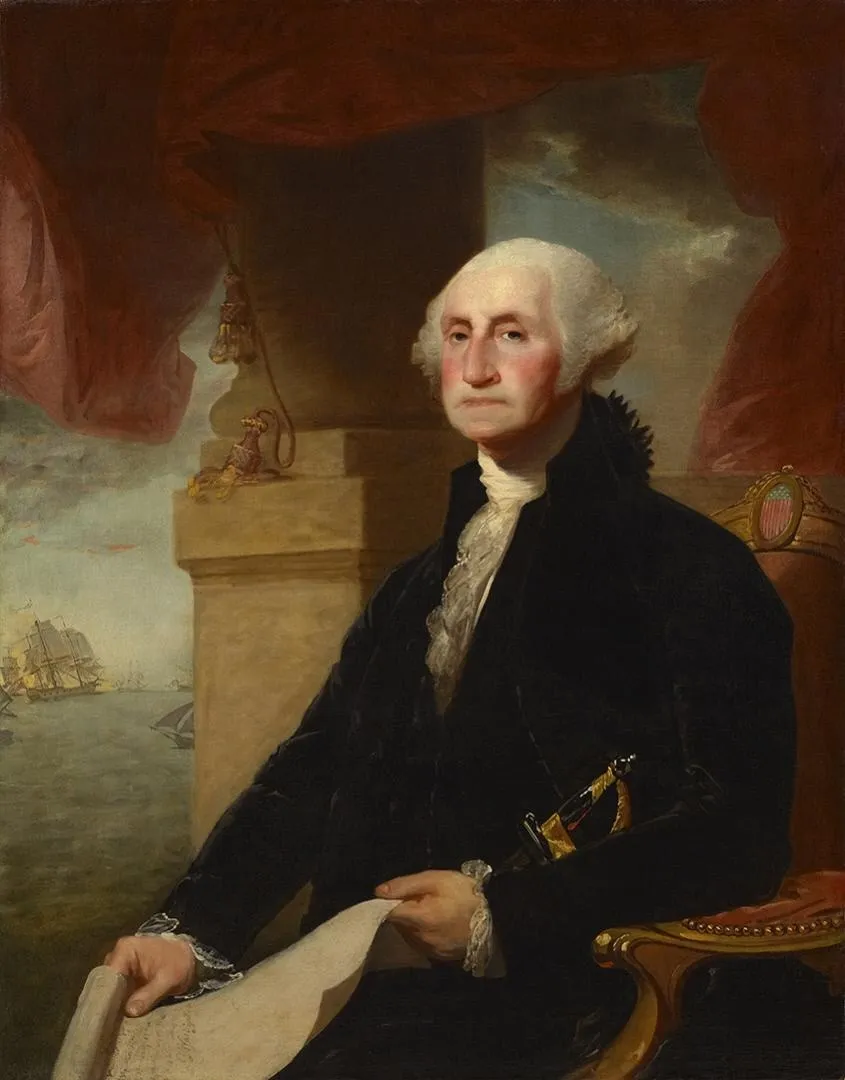
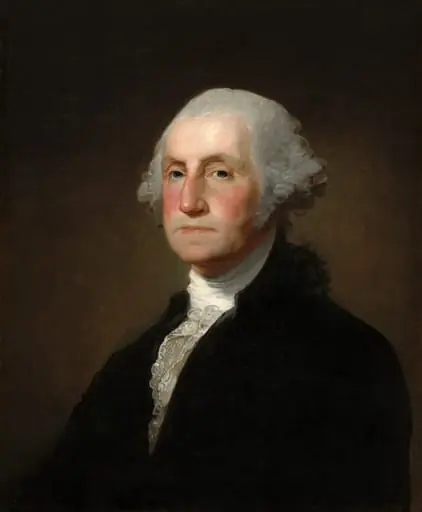
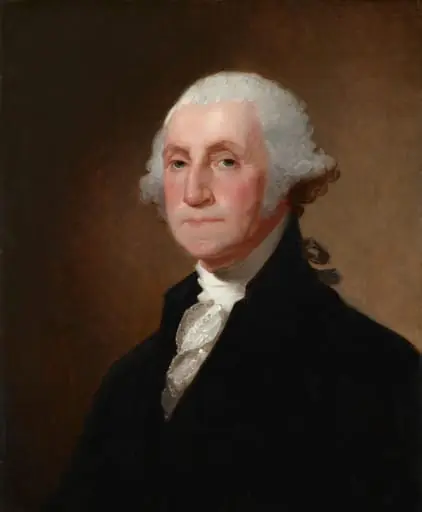
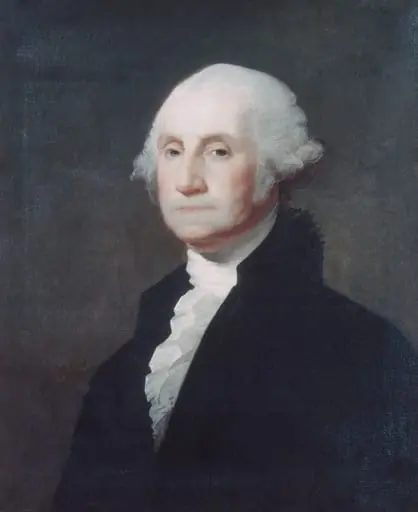
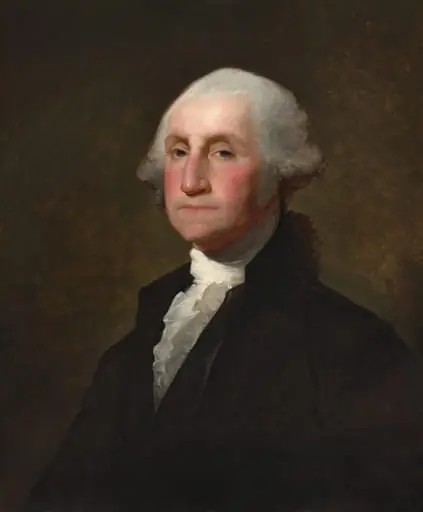
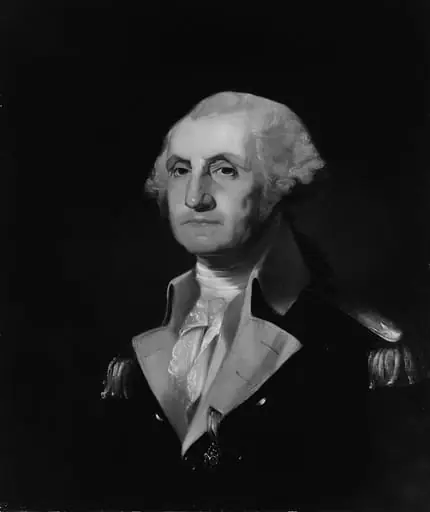
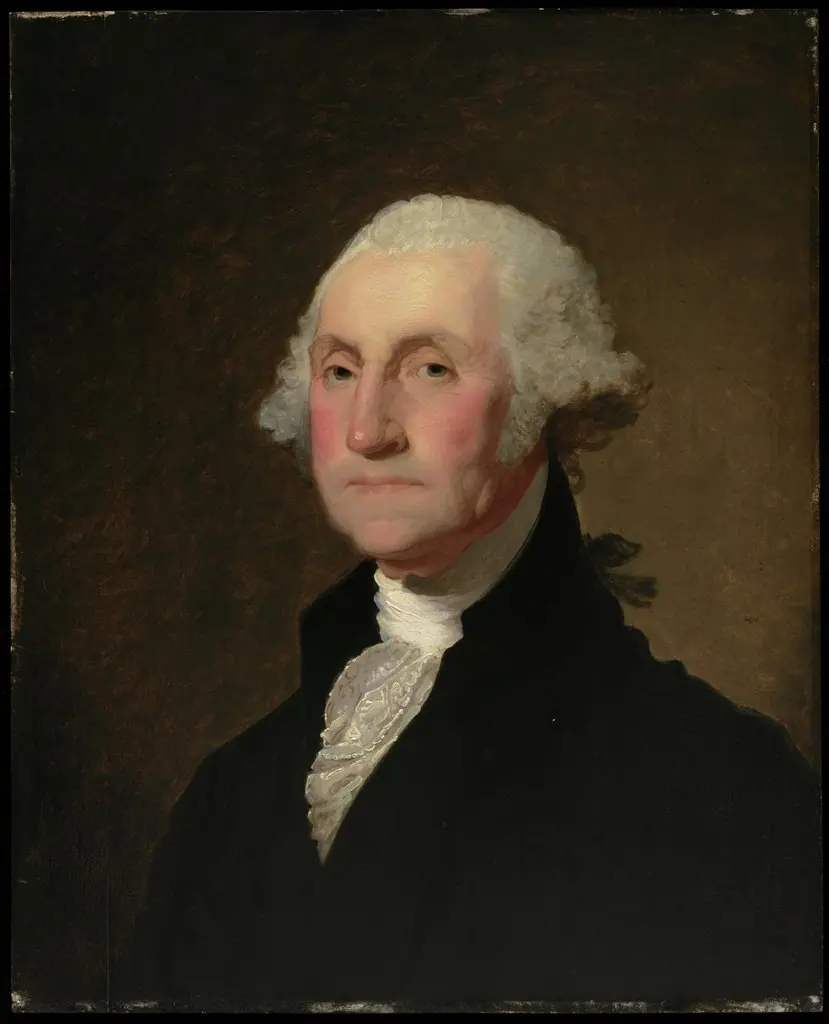
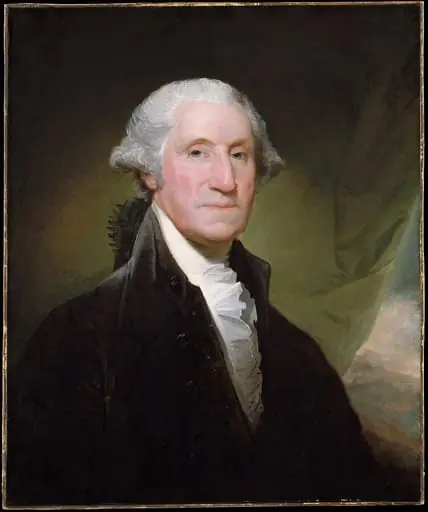
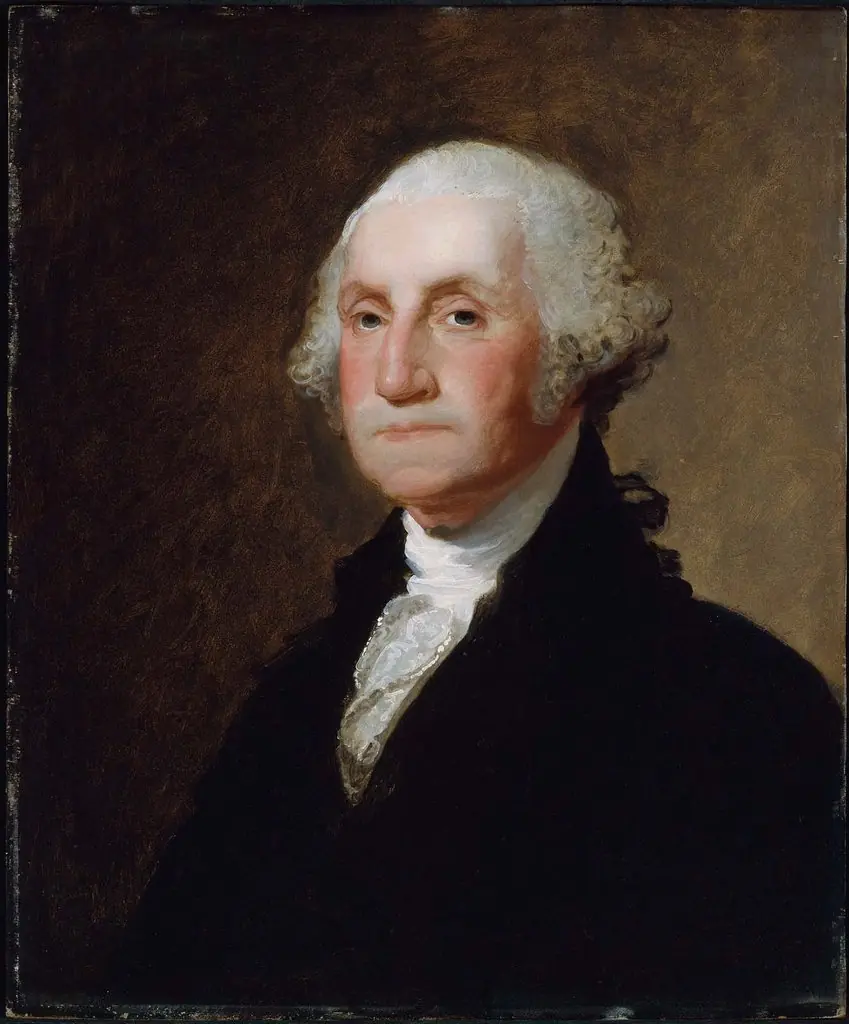
George Washington (The Constable-Hamilton Portrait) is an oil painting by the Neoclassicist artist Gilbert Stuart. It dates from 1799 and is held in the collection of the Crystal Bridges Museum of American Art.
About this work
If you're interested in learning more about this style of painting, you might want to explore the technique of chiaroscuro.
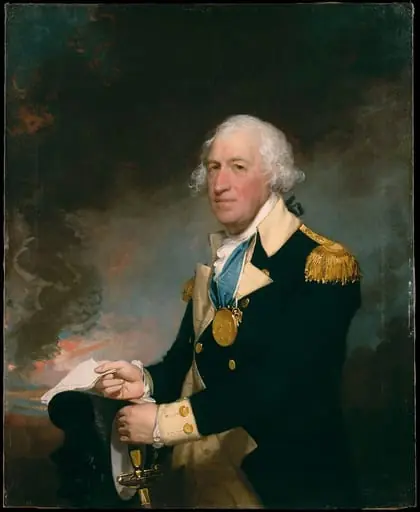
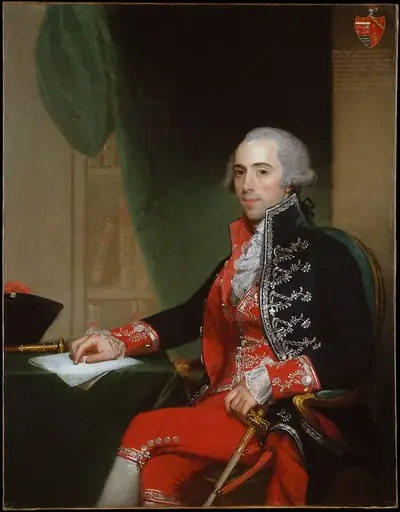
This painting depicts a man with white hair, wearing a dark jacket over a white shirt. He sits in a chair, holding a rolled-up paper in his right hand. The background features a cloudy sky with ships on the water.
The man's attire and hairstyle suggest a formal setting, possibly from the 18th century. The artist's use of light and shadow creates a sense of depth and dimensionality in the painting.
If you're interested in learning more about this style of painting, you might want to explore the technique of chiaroscuro.
Overview
Painted in 1797 by Gilbert Stuart, this oil on canvas portrait captures George Washington in his later years. Commissioned by Alexander Hamilton and later owned by the Constable family, the work is now part of the Crystal Bridges Museum of American Art’s collection in Bentonville, Arkansas. It stands as one of several formal portraits Stuart created of the first U.S. president during his retirement.
Subject & Meaning
Washington is depicted seated, dressed in dark formal attire with a white shirt, his white hair neatly powdered. He holds a rolled document, suggesting his continued engagement with public affairs despite his retirement. The calm, composed posture and direct gaze convey authority tempered by restraint, reflecting the dignity expected of a leader who had stepped down from power.
Technique & Style
Stuart employed subtle chiaroscuro to model Washington’s face and hands, enhancing their three-dimensionality against a muted background. The sky behind him, softly rendered with clouds and distant ships, avoids distraction while suggesting a broader world beyond the portrait’s frame. Brushwork is refined yet unobtrusive, prioritizing naturalism over ornamentation, characteristic of Stuart’s mature style.
History & Provenance
The portrait was commissioned by Alexander Hamilton, then Secretary of the Treasury, and later passed to the Constable family, from whom it derives its alternate name. It remained in private hands for over two centuries before being acquired by the Crystal Bridges Museum in 2012. Its documented lineage reinforces its significance as a historically grounded representation of Washington’s post-presidential life.
Context
Created during Washington’s retirement at Mount Vernon, the portrait reflects a nation transitioning from revolutionary leadership to institutional governance. Stuart, already renowned for his Washington likenesses, was commissioned by political figures seeking to preserve the image of the republic’s founding figure. This version diverges from his more famous Athenaeum portrait by including environmental elements that hint at national identity.
Legacy
Though less widely reproduced than Stuart’s Athenaeum portrait, this work contributes to the visual record of Washington as a private citizen. Its inclusion in a major American art museum underscores its value as both historical document and artistic achievement. It remains a quiet but enduring testament to the early republic’s effort to define leadership through portraiture.
Artist & collection

Artist
Gilbert Stuart (né Stewart; December 3, 1755 – July 9, 1828) was an American painter born in the Rhode Island Colony who is widely considered one of America's foremost portraitists.

Museum
Crystal Bridges Museum of American Art
Continue through works from the same source collection.