Artwork
Moses strikes water from the rock
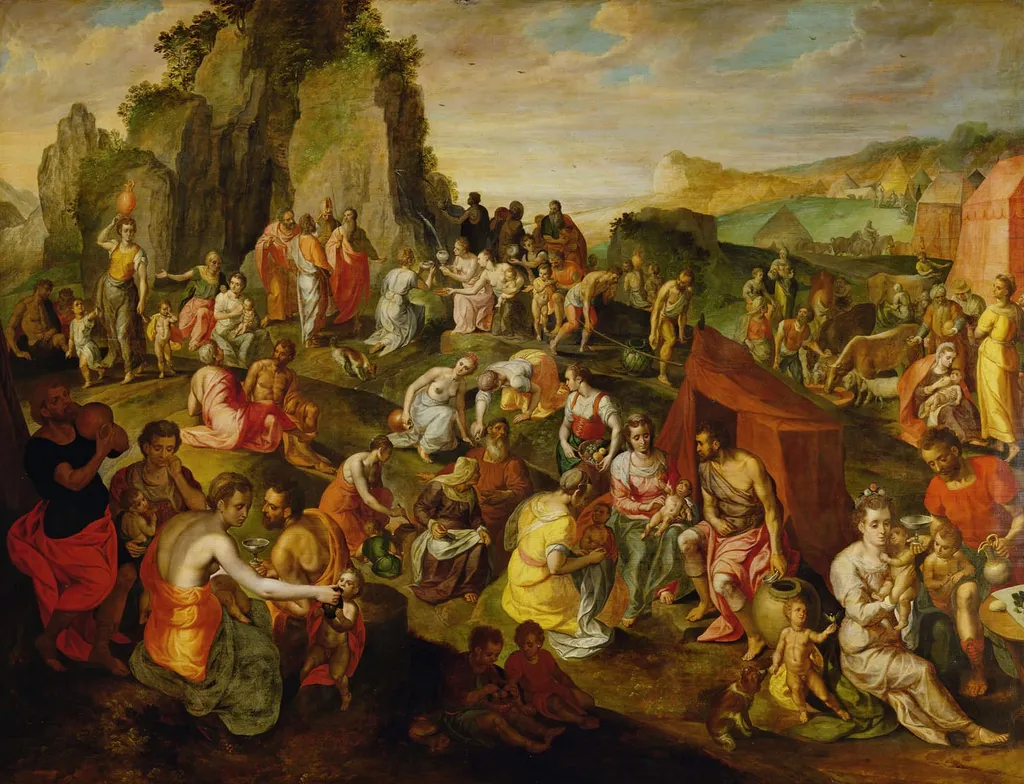
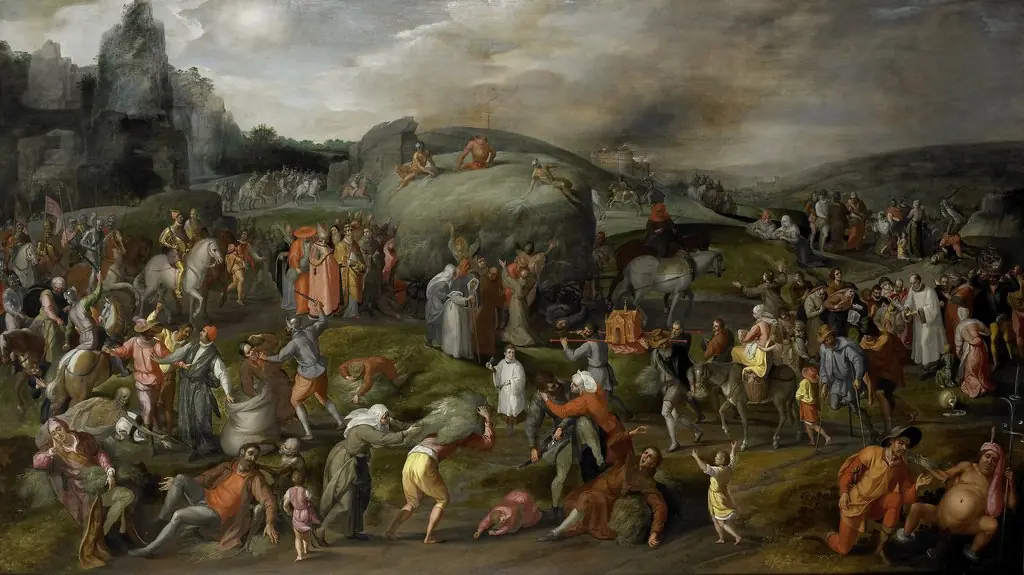
Moses strikes water from the rock is an oil painting by the Mannerist artist Gillis Mostaert. It dates from 1560 and is held in the collection of the Kunsthistorisches Museum.
About this work
Overview
Mostaert, active in Antwerp, was known for his detailed landscapes and genre scenes, and this piece reflects his skill in organizing complex compositions.
Painted in 1560 by Flemish artist Gillis Mostaert the Elder, this oil-on-panel work illustrates a biblical episode from the Book of Exodus. Mostaert, active in Antwerp, was known for his detailed landscapes and genre scenes, and this piece reflects his skill in organizing complex compositions. It resides today in the Kunsthistorisches Museum in Vienna, part of a broader collection of Northern Renaissance art.
Subject & Meaning
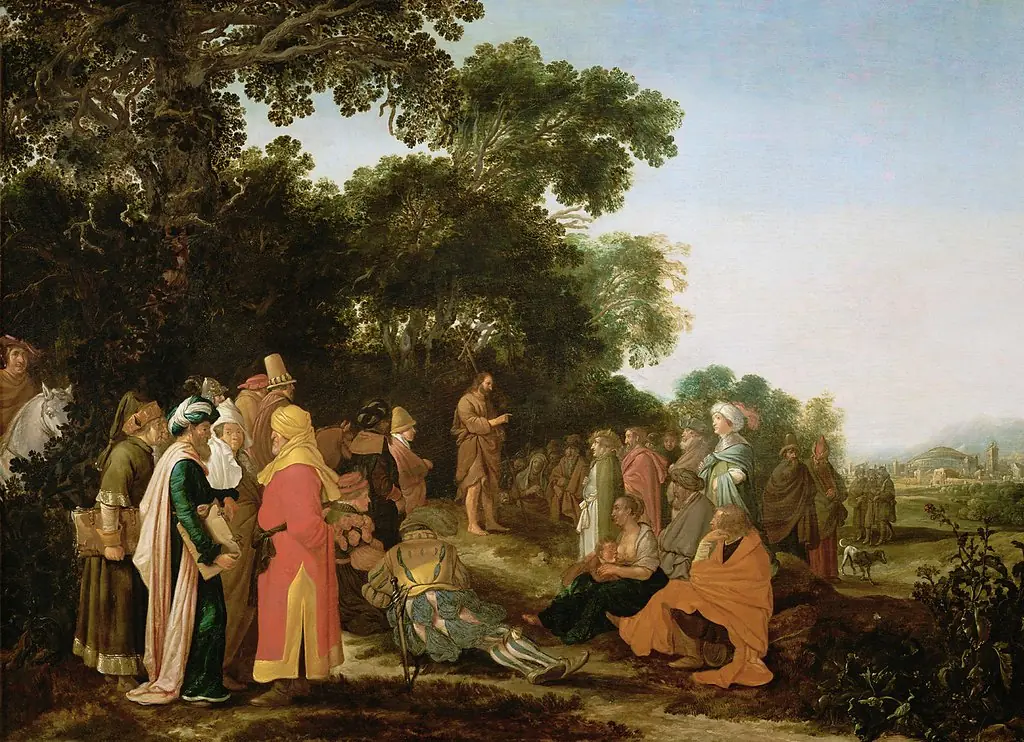
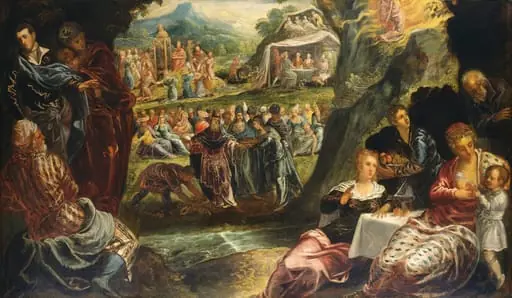
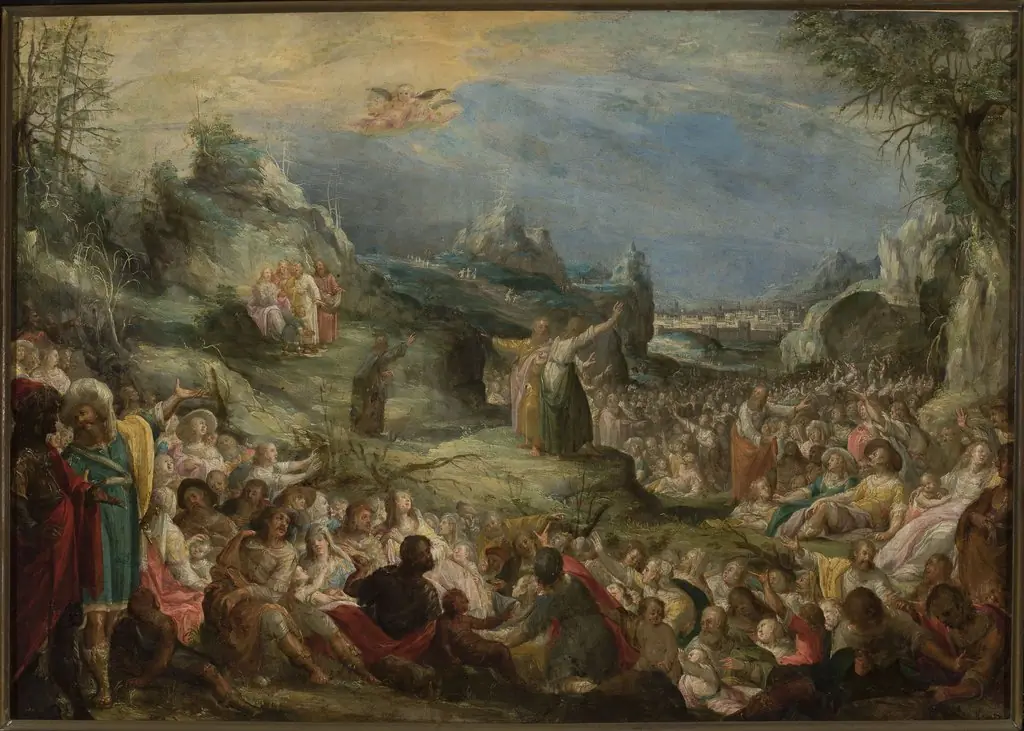
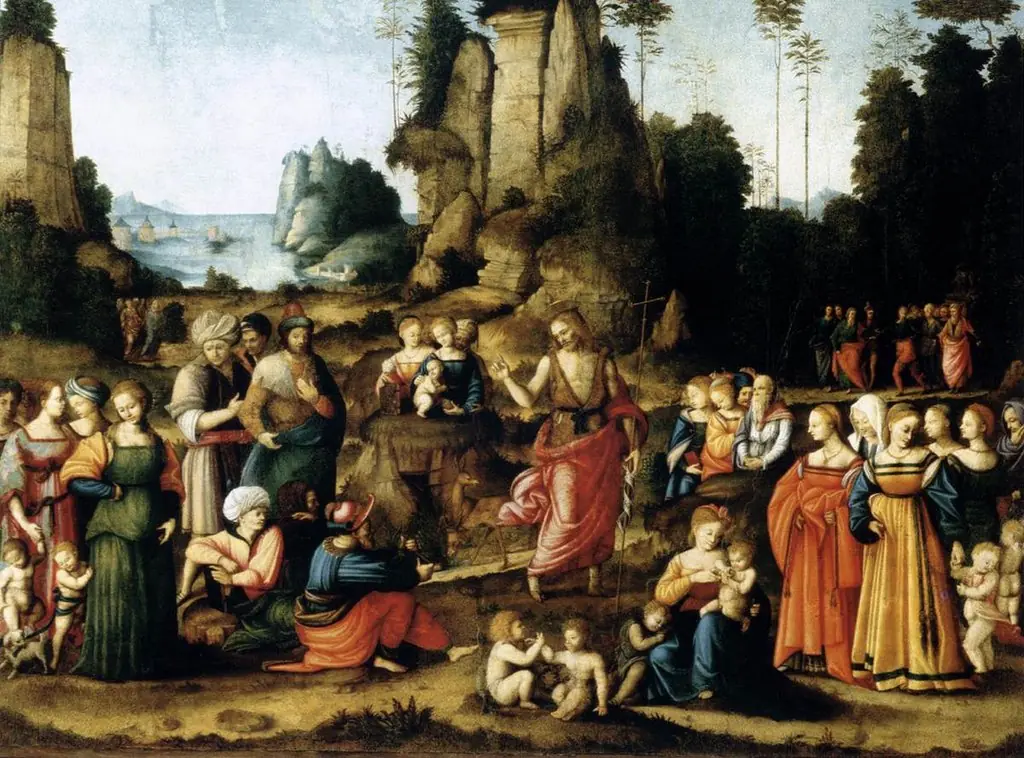
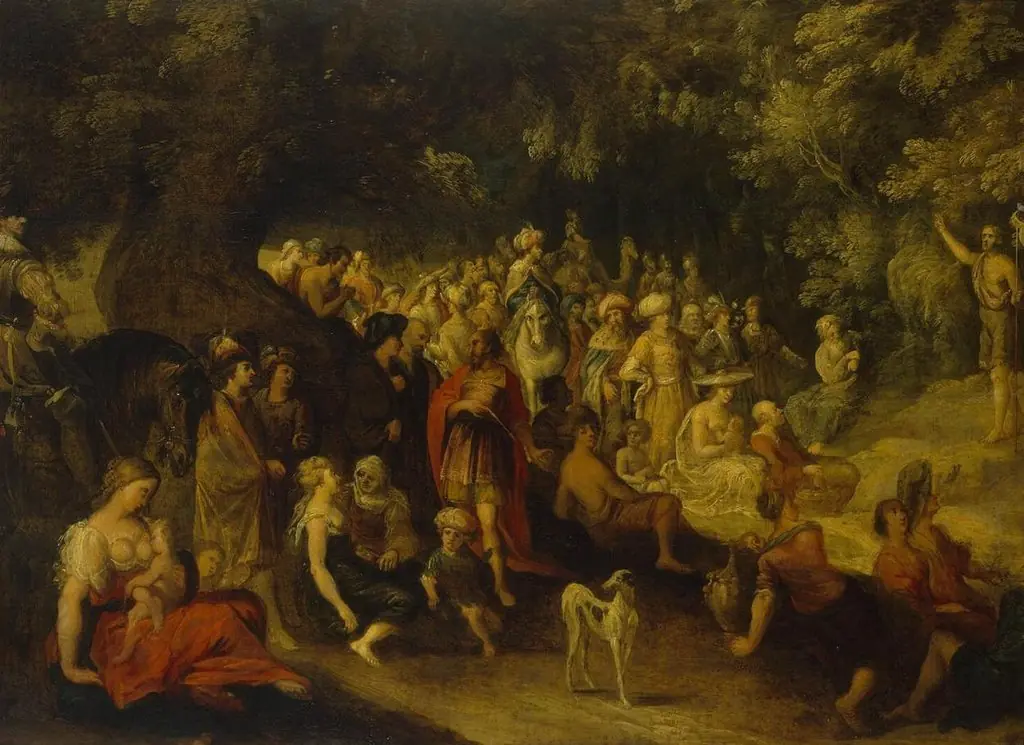
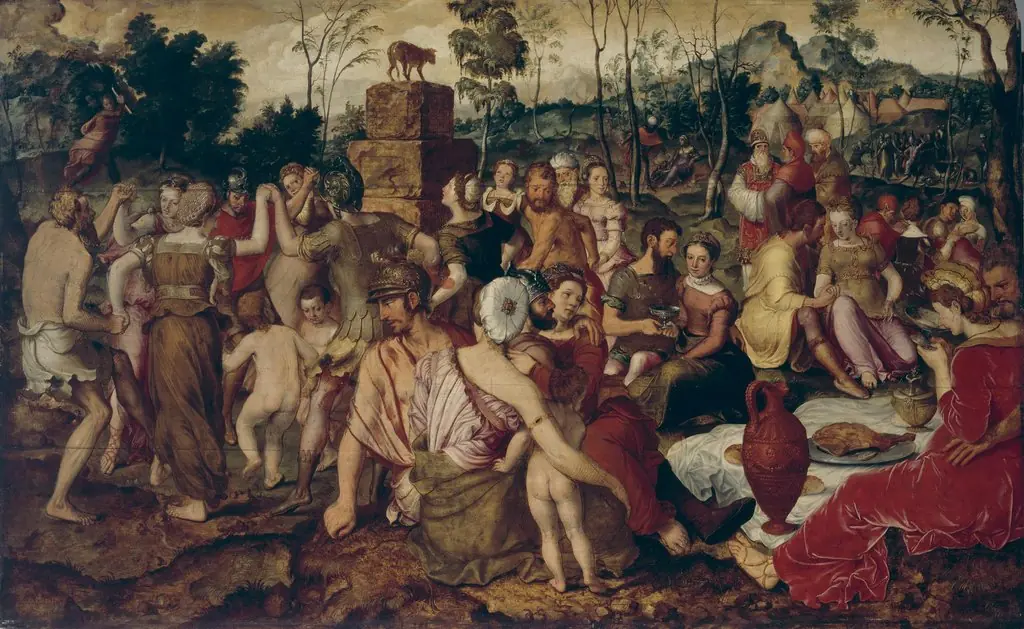
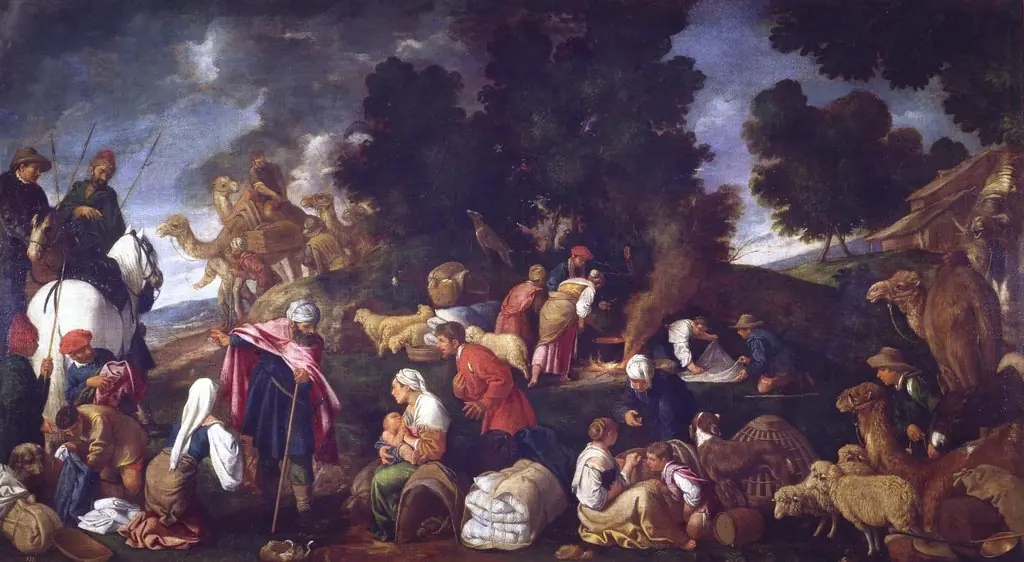
The scene captures Moses striking a rock to produce water for the Israelites during their desert journey. The crowded gathering emphasizes communal need and divine intervention. Figures react with urgency and reverence—some collecting water, others kneeling or holding infants—conveying both physical thirst and spiritual dependence. The narrative aligns with themes of faith and providence central to Protestant and Catholic devotional traditions of the period.
Technique & Style
Mostaert employs warm earth tones—ochres, reds, and browns—accented by pale robes and green distant hills to create depth. Light is carefully modulated to highlight key figures, particularly Moses and the emerging water, while surrounding forms recede into shadow. This use of chiaroscuro directs attention to the miracle’s center, enhancing drama without theatricality. The brushwork is precise, typical of Mannerist attention to detail and controlled composition.
History & Provenance
Commissioned during the height of Antwerp’s artistic output, the painting likely originated in Mostaert’s large workshop, which produced works for wealthy civic and ecclesiastical patrons. It entered the Kunsthistorisches Museum’s collection in the 19th century, possibly through Habsburg acquisitions. Its survival through centuries reflects its status as a respected devotional image rather than a mere decorative piece.
Context
Created during a time of religious upheaval, the painting’s depiction of divine provision resonated across confessional lines. While Protestant regions favored biblical narratives, Catholic patrons also valued such scenes for their moral clarity. Mostaert’s focus on landscape and human activity aligns with Flemish traditions that blended sacred story with everyday realism, distinguishing it from Italianate idealism.
Legacy
Though not widely reproduced, the painting exemplifies how Northern artists adapted biblical themes through intimate, human-centered compositions. Mostaert’s approach influenced later Flemish painters who prioritized narrative clarity and environmental detail. Its preservation in a major European museum ensures continued study of how religious imagery evolved in post-Reformation art.
Artist & collection
Artist
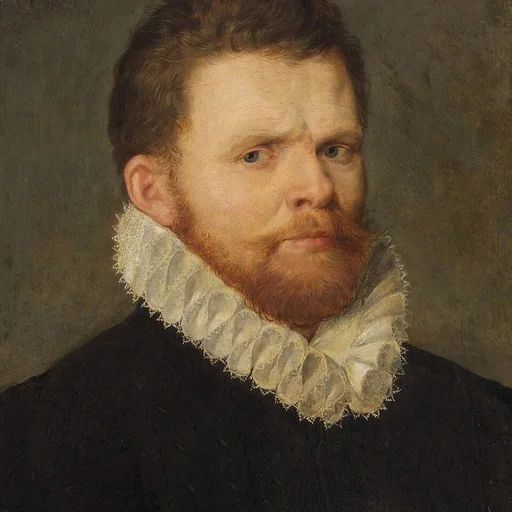
Gillis Mostaert the Elder (27 or 28 November 1528 – 28 December 1598) was a Flemish Renaissance painter and draughtsman active in Antwerp in the second half of the 16th century.