Artwork
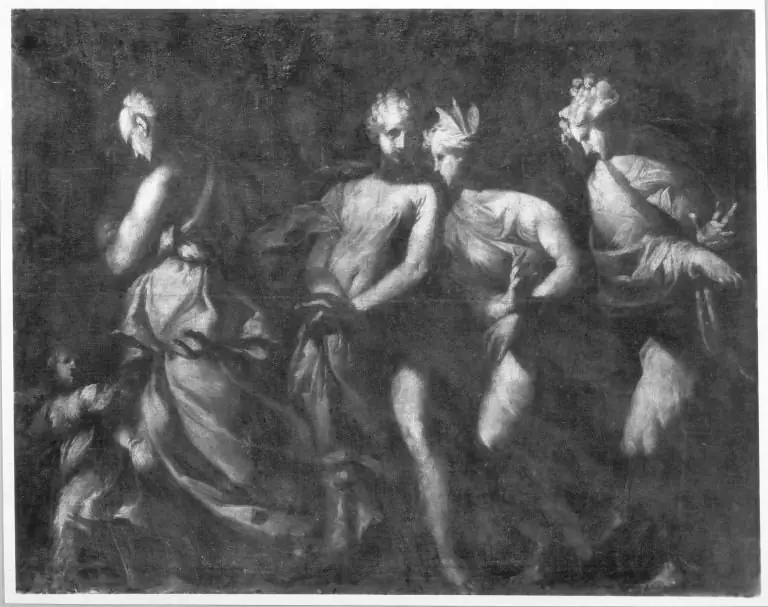
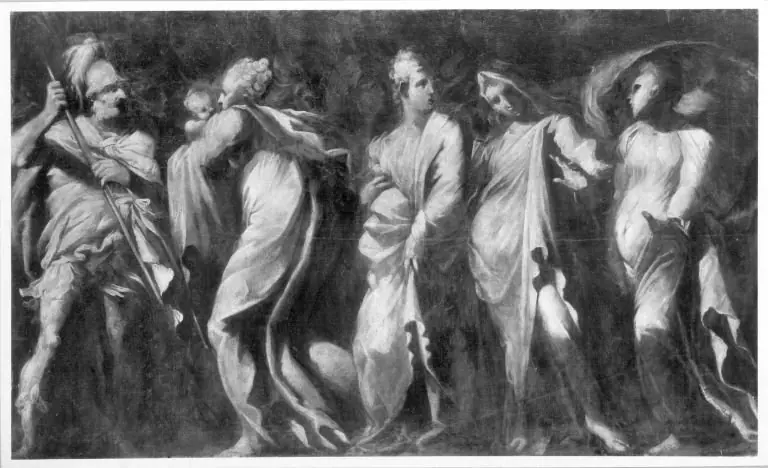
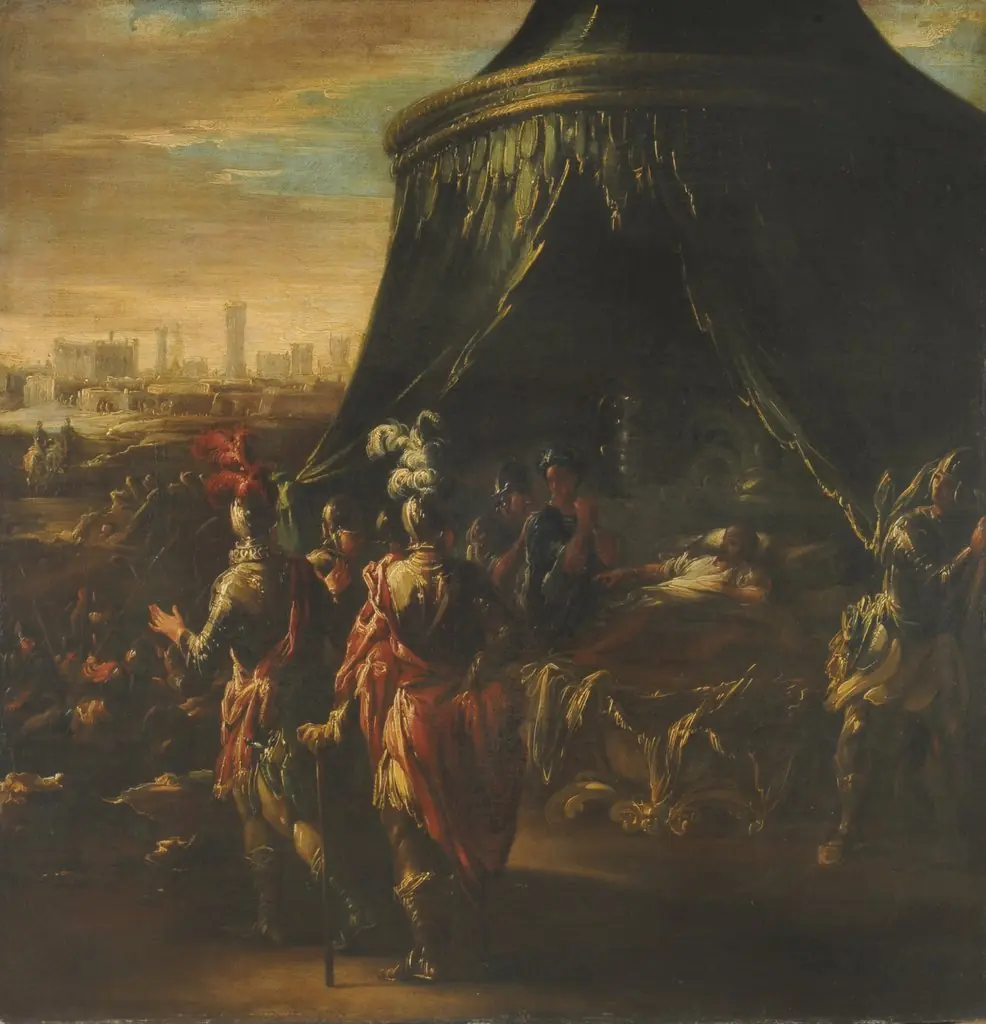
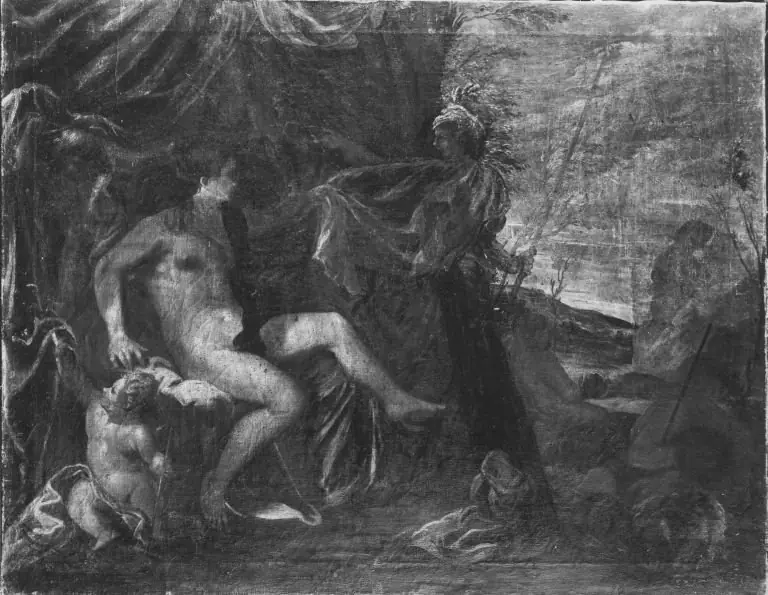
Römischer Triumphzug: Gefangene Männer und Frauen
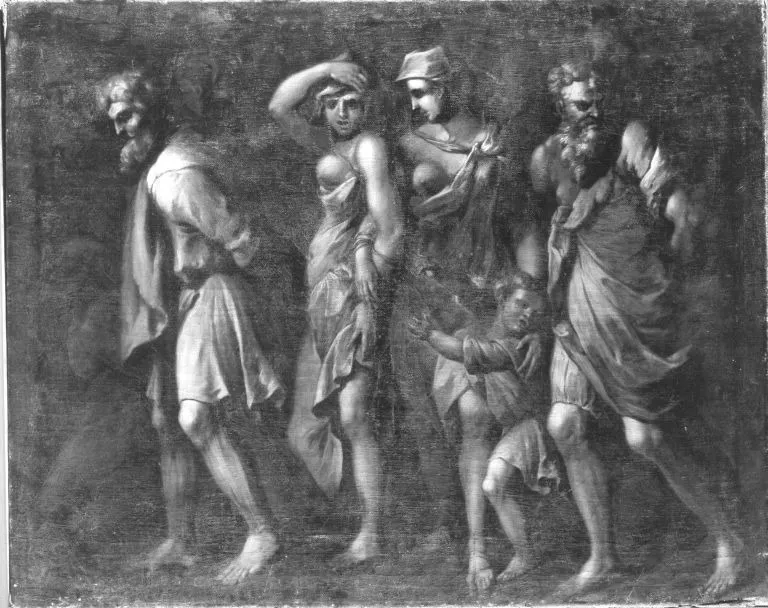
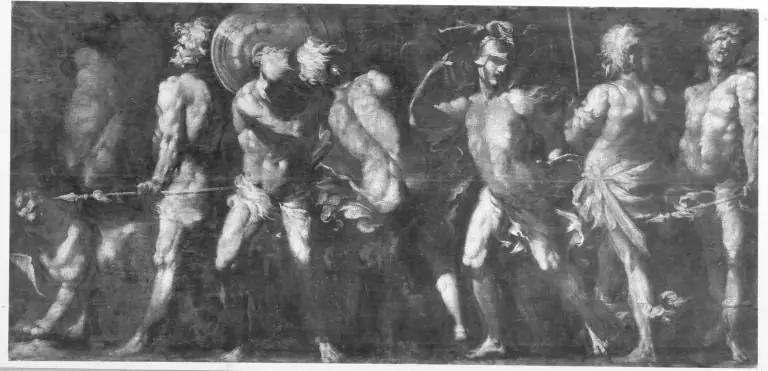
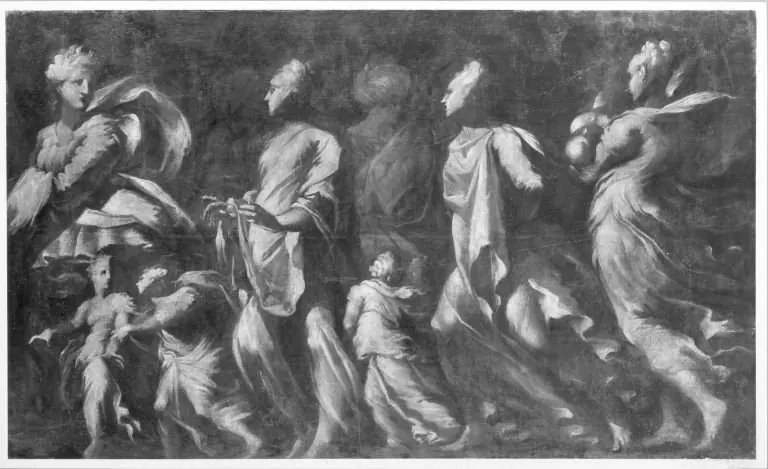
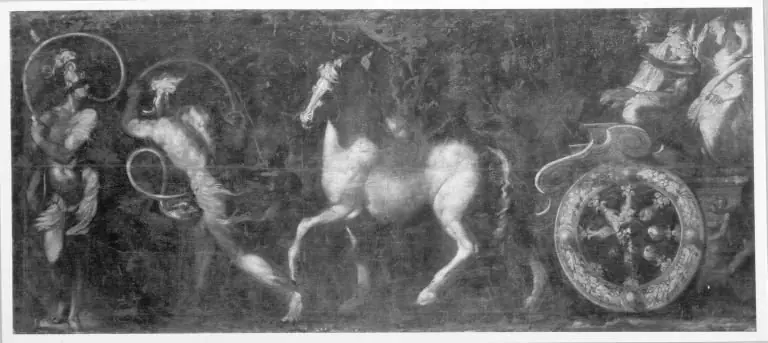
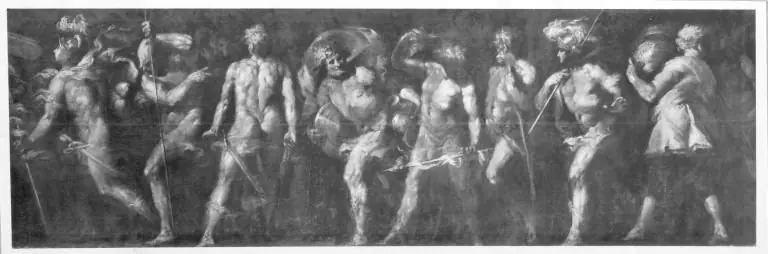
Römischer Triumphzug: Gefangene Männer und Frauen is an unspecified painting by the Early Baroque Italian artist Giovanni Andrea Donducci. It dates from 1615 and is held in the collection of the Bavarian State Painting Collections.
About this work
Overview
Created in 1615 by Giovanni Andrea Donducci, known as Mastelletta, this oil painting belongs to the early Baroque period in Italy. Executed within the Bolognese artistic tradition, the work now resides in the Alte Pinakothek’s collection, offering a dramatic glimpse of a Roman triumphal scene populated by captive figures.
Subject & Meaning
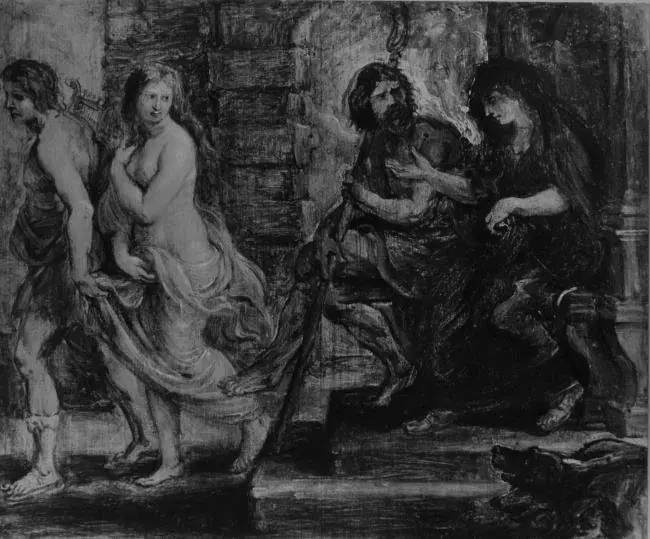
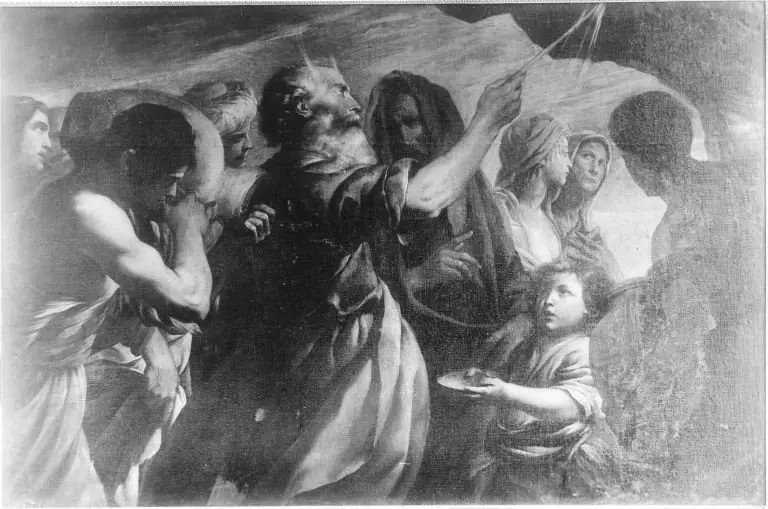
The composition centers on a woman in a flowing garment, her right arm raised in a gesture that draws attention amid a group of subdued captives. Flanking her are two men—one wearing a hat, the other bearded—and a kneeling child reaching toward her, together suggesting the human cost and display of subjugation inherent in triumphal processions.
Technique & Style
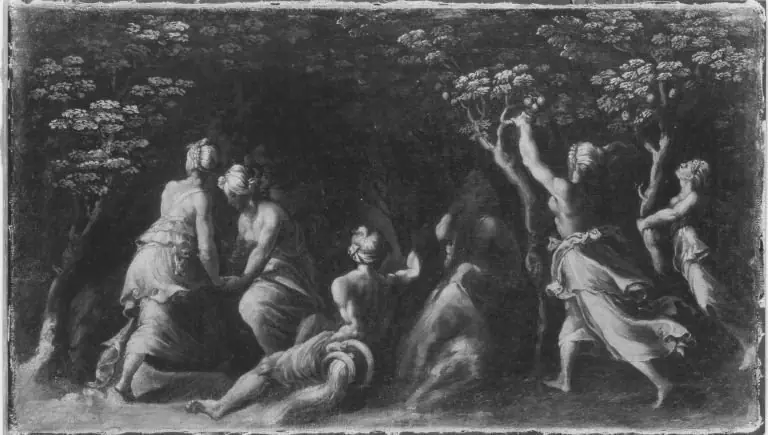
Donducci employs strong chiaroscuro, casting the figures against a deep, shadowed backdrop that heightens the three‑dimensionality of the forms. The contrast between illuminated flesh and surrounding darkness creates a sense of spatial depth and intensifies the emotional tenor of the scene, characteristic of the early Baroque emphasis on drama and movement.
History & Provenance
Trained alongside contemporaries linked to the Carracci academy, such as Giacomo Cavedone and Alessandro Tiarini, Donducci integrated their academic rigor into his own practice. After remaining in private hands for centuries, the painting entered the Alte Pinakothek, where it is displayed as part of the museum’s Baroque holdings.
Artist & collection
Artist
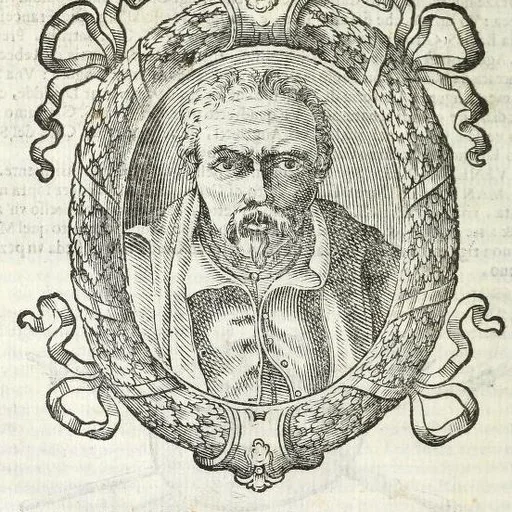
Giovanni Andrea Donducci (14 February 1575 – 25 April 1655), also known as Mastelletta, was an Italian Baroque painter of the Bolognese School (painting).