Artwork
Bildnis einer Hofdame
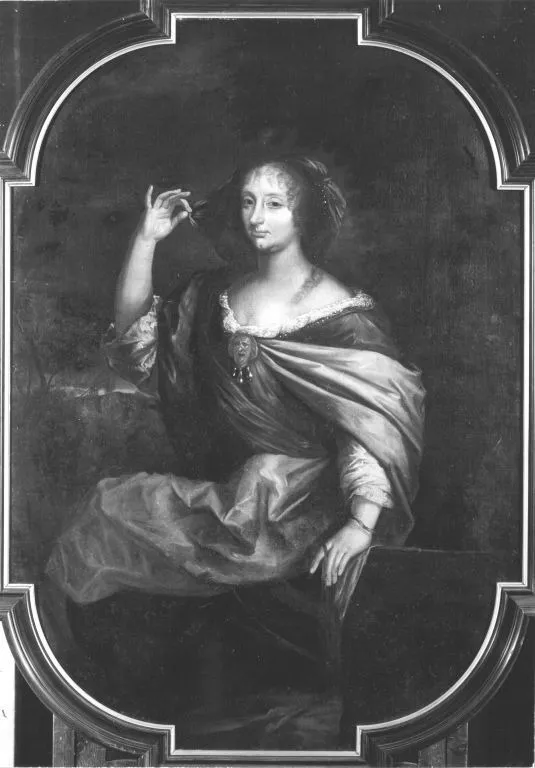
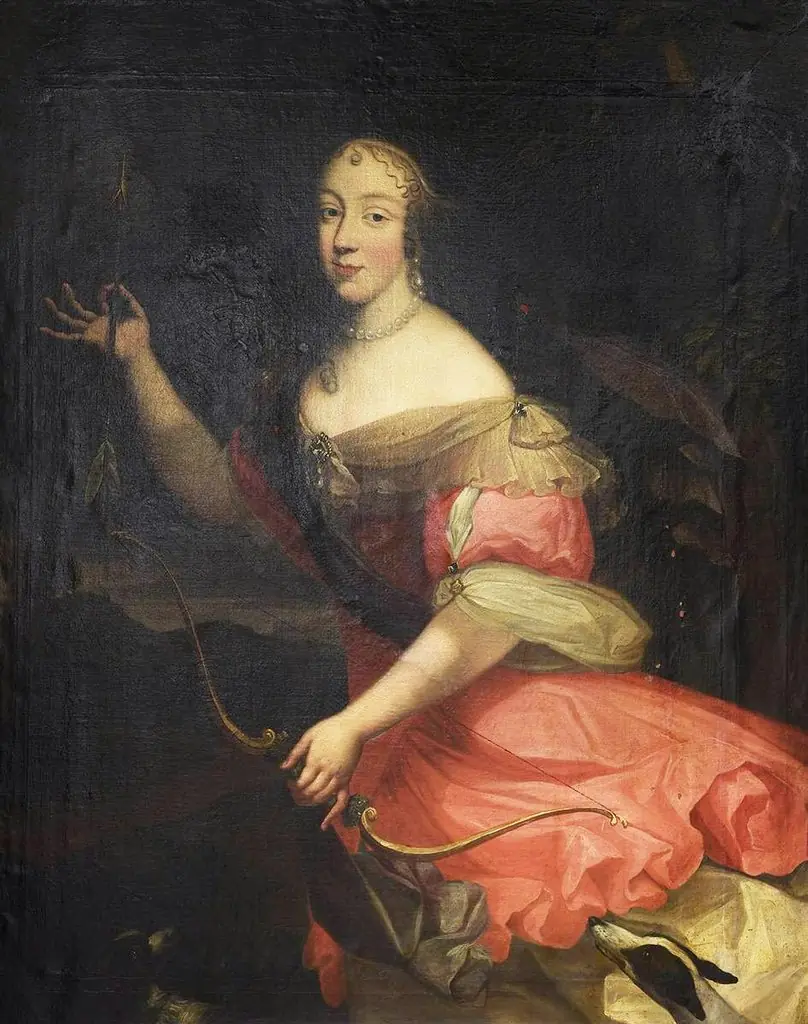
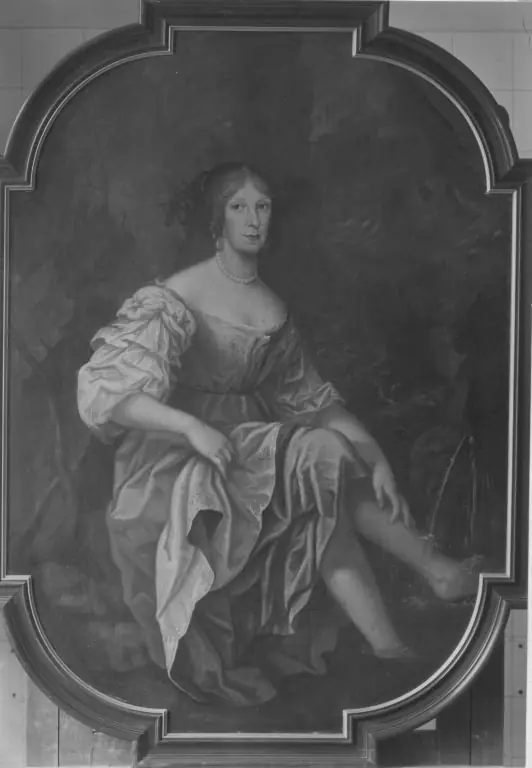
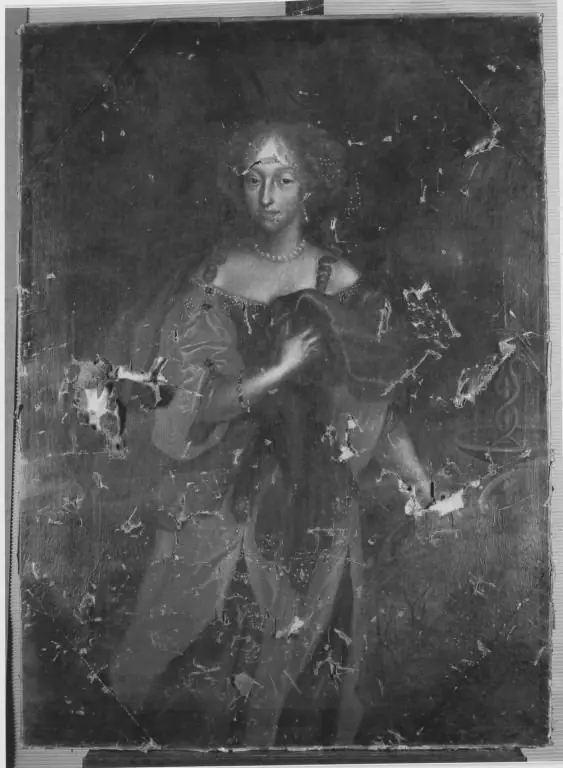
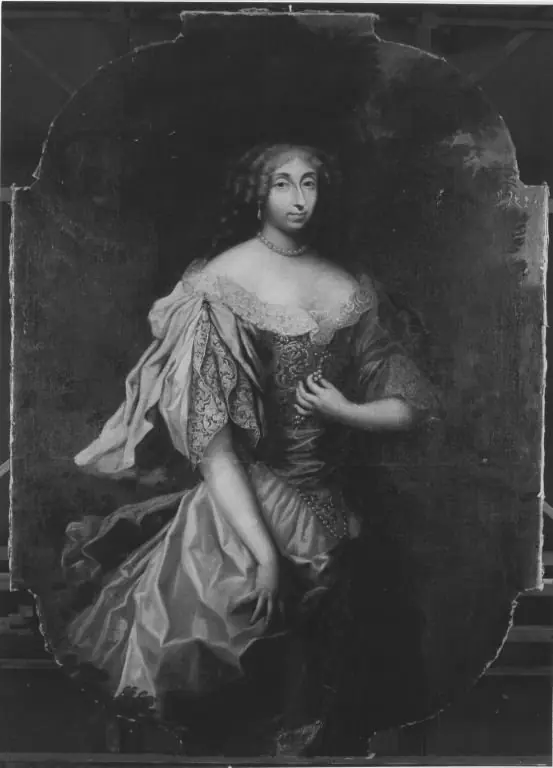
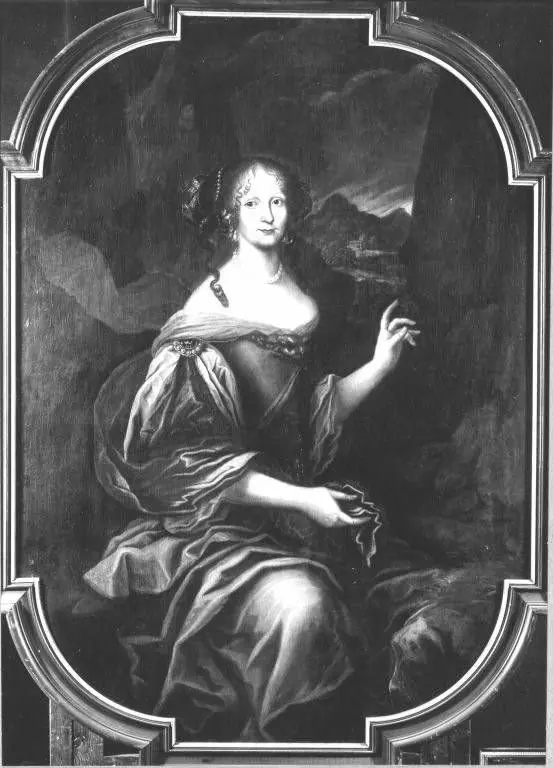
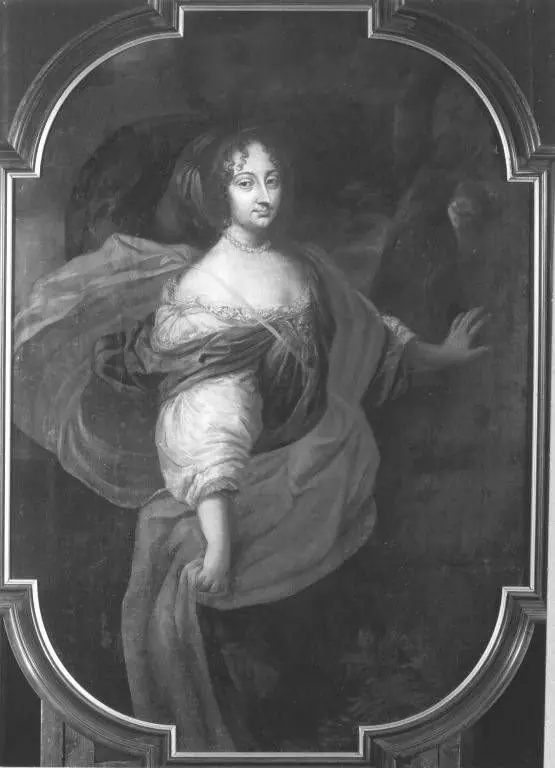
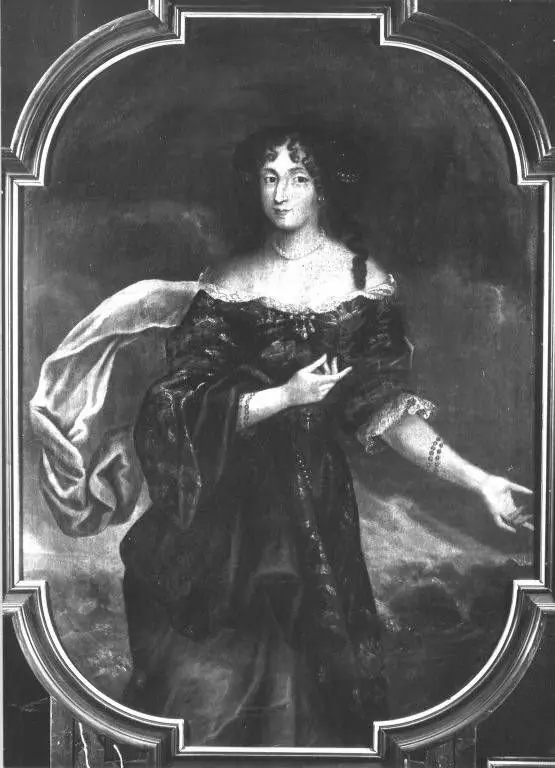
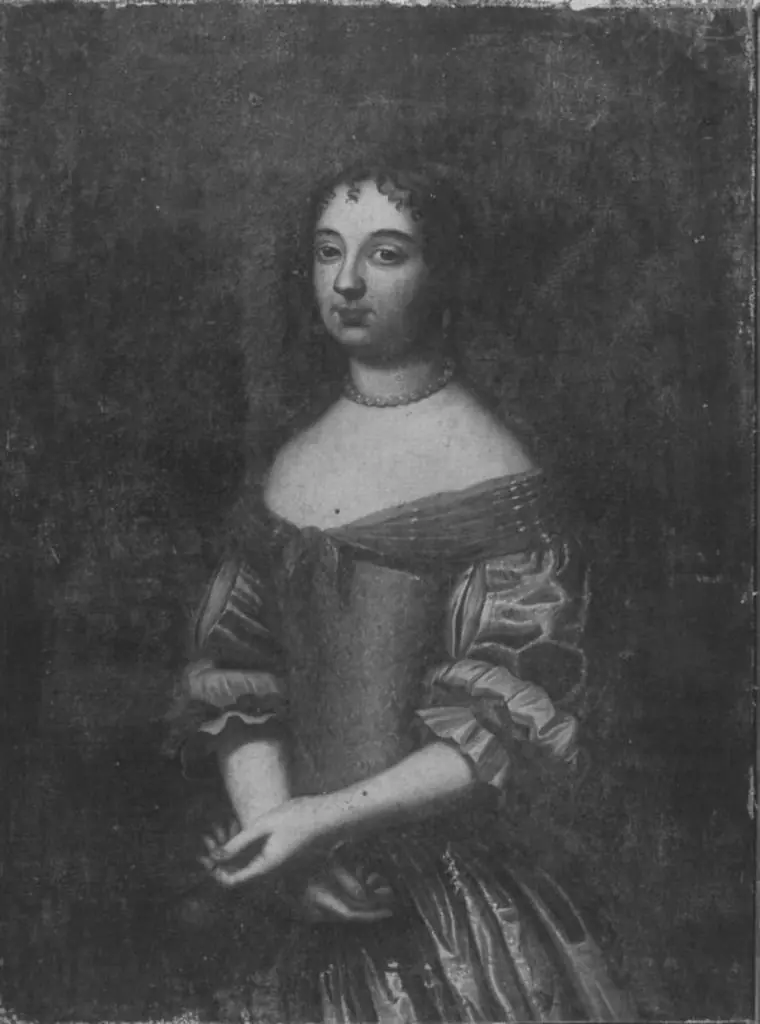
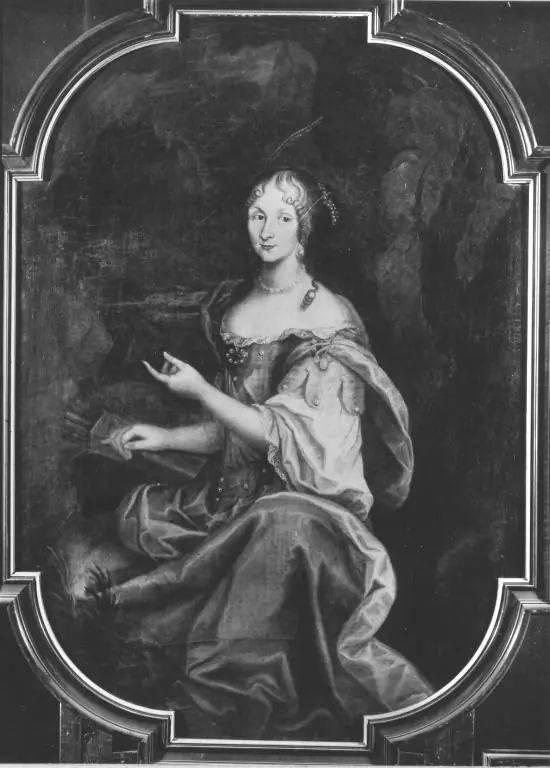
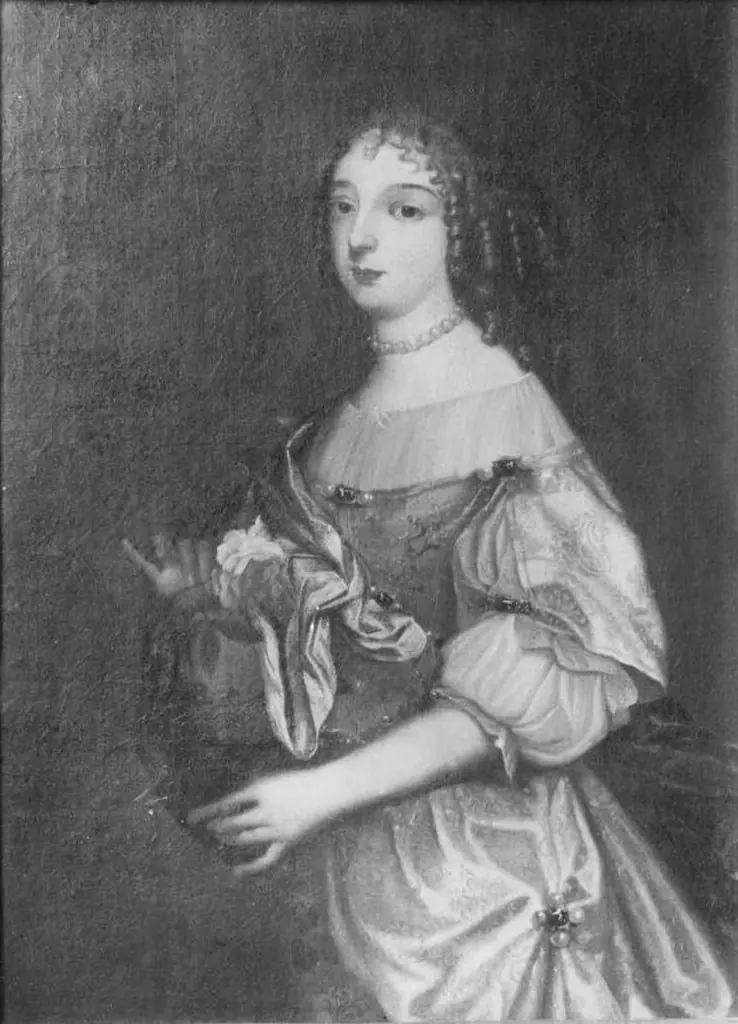
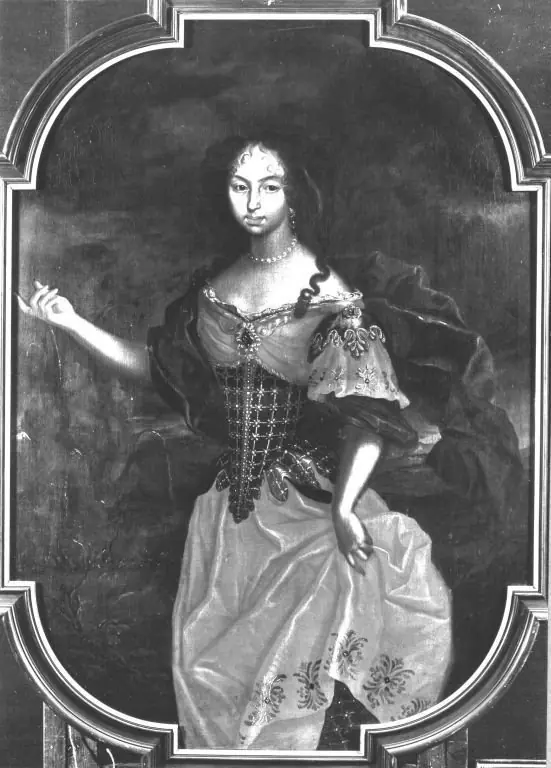
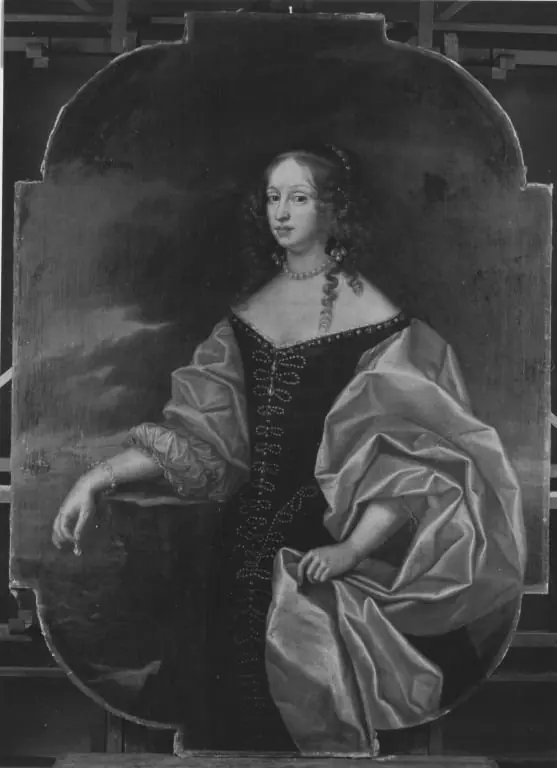
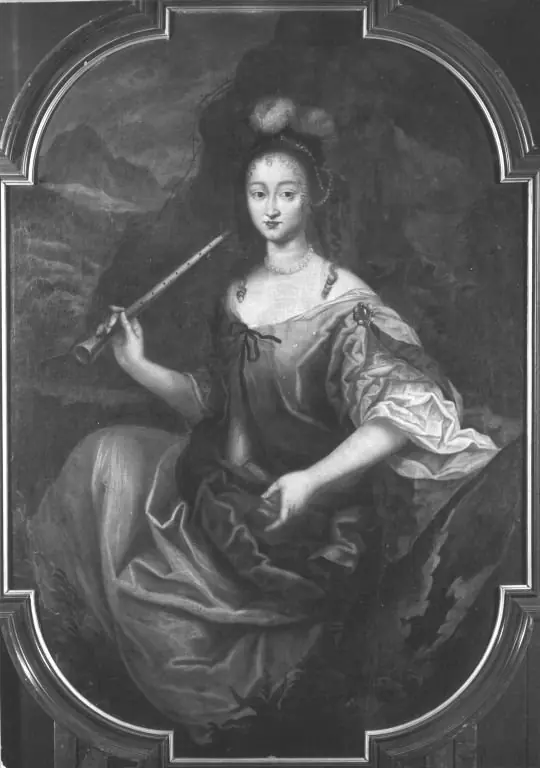
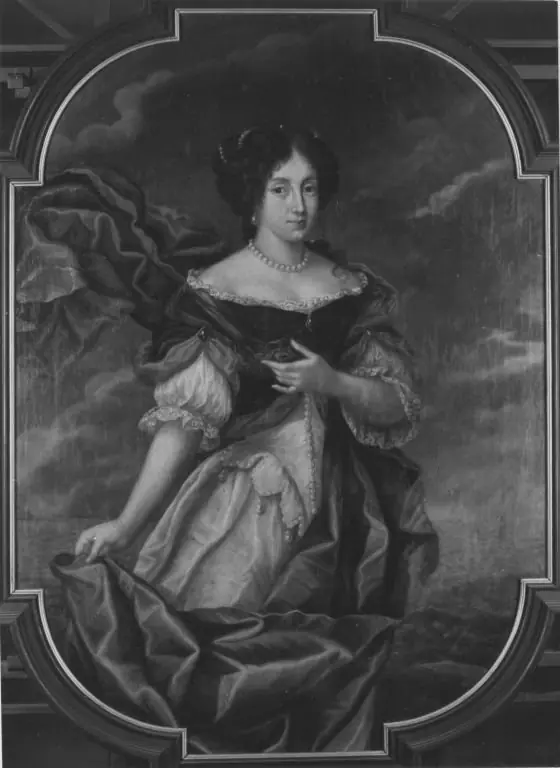
Bildnis einer Hofdame is an unspecified painting by Giovanni Battista Curlando. It is held in the collection of the Bavarian State Painting Collections. The work presents a seated woman dressed in an elaborate, flowing garment typical of the 1600s.
About this work
The woman's face is turned slightly to the side, with a subtle expression that suggests a sense of calm and serenity.
This painting depicts a woman in a flowing dress, possibly from the 17th century. She is shown in a seated position, with her right arm resting on her lap and her left hand raised to her head. The dress is draped elegantly around her body, with intricate folds and creases visible in the fabric.
The woman's face is turned slightly to the side, with a subtle expression that suggests a sense of calm and serenity. Her hair is styled in a neat coiffure, with a few loose strands framing her face. The overall effect is one of quiet dignity and refinement.
To learn more about the artistic techniques used in this painting, explore the concept of chiaroscuro.
Overview
The work presents a seated woman dressed in an elaborate, flowing garment typical of the 1600s. She rests her right arm on her lap while her left hand is lifted toward her head, creating a composed pose. The figure’s face is turned slightly, conveying calmness, and her hair is arranged in a tidy style with a few loose strands framing her features.
Subject & Meaning
The portrait captures a courtly lady, emphasizing poise and refined elegance. The subtle expression and dignified posture suggest a sense of inner serenity and social standing, reflecting the conventions of aristocratic portraiture in which composure and modesty were valued attributes of the sitter.
Technique & Style
The painter employs chiaroscuro, using contrasts of light and shadow to model the folds of the dress and the contours of the figure. Delicate rendering of fabric textures and the nuanced gradation of tones give depth to the drapery, while the soft illumination highlights the sitter’s face and hair, enhancing the overall sense of three‑dimensionality.
Context
Portraits of noblewomen in the seventeenth century often served to affirm lineage and status within court circles. The attire, pose, and restrained expression align with contemporary conventions for representing female members of the aristocracy, underscoring ideals of modesty, grace, and refined upbringing.
Artist & collection
Artist
This artist made paintings called *View of the Grand Canal* and *Piazza San Marco at Ascension Day*.