Artwork
Apollo and Phaëthon
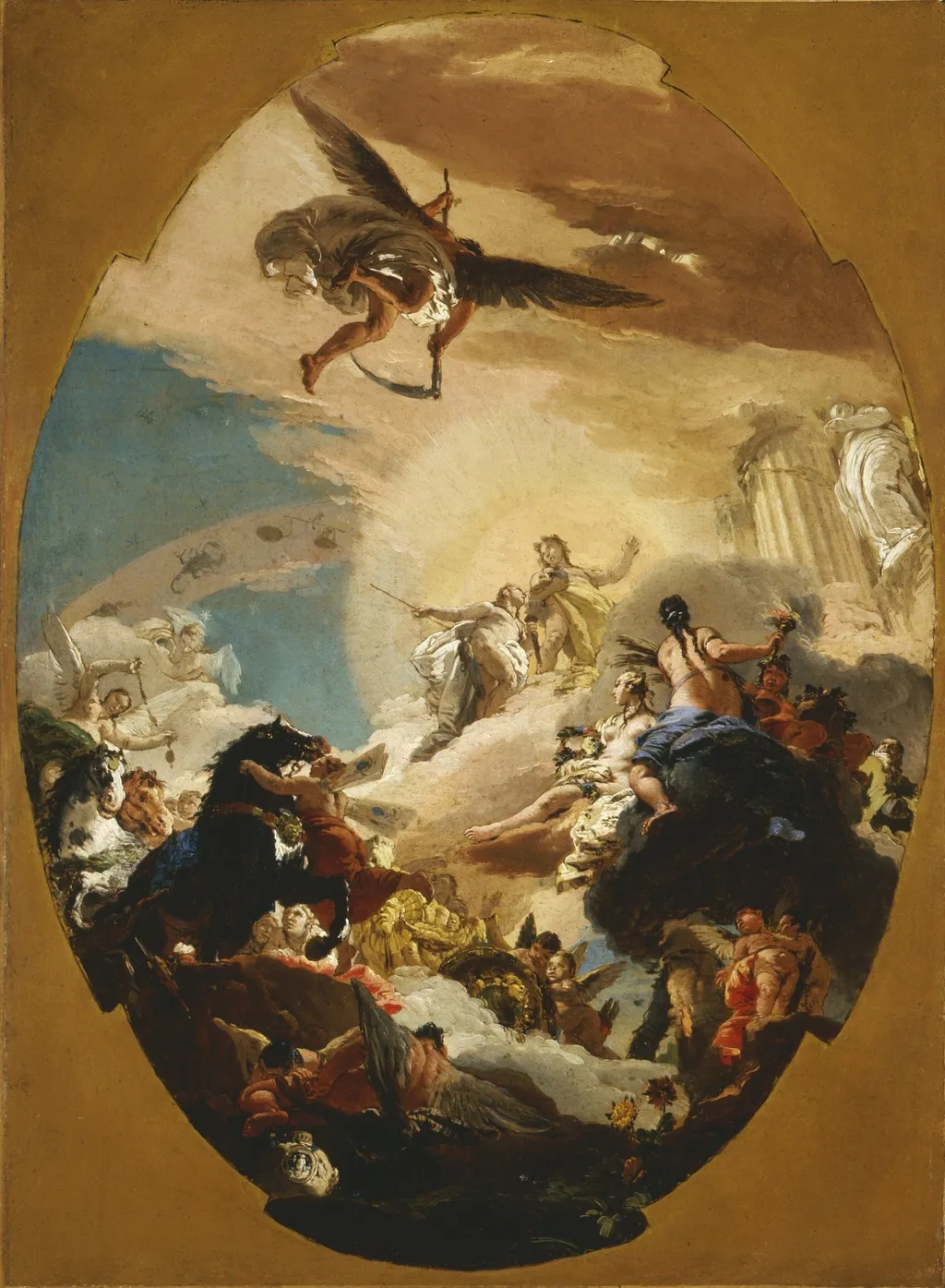
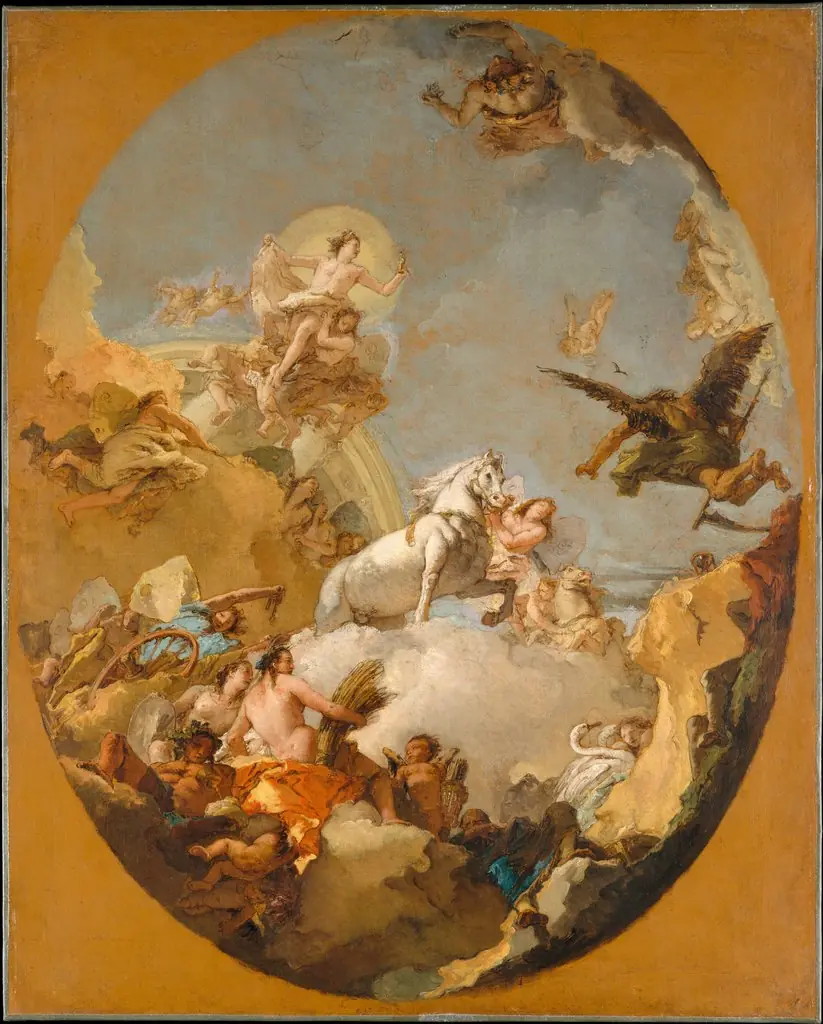
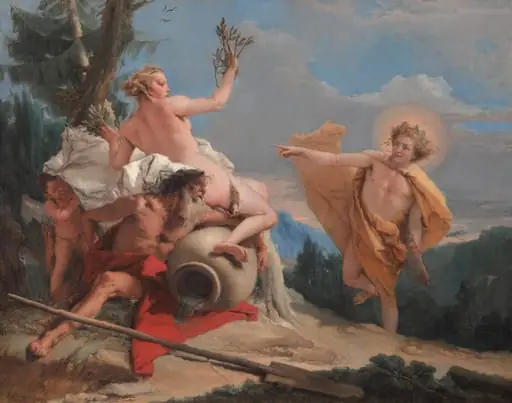
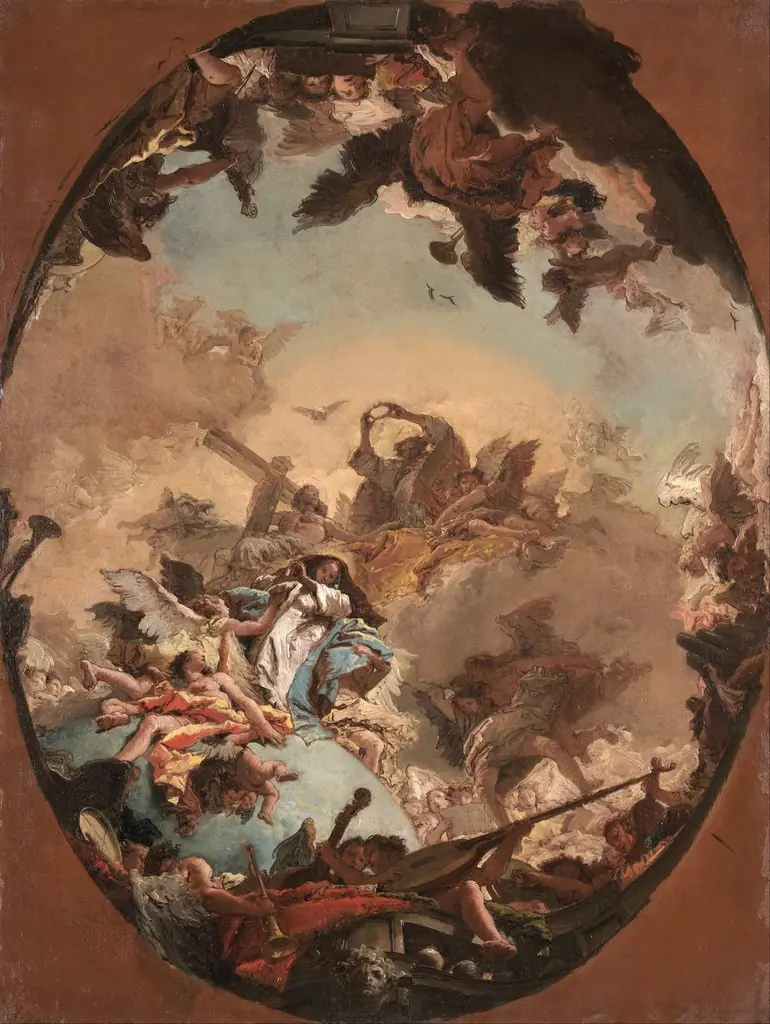
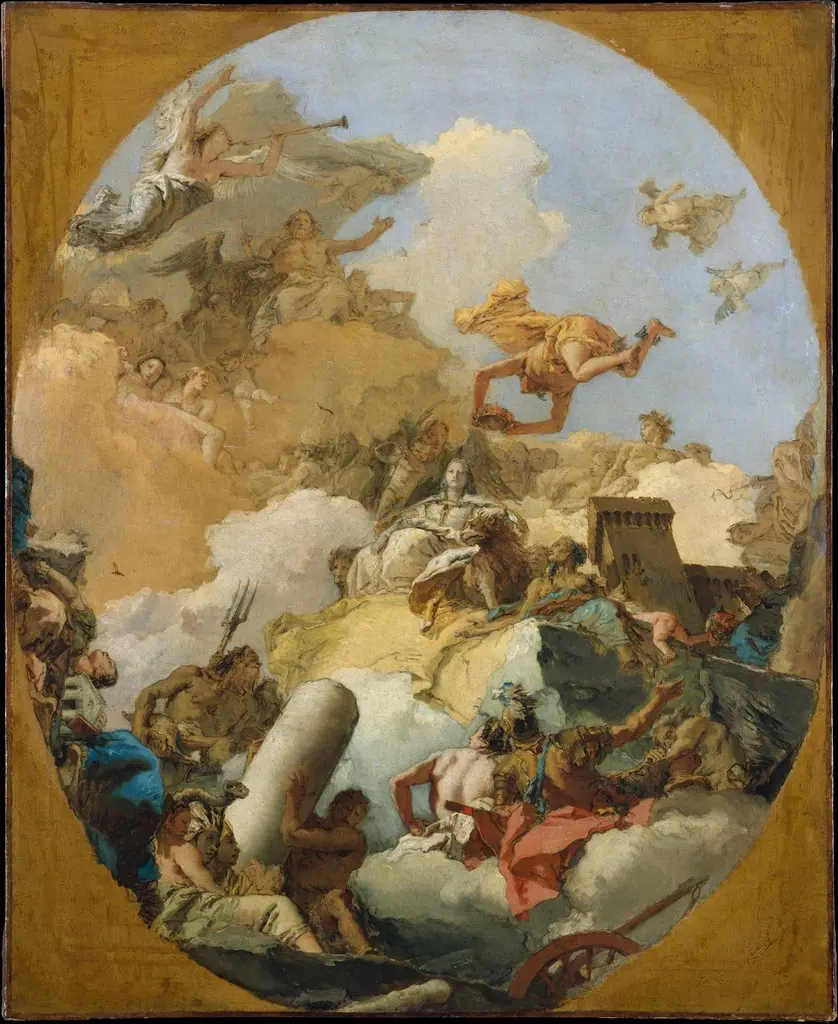
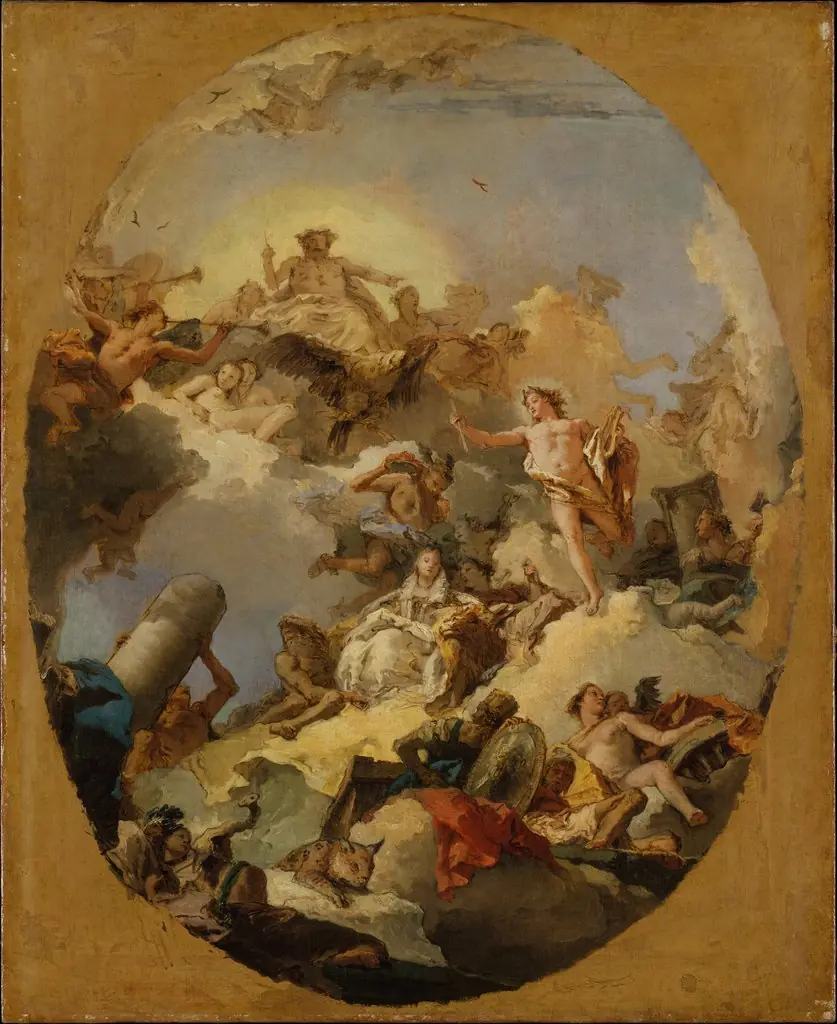
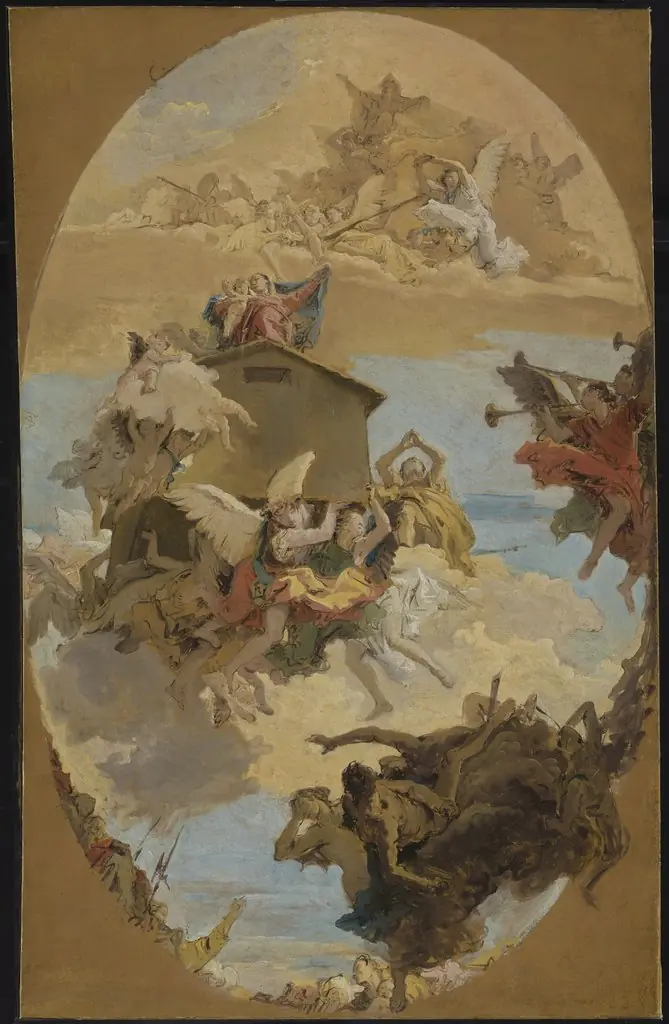
Apollo and Phaëthon is an oil painting by the Rococo painting artist Giovanni Battista Tiepolo. It dates from 1731 and is held in the collection of the Los Angeles County Museum of Art.
About this work
Overview
It is part of the collection at the Los Angeles County Museum of Art, where it remains a significant example of 18th-century Venetian narrative painting.
Painted in 1731 by Giovanni Battista Tiepolo, this oil work illustrates a moment from Greek myth involving the sun god Apollo and his son Phaëthon. Executed with dynamic composition and vivid color, the painting captures a climactic scene of divine intervention and human overreach. It is part of the collection at the Los Angeles County Museum of Art, where it remains a significant example of 18th-century Venetian narrative painting.
Subject & Meaning
The scene portrays Phaëthon’s failed attempt to drive his father Apollo’s chariot across the sky. As he loses control, the horses surge wildly, and Zeus intervenes by hurling a thunderbolt to stop him. Apollo, shown restraining the chariot, embodies divine authority, while Phaëthon’s fall signifies the peril of hubris. The surrounding figures, including celestial attendants, underscore the cosmic stakes of the myth.
Technique & Style
Tiepolo employs fluid brushwork and luminous color to convey motion and drama. The figures are rendered with elongated proportions and theatrical gestures, typical of Rococo sensibilities. The sky, rendered in swirling blues and whites, contrasts with the earth-toned garments of the figures. Architectural fragments in the background suggest classical antiquity without grounding the scene in a specific location, enhancing its mythic atmosphere.
History & Provenance
Commissioned during Tiepolo’s early career, the painting likely originated as part of a decorative cycle for a Venetian villa. It entered the Los Angeles County Museum of Art’s collection in the 20th century after passing through private European holdings. Its preservation reflects its status as a well-regarded work from the artist’s formative period, though its exact early ownership remains partially undocumented.
Context
Created during the height of Venetian Rococo, the painting aligns with a broader trend of mythological subjects used to display intellectual refinement and artistic virtuosity. Tiepolo’s contemporaries, including Canaletto and Guardi, also explored classical themes, but his emphasis on movement and celestial drama set his work apart. The painting reflects the era’s fascination with narrative spectacle and emotional intensity.
Legacy
Though not among Tiepolo’s most widely reproduced works, this painting exemplifies his mastery of large-scale mythological composition. It influenced later artists interested in dynamic figural arrangements and atmospheric depth. Its presence in a major American museum ensures continued study of his narrative techniques and the enduring appeal of classical myths in 18th-century visual culture.
Artist & collection

Artist
Giovanni Battista Tiepolo, also known as Giambattista Tiepolo, was an Italian painter and printmaker from the Republic of Venice who painted in the Rococo style, considered an important member of the 18th-century Venetian school.