Artwork
The Crucifixion
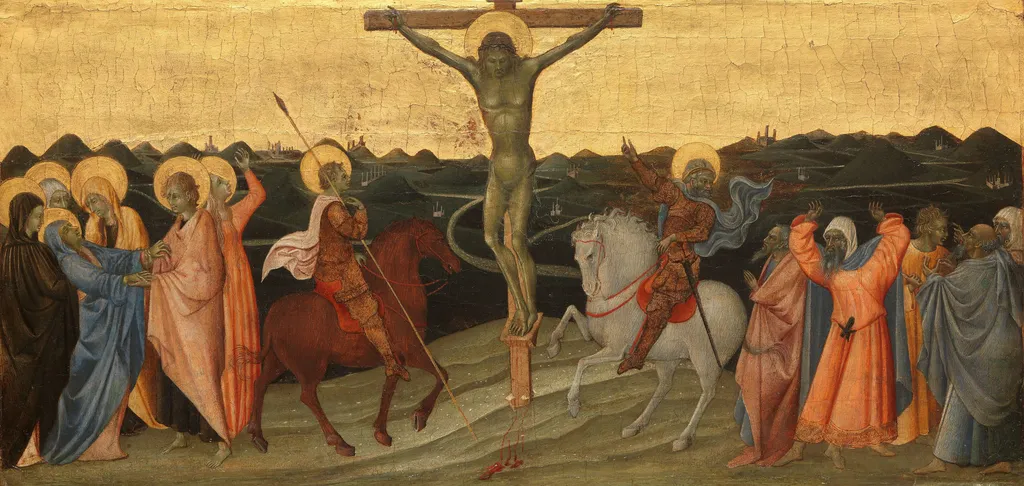
The Crucifixion is a tempera painting by the Early Renaissance artist Giovanni di Paolo. It dates from 1447 and is held in the collection of the Rijksmuseum.
About this work
Overview
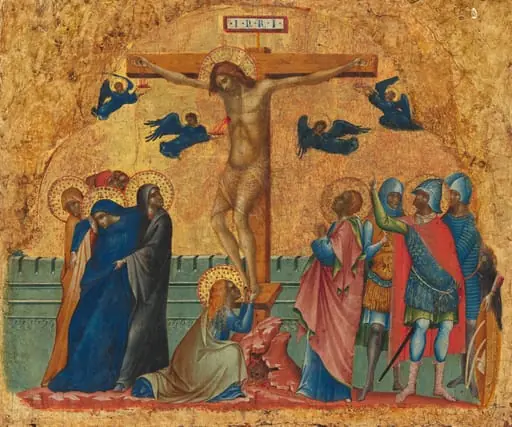
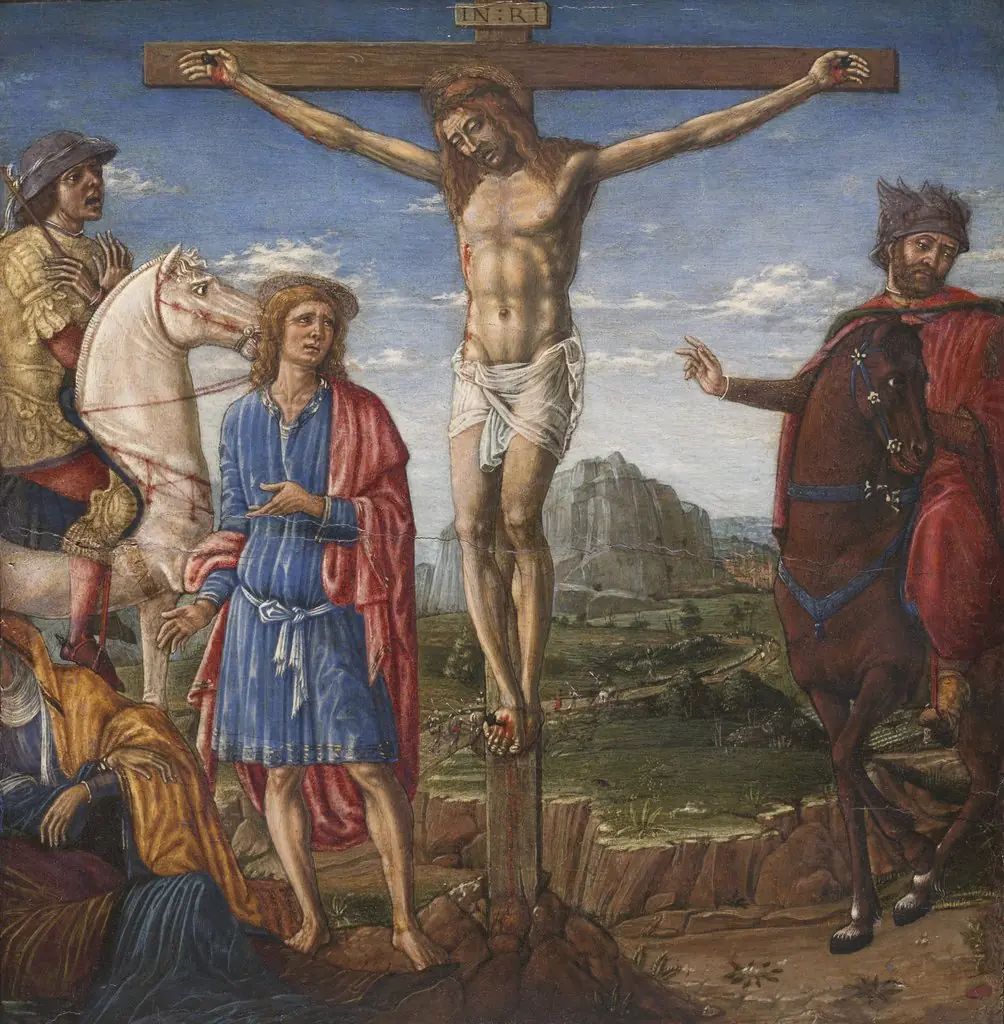
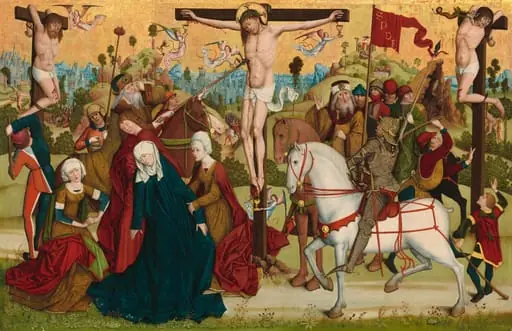
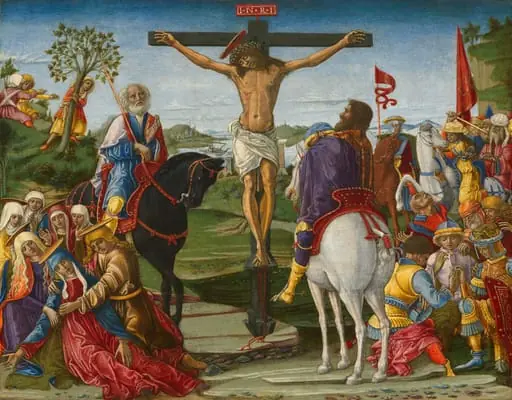
Giovanni di Paolo’s tempera work titled *The Crucifixion* dates to 1447 and is part of the Rijksmuseum’s collection. The central figure is the crucified Christ, surrounded by a vivid assembly of onlookers and soldiers set against a muted cityscape. The composition balances narrative intensity with a restrained, decorative palette typical of mid‑15th‑century Italian painting.
Subject & Meaning
The scene portrays the moment of Christ’s execution, emphasizing both his physical suffering and the emotional response of the surrounding crowd. Figures in bright garments display a range of reactions—grief, shock, and indifference—while a mounted soldier brandishes a spear, underscoring the violent context of the event. The work invites contemplation of sacrifice and communal witness.
Technique & Style
Executed in egg‑tempera, the painting employs flat, saturated hues without chiaroscuro, giving each form a crisp edge. The figures’ faces emit a subtle inner glow, a visual effect achieved through layered pigment washes. The absence of deep modeling highlights the decorative quality of the composition, aligning with the International Gothic sensibility prevalent in Siena at the time.
History & Provenance
Created in 1447, the panel remained in private hands before entering the Rijksmuseum’s holdings in the 20th century. Documentation traces its movement through several European collections, reflecting the broader interest in Italian devotional art among northern patrons. Its accession has allowed scholars to study di Paolo’s late style within a public context.
Context
The painted city in the background alludes to Jerusalem, while the stylized landscape situates the event within a timeless, symbolic space.
Giovanni di Paolo worked in the Sienese school, where narrative panels often combined vivid storytelling with ornamental detail. *The Crucifixion* reflects contemporary theological emphasis on the humanity of Christ and the collective responsibility of witnesses. The painted city in the background alludes to Jerusalem, while the stylized landscape situates the event within a timeless, symbolic space.
Own this work as a print
Artist & collection

Artist
Giovanni di Paolo di Grazia was an Italian painter, working primarily in Siena, becoming a prolific painter and illustrator of manuscripts, including Dante's texts.

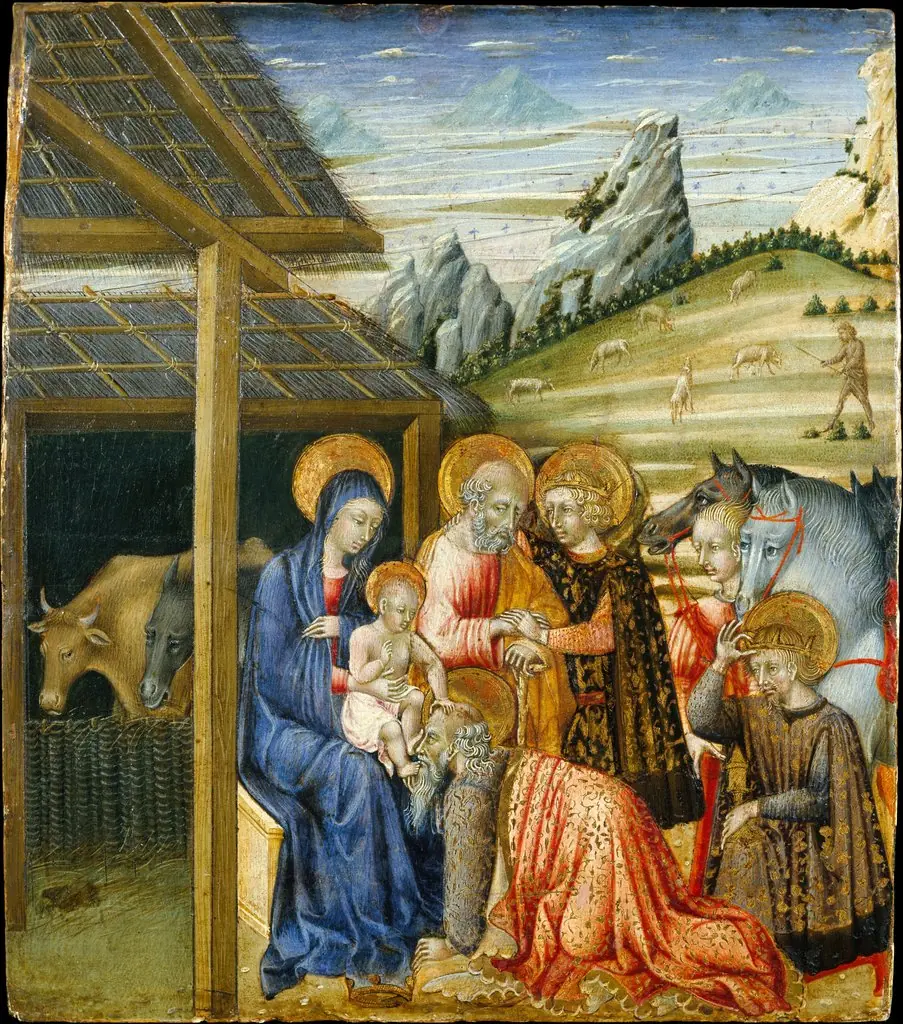 The Adoration of the Magi
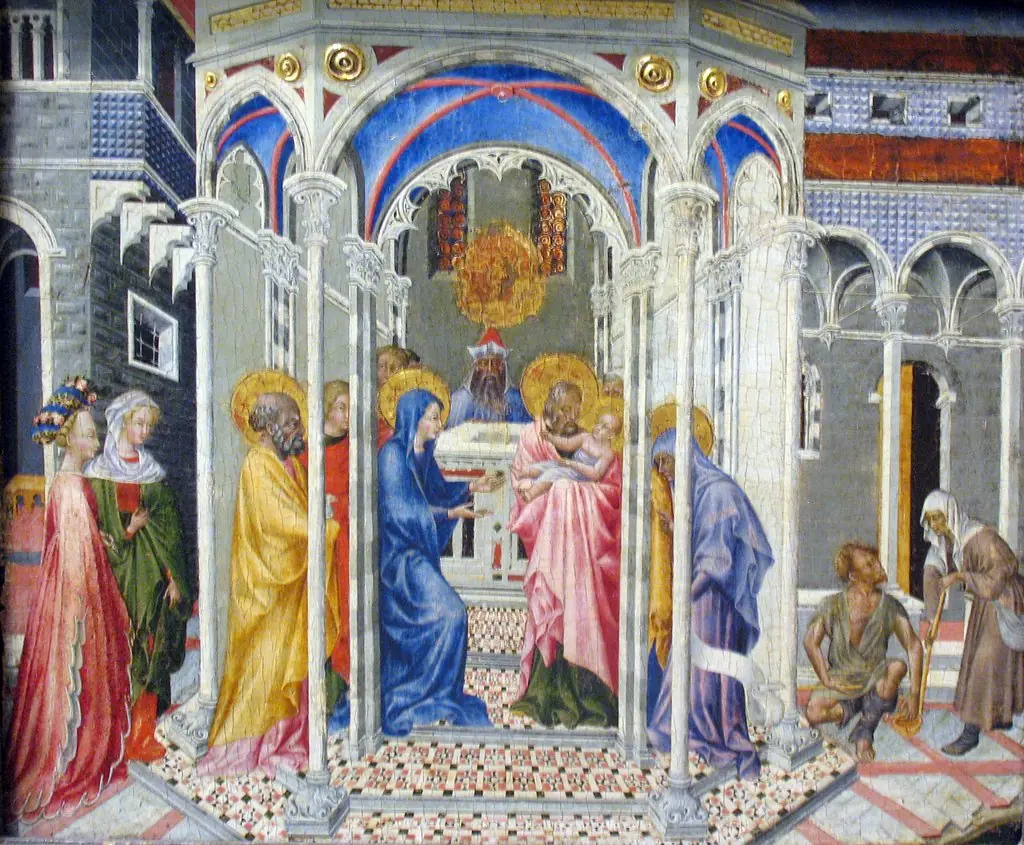 The Presentation of Christ in the Temple
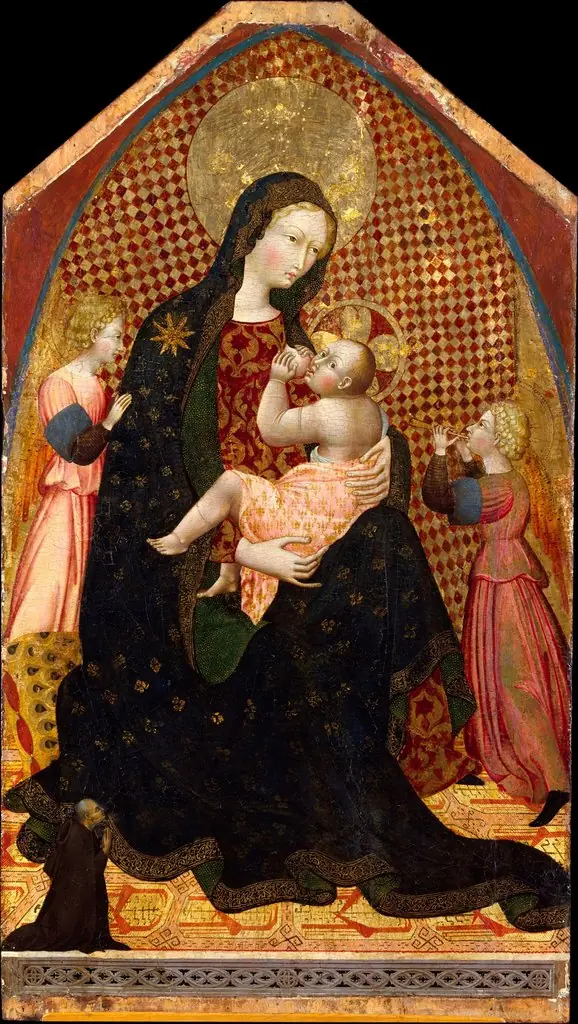 Madonna and Child with Two Angels and a Donor
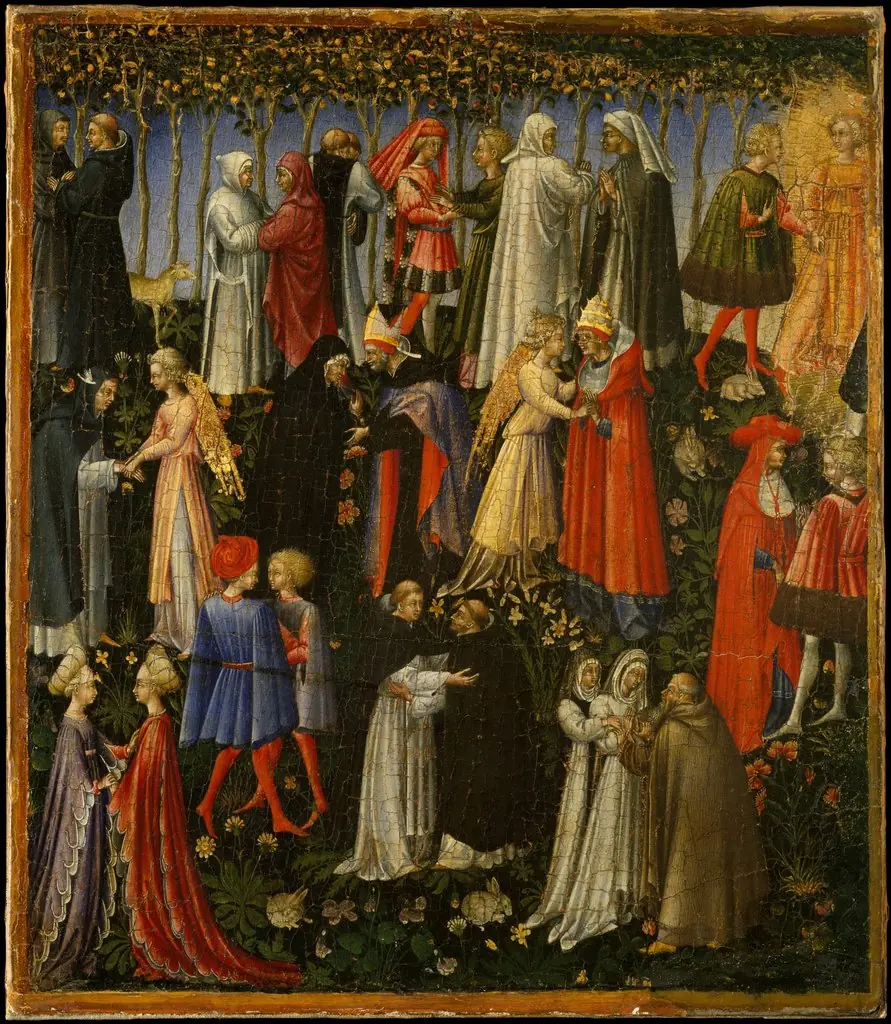 Paradise
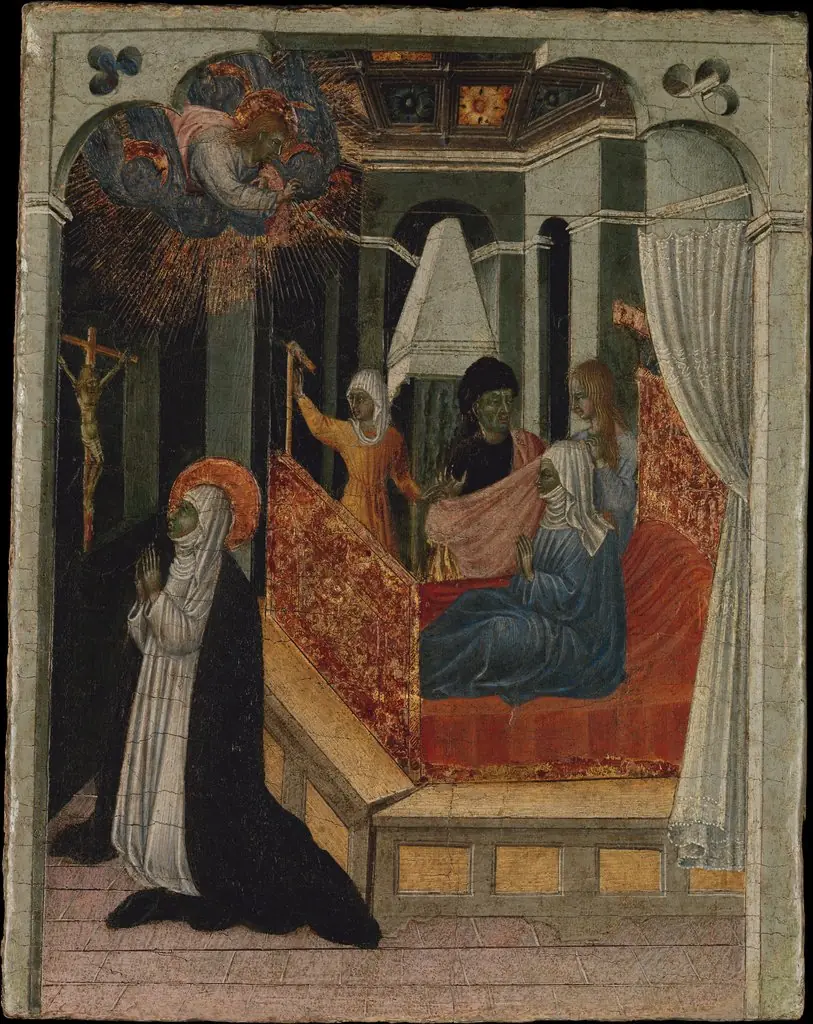 Saint Catherine of Siena Beseeching Christ to Resuscitate Her Mother
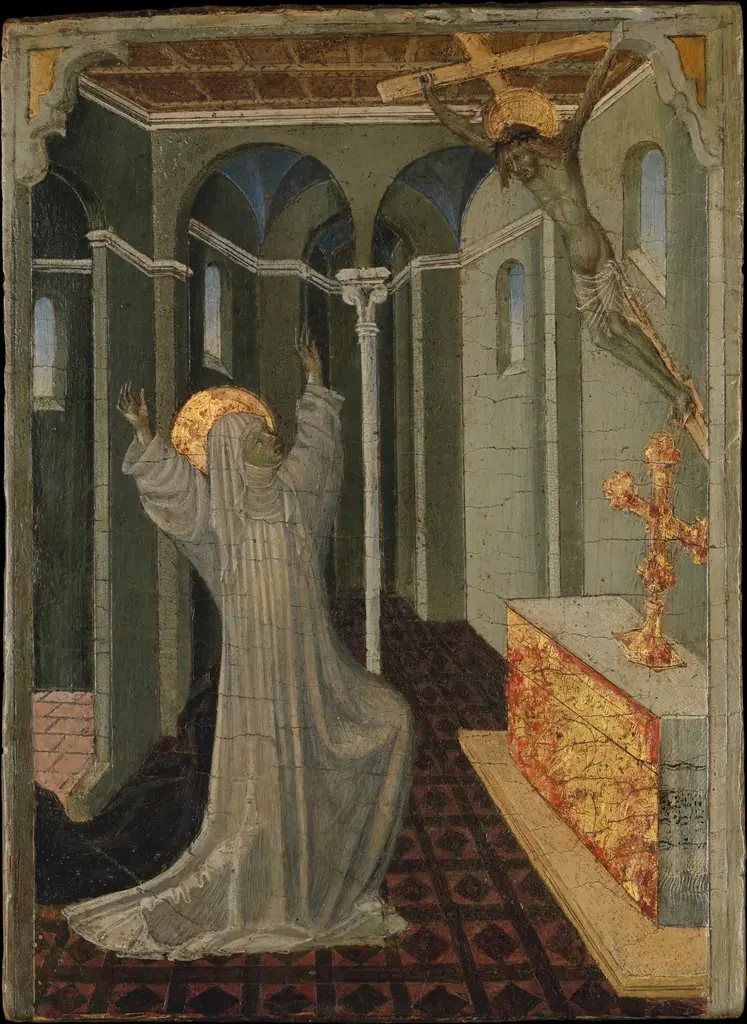 Saint Catherine of Siena Receiving the Stigmata
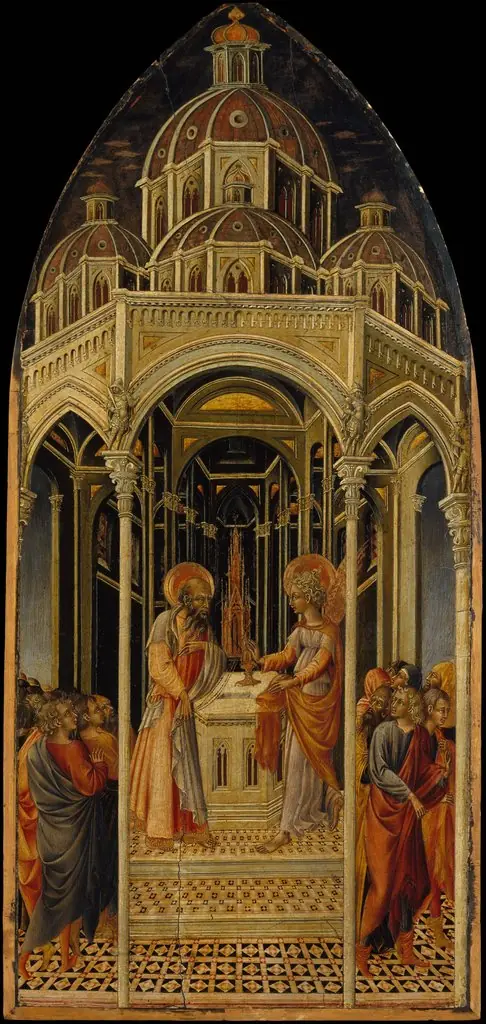 The Annunciation to Zacharias; (verso) The Angel of the Annunciation
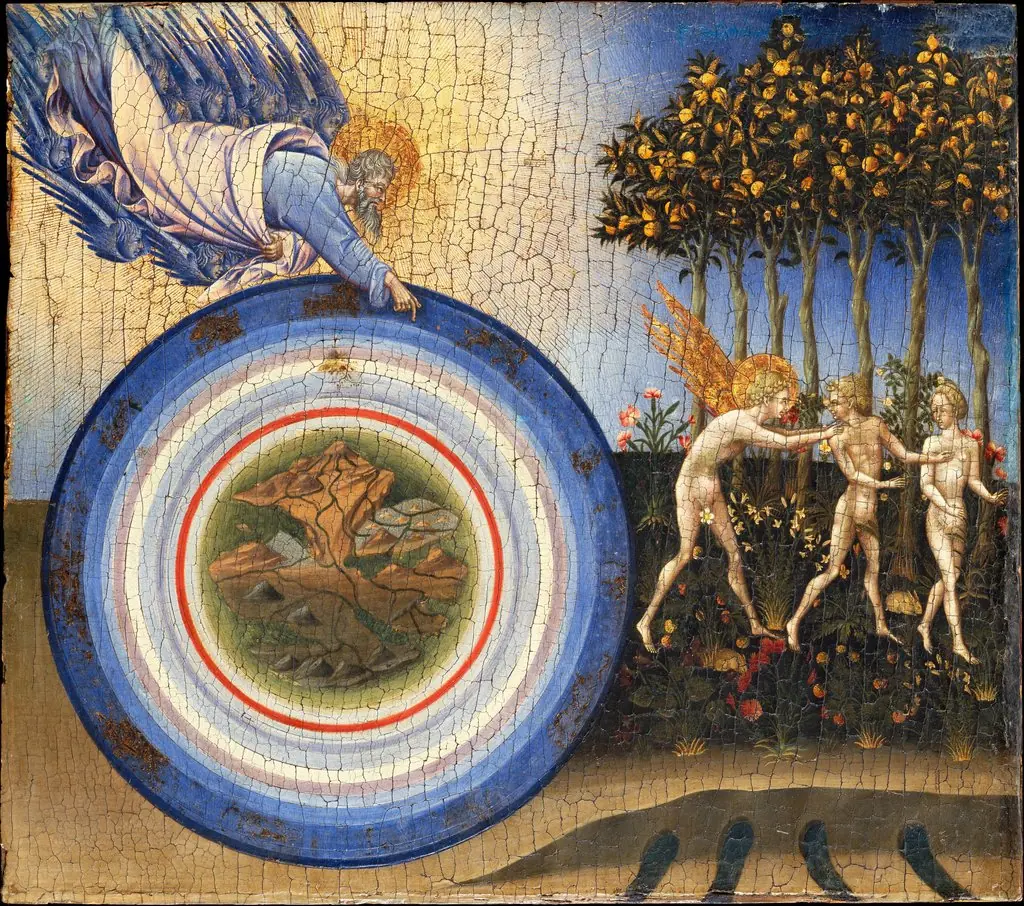 The Creation of the World and the Expulsion from Paradise