Artwork
Interior of the Pantheon, Rome
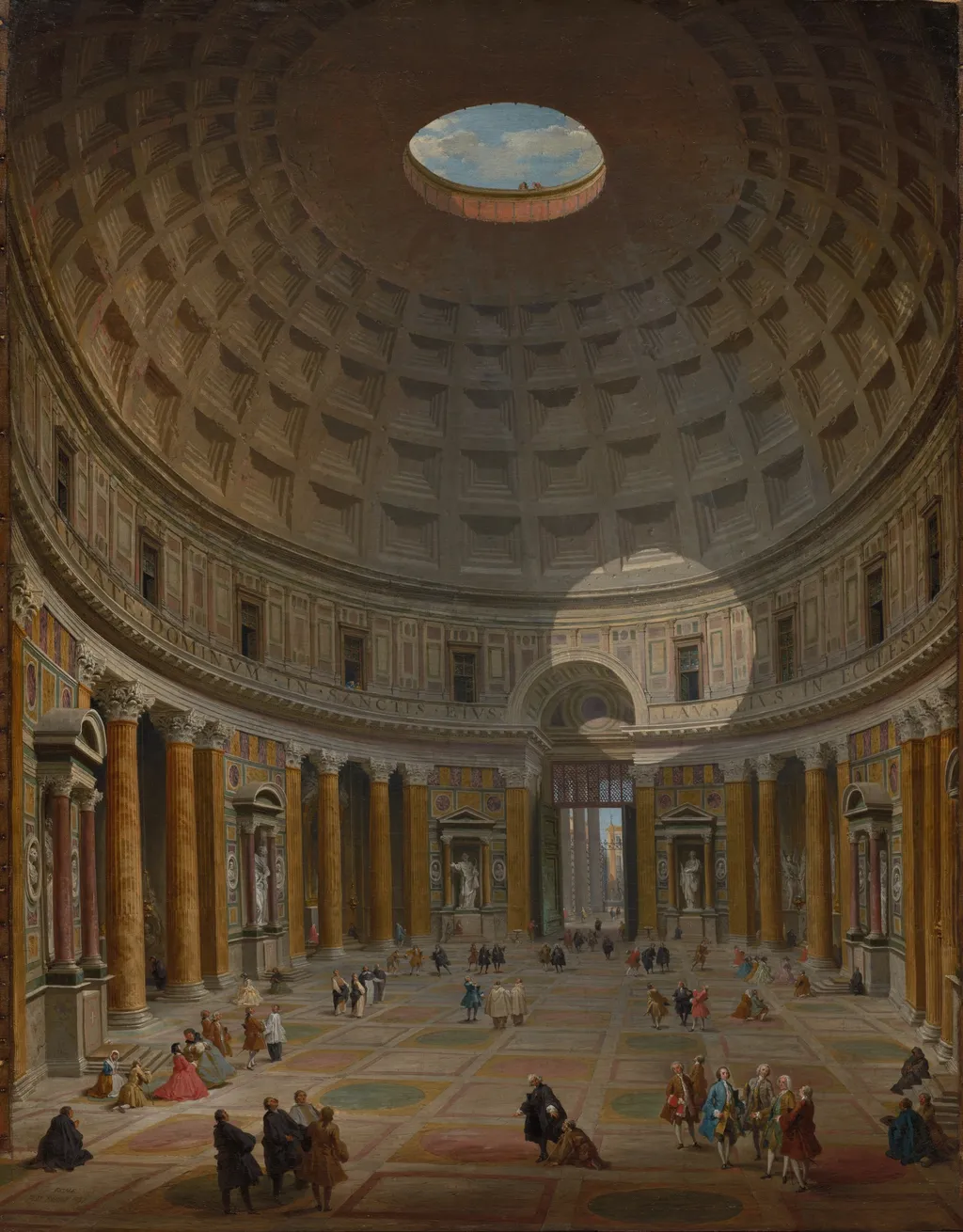
Interior of the Pantheon, Rome is an oil painting by the Rococo painting artist Giovanni Paolo Panini. It dates from 1747 and is held in the collection of the Cleveland Museum of Art.
About this work
Overview
Giovanni Paolo Panini’s oil painting, executed in 1747, presents an interior view of Rome’s Pantheon. The composition captures the vast circular space, its towering columns, and the monumental dome, while figures animate the scene, strolling, conversing, and pausing amid the marble floor’s patterned tiles. The work is part of the Cleveland Museum of Art’s collection.
Subject & Meaning
The canvas records a bustling moment within the ancient temple, emphasizing the Pantheon’s architectural grandeur and its continued use as a public gathering place. By populating the sacred space with contemporary visitors, Panini underscores the continuity between Rome’s classical past and its 18th‑century urban life, inviting viewers to contemplate the endurance of monumental design.
Technique & Style
Rendered in oil on canvas, the painting displays Panini’s precise draftsmanship and careful handling of light. The luminous aperture at the dome’s apex diffuses daylight across the interior, while the varied hues of the floor’s squares and circles create a subtle chromatic rhythm. The work reflects Rococo’s decorative elegance combined with the exacting detail typical of veduta painting.
History & Provenance
Created during Panini’s mature period, the piece exemplifies his reputation as a leading vedutista in Rome. After remaining in private hands for several decades, it entered the collection of the Cleveland Museum of Art, where it has been displayed as a representative example of 18th‑century Roman architectural painting.
Context
Panini’s career bridged painting and architecture, and his vedute catered to the Grand Tour market, offering travelers visual souvenirs of Rome’s landmarks. The Pantheon, a former pagan temple repurposed as a Christian church, was a focal point for such travelers, and Panini’s depiction aligns with the period’s fascination with antiquity and the decorative sensibilities of the Rococo era.
Own this work as a print
Artist & collection
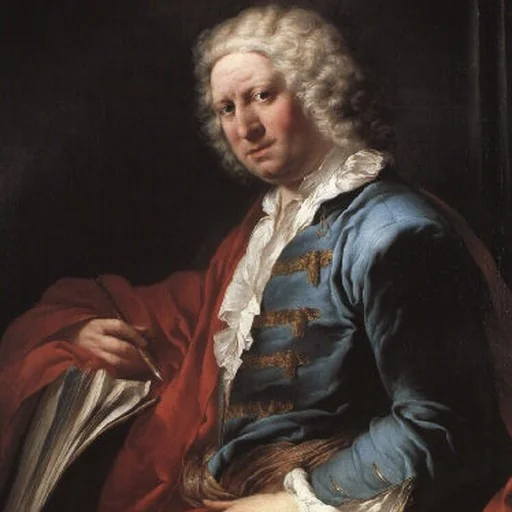
Artist
Giovanni Paolo, also known as Gian Paolo Panini or Pannini (17 June 1691 – 21 October 1765), was an Italian Baroque painter and architect who worked in Rome and is primarily known as one of the vedutisti ("view painters").