Artwork
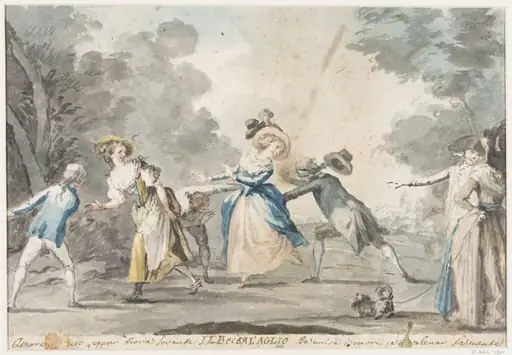
Two boys playing a variation of Blind Man's Buff
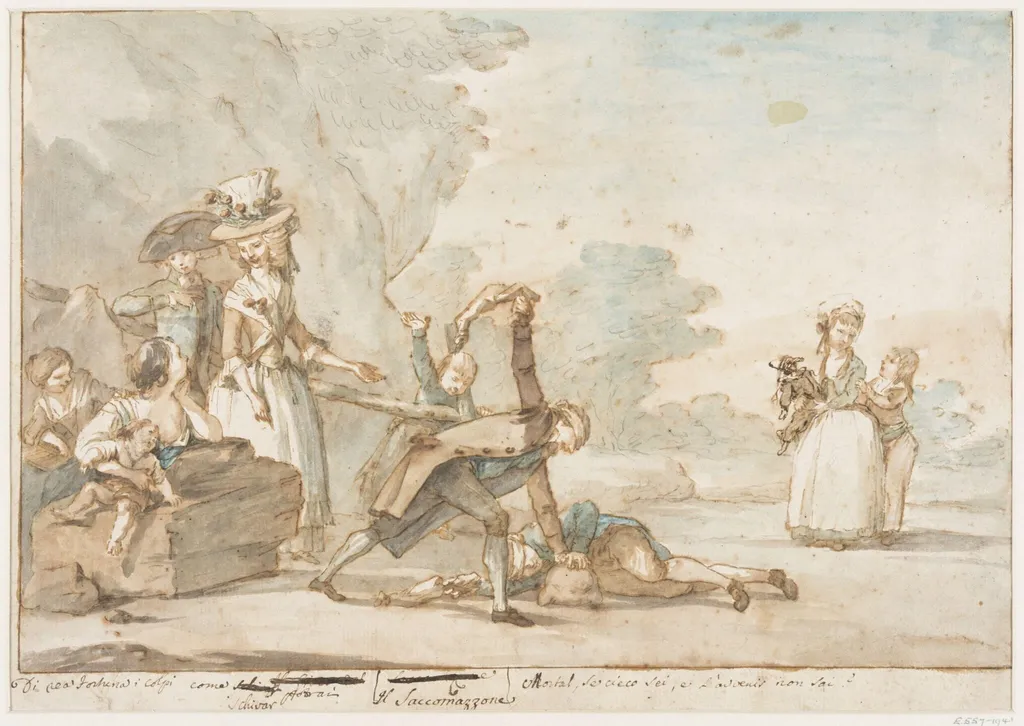
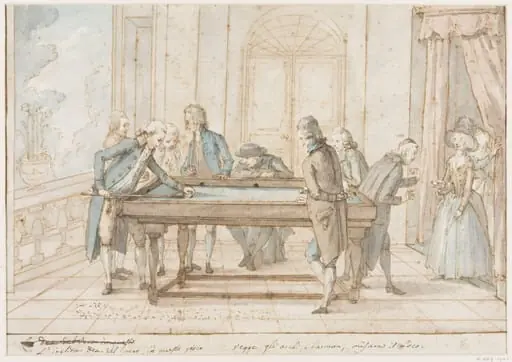
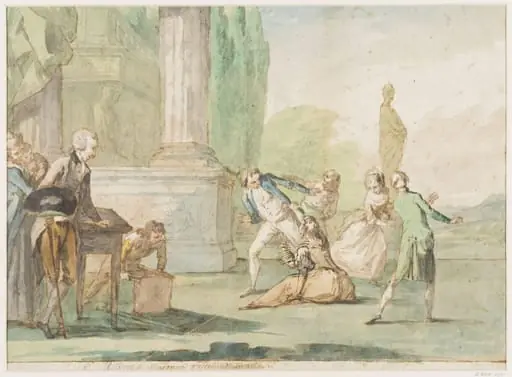
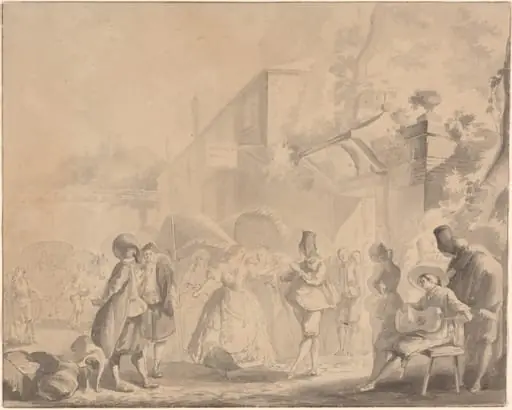
Two boys playing a variation of Blind Man's Buff is a watercolor work on paper by the Rococo painting artist Giuseppe Piattoli. It dates from 1784 and is held in the collection of the Victoria and Albert Museum.
About this work
Overview
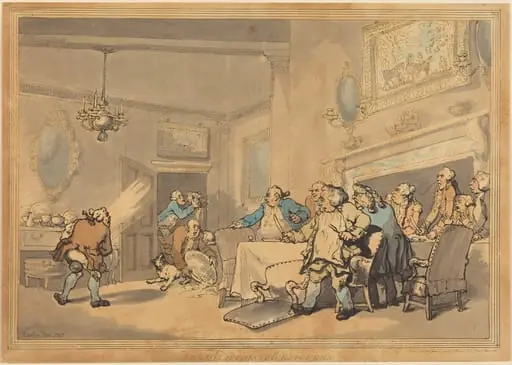
This 1784 watercolour by Giuseppe Piattoli captures a spontaneous moment of childhood play, depicting two boys engaged in a variant of Blind Man's Buff.
This 1784 watercolour by Giuseppe Piattoli captures a spontaneous moment of childhood play, depicting two boys engaged in a variant of Blind Man's Buff. Executed in loose, rapid strokes with pen, pencil, and watercolour, the work conveys motion and fleeting emotion rather than polished detail. The scene unfolds in an open, lightly sketched landscape, suggesting an outdoor setting with minimal environmental definition.
Subject & Meaning
The composition centers on a blindfolded boy stumbling mid-fall, while his companion gestures with laughter, emphasizing the game’s physicality and humor. A small group of onlookers—women and children—observe from the periphery, their presence reinforcing the social nature of the activity. The Italian inscription at the base introduces a literary tone, possibly quoting a proverb or poetic line, adding a layer of cultural resonance to the everyday scene.
Technique & Style
Piattoli employs a fluid, sketch-like approach, using diluted watercolour and quick ink lines to suggest form without definition. The bare tree and hazy sky are rendered with minimal washes, creating atmospheric depth without detail. The boys’ movements are captured in dynamic, almost gestural strokes, prioritizing energy over precision. This method reflects a preference for immediacy, aligning with informal observational drawing traditions of the period.
History & Provenance
Created in 1784, the work originates from Piattoli’s period of activity in Italy, where he frequently documented domestic and rural life. Its survival as a small-scale watercolour suggests it was likely a personal study or private keepsake rather than a commissioned piece. No documented exhibition history or early ownership records are known, but its survival indicates continued interest in informal genre scenes from the late 18th century.
Context
In late 18th-century Italy, artists increasingly turned to scenes of everyday life, moving away from grand historical or religious themes. Piattoli’s work reflects this shift, capturing unposed moments with empathy and wit. The inclusion of an Italian text echoes contemporary literary trends that sought to elevate ordinary subjects through poetic framing, bridging visual art and vernacular culture.
Legacy
Though not widely exhibited, this watercolour exemplifies a quiet but persistent trend in pre-Romantic European art: the celebration of transient, emotionally resonant moments. Its informal technique and focus on childhood play anticipate later Romantic interests in spontaneity and human feeling, offering a subtle precursor to more overtly emotional depictions of daily life in the 19th century.
Artist & collection

Artist
Giuseppe Piattoli the Younger was an Italian painter and engraver, active mainly in Florence.