Artwork
Vânătoare de bâtlani
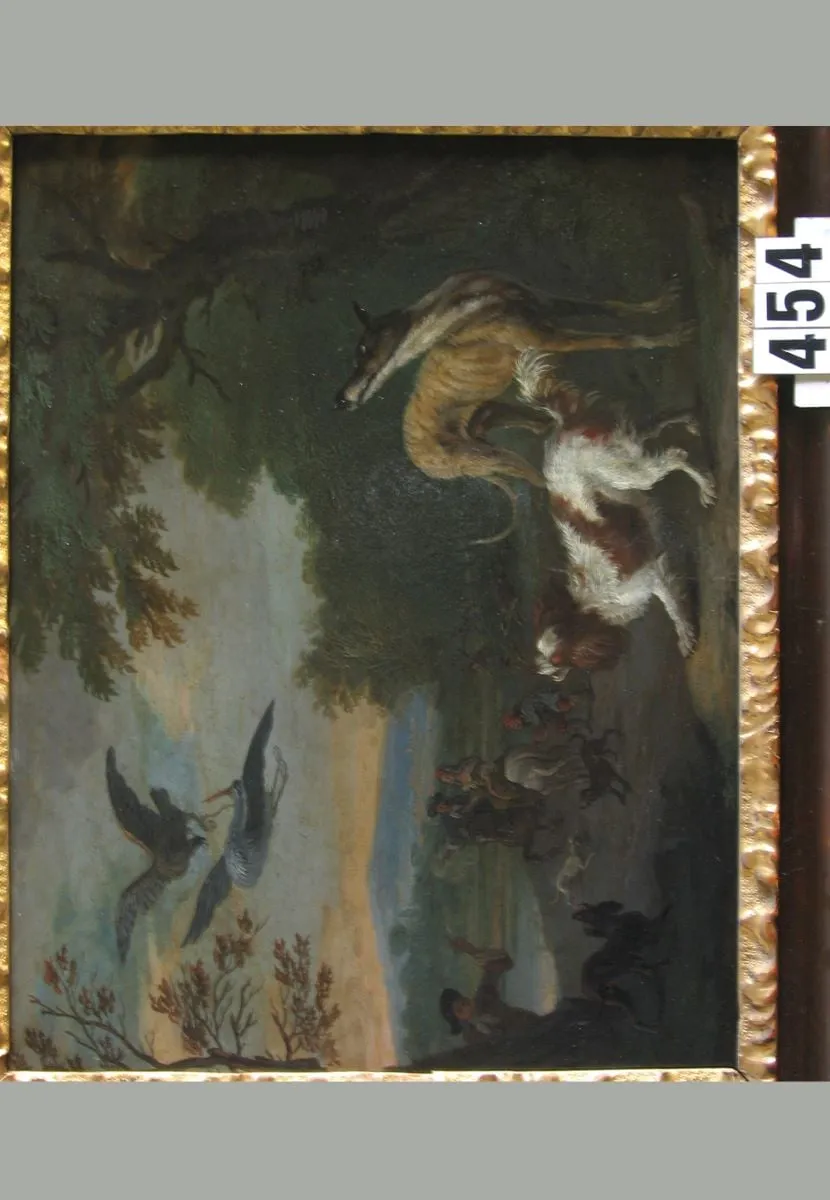
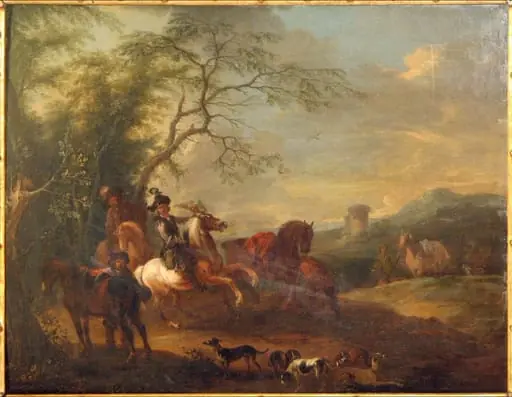
Vânătoare de bâtlani is an unspecified painting by the Baroque artist Adriaen de Gryeff. It is held in the collection of the Brukenthal National Museum.
About this work
Overview
The image titled Vânătoare de bâtlani depicts a solitary hunter positioned in a reed‑woven boat, poised with a long pole as waterfowl take flight over a tranquil surface. The composition is dominated by muted greens and blues, while the hunter’s vivid red garment provides a striking visual contrast, drawing attention to the central act of pursuit.
Subject & Meaning
The scene illustrates a traditional form of bird hunting that relies on a bâton—a long wooden stick used to strike or spear water birds—rather than firearms. By showing the hunter in a moment of anticipation, the work conveys the skill and patience required for this age‑old practice, emphasizing a harmonious yet competitive relationship between human and nature.
Technique & Style
Rendered as a photographic image, the work employs a shallow depth of field that isolates the figure and the scattering ducks against the expansive water. The use of saturated red against a subdued palette highlights the cultural specificity of the attire, while the composition’s diagonal line created by the pole guides the viewer’s eye through the action.
History & Provenance
Vânătoare de bâtlani is part of the collection of the Museum of Ethnography, where it is catalogued among visual documents of traditional hunting methods. The piece was acquired by the museum in the early twenty‑first century, reflecting the institution’s commitment to preserving ethnographic visual records of regional customs.
Context
The image records a hunting technique once common in low‑lying riverine communities, where reed boats provided stealthy access to shallow waters. The bâton method predates widespread firearm use and remains a cultural marker of subsistence practices tied to seasonal migrations of waterfowl across the wetlands.
Artist & collection
Artist
Adriaen de Gryeff loved the cold morning light over Dutch marshes—he’d set up his easel before dawn, brushes stiff with half-frozen paint, just to catch the ducks taking off.

 Luptă de cavalerie la marginea codrului
 Stilleven met jachtbuit
 Landskap
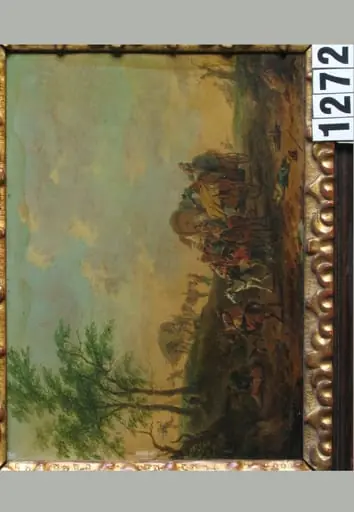 Atacul hoților (în registrul inventar: Hoți atacând pe neașteptate)
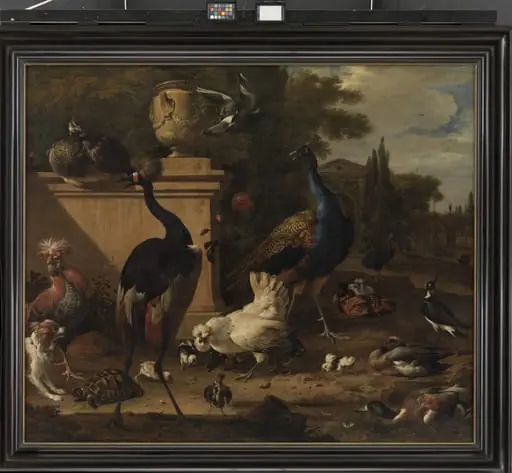 Hen Run at a Manor
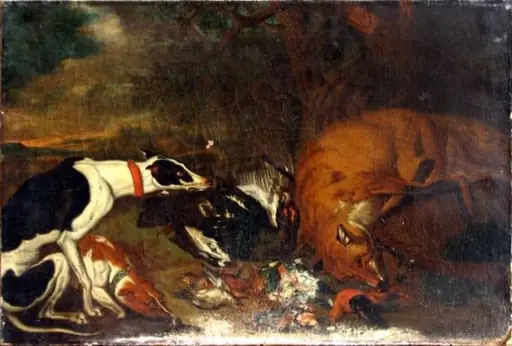 Vânat păzit de doi câini ; pandant: Vânat păzit de câini
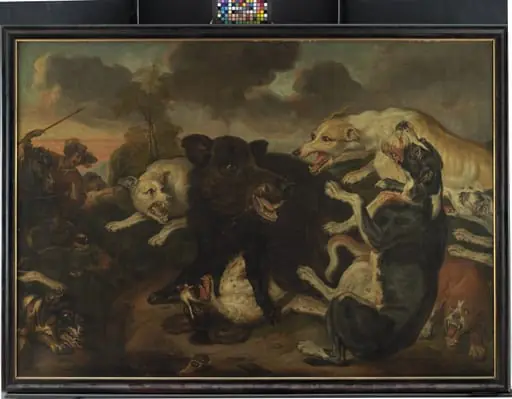 A Boar Hunt
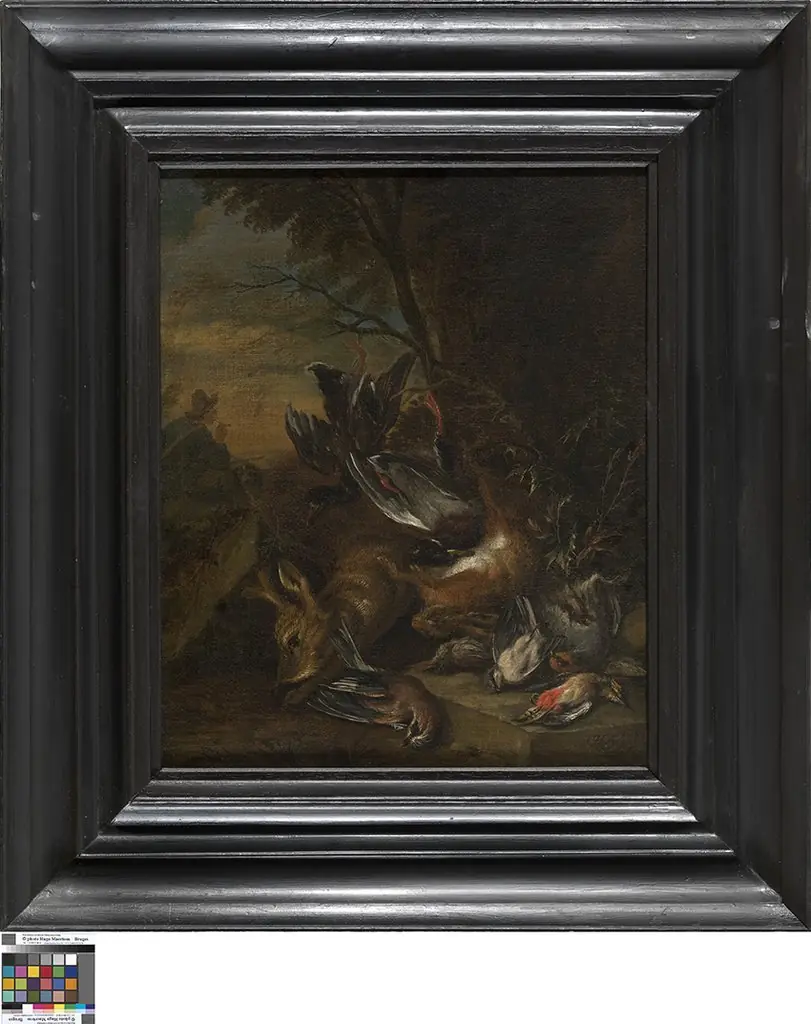 Stilleven met jachtbuit
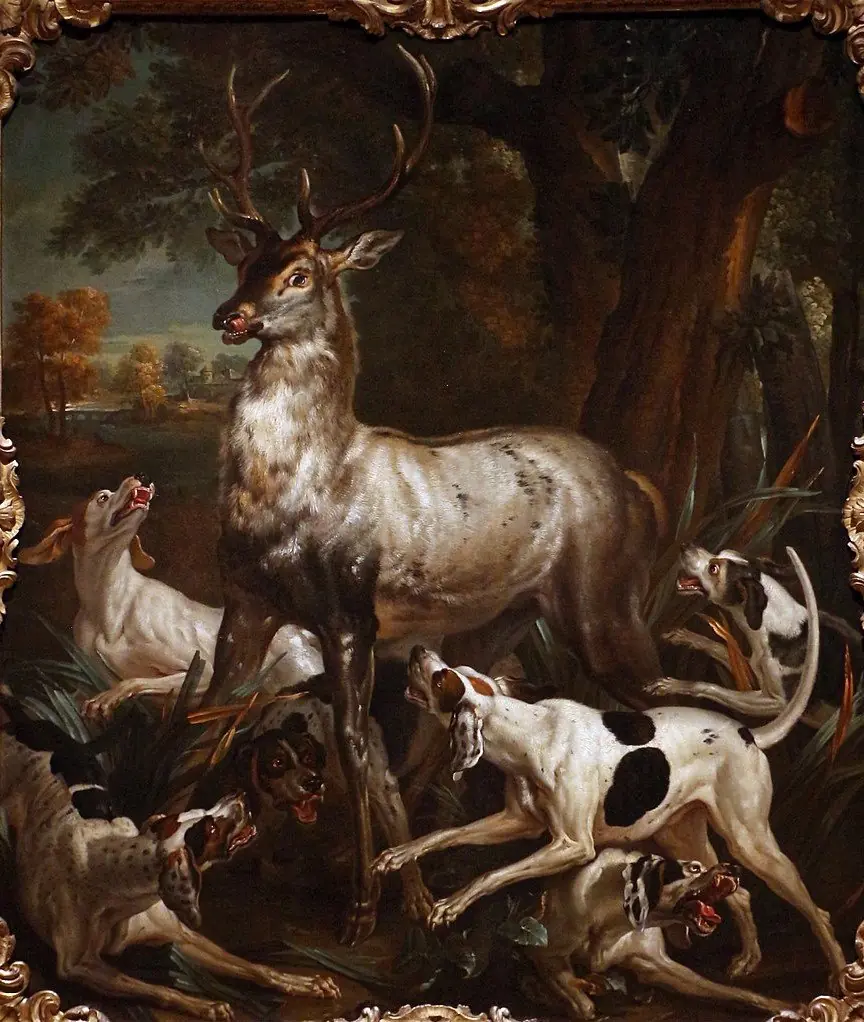 Caça ao veado
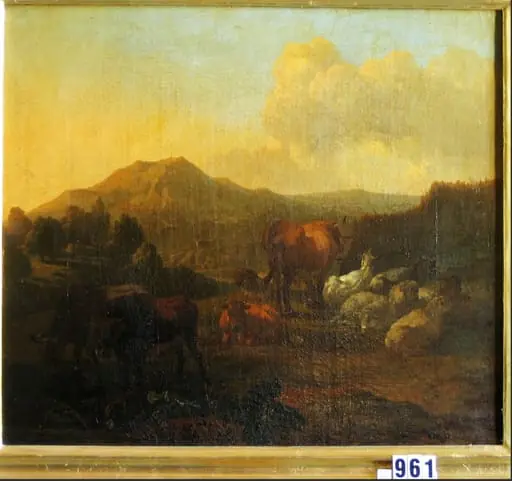 Peisaj cu animale
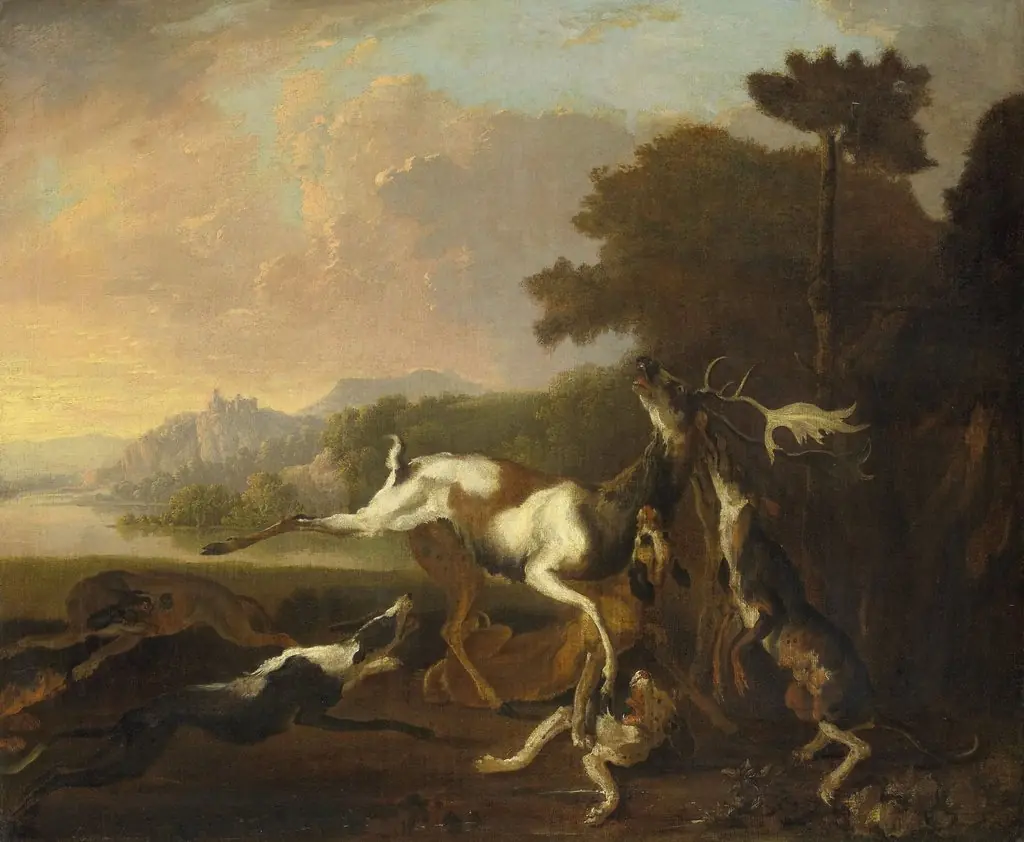 The deer hunt
 Plecarea la vânătoare; pandant: Întoarcerea de la vânătoare