Artwork
Circumcision of Christ
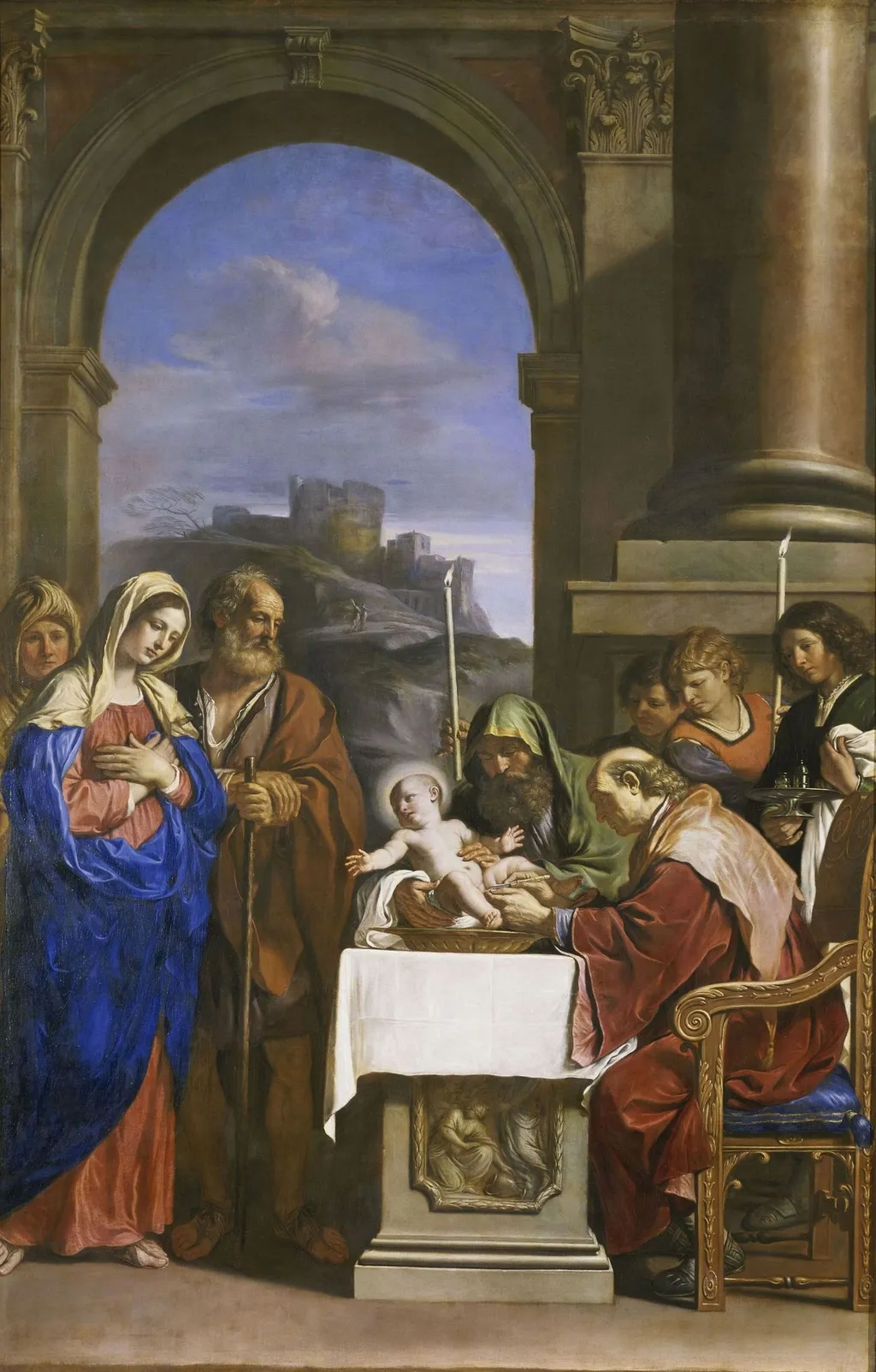
Circumcision of Christ is an oil painting by the Early Baroque Italian artist Guercino. It dates from 1646 and is held in the collection of the Museum of Fine Arts of Lyon.
About this work
Overview
Painted in 1646 by Guercino, this oil on canvas depicts the ritual circumcision of the infant Jesus, a moment prescribed by Jewish law eight days after birth.
Painted in 1646 by Guercino, this oil on canvas depicts the ritual circumcision of the infant Jesus, a moment prescribed by Jewish law eight days after birth. Commissioned as the high altarpiece for a Bolognese church, the work was originally part of a larger devotional ensemble that included a painted lunette now held separately. It entered the Musée des Beaux-Arts de Lyon in 1811, where it remains today.
Subject & Meaning
The scene captures the moment Christ’s foreskin is removed by a priest, affirming his humanity and entry into the covenant of Abraham. Mary and Joseph observe solemnly, while other figures—likely family or temple attendants—look on with varied expressions. The setting, a modest stone interior with a glimpse of sky, grounds the sacred act in everyday space, emphasizing its ritual significance over celestial grandeur.
Technique & Style
Guercino employs chiaroscuro to model the figures with dramatic lighting, enhancing the emotional weight of the moment. Richly rendered textiles—blue robes, crimson linens—contrast against earth-toned walls, creating spatial depth. Facial expressions are subtly nuanced, avoiding theatricality. The composition is tightly grouped, directing focus to the central act while maintaining a quiet, reverent atmosphere.
History & Provenance
Created for the high altar of a church in Bologna, the painting originally included a painted lunette above depicting God the Father and the Holy Spirit, now in Bologna’s Pinacoteca Nazionale. Three preparatory ink drawings survive in the Royal Collection and the Brera, alongside two studies of the Virgin’s drapery. The main panel was moved to Lyon in 1811, likely during Napoleonic-era redistributions of religious art.
Context
In mid-17th-century Italy, depictions of the Circumcision were common in devotional art, reflecting Counter-Reformation emphasis on Christ’s humanity and obedience to Mosaic law. Guercino’s approach, rooted in Bolognese naturalism, avoids idealization, aligning with contemporary theological calls for accessible, emotionally resonant imagery in sacred settings.
Legacy
Though not widely reproduced, the painting exemplifies Guercino’s mature style—balanced composition, restrained emotion, and precise handling of light and texture. Its survival intact, alongside preparatory studies, offers insight into his working process. The separation of its original lunette underscores how religious artworks were dispersed and recontextualized in the post-Reformation era.
Artist & collection
Artist
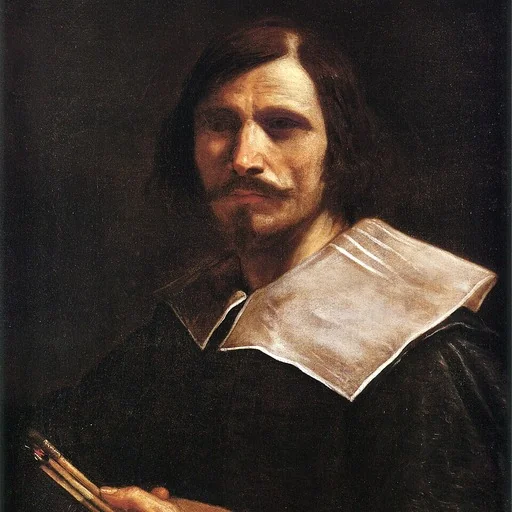
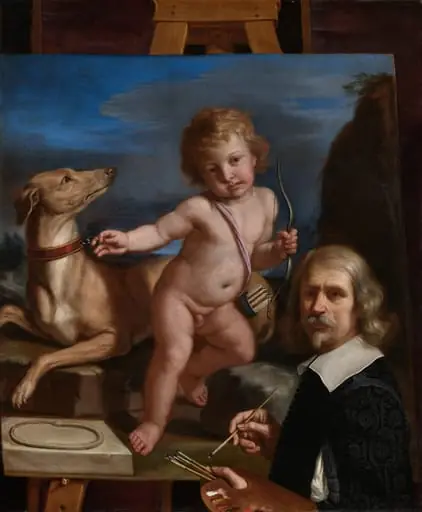
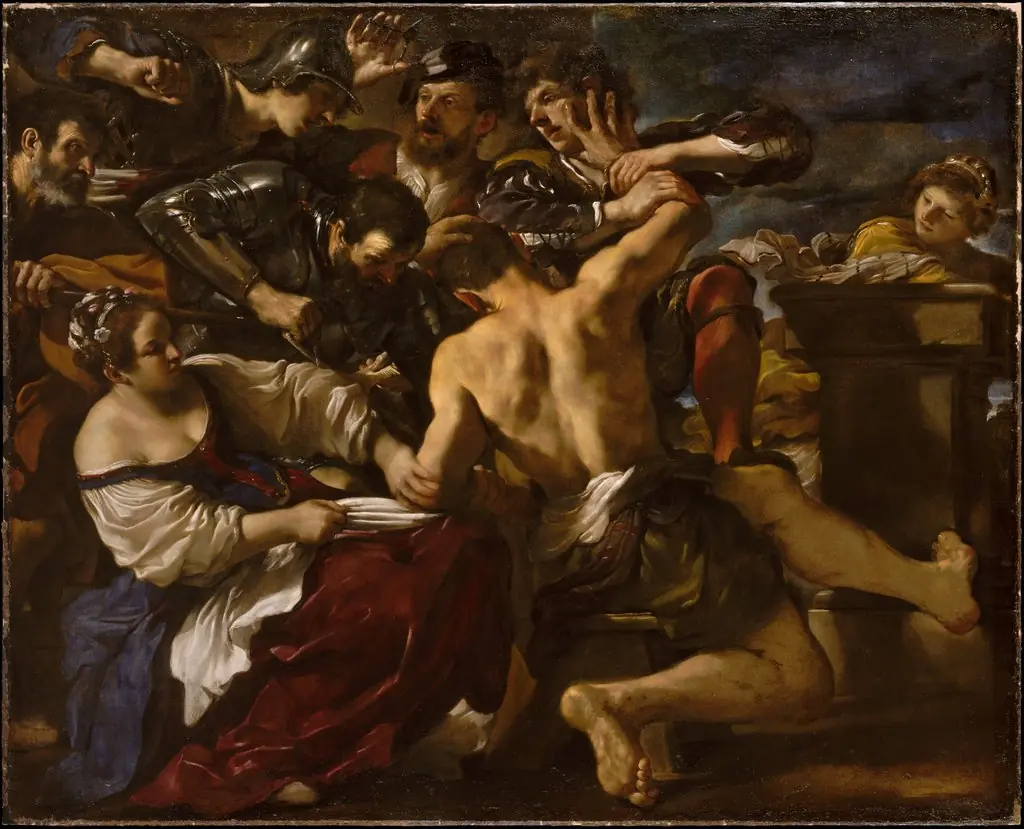
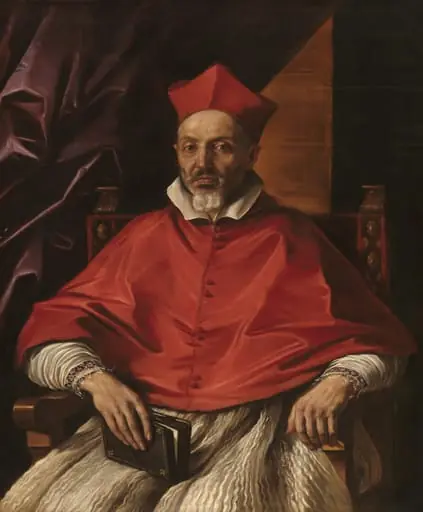
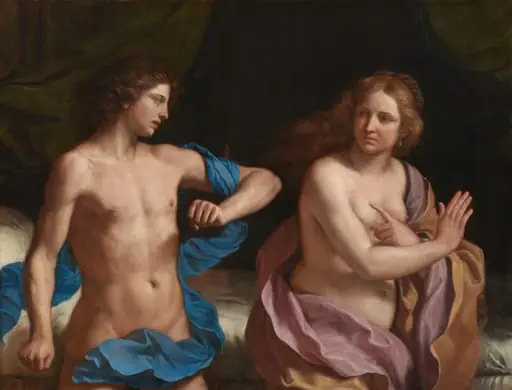
Giovanni Francesco Barbieri (8 February 1591 – 22 December 1666), better known as (il) Guercino (Italian pronunciation: ), was an Italian Baroque painter and draftsman from Cento in the Emilia region, who was active in Rome and Bologna.

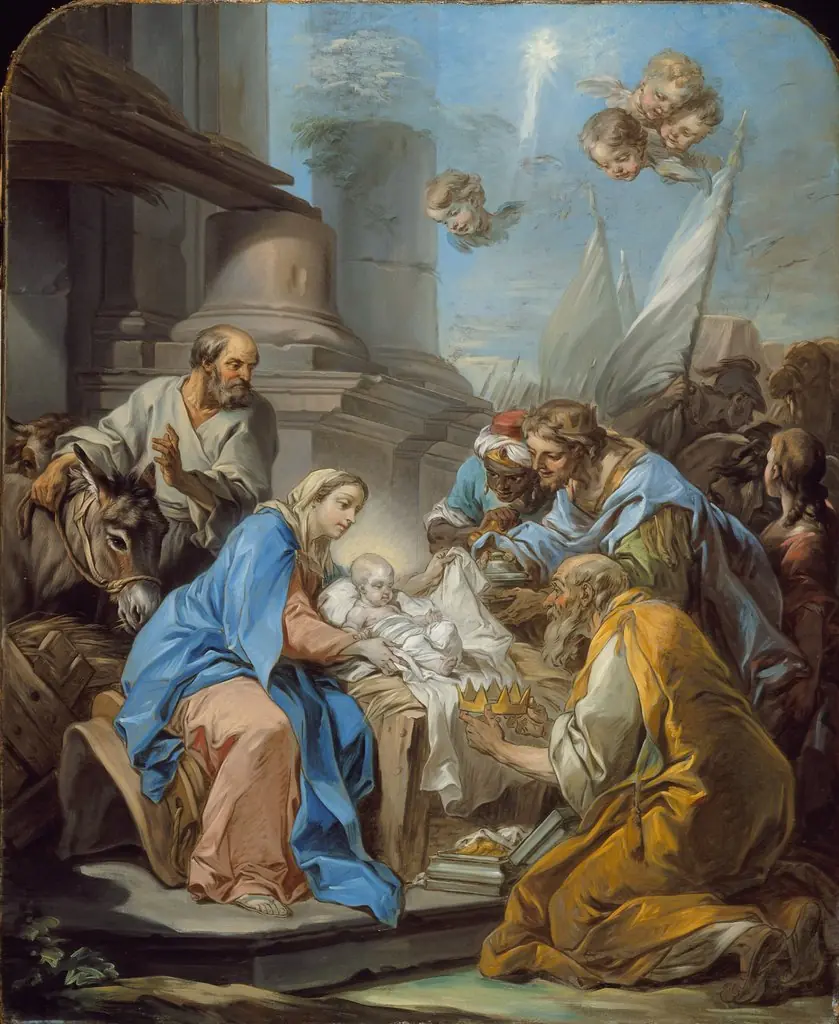 The Adoration of the Magi
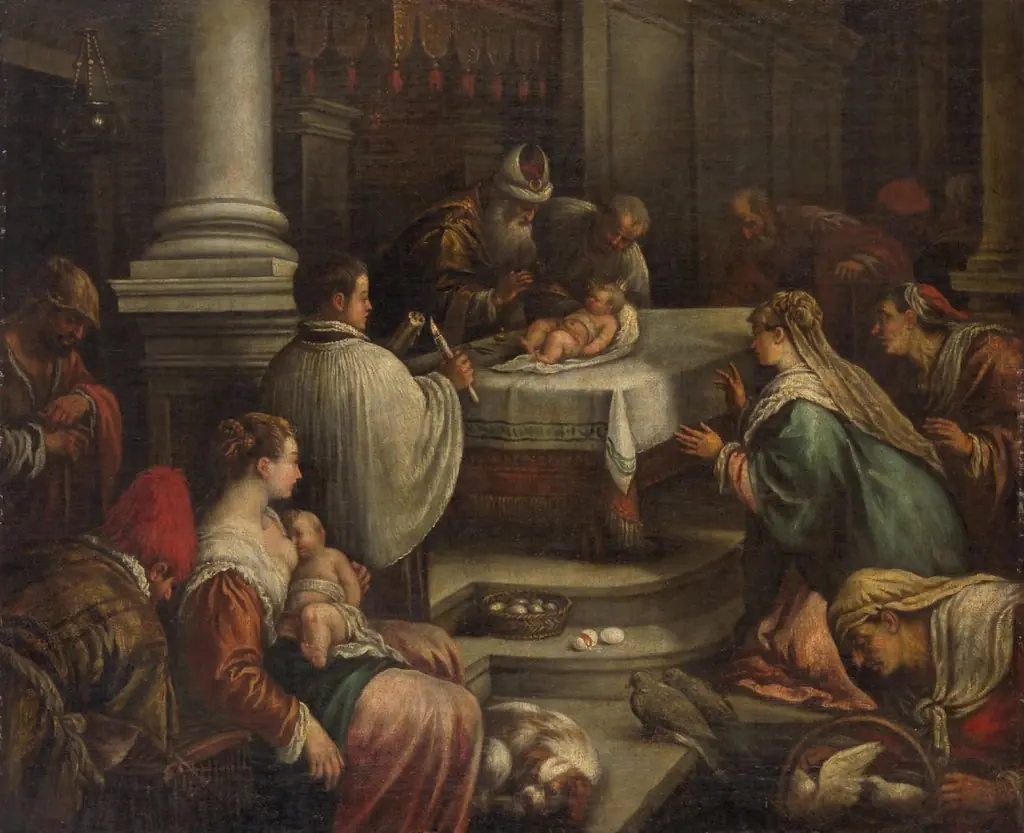 Darbringung Christi im Tempel
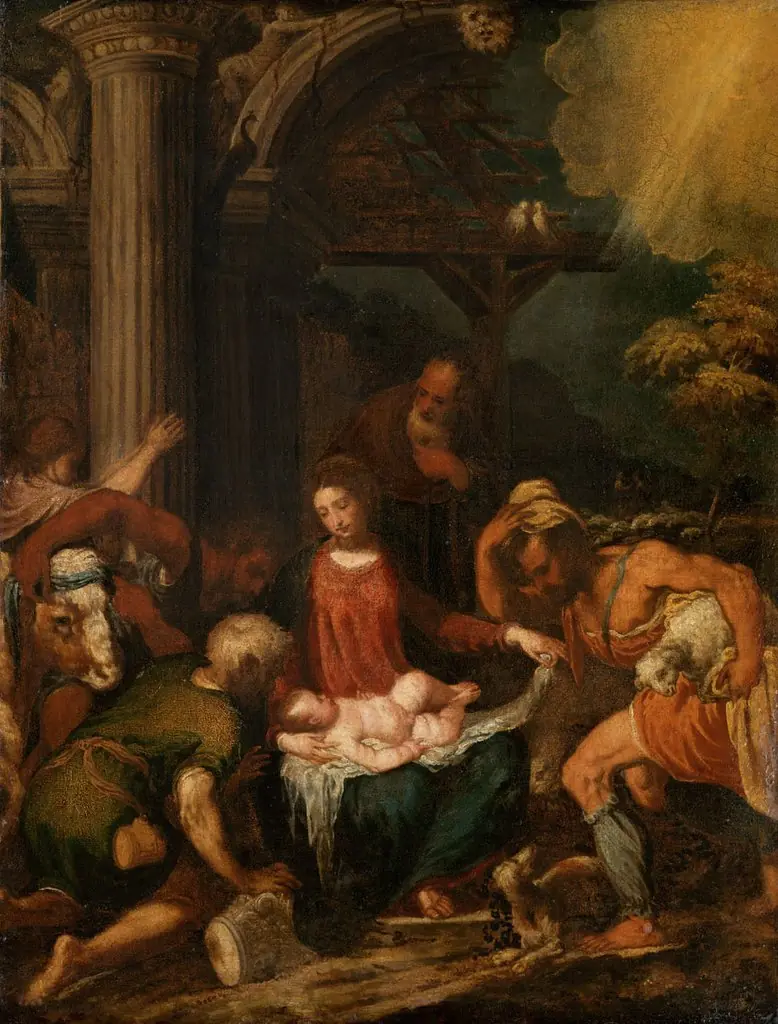 Adoration of the Shepherds
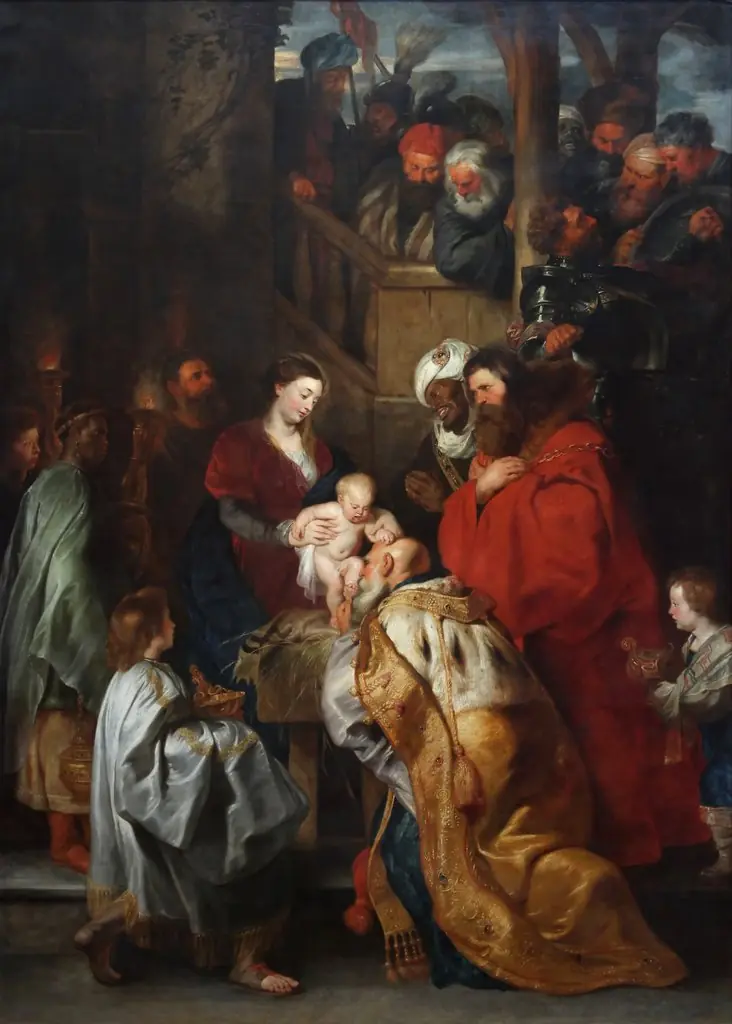 Adoration of the Three Kings
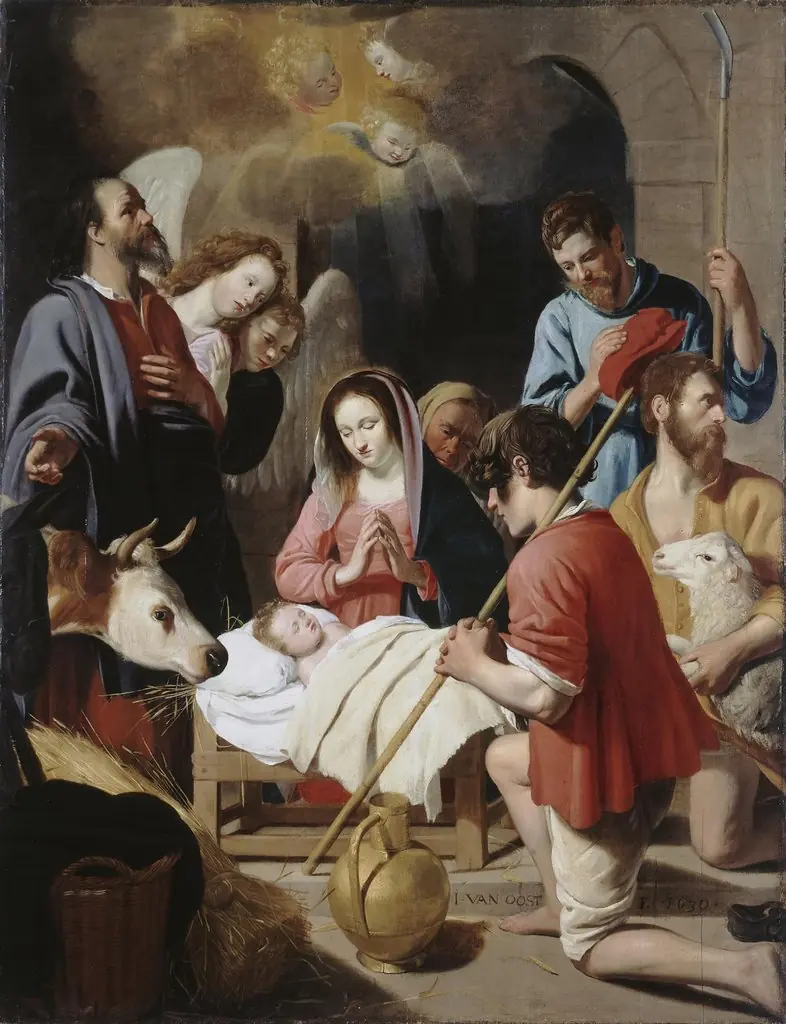 Adoration of the Shepherds
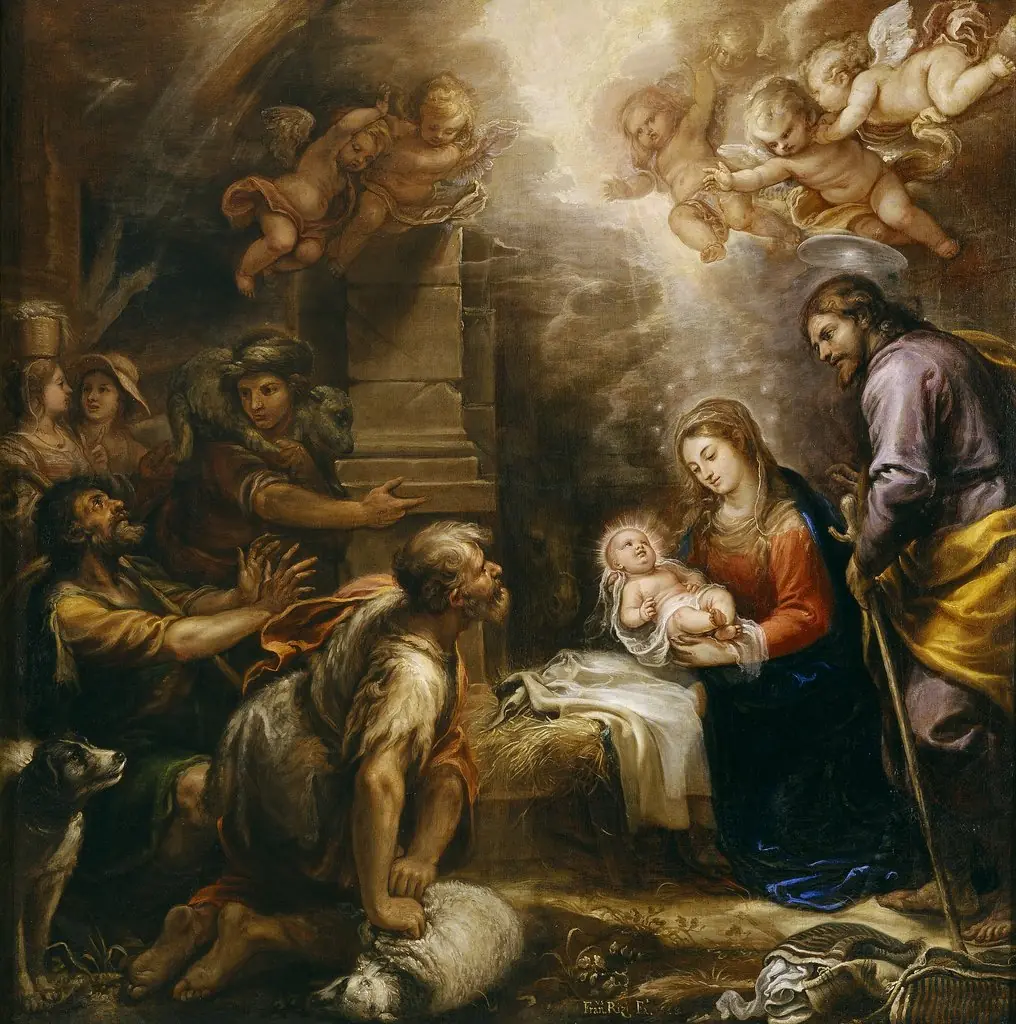 The Adoration of the Shepherds
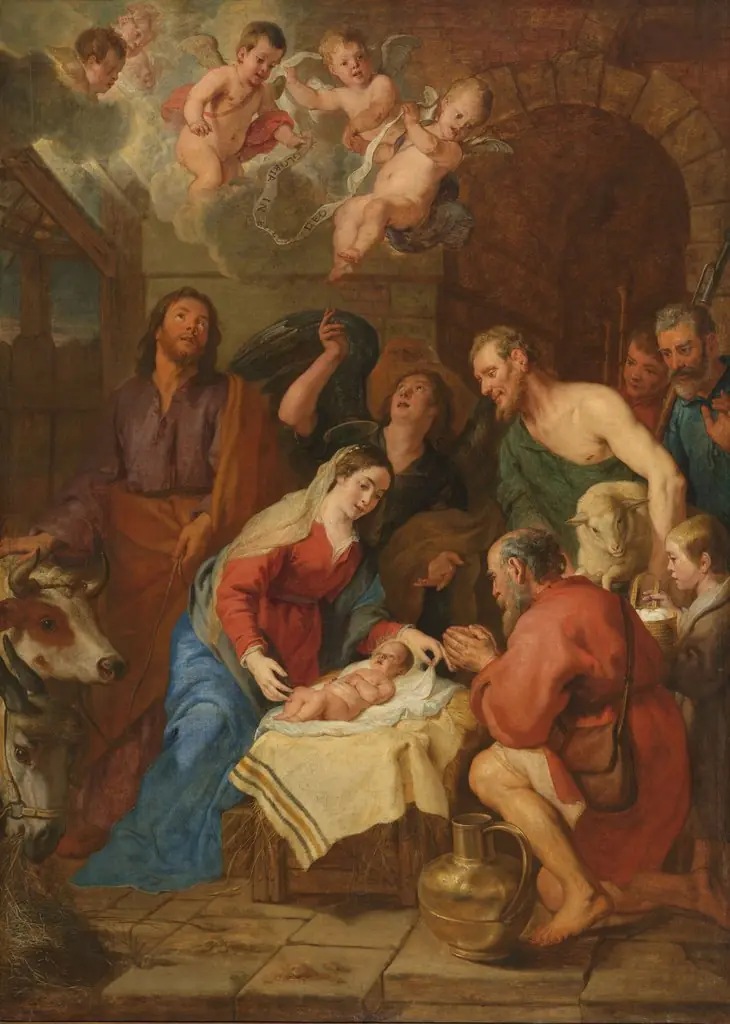 The adoration of the shepherds
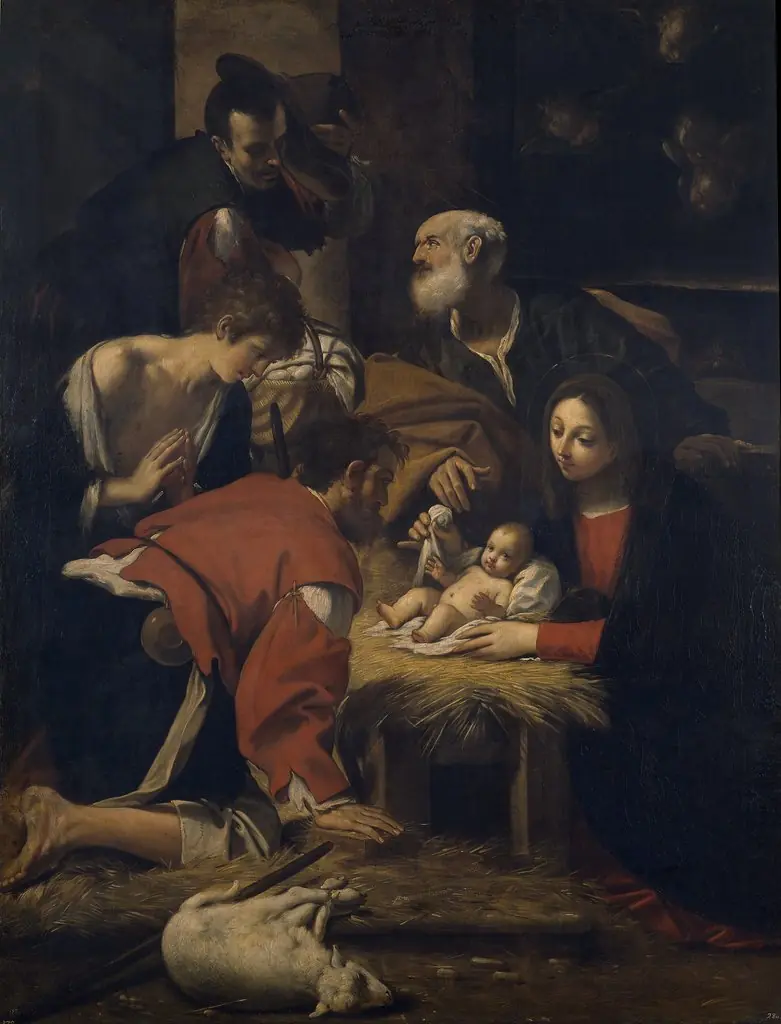 The Adoration of the Shepherds
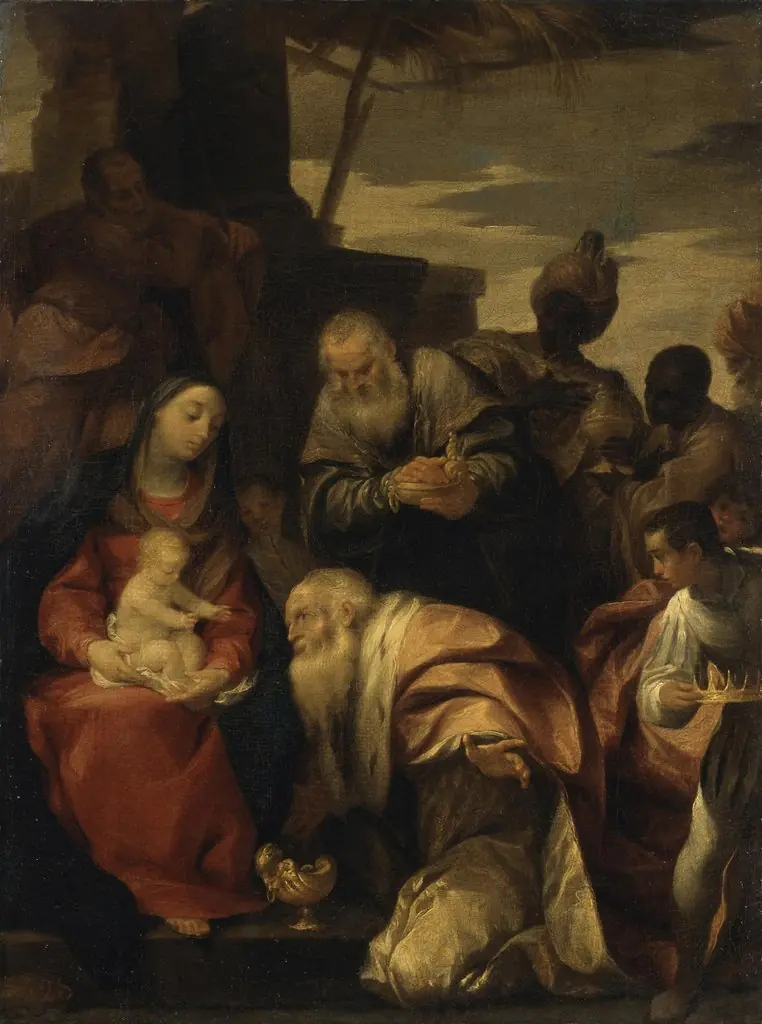 Adoration of the Magi
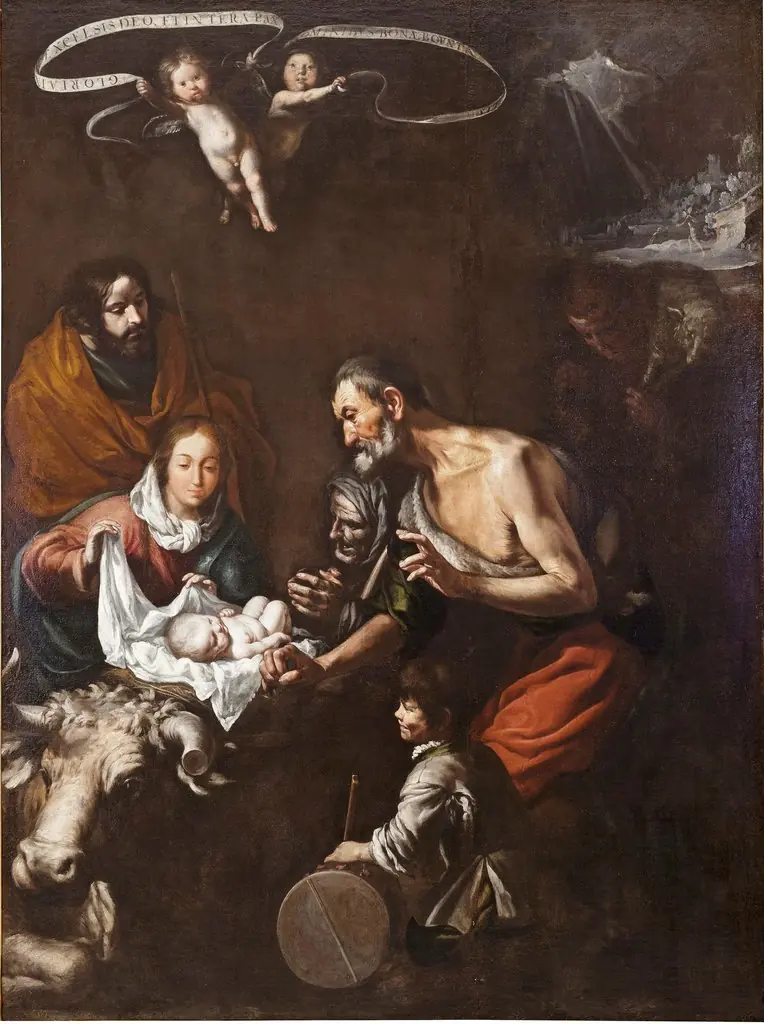 The Adoration of the Shepherds
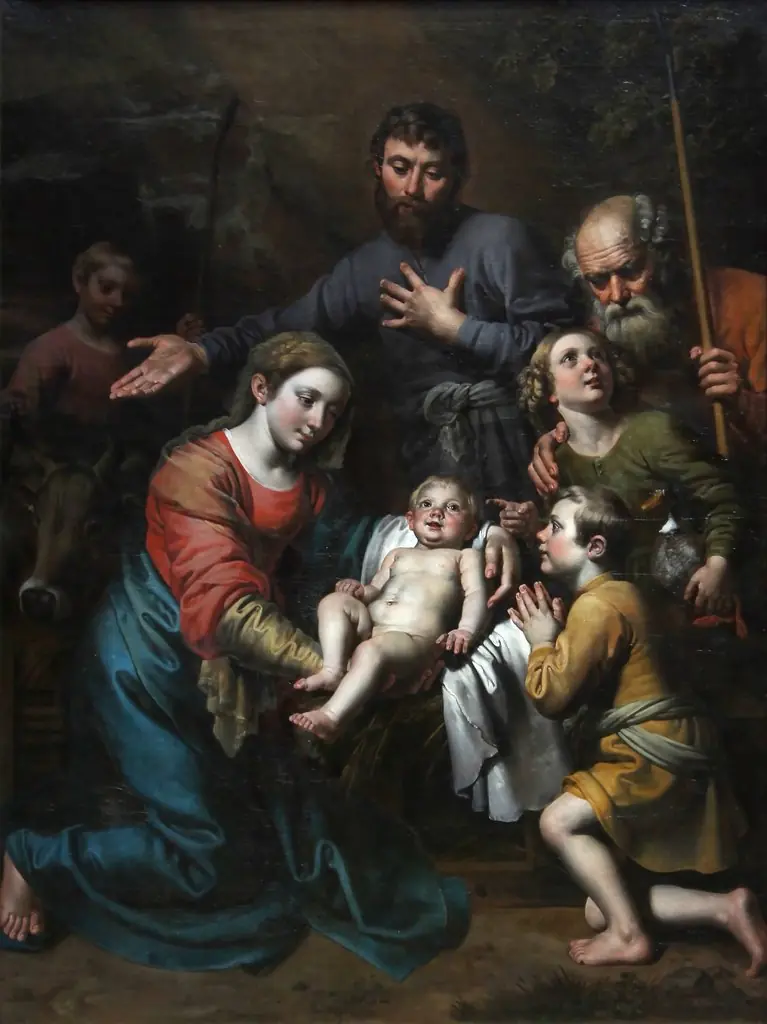 Adoration of the Shepherds
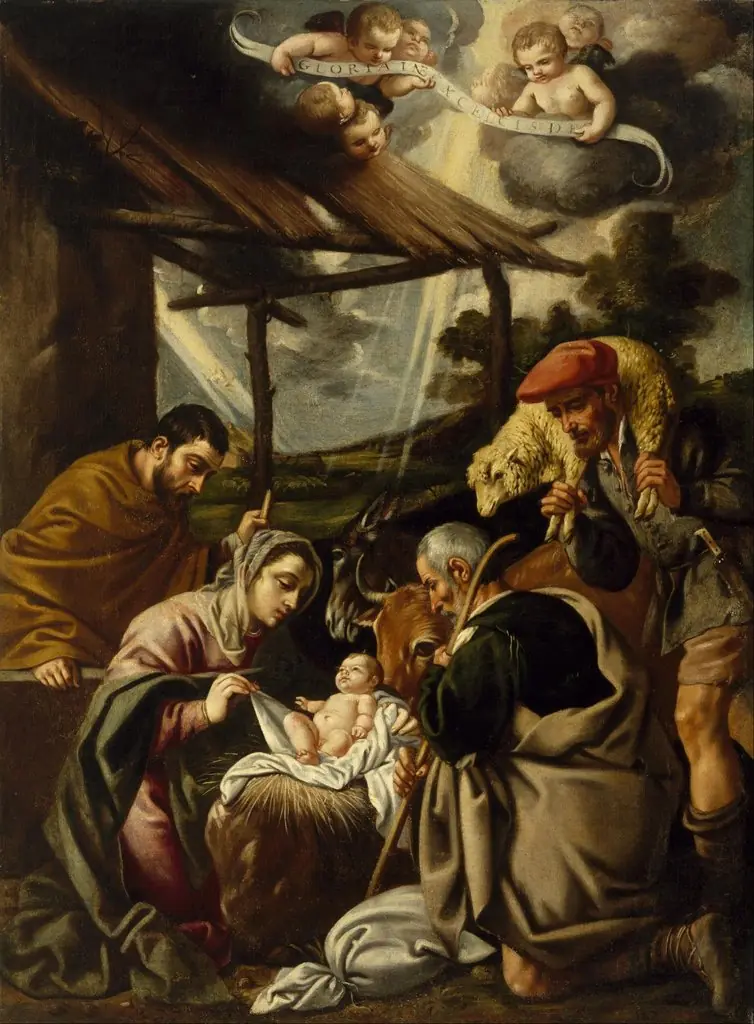 The Adoration of the Shepherds