Artwork
David and Goliath

David and Goliath is an oil painting by the Early Baroque Italian artist Guido Cagnacci. It dates from 1650 and is held in the collection of the Statens Museum for Kunst.
About this work
Overview
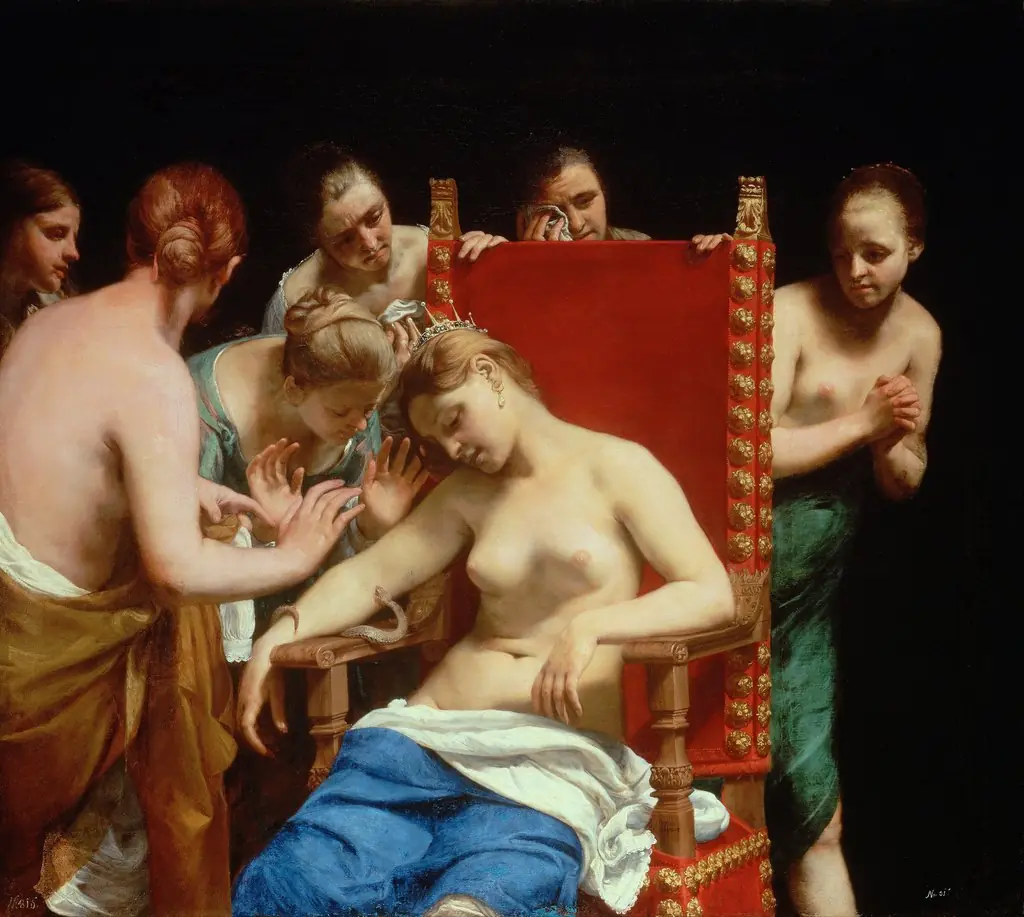
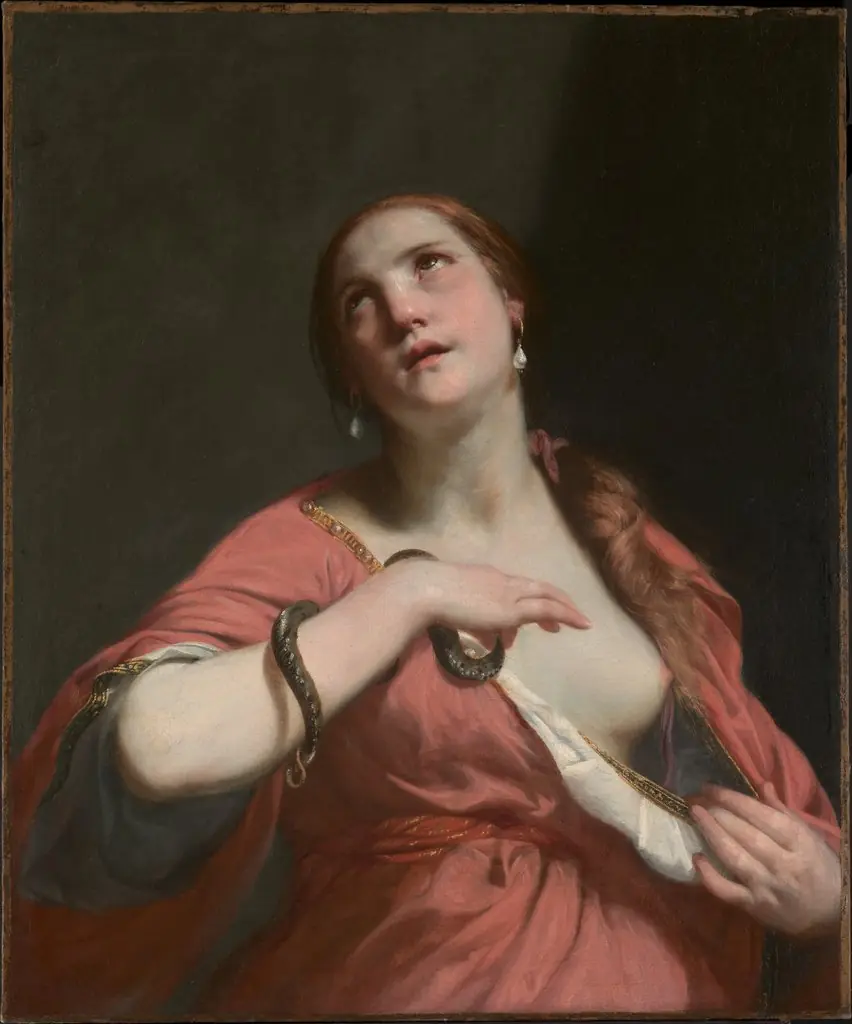
Guido Cagnacci, an Italian painter active in the mid‑17th century, produced an oil on canvas titled *David and Goliath* around 1650. The composition presents a youthful figure standing before a darkened backdrop, clutching a sword while his other hand rests on a severed head at his feet. The work is part of the collection of the Statens Museum for Kunst in Copenhagen.
Subject & Meaning
The painting interprets the biblical episode in which the shepherd‑boy David defeats the Philistine giant Goliath. Cagnacci emphasizes the moment after the battle, showing David calm yet solemn as he holds Goliath’s head, underscoring themes of triumph, divine favor, and the juxtaposition of youthful innocence with violent conquest.
Technique & Style
Cagnacci employs a pronounced chiaroscuro, allowing a bright, almost sculptural illumination to model David’s nude torso against a deep, shadowy background.
Cagnacci employs a pronounced chiaroscuro, allowing a bright, almost sculptural illumination to model David’s nude torso against a deep, shadowy background. The contrast heightens the three‑dimensionality of the figure and draws attention to the texture of the severed head. The painter’s handling reflects the influence of the Bolognese School, with sensuous flesh tones and a dramatic, theatrical atmosphere typical of early Baroque art.
History & Provenance
Created circa 1650, the canvas remained in private hands before entering the Statens Museum for Kunst’s holdings. The museum acquired the work as part of its broader collection of European Baroque paintings, providing public access to Cagnacci’s mature output and illustrating the spread of Italian Baroque aesthetics beyond the peninsula.
Artist & collection
Artist
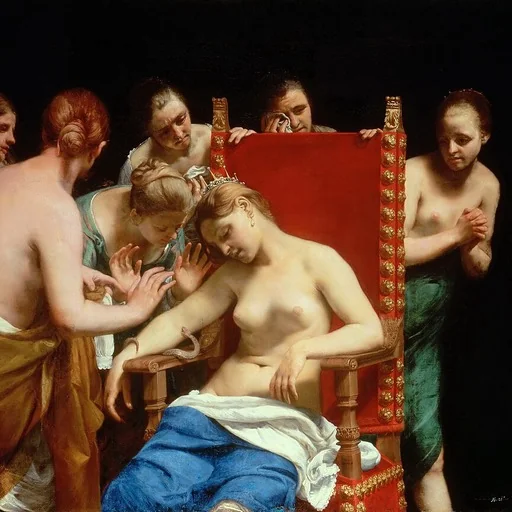
Guido Cagnacci (Italian: ; 13 January 1601 – 1663) was an Italian Baroque painter originally from Santarcangelo di Romagna.