Artwork
Apple, Pear and Orange
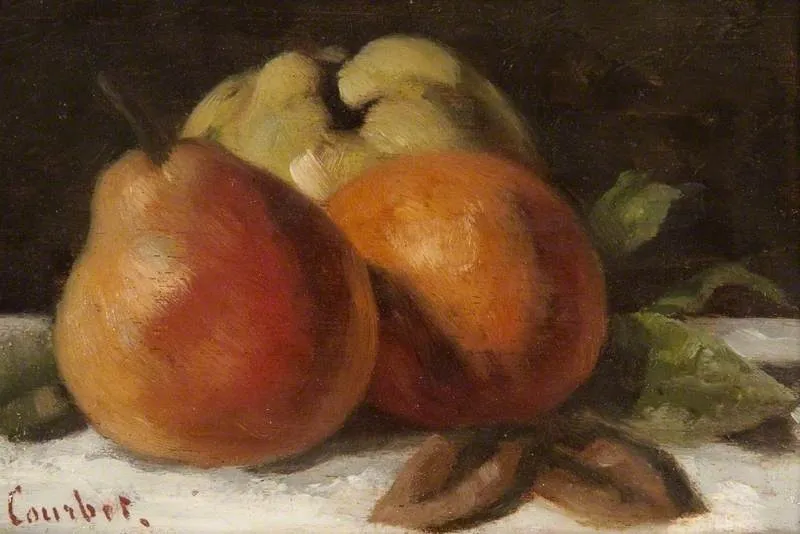
Apple, Pear and Orange is an oil painting by the Realist artist Gustave Courbet. It dates from 1871 and is held in the collection of the Kelvingrove Art Gallery and Museum.
About this work
Overview
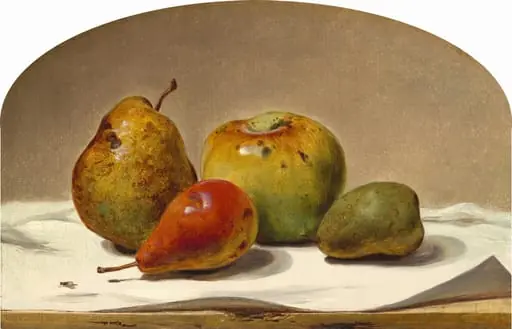
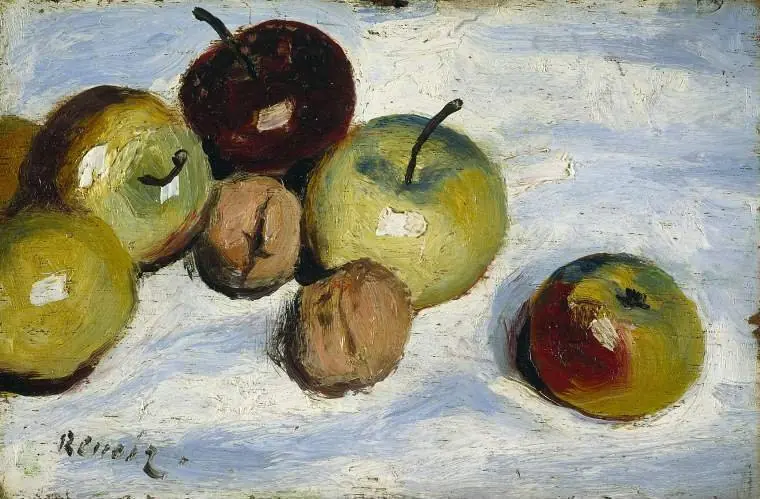
Painted in 1871 by Gustave Courbet, this still life presents three common fruits—an apple, a pear, and an orange—arranged simply on a light surface.
Painted in 1871 by Gustave Courbet, this still life presents three common fruits—an apple, a pear, and an orange—arranged simply on a light surface. Courbet, a central figure in French Realism, turned away from romanticized or mythological themes, instead focusing on ordinary objects rendered with direct observation. The work exemplifies his belief in art grounded in the tangible world, free from idealization.
Subject & Meaning
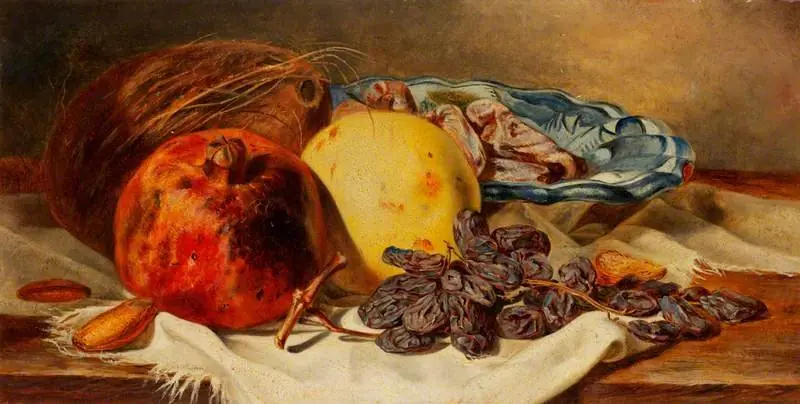
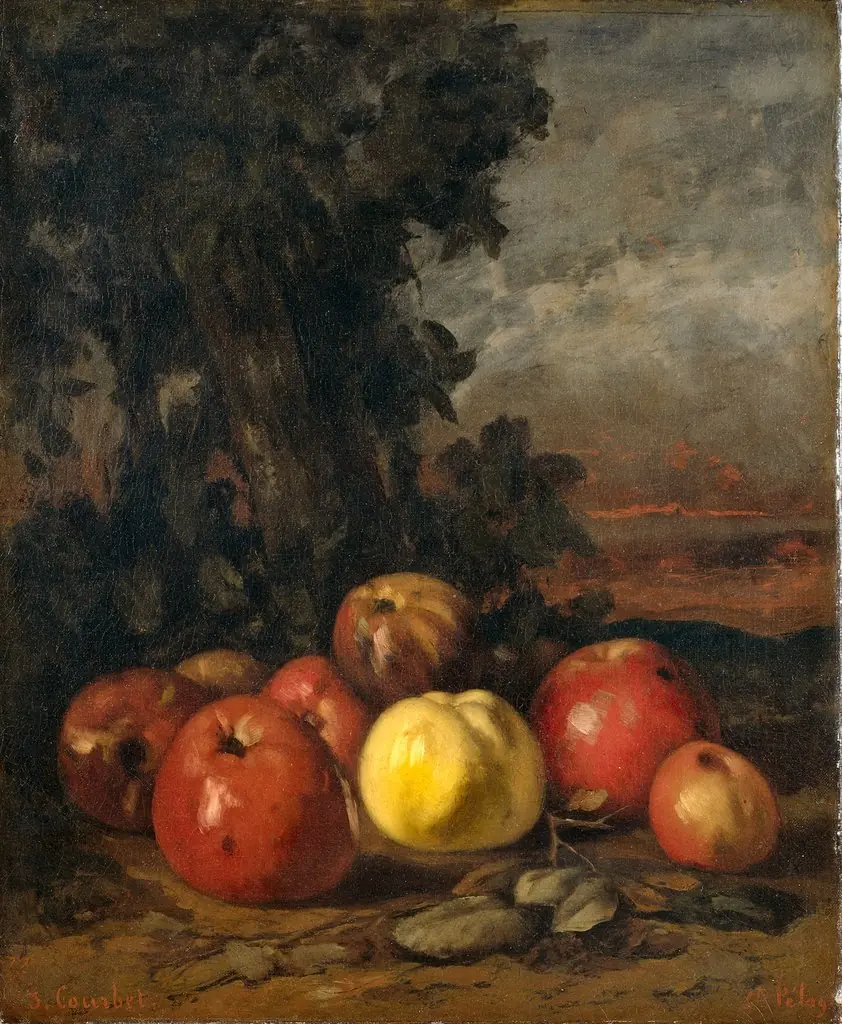
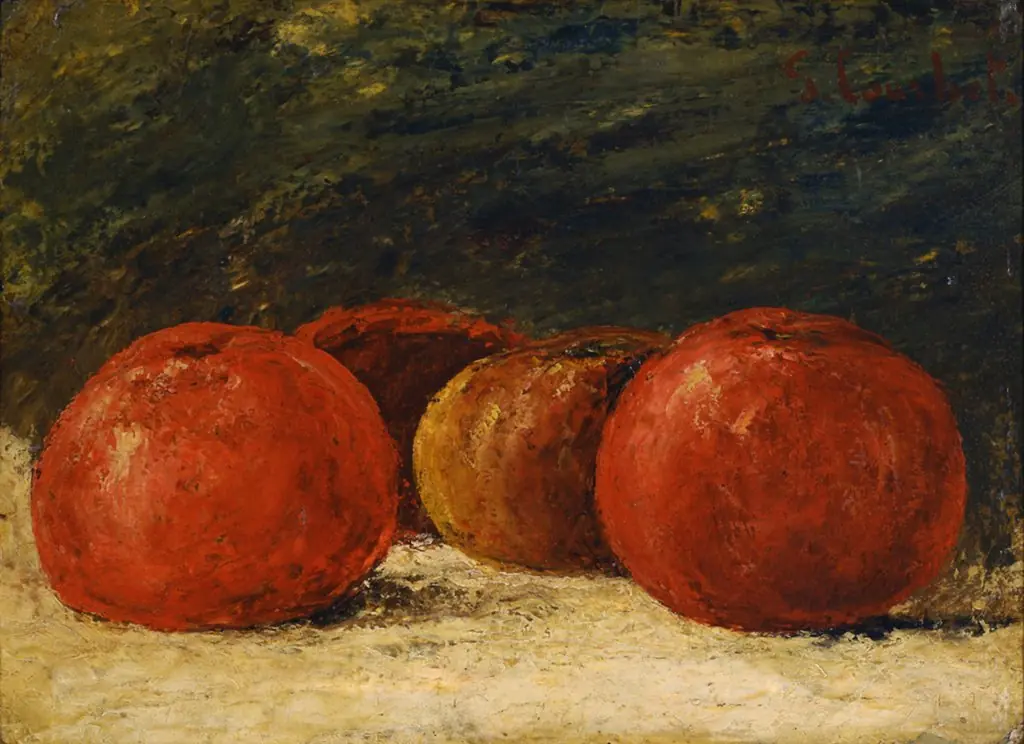
The composition centers on humble, everyday fruit, chosen not for symbolic richness but for their physical presence. By isolating these items against a plain background, Courbet invites attention to their form, texture, and natural variation in color. The arrangement carries no overt narrative, emphasizing instead the quiet dignity of the mundane, aligning with his broader artistic philosophy of truth to visual experience.
Technique & Style
Courbet applied oil paint with deliberate, visible brushwork, creating a tactile surface that enhances the fruit’s physicality. Colors are rendered with subtle gradations—deep reds, muted yellows, and bright oranges—to capture how light interacts with each surface. The lack of idealized smoothing or polished finish reinforces the painting’s commitment to realism, where the hand of the artist remains evident in the texture and rhythm of the strokes.
History & Provenance
Created in 1871, during a period of personal and political upheaval in France, the painting reflects Courbet’s continued focus on still life amid broader societal change. It entered the collection of the Kelvingrove Art Gallery and Museum in Glasgow, where it remains today. Its preservation there underscores its recognition as a representative example of Courbet’s later work, though it was never widely exhibited during his lifetime.
Context
In the decades following the 1848 revolutions, French art increasingly rejected academic conventions. Courbet positioned himself as a challenger to the Salon system, advocating for art derived from lived experience. This still life, though unassuming, aligns with his broader campaign to elevate ordinary subjects—fruits, landscapes, laborers—as worthy of serious artistic attention, countering historical and mythological dominance.
Legacy
Courbet’s approach to still life influenced later movements, including Impressionism and early modernism, by demonstrating that ordinary objects could carry visual weight without embellishment. While not as celebrated as his larger social scenes, works like this one quietly expanded the possibilities of subject matter in painting, reinforcing the idea that realism need not be grand to be significant.
Artist & collection
Artist
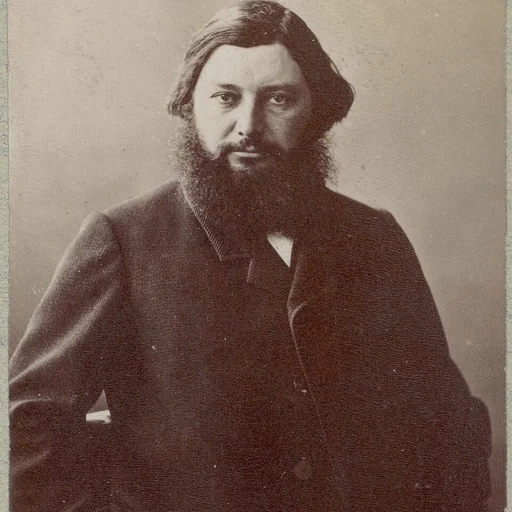
Jean Désiré Gustave Courbet (UK: KOOR-bay; US: koor-BAY; French: ; 10 June 1819 – 31 December 1877) was a French painter who led the Realism movement in 19th-century French painting.