Artwork
Bouquet of Flowers in a Vase
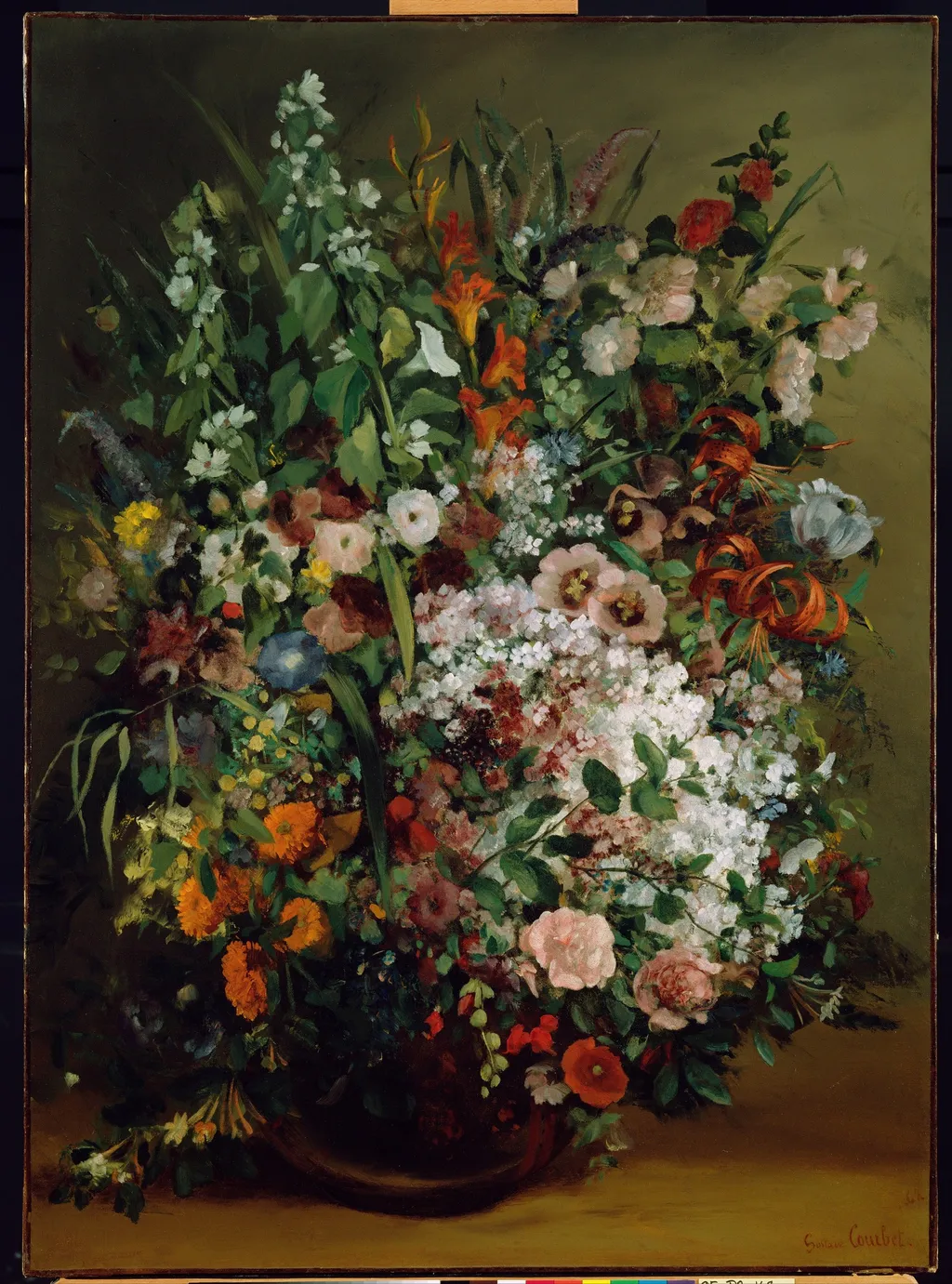
Bouquet of Flowers in a Vase is an oil painting by the Realist artist Gustave Courbet. It dates from 1862 and is held in the collection of the J. Paul Getty Museum.
About this work
Overview
Unlike the idealized compositions favored by academic traditions, Courbet chose to portray a simple, unadorned arrangement of flowers with direct observation.
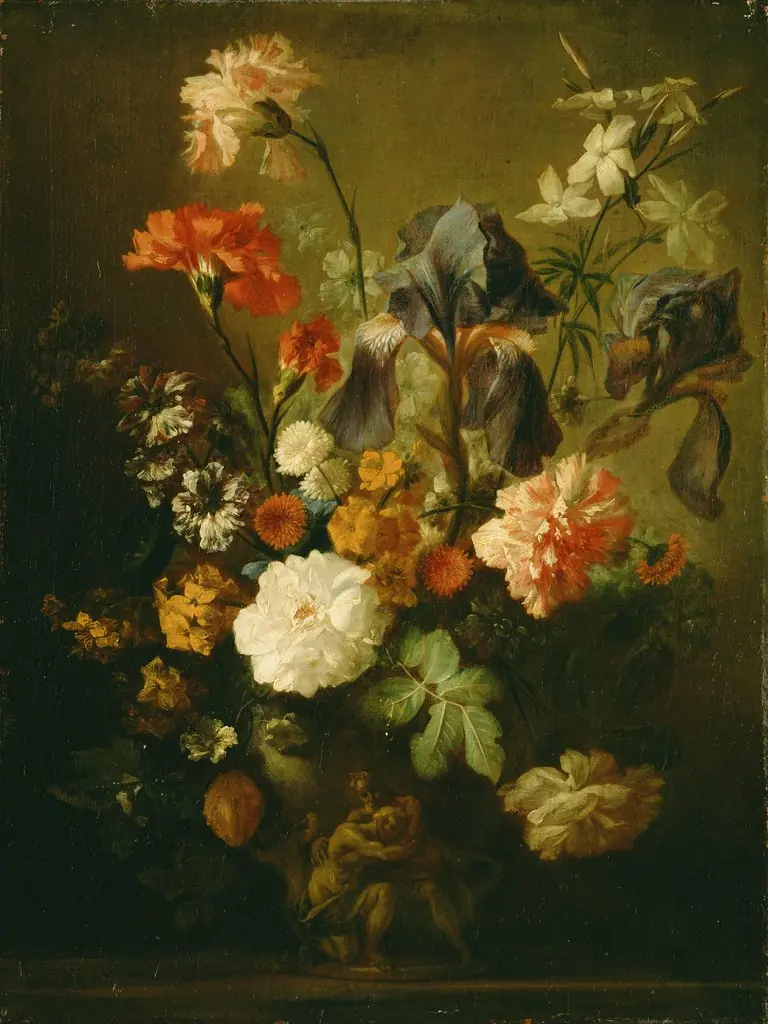
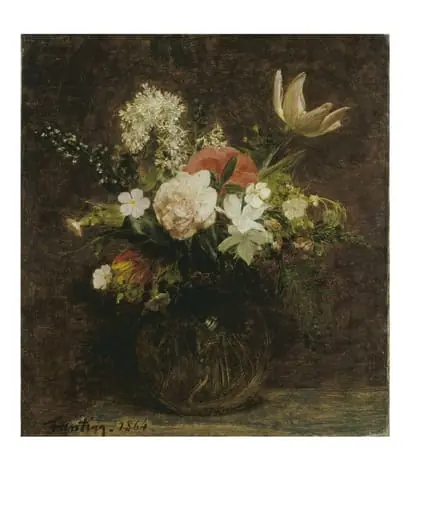
Painted in 1862, *Bouquet of Flowers in a Vase* is a still life by Gustave Courbet, an artist central to the Realist movement in France. Unlike the idealized compositions favored by academic traditions, Courbet chose to portray a simple, unadorned arrangement of flowers with direct observation. The work reflects his commitment to representing the visible world without embellishment, using oil paint to capture texture and light with quiet precision.
Subject & Meaning
The painting presents a loose, unstructured bouquet of seasonal blooms—pinks, yellows, oranges, and whites—spilling naturally from a dark ceramic or glass vase. There is no symbolic narrative or allegorical intent; the subject is the flowers themselves, in their transient, unpolished state. Courbet’s choice to elevate this ordinary arrangement underscores his belief in the dignity of everyday reality over manufactured grandeur.
Technique & Style
Courbet applied oil paint with thick, deliberate strokes, emphasizing the physicality of petals, stems, and the vase’s surface. The palette is vibrant yet restrained, with the muted greenish-brown background enhancing the flowers’ chromatic intensity. Brushwork is neither polished nor decorative; instead, it conveys the weight and irregularity of natural forms, aligning with Realism’s rejection of idealized finish in favor of tactile authenticity.
History & Provenance
Created in 1862, the painting remained in private hands until entering the collection of the J. Paul Getty Museum. Its history reflects the gradual recognition of Courbet’s still lifes beyond his more politically charged works. While not widely exhibited during his lifetime, the piece now stands as a quiet testament to his broader engagement with nature and material presence in art.
Context
In the 1860s, French art was divided between academic traditions and emerging Realist voices. Courbet’s floral still life resisted the ornamental conventions of salon painting, offering instead an unembellished view of nature. This work aligns with his broader rejection of mythological or historical subjects, asserting that ordinary, observable things deserved artistic attention without embellishment or moralizing.
Legacy
Though less discussed than Courbet’s landscapes or social scenes, this still life contributed to the legitimization of everyday subjects in fine art. It influenced later artists who sought to depict the material world with honesty, helping to pave the way for Impressionist and modern still-life traditions. Its presence in a major museum affirms its role in redefining the boundaries of artistic subject matter.
Own this work as a print
Artist & collection
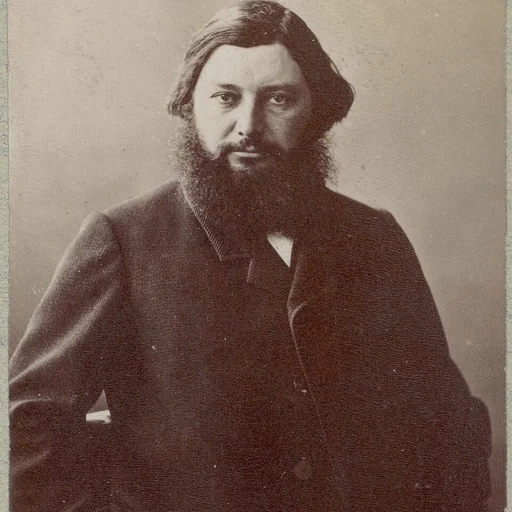
Artist
Jean Désiré Gustave Courbet (UK: KOOR-bay; US: koor-BAY; French: ; 10 June 1819 – 31 December 1877) was a French painter who led the Realism movement in 19th-century French painting.