Artwork
Mère Grégoire
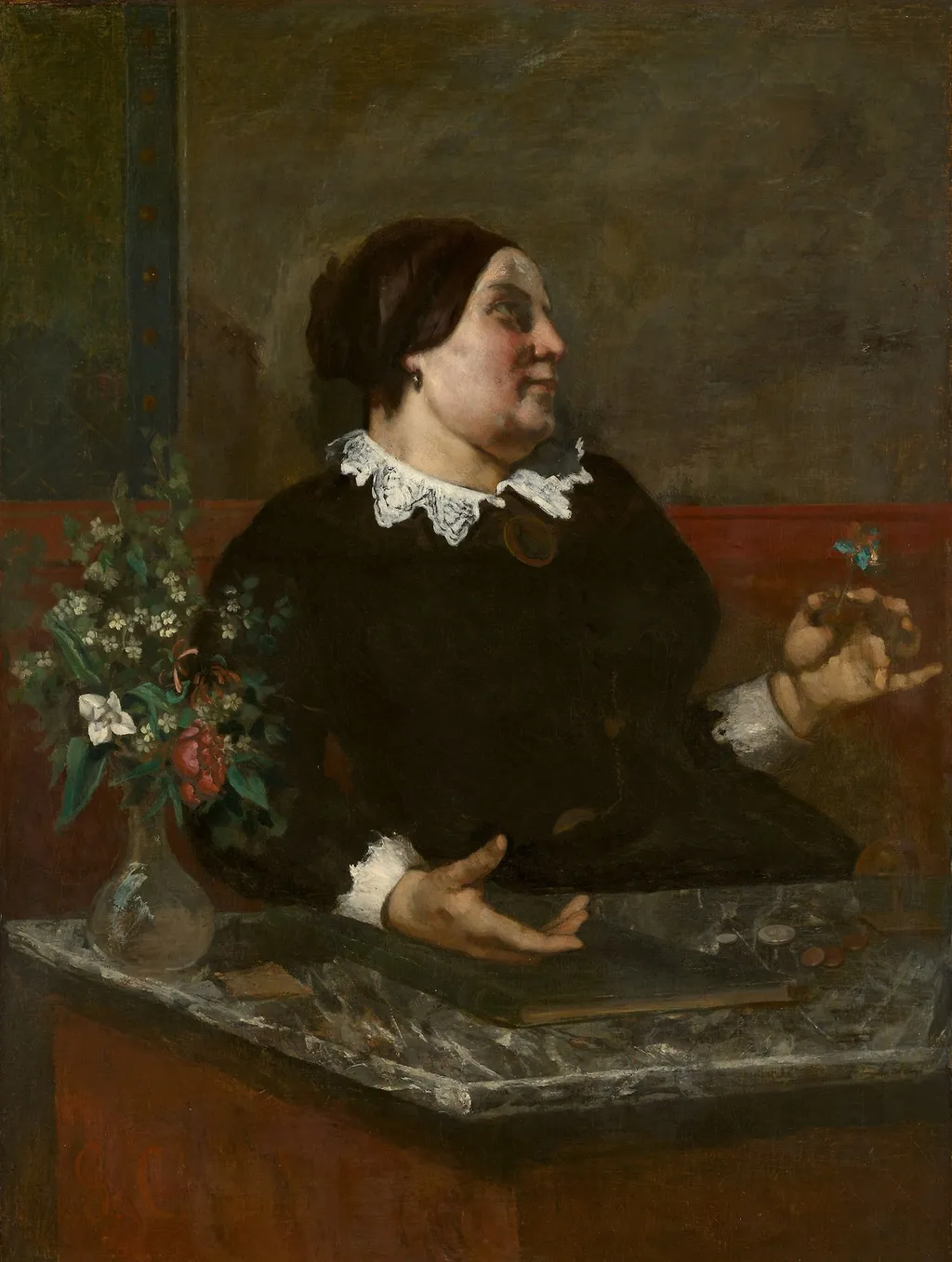
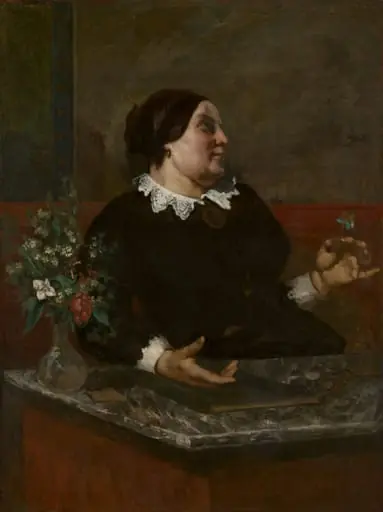
Mère Grégoire is an oil painting by the Realist artist Gustave Courbet. It dates from 1855 and is held in the collection of the Art Institute of Chicago.
About this work
Overview
Painted in 1855 by Gustave Courbet, *Mère Grégoire* is an oil portrait of an ordinary woman, rendered without embellishment. Courbet, a central figure in the Realist movement, turned away from idealized historical or mythological subjects to focus on the quiet dignity of everyday people. The painting reflects his commitment to depicting life as it was observed, not as it was imagined.
Subject & Meaning
The subject, identified as Mère Grégoire, is portrayed in a moment of stillness, seated at a simple table with a single blue flower in her hand.
The subject, identified as Mère Grégoire, is portrayed in a moment of stillness, seated at a simple table with a single blue flower in her hand. Her downward gaze and restrained posture suggest introspection rather than narrative drama. The absence of symbolic grandeur or emotional exaggeration reinforces Courbet’s aim: to honor the quiet presence of common individuals through unadorned observation.
Technique & Style
Courbet employed thick, deliberate brushwork to render texture in the lace collar, the marble surface, and the fabric of her dress. The muted brown background isolates the figure, directing attention to subtle details: the weight of her hands, the delicate flower, the faint sheen on the vase. His palette is restrained, emphasizing tone over color, and his composition avoids theatricality in favor of quiet equilibrium.
History & Provenance
Created for the 1855 Exposition Universelle, the painting was among those rejected by the official jury, prompting Courbet to mount his own exhibition nearby. *Mère Grégoire* entered the Art Institute of Chicago’s collection in the early 20th century, where it remains as a testament to Courbet’s defiance of academic norms and his dedication to portraying unvarnished human presence.
Context
In mid-19th century France, academic art favored idealized forms and elevated subjects. Courbet’s choice to paint a working-class woman in domestic stillness challenged these conventions. His work aligned with broader social shifts, including the rise of secularism and the growing interest in the lives of non-elite citizens, making *Mère Grégoire* a quiet act of cultural redefinition.
Legacy
Though not among Courbet’s most widely known works, *Mère Grégoire* exemplifies the philosophical core of Realism: the belief that ordinary life holds intrinsic artistic value. Its influence can be traced in later movements that prioritized authenticity over spectacle, contributing to a broader shift in how portraiture and subject matter were understood in modern art.
Own this work as a print
Artist & collection
Artist
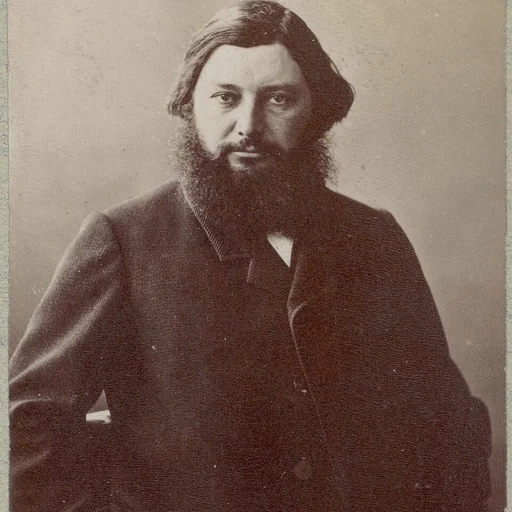
Jean Désiré Gustave Courbet (UK: KOOR-bay; US: koor-BAY; French: ; 10 June 1819 – 31 December 1877) was a French painter who led the Realism movement in 19th-century French painting.


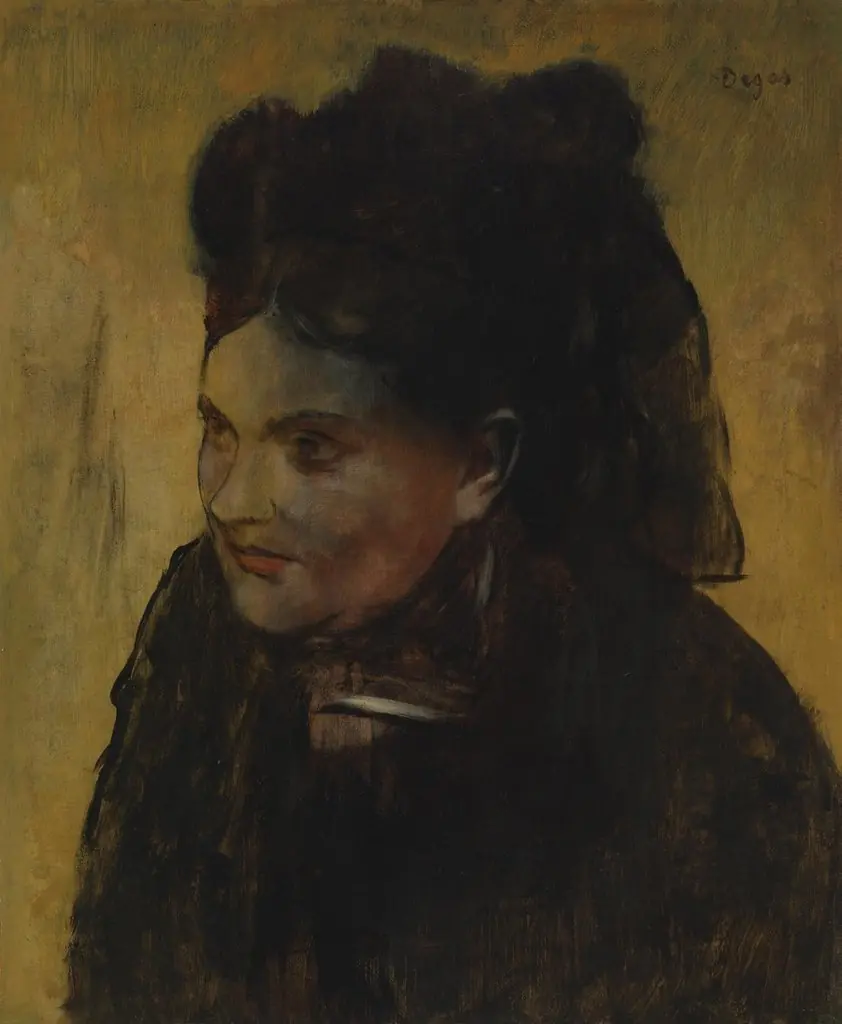 Portrait of a woman
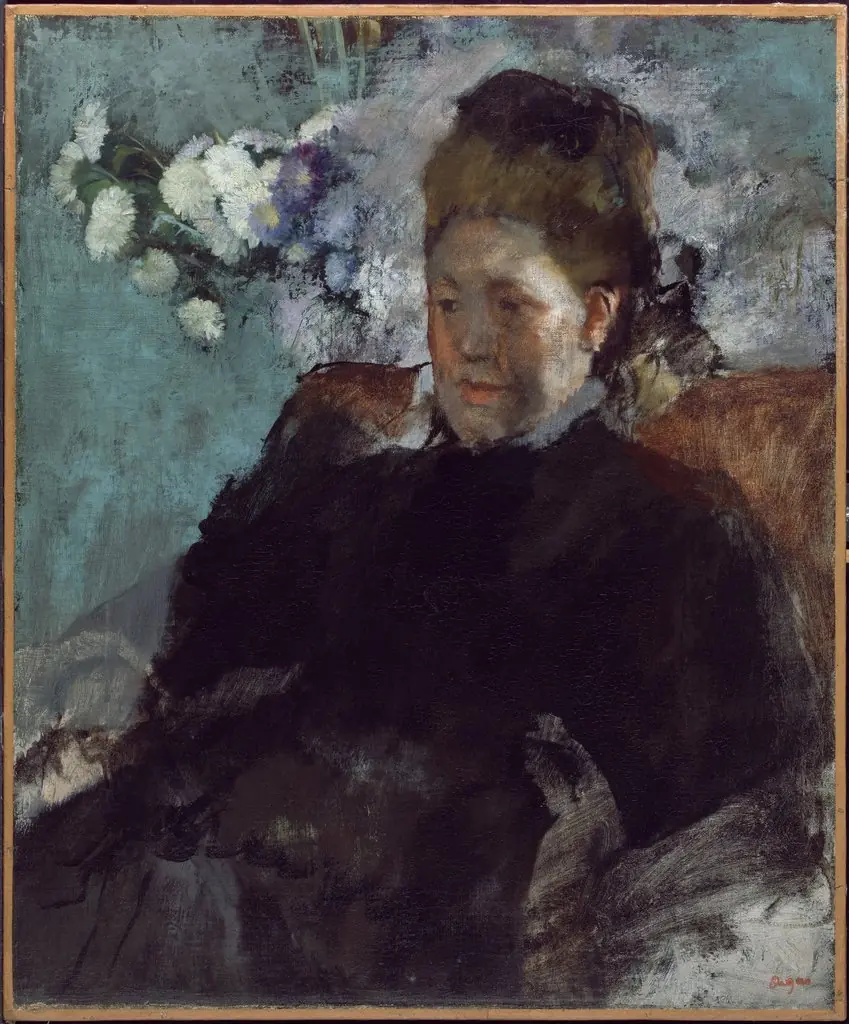 Portrait of a Woman
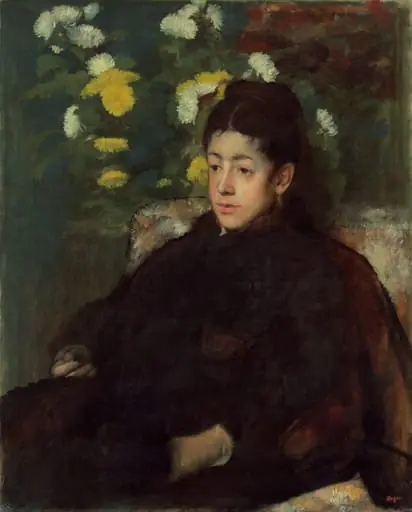 Mademoiselle Malot
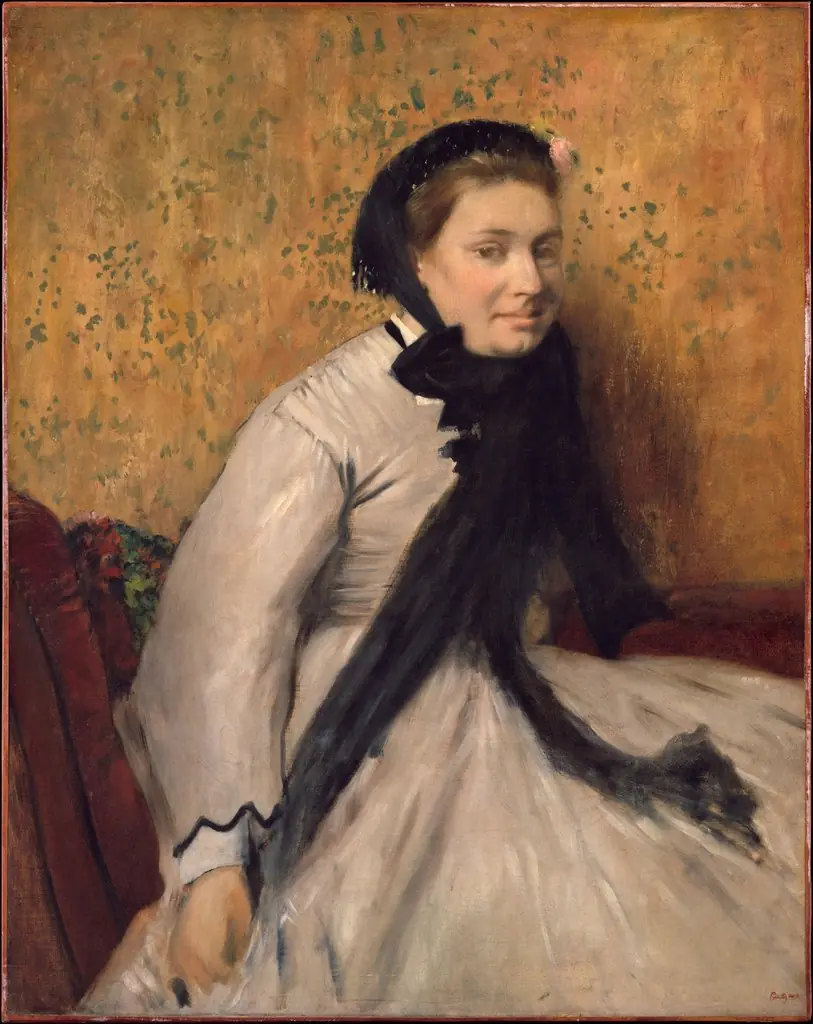 Portrait of a Woman in Gray
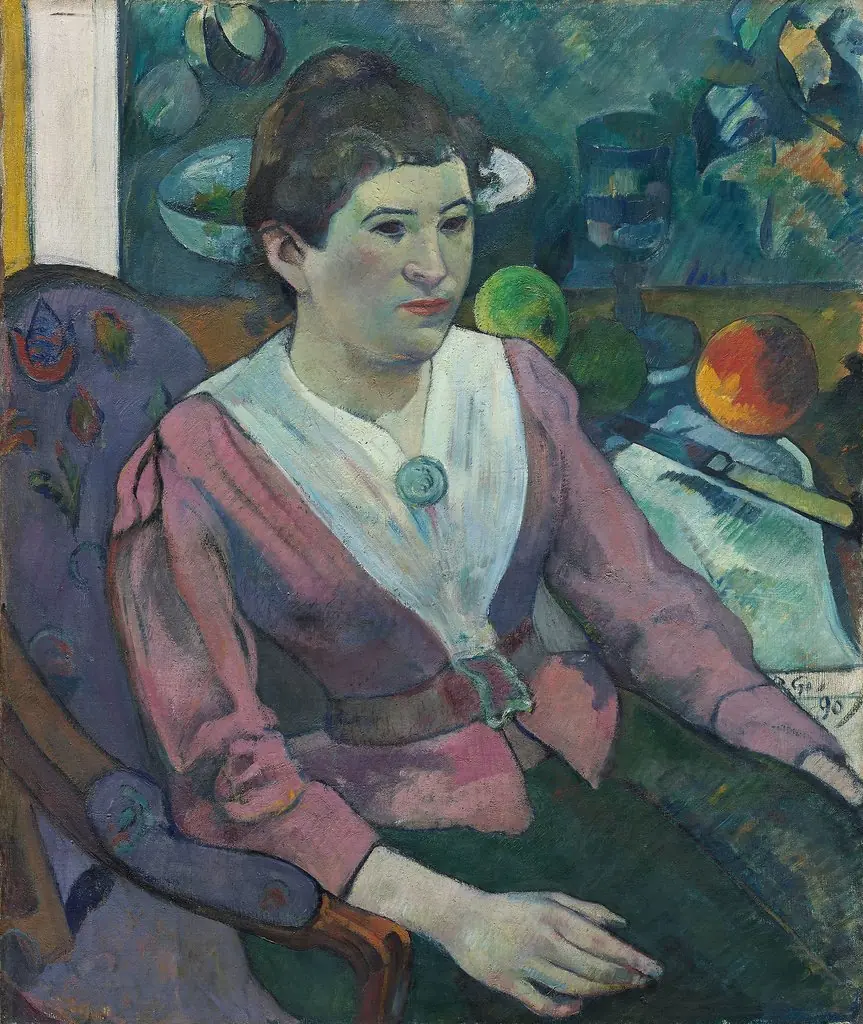 Woman in Front of a Still Life by Cézanne
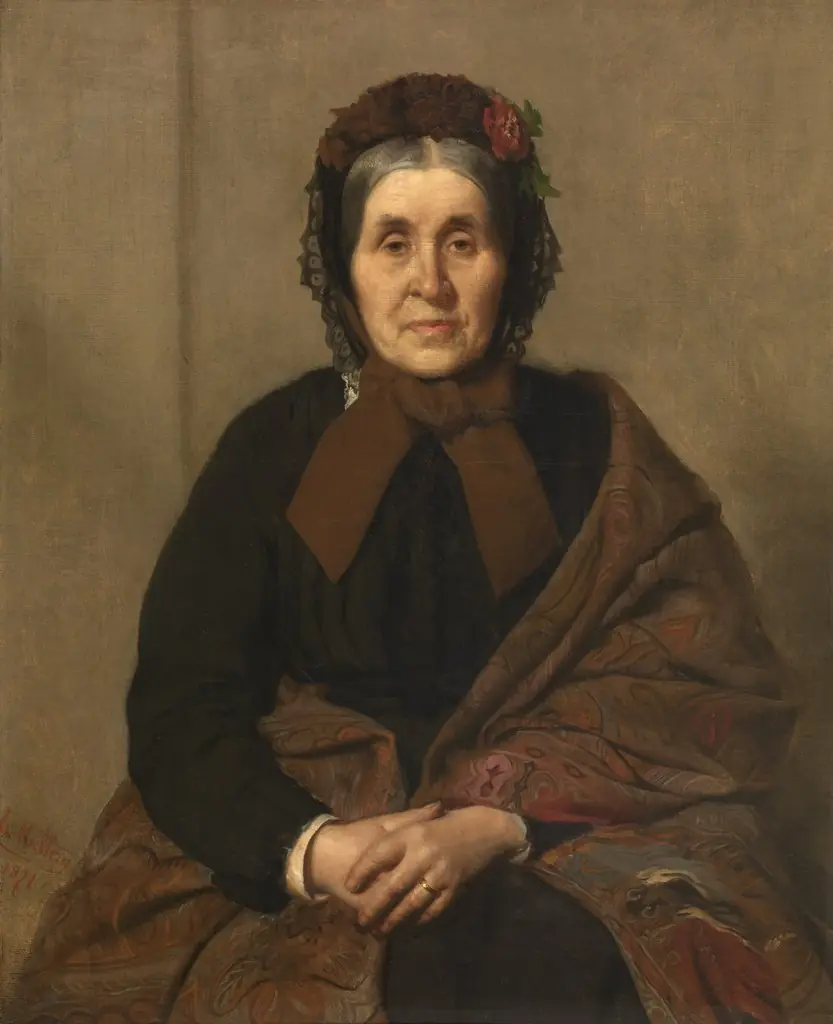 The Artist's Mother
 Woman in Front of a Still Life by Cezanne
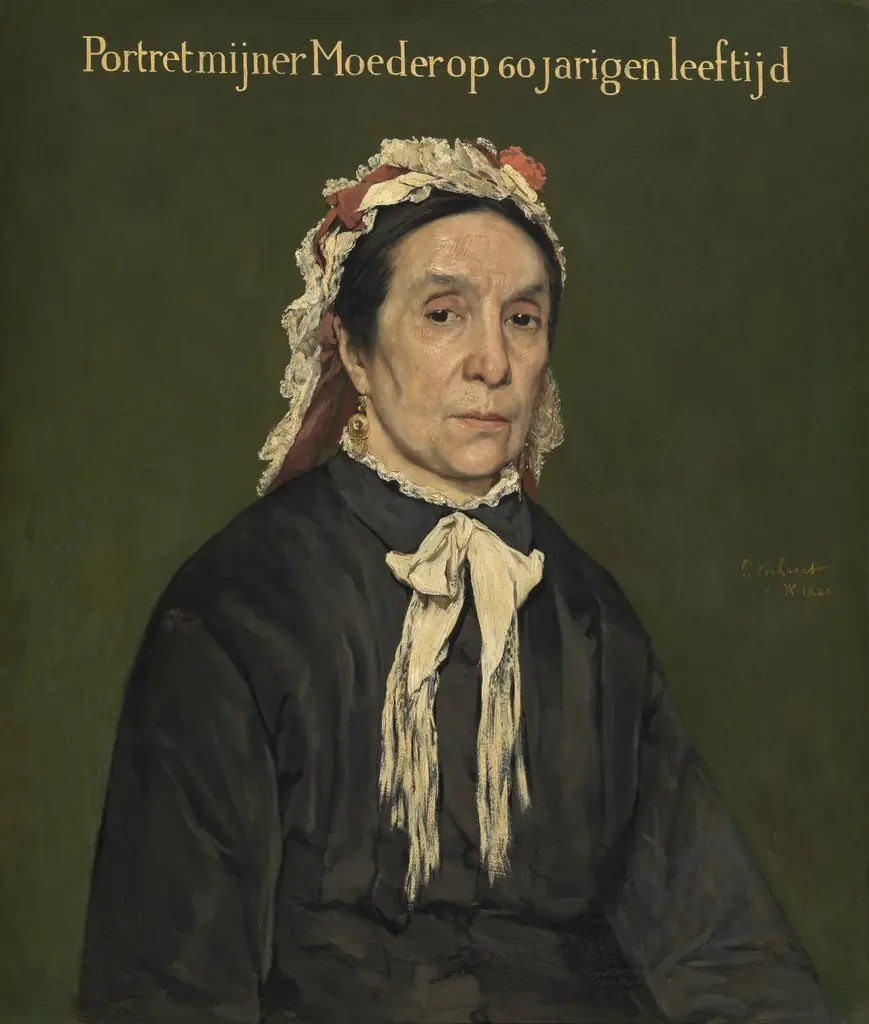 Portrait of the artist's mother at the age of 60
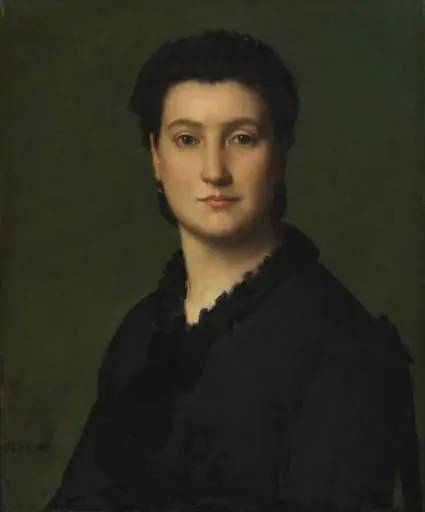 Portrait of a Woman
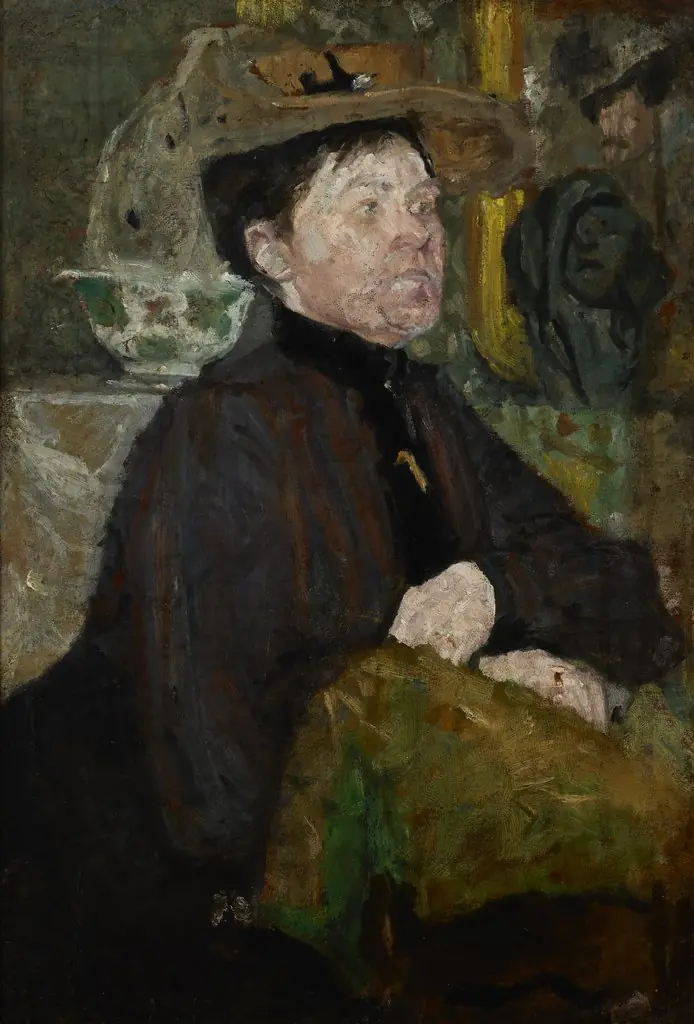 Portrait of Mrs Getter – two-sided painting
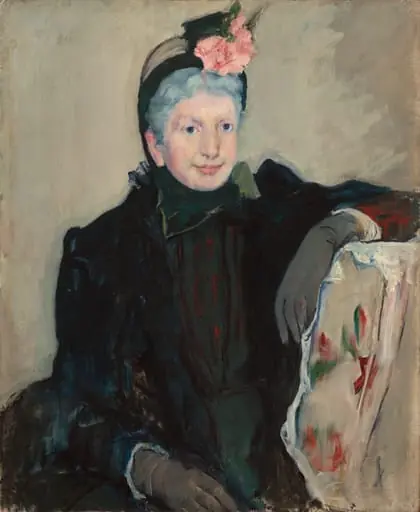 Portrait of a Lady
 Mère Grégoire