Artwork
Stream of the Puits-Noir at Ornans
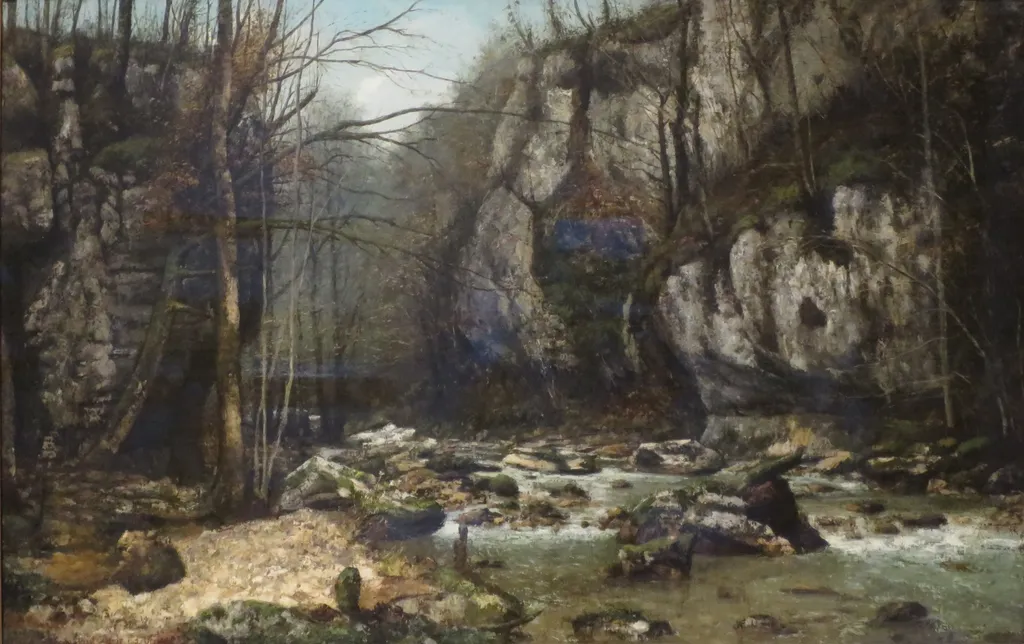
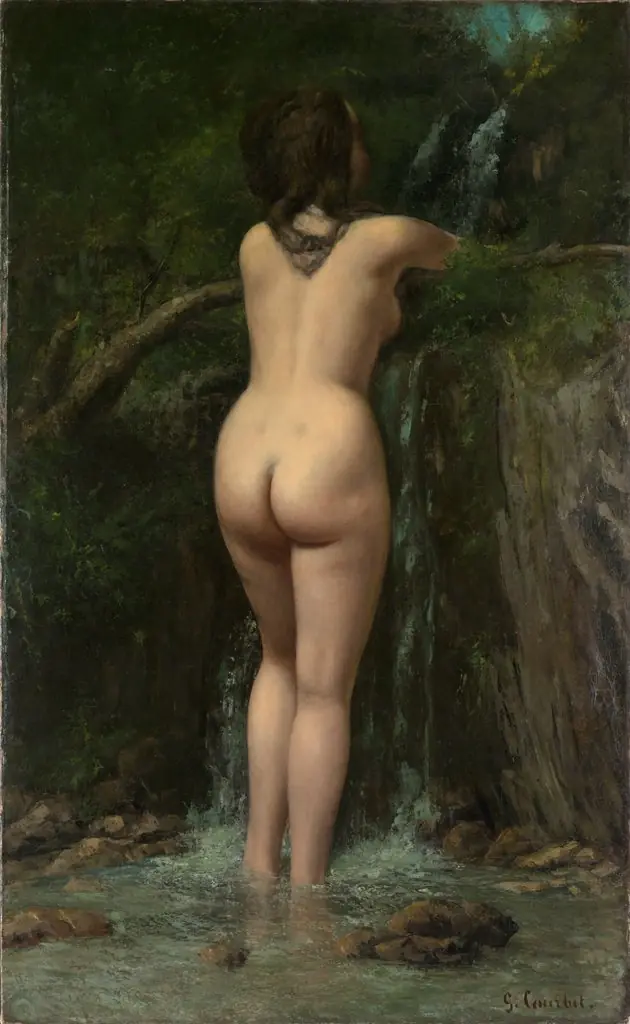
Stream of the Puits-Noir at Ornans is an oil painting by the Realist artist Gustave Courbet. It dates from 1868 and is held in the collection of the Norton Simon Museum.
About this work
Overview
Painted in 1868, *Stream of the Puits-Noir at Ornans* is an oil landscape by Gustave Courbet, capturing a quiet stretch of water near his hometown.
Painted in 1868, *Stream of the Puits-Noir at Ornans* is an oil landscape by Gustave Courbet, capturing a quiet stretch of water near his hometown. Unlike the dramatic or mythological subjects favored by academic painters, Courbet turned to the unadorned natural environment of eastern France, emphasizing the ordinary and the observed. The work reflects his lifelong dedication to depicting the world as it appeared, without embellishment or narrative pretense.
Subject & Meaning
The painting presents a modest, uneventful stretch of stream bordered by moss-covered stones and dense foliage. There is no human presence, no symbolic event, no idealized beauty—only the quiet persistence of nature. Courbet’s choice to elevate this unremarkable locale suggests a philosophical stance: meaning resides not in grandeur but in the tangible, the local, and the unaltered. The scene invites contemplation through its stillness rather than its drama.
Technique & Style
Courbet applied thick, deliberate strokes of oil paint to convey the texture of rock, water, and bark. His palette is restrained—earthy browns, muted greens, and cool grays—enhancing the painting’s somber tranquility. Light is diffused and even, avoiding strong contrasts; shadows are soft, modeling forms without theatrical chiaroscuro. The foreground’s detailed surfaces contrast with the hazy distance, guiding the eye gently through the space without artificial depth.
History & Provenance
Created during Courbet’s mature period, the painting emerged after his earlier Realist triumphs and before his political exile. It was likely painted in Ornans, where he maintained a studio and drew frequent inspiration from the local terrain. The work remained in private hands in France for decades before entering a public collection, where it continues to represent his quiet, persistent vision of regional landscape.
Context
In the late 1860s, French art was still dominated by academic ideals, yet Courbet stood apart, championing landscapes and laborers as worthy subjects. *Stream of the Puits-Noir* aligns with his broader rejection of historical painting in favor of direct observation. It also reflects a growing interest among artists in regional identity and the natural world as a subject in its own right, independent of allegory or sentiment.
Legacy
Though less celebrated than Courbet’s larger public works, this painting exemplifies his enduring influence on landscape painting’s shift toward authenticity. Later generations of artists, including the Impressionists, found in his unidealized approach a precedent for painting en plein air and valuing perceptual truth over convention. Its quiet presence helped redefine what a landscape could be—not a stage for drama, but a space for quiet attention.
Artist & collection
Artist
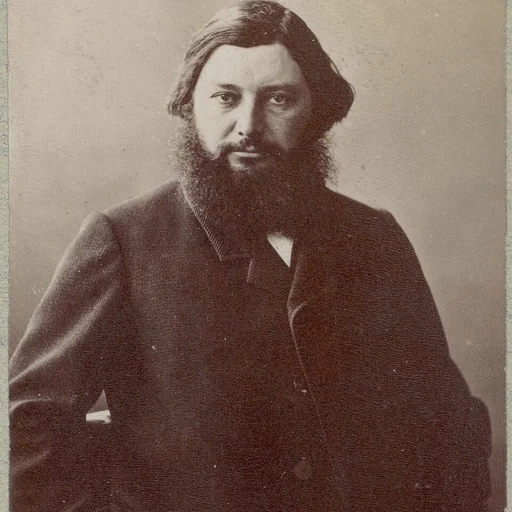
Jean Désiré Gustave Courbet (UK: KOOR-bay; US: koor-BAY; French: ; 10 June 1819 – 31 December 1877) was a French painter who led the Realism movement in 19th-century French painting.

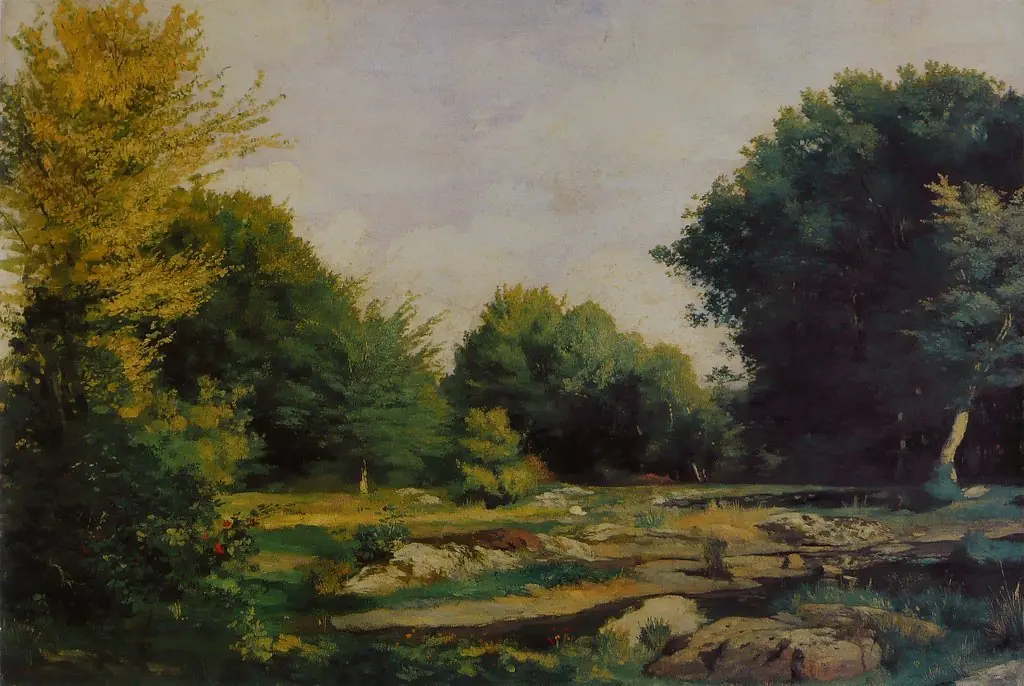 Clearing in the Woods
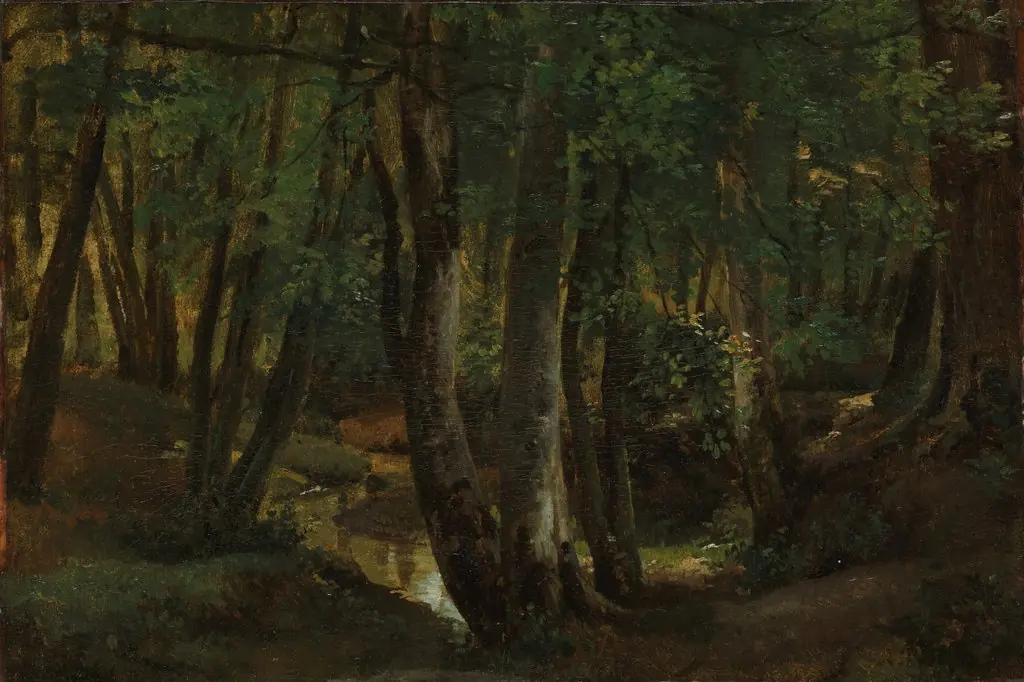 Interior of a Wood at Pierrefitte
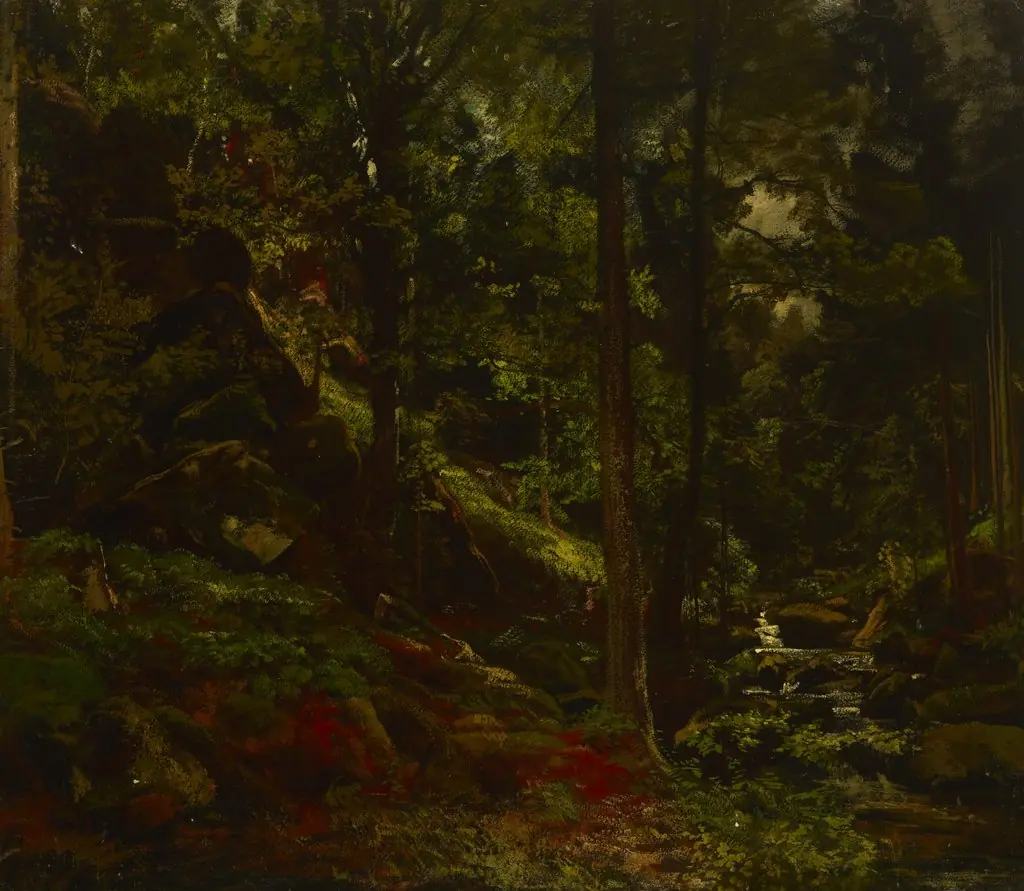 Stream in the Woods
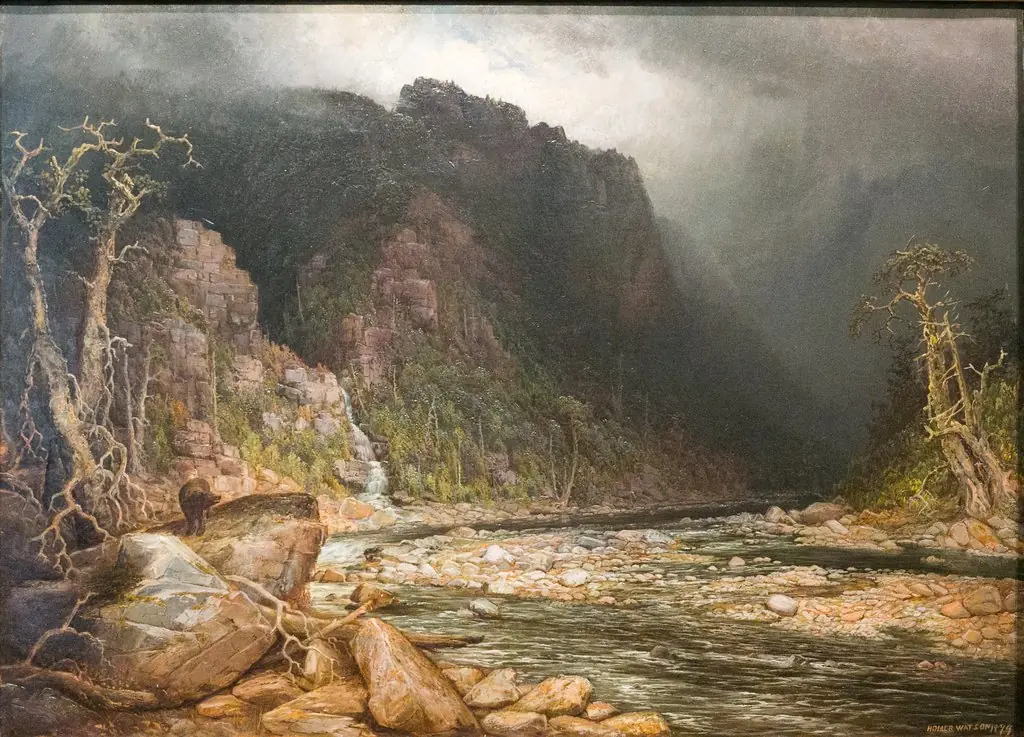 A Coming Storm in the Adirondacks
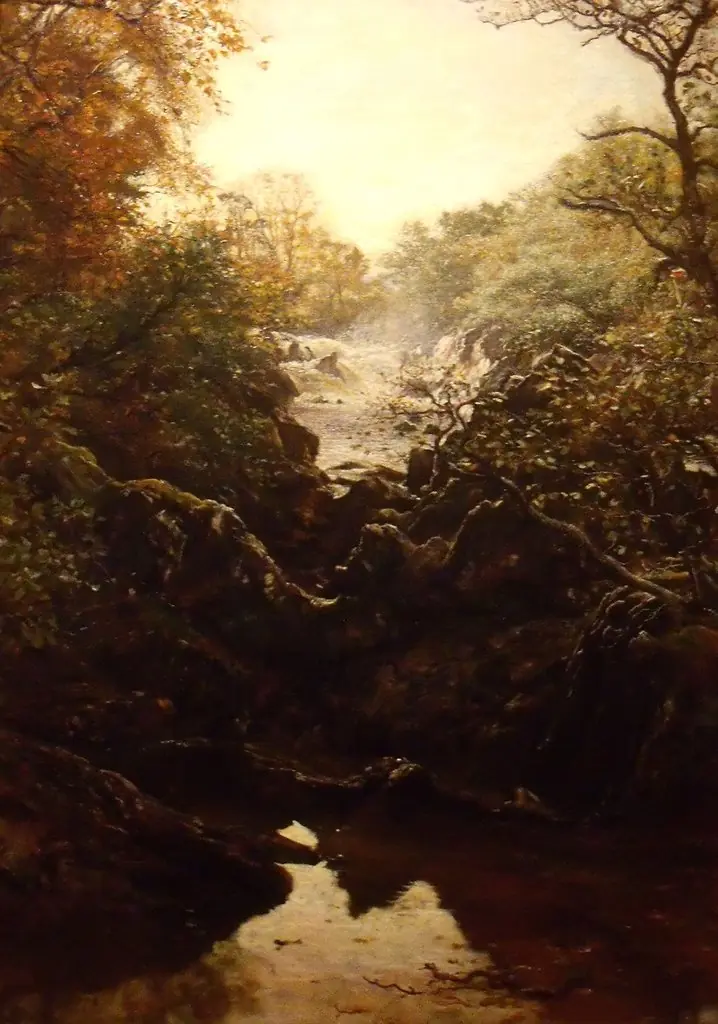 Saint Martin's Summer
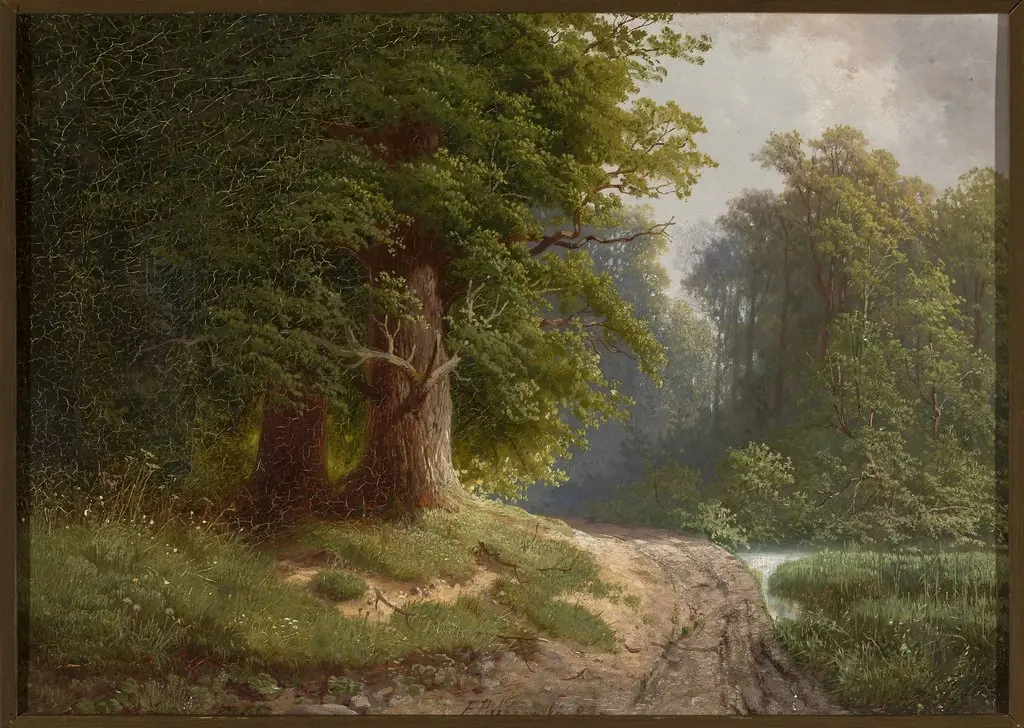 After the rain in autumn
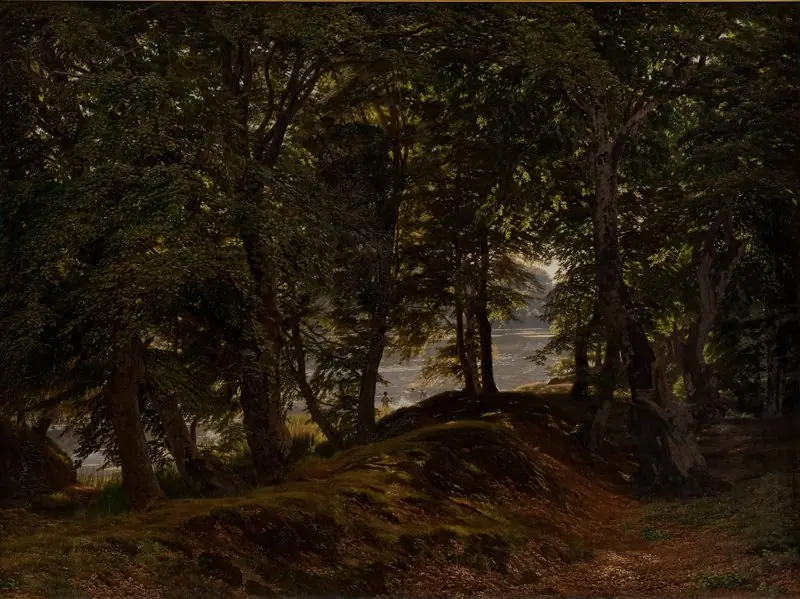 Et skyggefuldt sted i Hestehave ved Frederiksborg
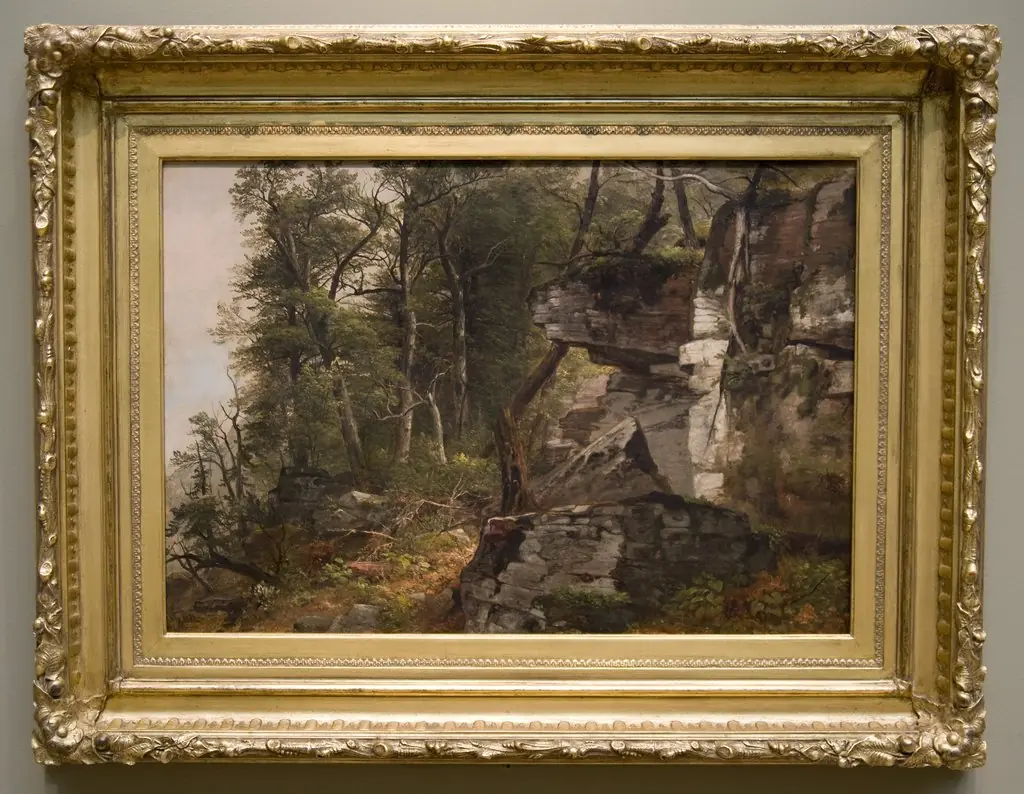 Trees on a Rocky Hillside
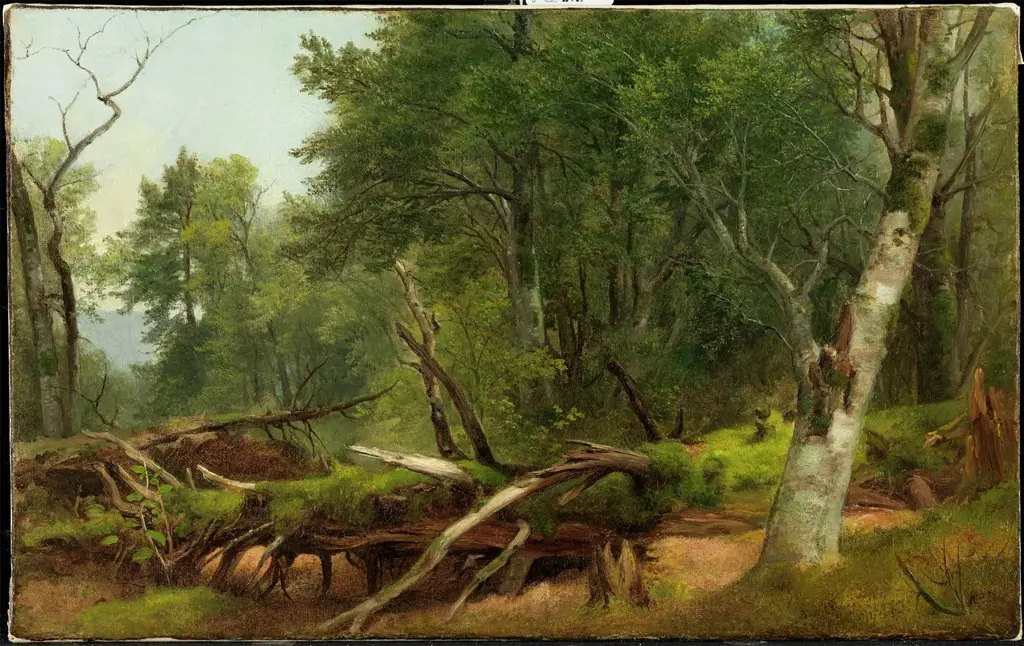 Forest Scene in the Catskills
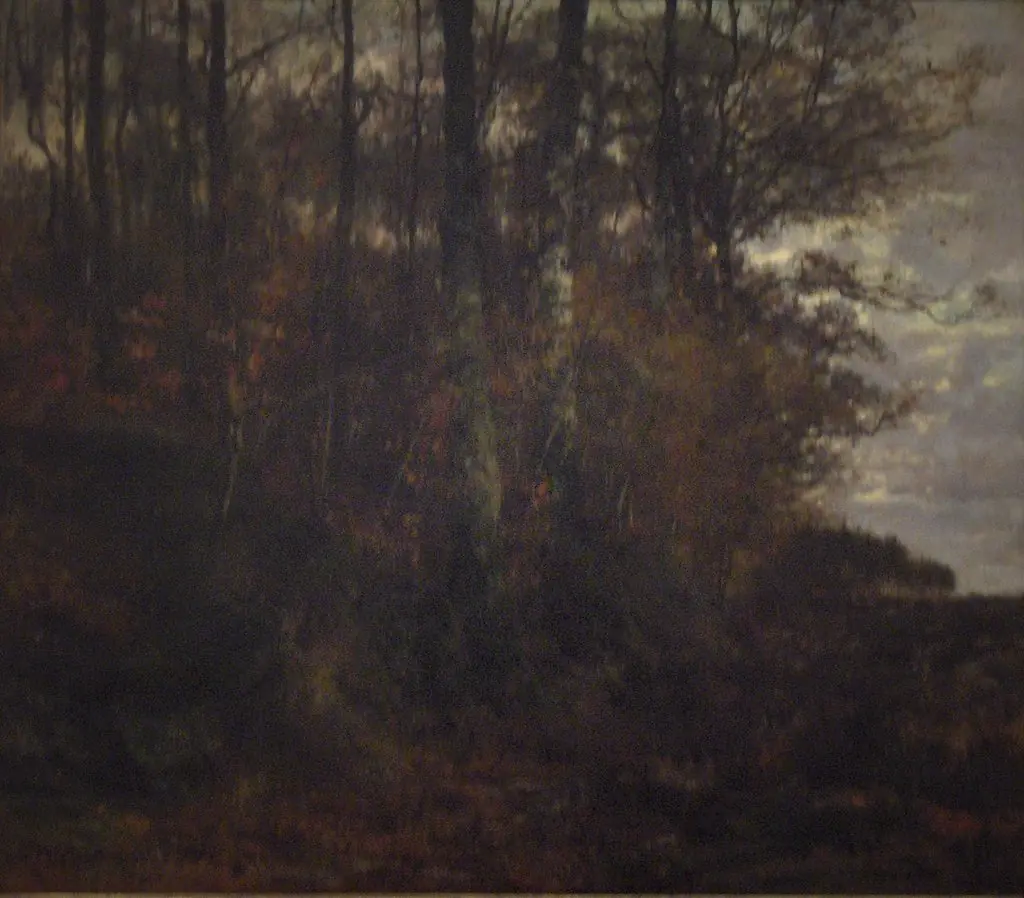 At the side of the forest
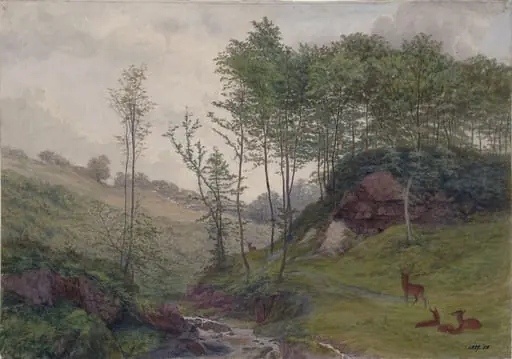 Rocky dingle with stream and deer
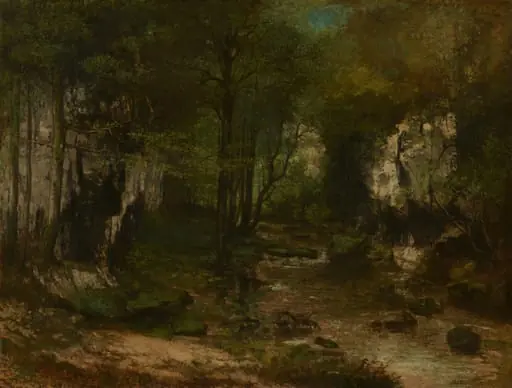 The Stream (Le Ruisseau du Puits-Noir; vallée de la Loue)