Artwork
Waves
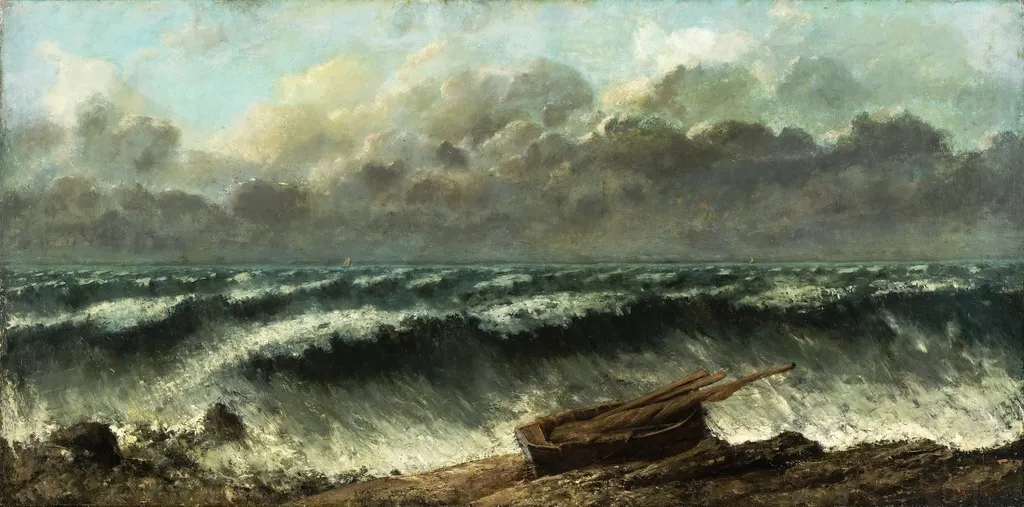
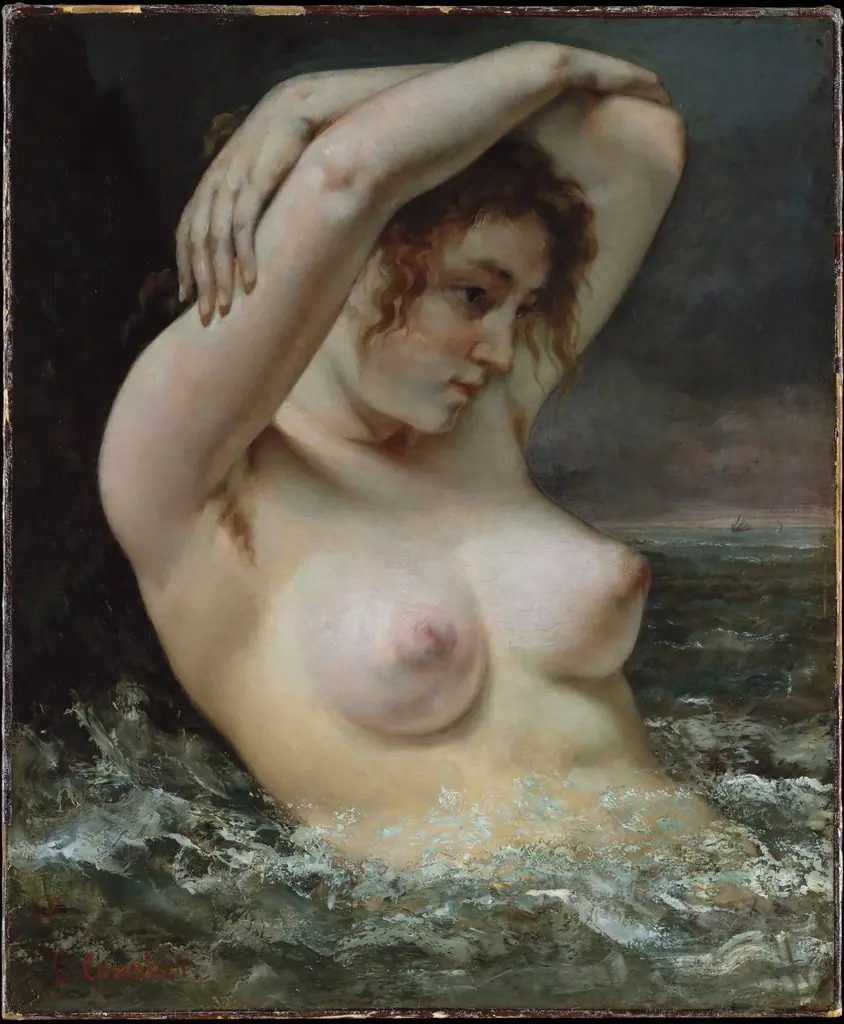
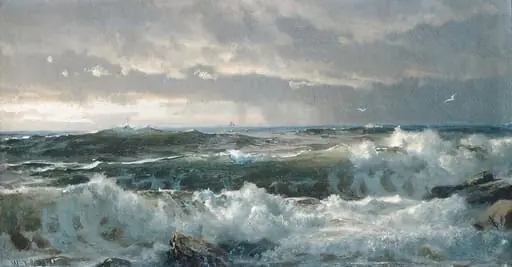
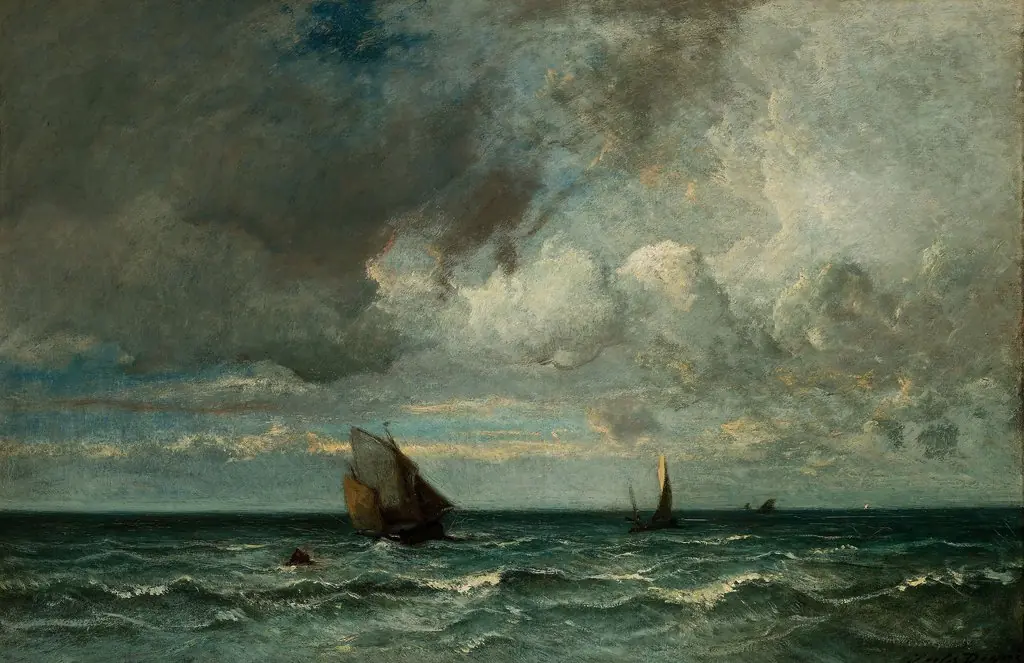
Waves is an oil painting by the Realist artist Gustave Courbet. It dates from 1869 and is held in the collection of the Philadelphia Museum of Art.
About this work
Overview
It belongs to a series of marine subjects he pursued during this period, emphasizing direct observation over idealized composition.
Painted in 1869, *Waves* is an oil on canvas work by Gustave Courbet that captures the raw force of the sea. It belongs to a series of marine subjects he pursued during this period, emphasizing direct observation over idealized composition. The painting reflects Courbet’s dedication to portraying nature as it appears, without embellishment, aligning with his broader Realist philosophy and distancing himself from the dramatic conventions of Romanticism.
Subject & Meaning
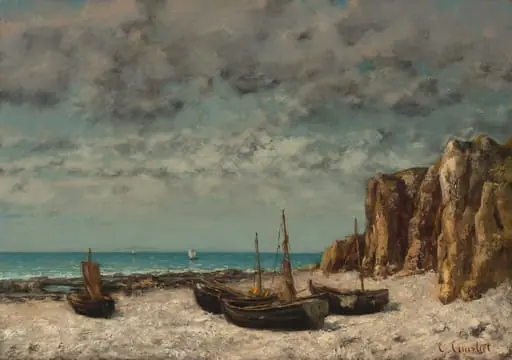
The painting presents a turbulent ocean crashing onto a barren shore, with a solitary, beached wooden boat and its oars resting uselessly in the foreground. The absence of human figures underscores nature’s autonomy and power. The storm-lit sky and churning waves convey a sense of elemental energy, not as a metaphor for human emotion, but as a physical phenomenon observed with unembellished clarity.
Technique & Style
Courbet employed thick, textured brushwork to render the waves, using impasto to build the foam and crests of the sea. Dark, heavy pigments define the water’s mass, while lighter strokes suggest spray and motion. The palette is restrained—grays, blues, and muted whites—enhancing the atmosphere of a wind-swept, overcast day. His handling of paint emphasizes materiality, making the surface itself an expression of the sea’s turbulence.
History & Provenance
Created during Courbet’s mature period, *Waves* was painted after his political involvement in the Paris Commune and during a time of personal artistic consolidation. It entered the Philadelphia Museum of Art’s collection in the early 20th century, acquired as part of a growing interest in French Realism among American collectors. The work has remained in the museum’s holdings since, consistently exhibited as a key example of Courbet’s marine studies.
Context
In the late 1860s, Courbet turned increasingly to natural landscapes, particularly coastal scenes, as a means to explore perception and materiality. His rejection of mythological or sentimental themes aligned with broader shifts in European art toward empiricism. *Waves* reflects this trend, standing alongside other works that treated ordinary natural phenomena as worthy subjects of serious artistic inquiry.
Legacy
Courbet’s direct approach to painting nature influenced later artists who sought to capture transient effects of light and motion. His emphasis on physical brushwork and unidealized form prefigured aspects of Impressionist technique and even the fragmented surfaces of early Cubism. Though not widely celebrated in his lifetime for these marine works, they are now recognized as pivotal in the evolution of modern painting’s engagement with the visible world.
Artist & collection
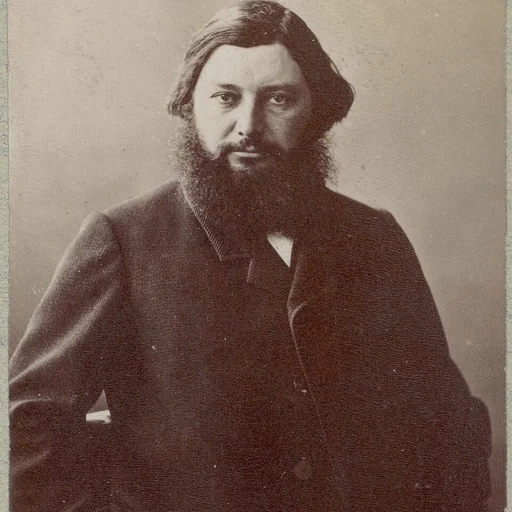
Artist
Jean Désiré Gustave Courbet (UK: KOOR-bay; US: koor-BAY; French: ; 10 June 1819 – 31 December 1877) was a French painter who led the Realism movement in 19th-century French painting.