Artwork
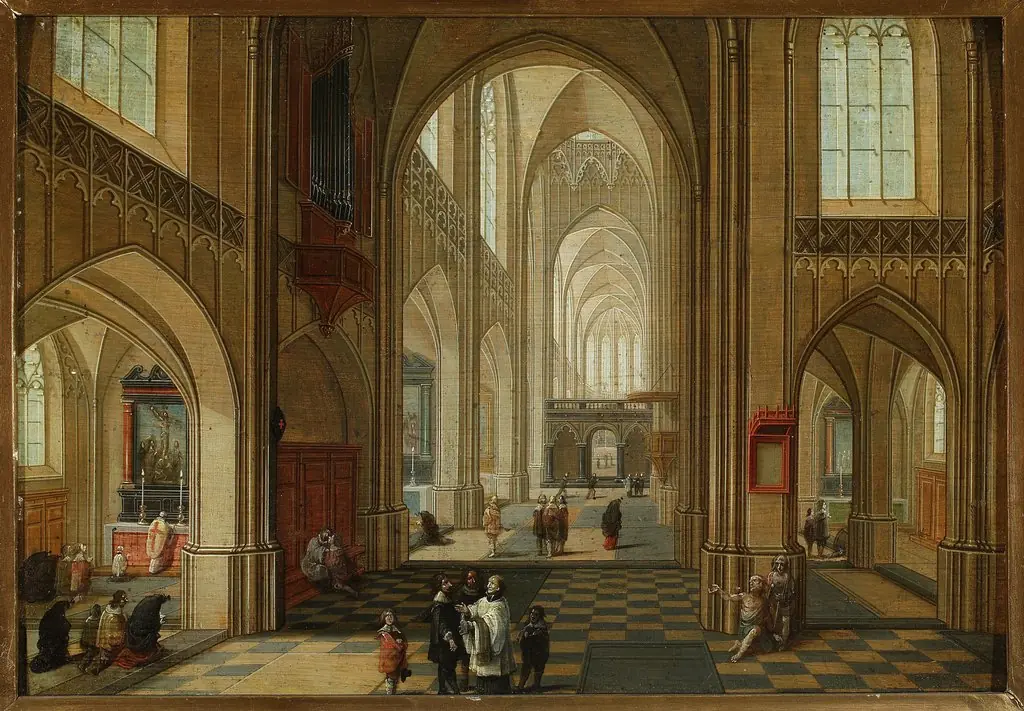
Kerkinterieur
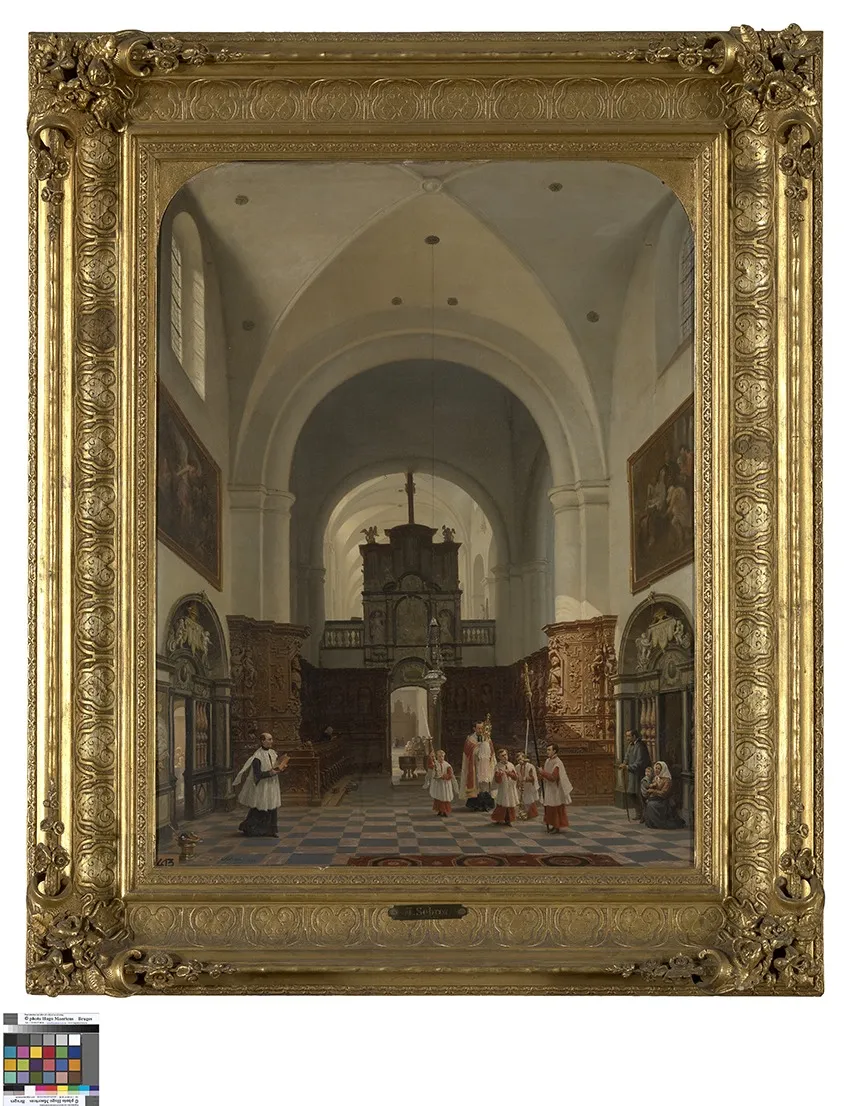
Kerkinterieur is an oil painting by the Realist artist H. Sebron. It dates from 1858 and is held in the collection of the Groeningemuseum. Created in 1858, this oil on canvas by H.
About this work
Overview
Figures in white robes, including a young altar server and a priest, occupy the foreground, emphasizing the ritual atmosphere.
Created in 1858, this oil on canvas by H. Sebron portrays a solemn liturgical gathering within a vaulted church space. The composition centers on a dark wooden altar, flanked by rows of elaborately carved pews and a high, arched ceiling that channels light across the whitewashed walls. Figures in white robes, including a young altar server and a priest, occupy the foreground, emphasizing the ritual atmosphere.
Subject & Meaning
The work captures a moment of religious ceremony, focusing on the interaction between clergy and participants. The presence of the altar server alongside the priest underscores the transmission of ecclesiastical duties, while the collective posture of the congregants conveys communal devotion. The painting invites contemplation of 19th‑century worship practices and the spatial hierarchy inherent in sacred architecture.
Technique & Style
Sebron employs a restrained palette of muted whites, deep browns, and subtle ochres, allowing the chiaroscuro of natural light to model the interior’s volume. Careful brushwork renders the intricate woodwork of the altar and pews, while broader strokes suggest the vaulted ceiling’s curvature. The overall effect balances realism with a quiet, reverential tone characteristic of mid‑century Dutch genre painting.
History & Provenance
Since its completion, the canvas has been part of the Groeningemuseum’s collection, where it remains on display. The museum’s acquisition reflects its commitment to preserving works that document regional religious life and the oeuvre of lesser‑known Dutch artists such as Sebron, whose career spanned the mid‑1800s.
Artist & collection
Artist
H. Sebron kept a studio above a laundry in 1850s Paris, where the smell of soap mingled with linseed oil. His quiet city views feel like postcards you’d tuck into a drawer and forget, until you notice the way he paints…

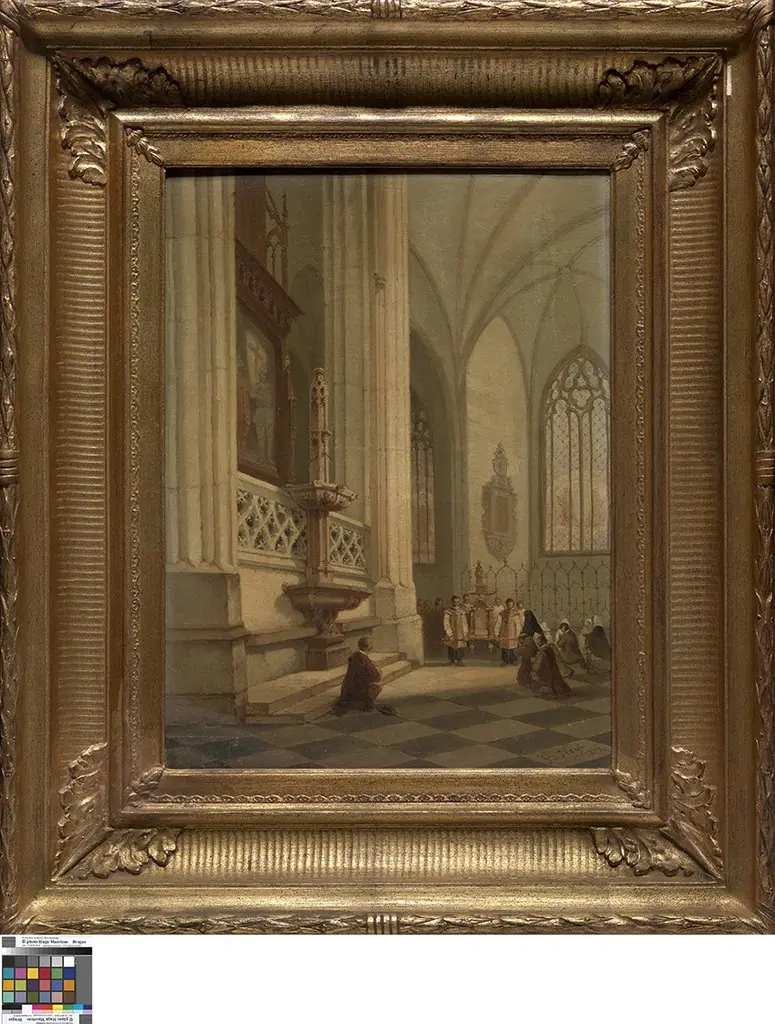 Absis van de kathedraal van Freiburg
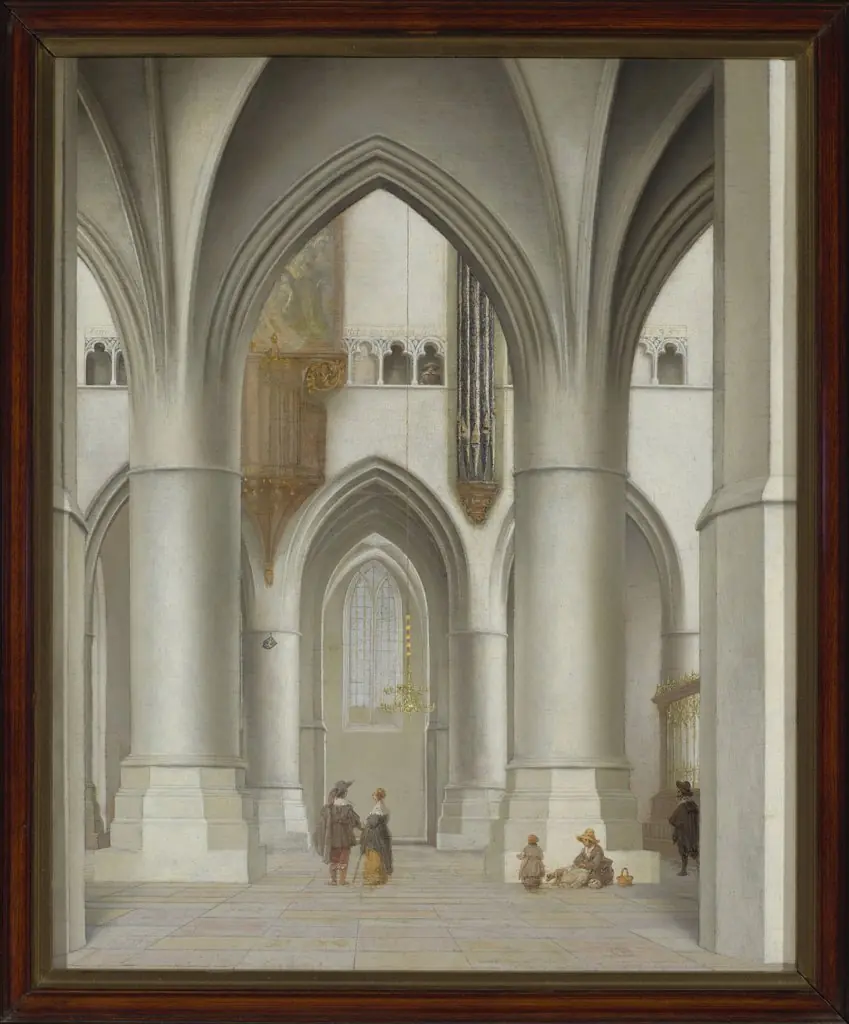 View of the interior of the St. Bavo Church in Haarlem
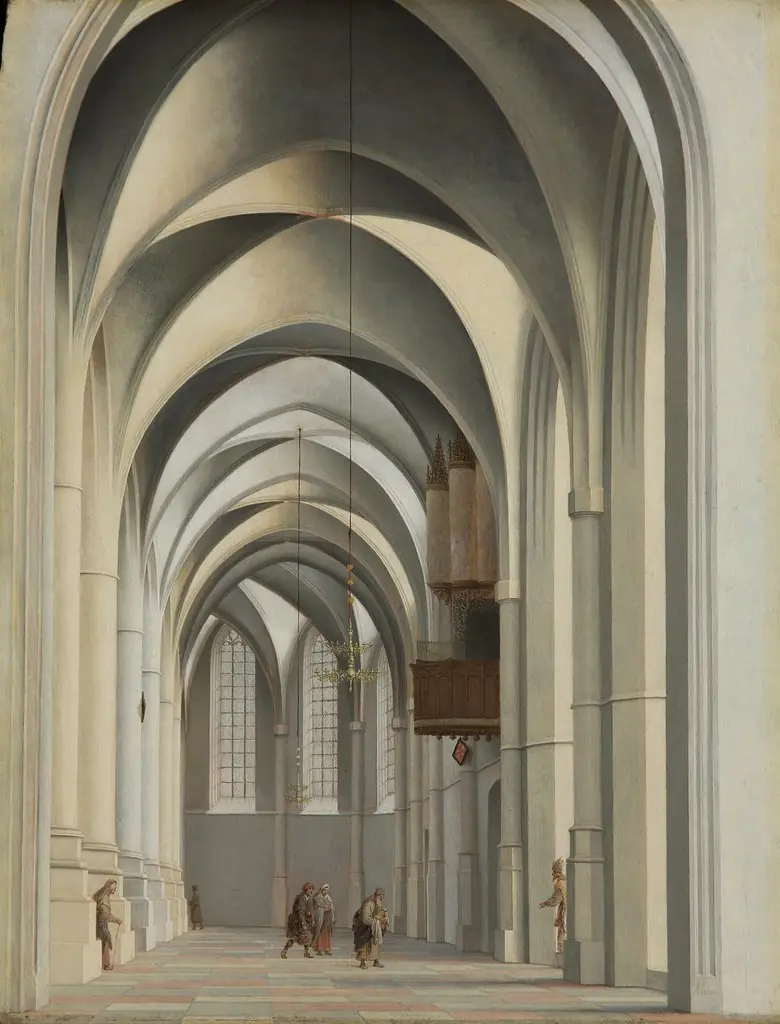 View of the ambulatory of the Grote or St. Bavokerk in Haarlem.
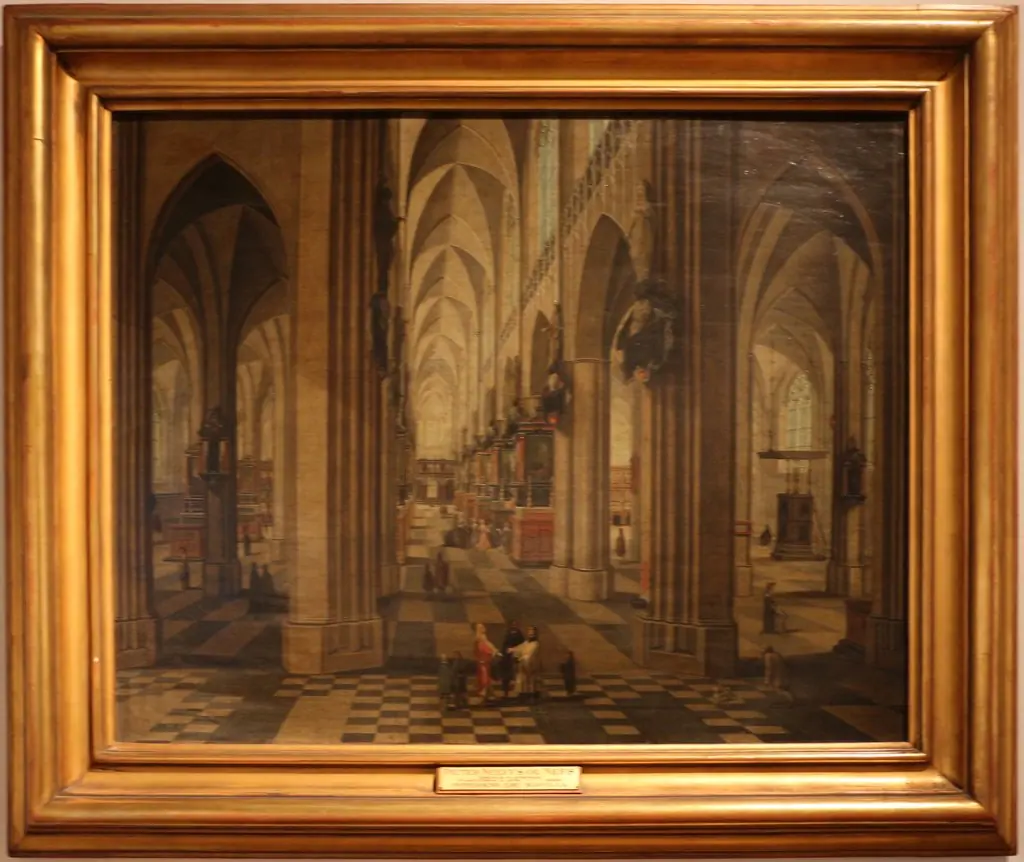 Interior da Catedral de Antuérpia
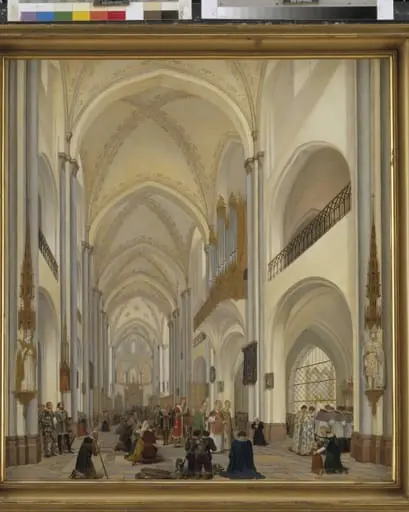 The Interior of Roskilde Cathedral
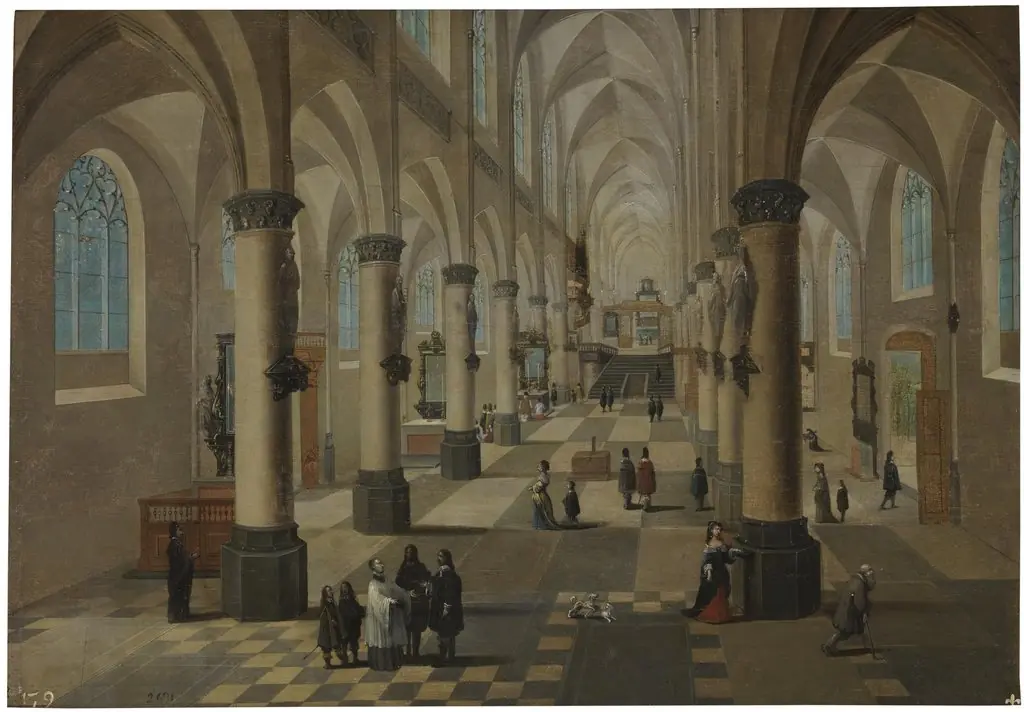 Interior of a church in Flanders
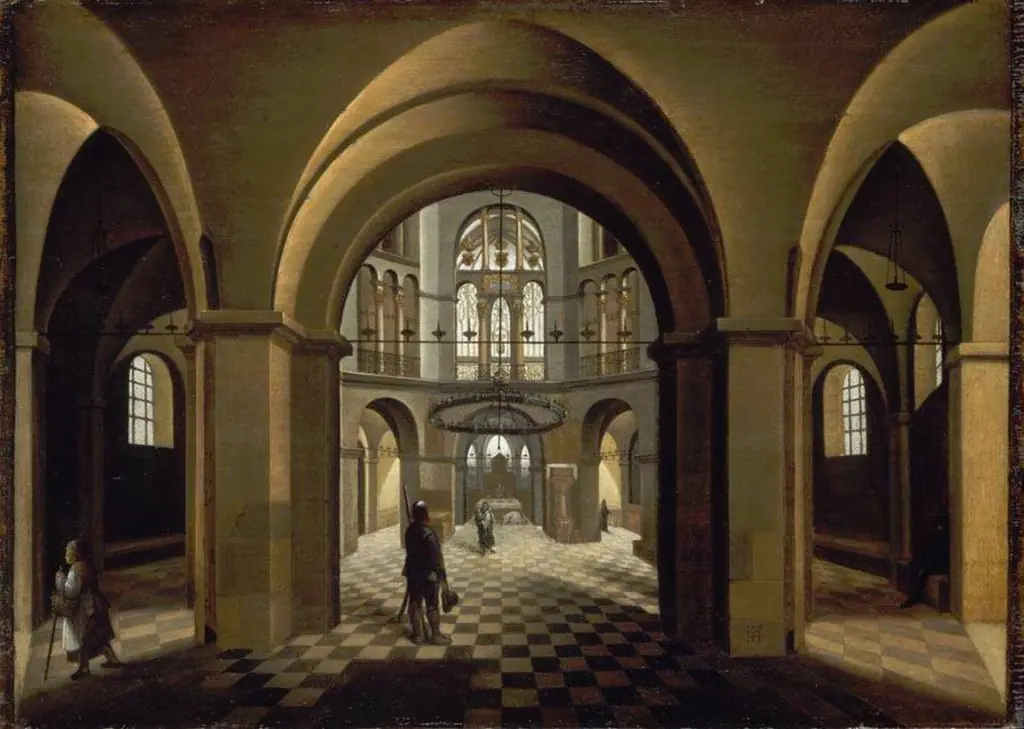 Interior of the Palatine Chapel in the Cathedral of Aachen
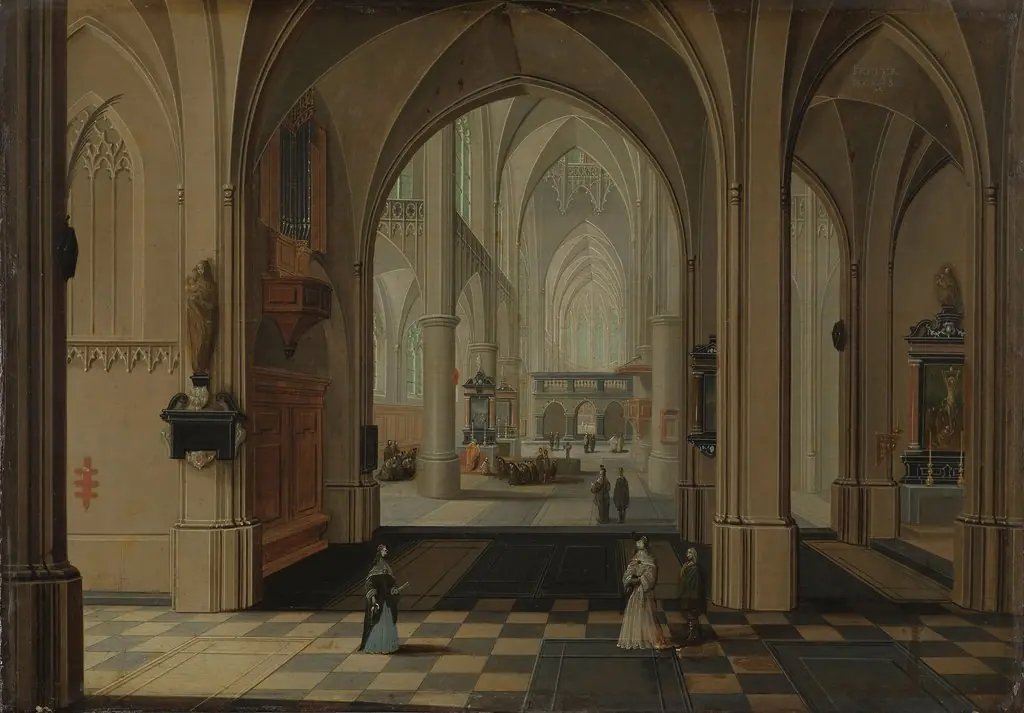 Church interior
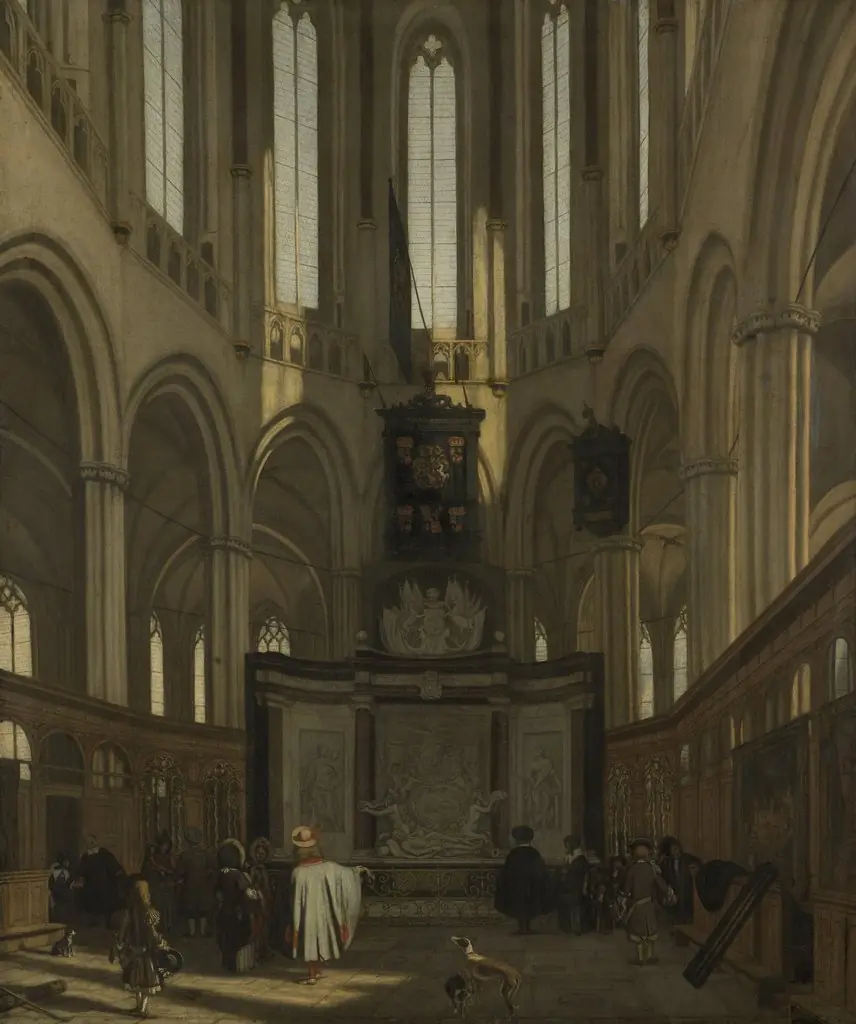 The Tomb of Michiel de Ruyter in the Nieuwe Kerk, Amsterdam
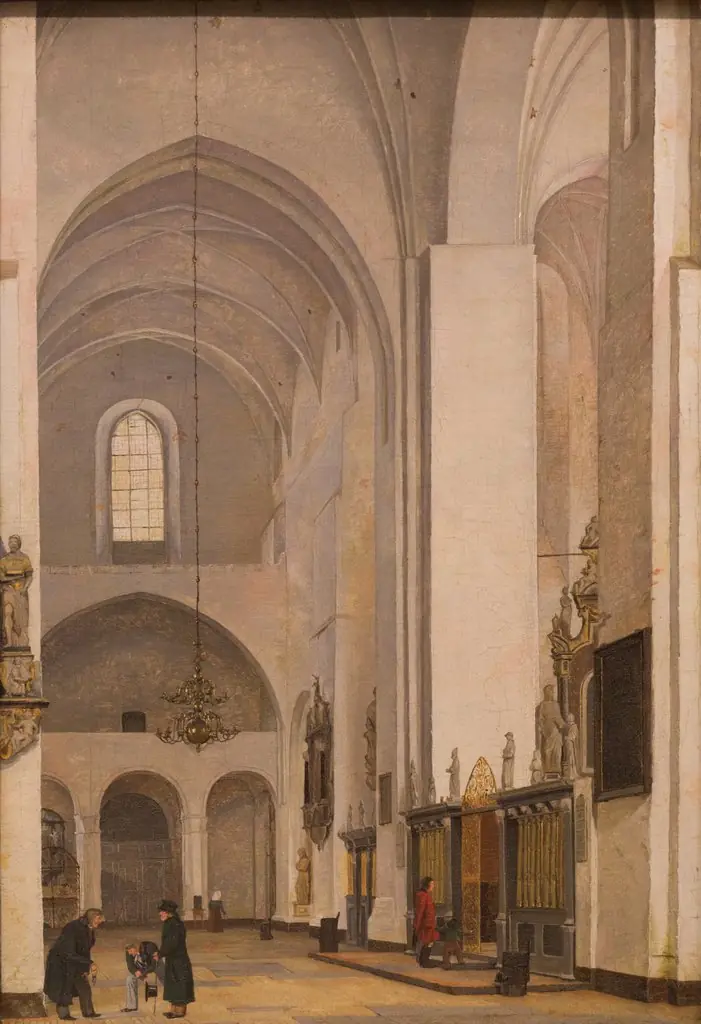 The Transept of Århus Cathedral
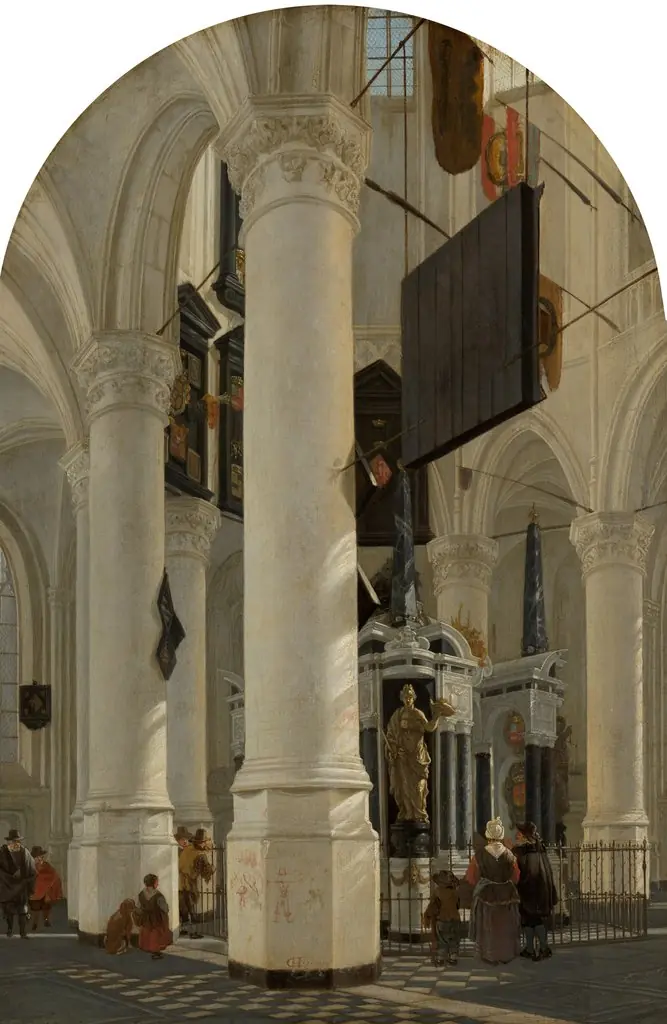 The Tomb of William the Silent in the Nieuwe Kerk in Delft
 Church interior