Artwork
Holy Family with Child St. John
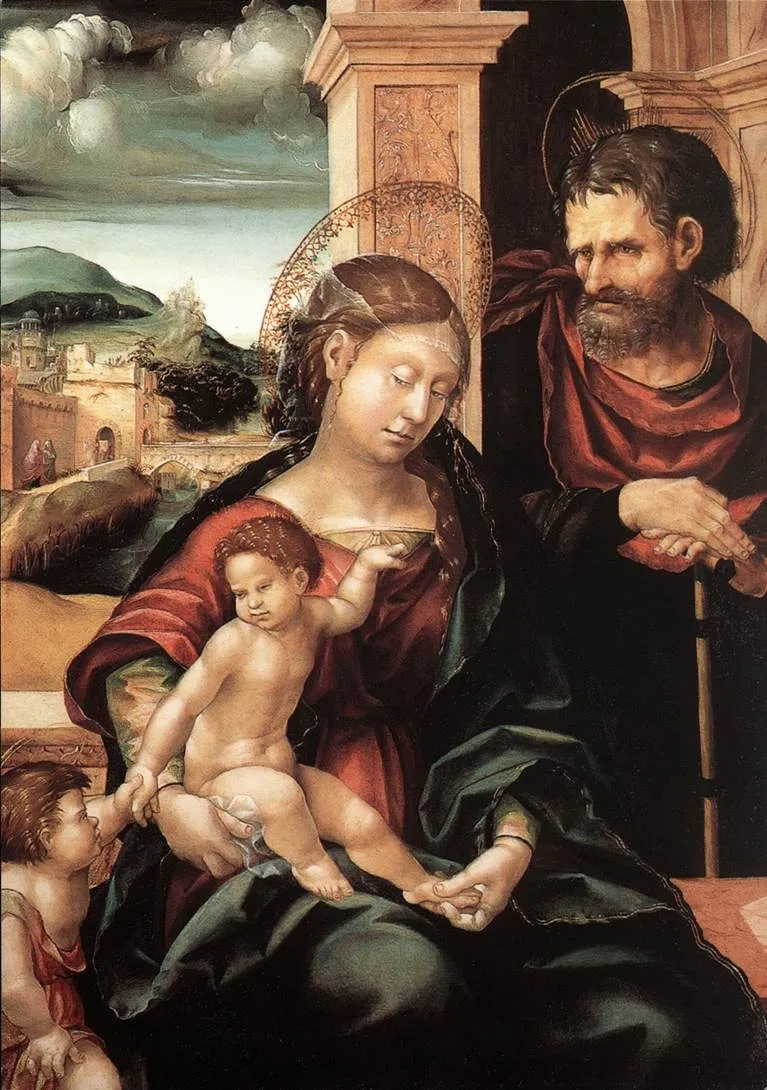
Holy Family with Child St. John is an oil painting by the Northern Renaissance artist Hans Burgkmair the Elder. It dates from 1525 and is held in the collection of the Gemäldegalerie Berlin.
About this work
Overview
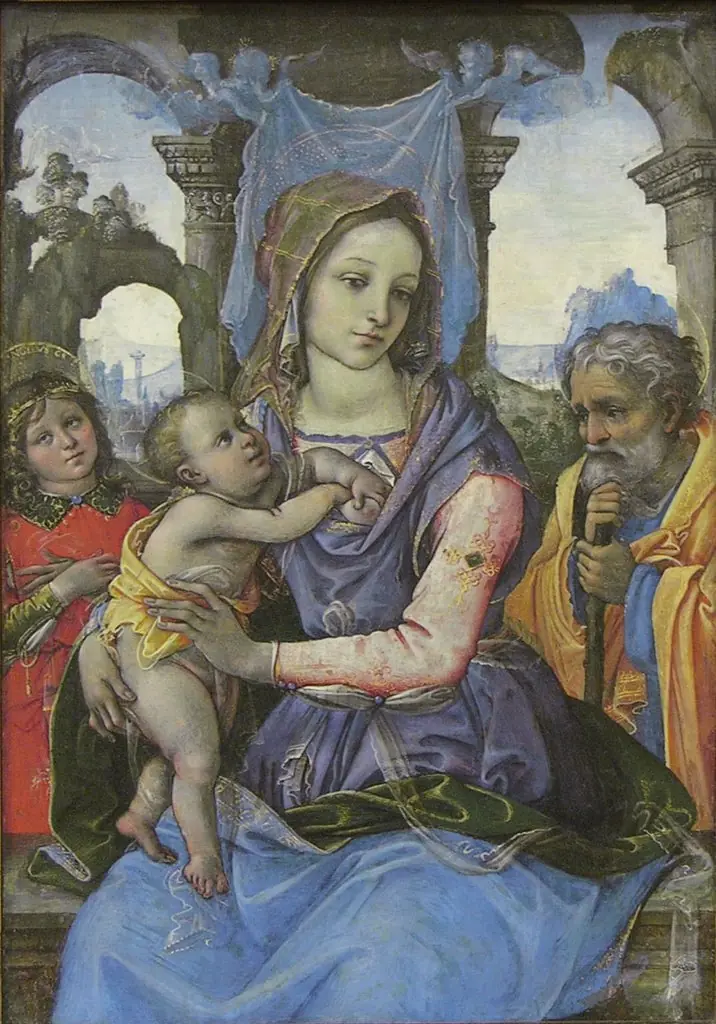
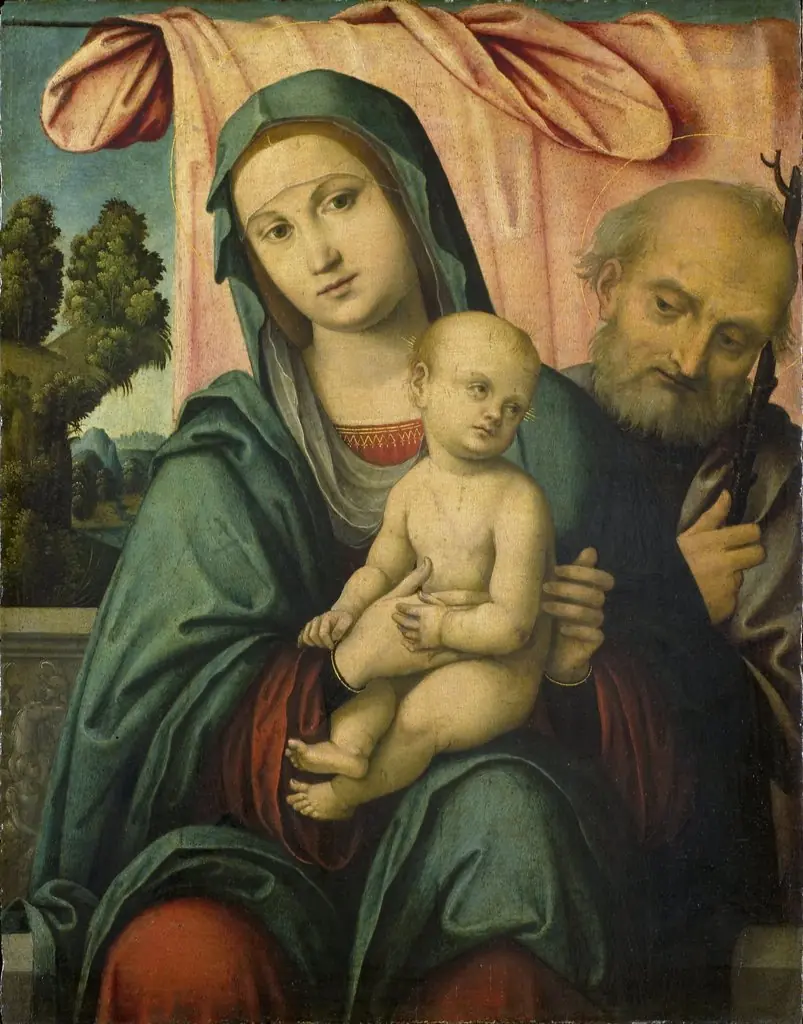
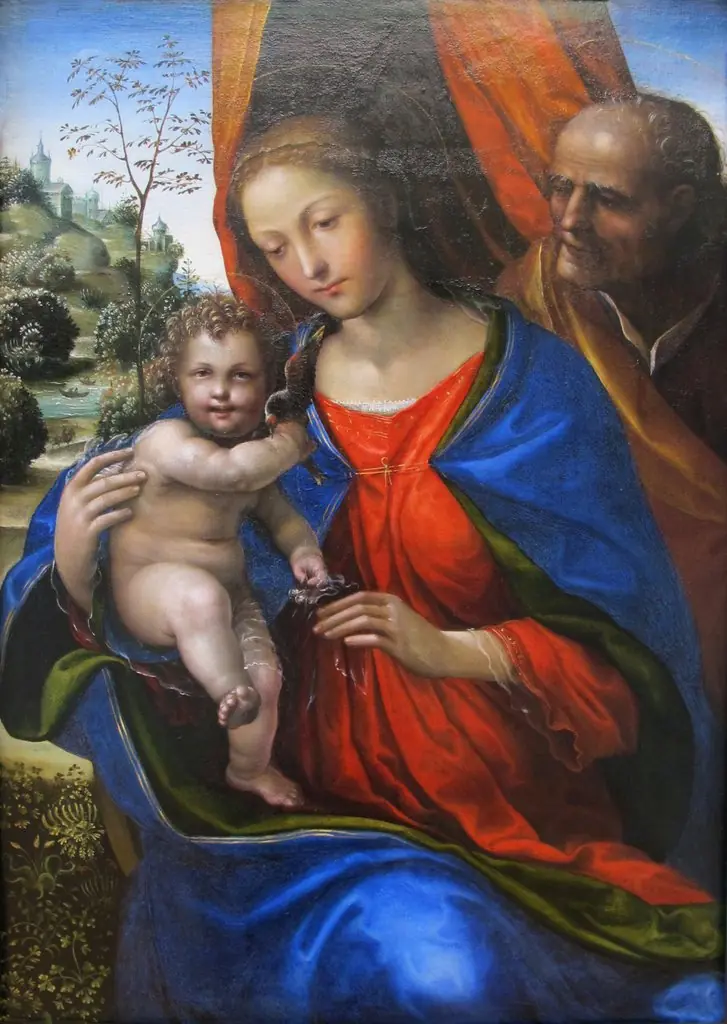
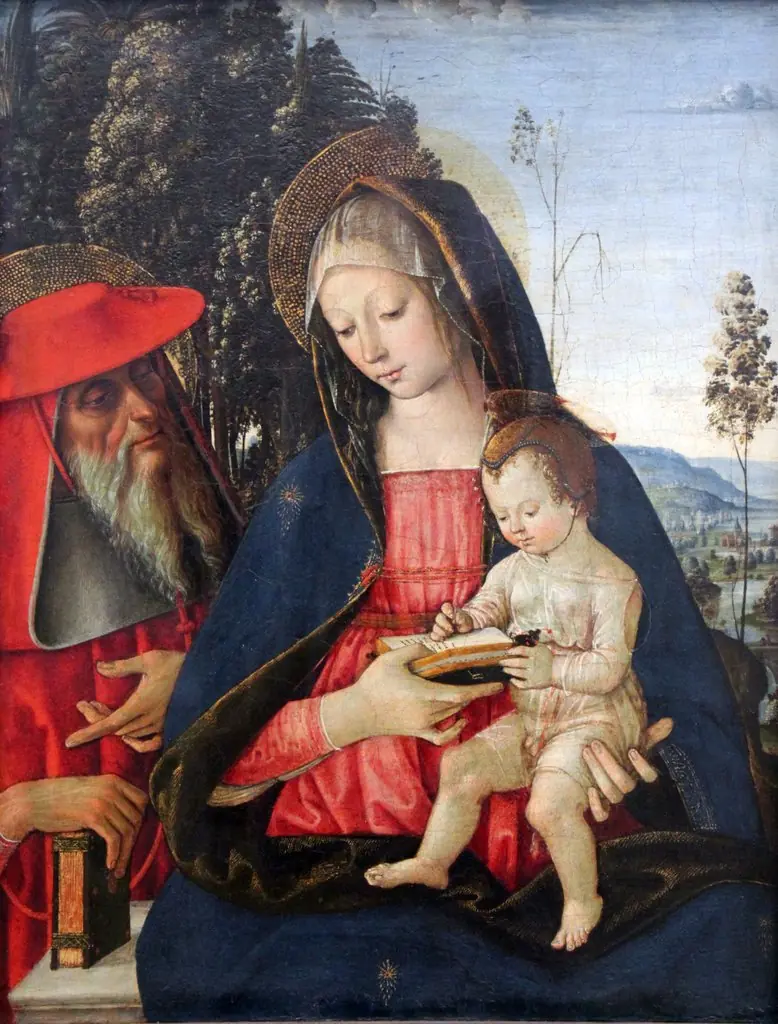
The work presents a domestic scene in which the Virgin Mary cradles the infant Jesus, while a youthful John the Baptist reaches toward the pair.
Hans Burgkmair the Elder’s oil painting, Holy Family with Child St. John, dates from 1525 and is part of the Gemäldegalerie Berlin collection. The work presents a domestic scene in which the Virgin Mary cradles the infant Jesus, while a youthful John the Baptist reaches toward the pair. A bearded Joseph stands nearby, observing the family. The composition is set against a modest townscape under a cloudy sky.
Subject & Meaning
The image brings together the central figures of Christian devotion: Mary, the newborn Christ, and the infant John the Baptist, who is traditionally portrayed as a precursor to Jesus. Their close proximity emphasizes the familial bond and foreshadows John’s future role as the herald of Christ. The attentive gestures of the children and Joseph’s watchful presence convey themes of protection, innocence, and divine destiny.
Technique & Style
Executed in oil on panel, Burgkmair employs a balanced use of light and shadow that gives the figures a three‑dimensional presence. The dark red garment with gold trim and the simple brown robe of Joseph are rendered with careful modeling, while the soft flesh tones of the infants contrast with the muted background. The townscape, rendered in fine detail, provides a realistic setting that grounds the sacred narrative.
History & Provenance
Created in the early sixteenth century, the painting reflects Burgkmair’s mature period in Augsburg, where he was known for integrating Northern Renaissance detail with emerging Italian influences. After remaining in private hands for several centuries, the work entered the Gemäldegalerie Berlin’s holdings in the twentieth century, where it continues to be displayed as part of the museum’s German Renaissance collection.
Artist & collection
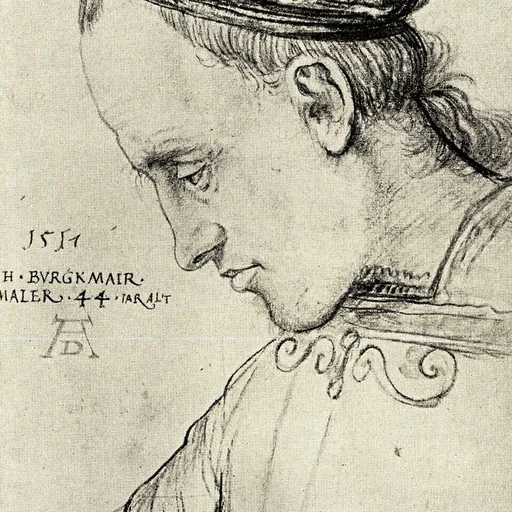
Artist
Hans Burgkmair the Elder (1473–1531) was a German artist, born in Augsburg.