Artwork
Portrait of Thomas Godsalve and his Son John
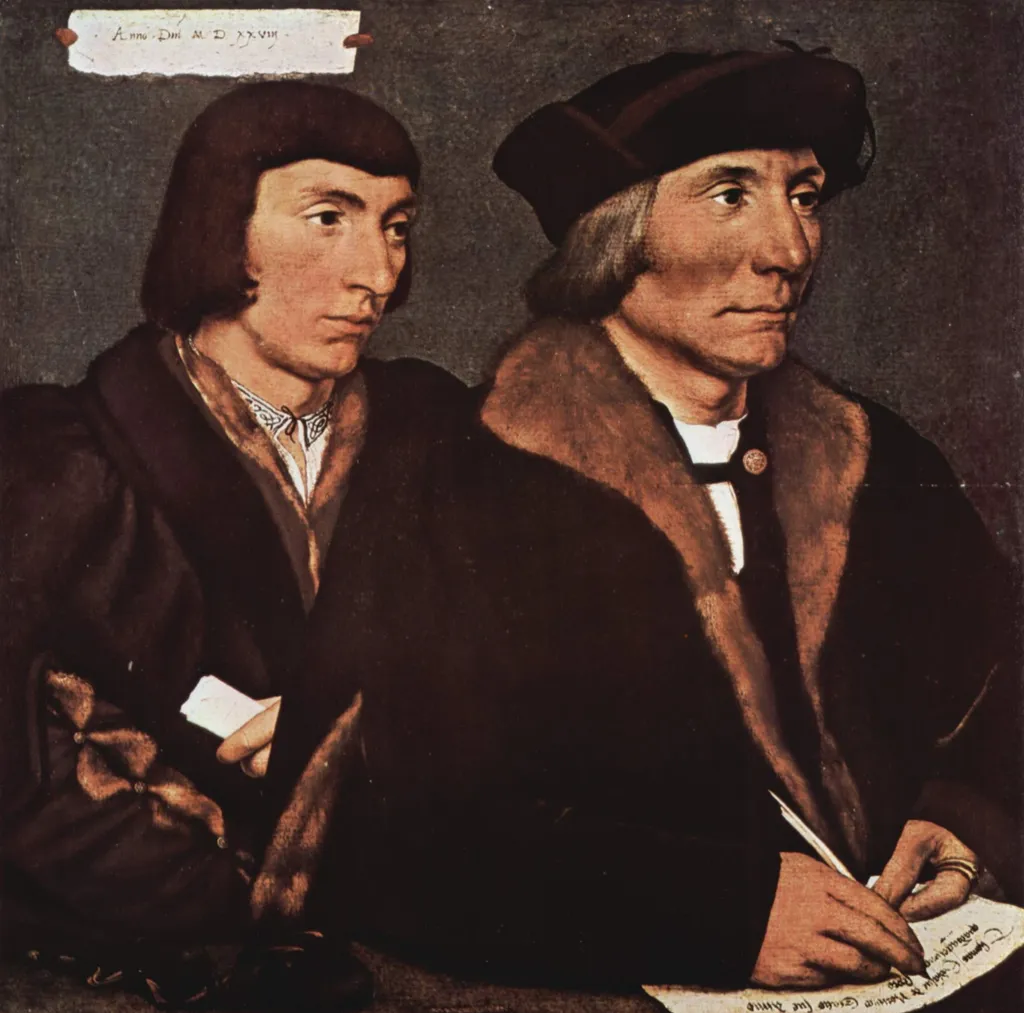
Portrait of Thomas Godsalve and his Son John is an oil painting by the Northern Renaissance artist Hans Holbein the Younger. It dates from 1528 and is held in the collection of the Staatliche Kunstsammlungen Dresden.
About this work
Overview
Executed during Holbein’s early years in England, the work exemplifies the Northern Renaissance focus on precise observation and quiet dignity.
Painted in 1528, this oil-on-panel portrait by Hans Holbein the Younger presents Thomas Godsalve and his son John seated side by side. Executed during Holbein’s early years in England, the work exemplifies the Northern Renaissance focus on precise observation and quiet dignity. The composition is restrained, with no elaborate setting, directing attention entirely to the figures and their subtle interaction.
Subject & Meaning
Thomas Godsalve, the elder, is depicted in the act of writing, suggesting his role as a man of letters or administration. His son John, younger and turned slightly away, conveys a sense of quiet contemplation. The pairing reflects familial continuity and the transmission of social standing. Neither figure is idealized; their expressions and postures convey a sober, introspective realism typical of Holbein’s approach to portraiture.
Technique & Style
Holbein employed fine brushwork to render textures—the fur collar, the paper, the fabric folds—with meticulous care. The dark, neutral background isolates the figures, enhancing their three-dimensionality. Light falls evenly, avoiding dramatic contrast, which reinforces the calm, documentary tone. His handling of facial features is exacting, capturing subtle aging and individual character without sentimentality.
History & Provenance
The painting entered the collection of the Gemäldegalerie Alte Meister in Dresden, where it remains today. Its early history is not fully documented, but its survival in good condition suggests it was valued by collectors from an early date. Holbein’s reputation as a portraitist likely contributed to its preservation, even as political and religious upheavals reshaped European art patronage.
Context
Created during Holbein’s first stay in England, the portrait reflects the growing demand for individualized portraiture among the merchant and administrative classes. Unlike courtly portraits of the time, this work lacks heraldic symbols or grandeur, instead emphasizing personal presence. It aligns with broader Northern European trends favoring psychological depth over ceremonial display.
Legacy
The portrait stands as a quiet testament to Holbein’s ability to convey character through restraint. It influenced later generations of portraitists who sought authenticity over ornamentation. While not widely exhibited, its inclusion in a major European collection affirms its status as a significant example of early 16th-century secular portraiture.
Artist & collection
Artist
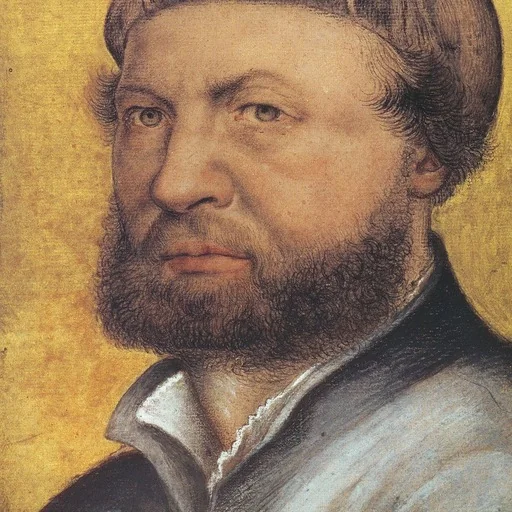
Hans Holbein the Younger (UK: HOL-byne, US: HOHL-byne, HAWL-; German: Hans Holbein der Jüngere; c.

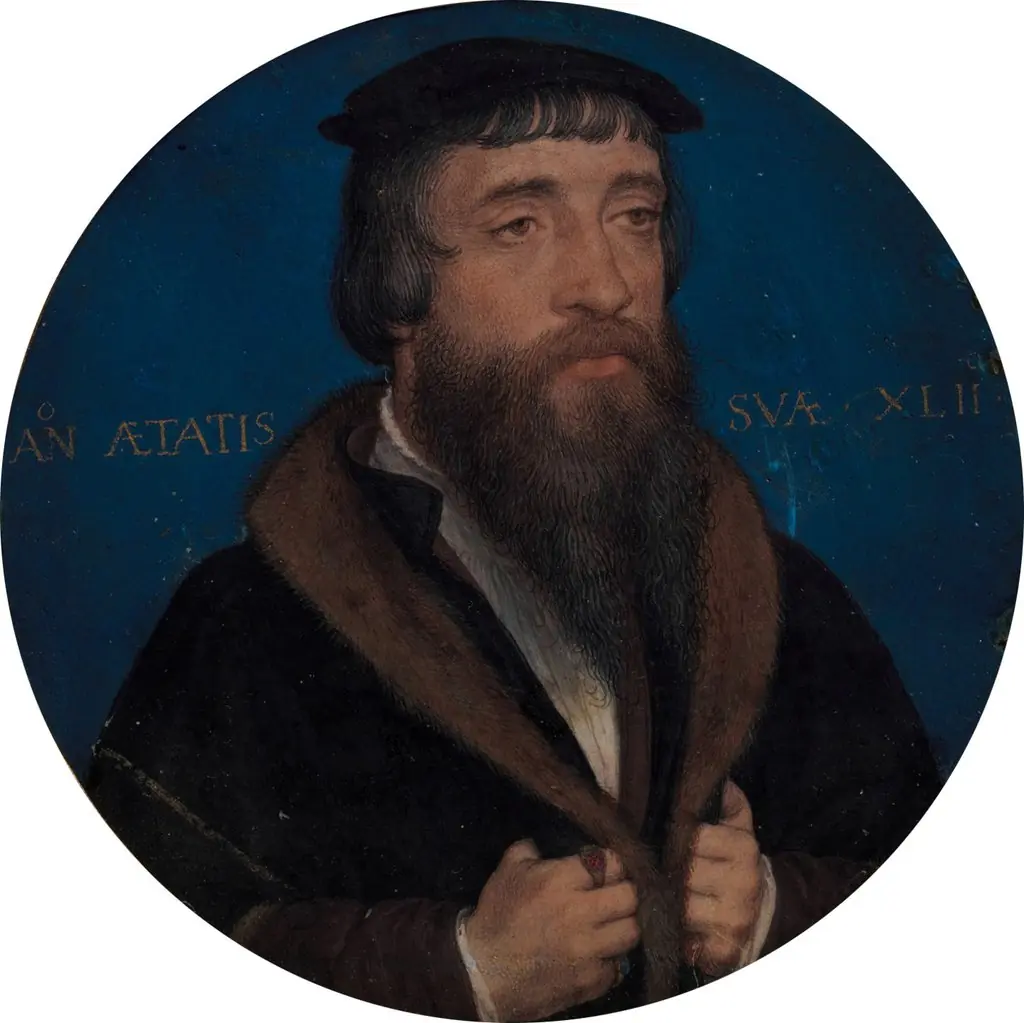
 Portrait of a Man
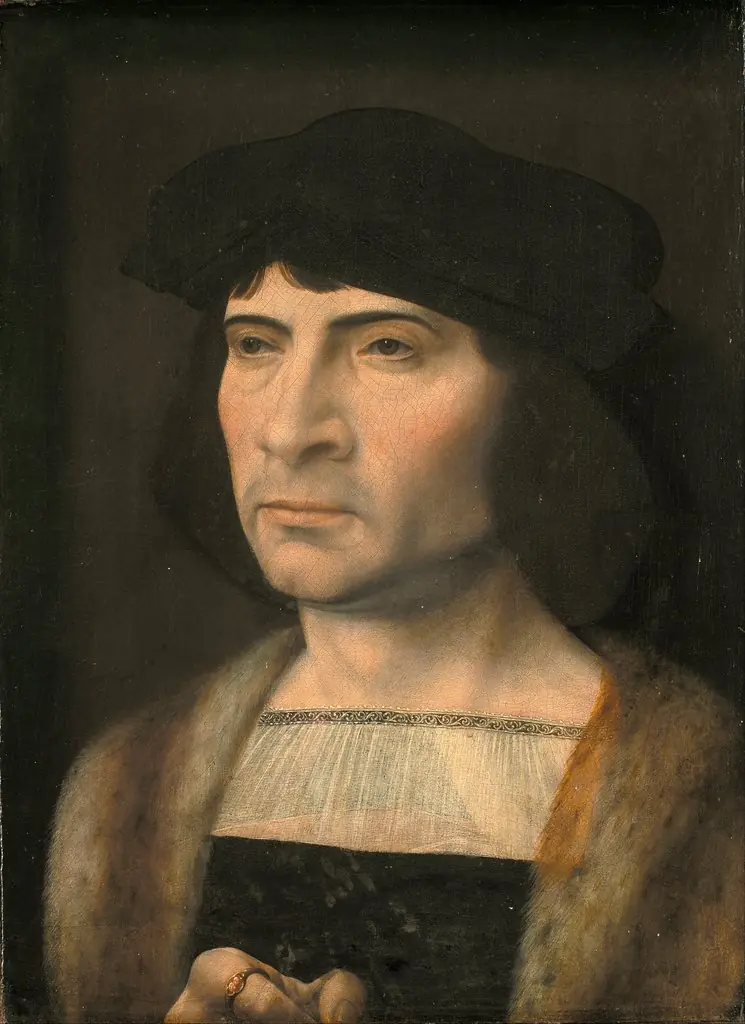 Portrait of a Man
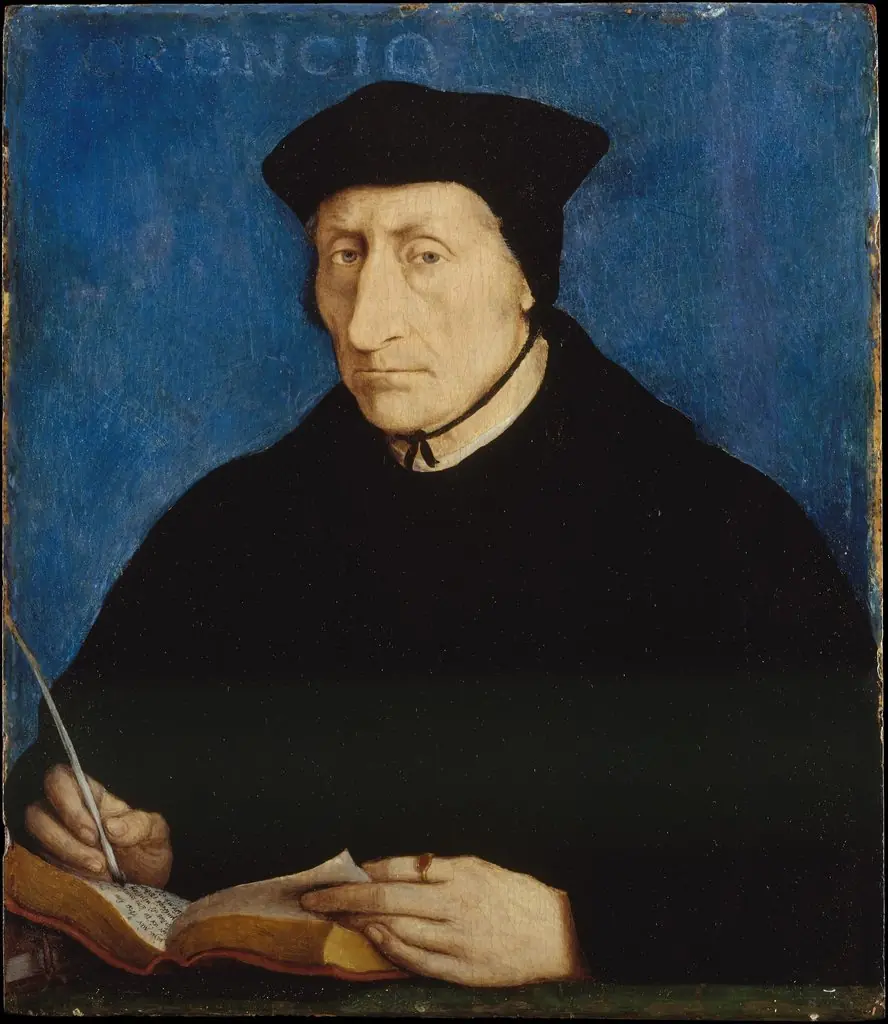 Guillaume Budé (1467–1540)
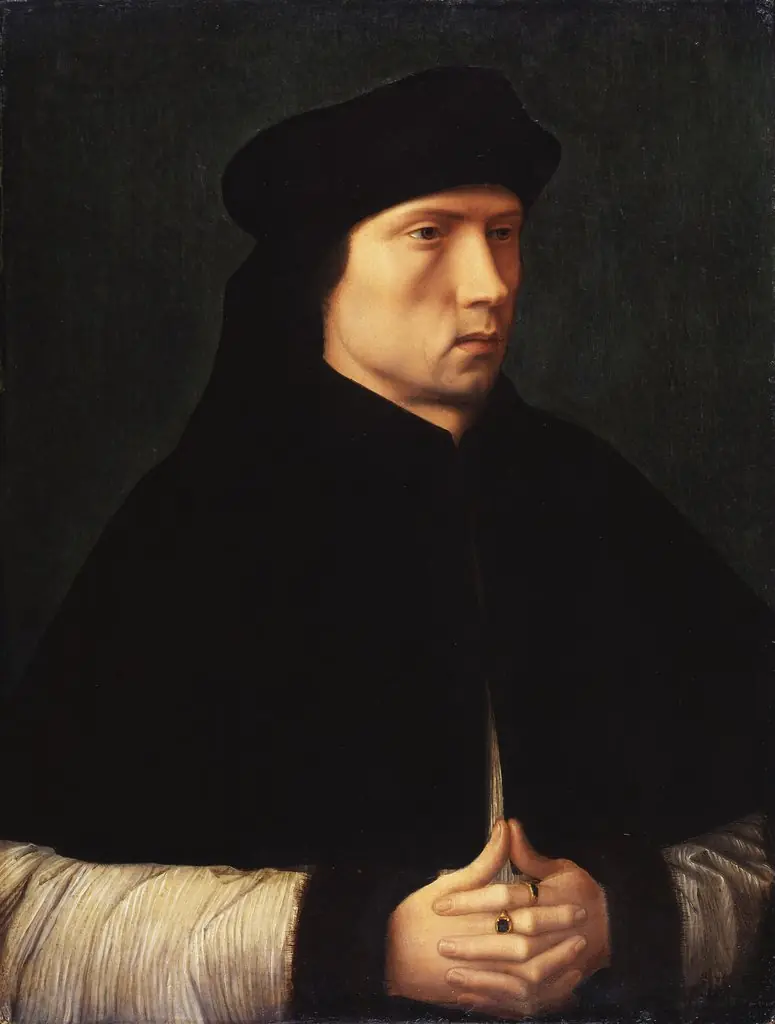 Portrait of a Theologian
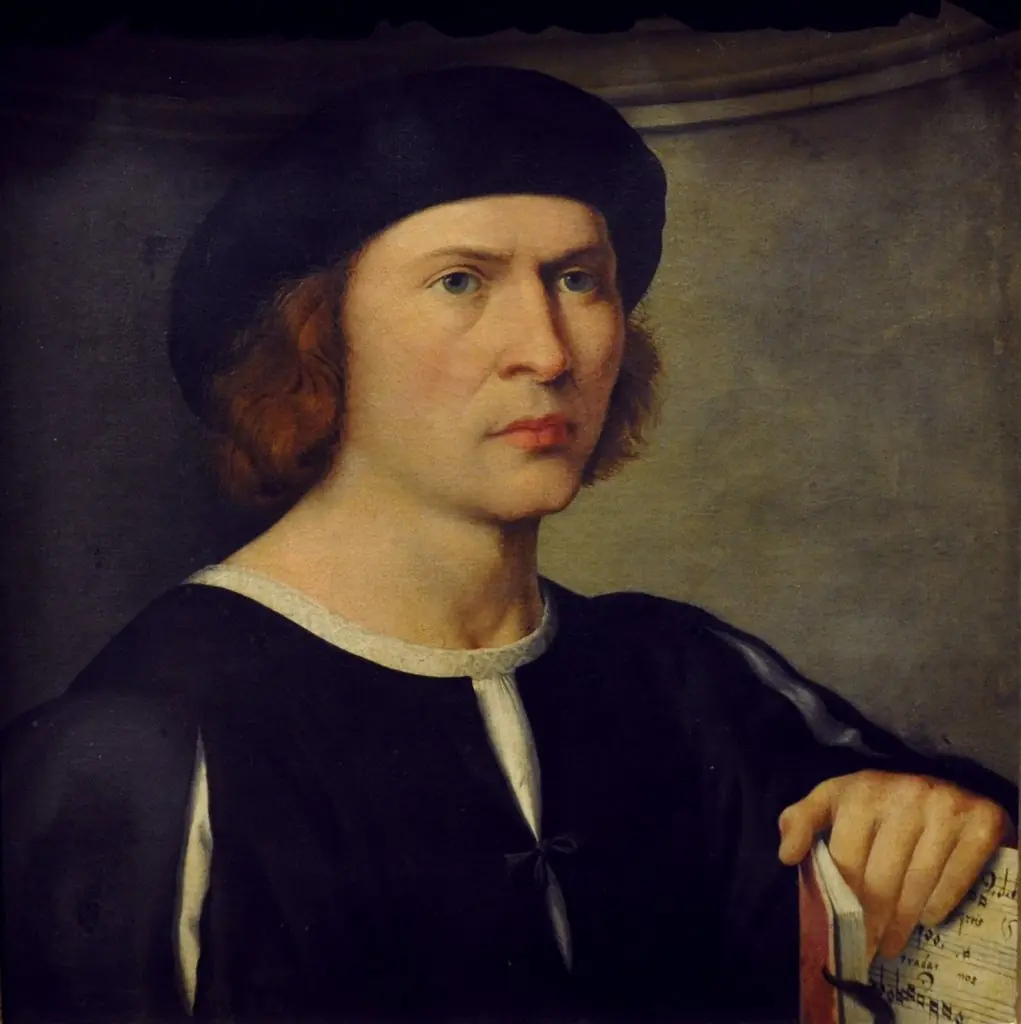 Portrait of a Musician
 Portrait of Joris Vezeleer
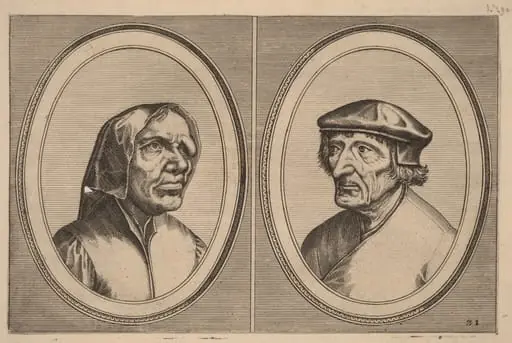 "Trijn Bulle-bacx" and "Voorsichtighe Oenne"
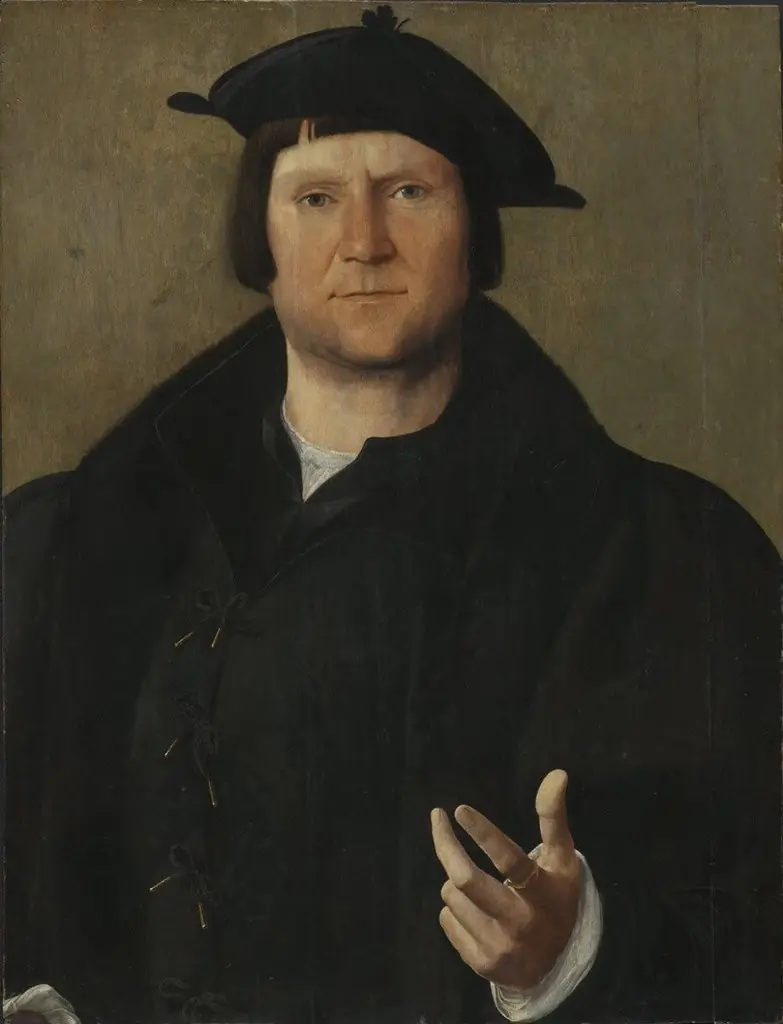 Bildnis eines Mannes (zugeschrieben)
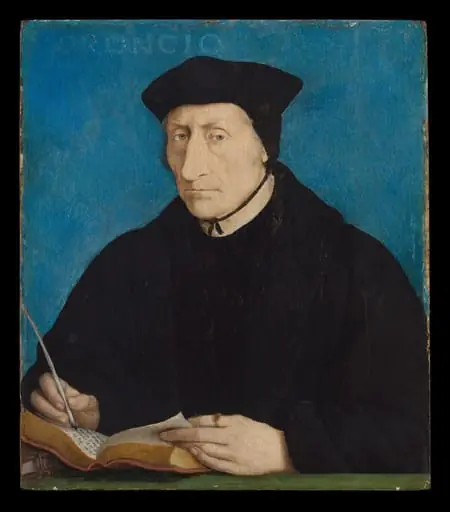 Portrait of Guillaume Budé
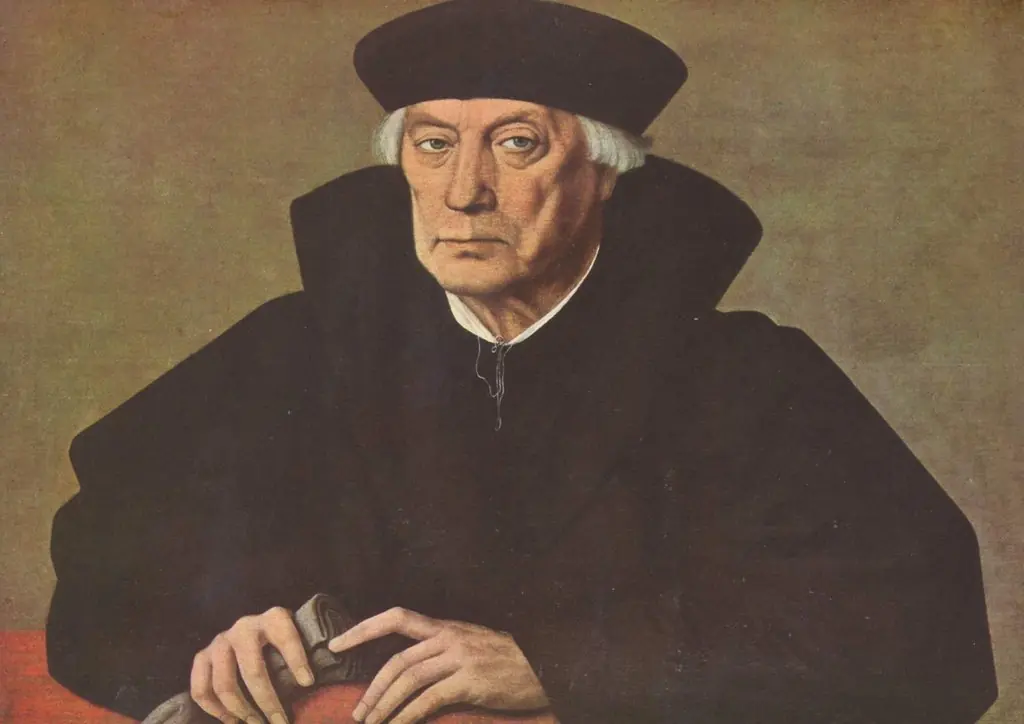 Portrait of Jean de Carondelet (1469-1544)
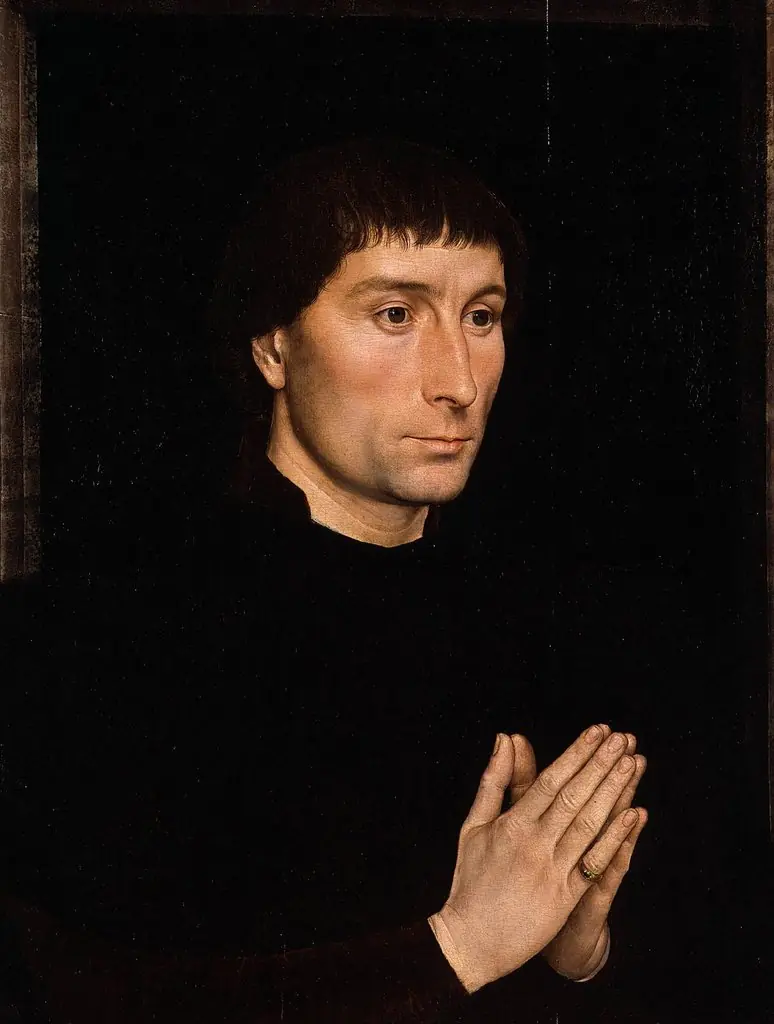 Portrait of Tommaso di Folco Portinari
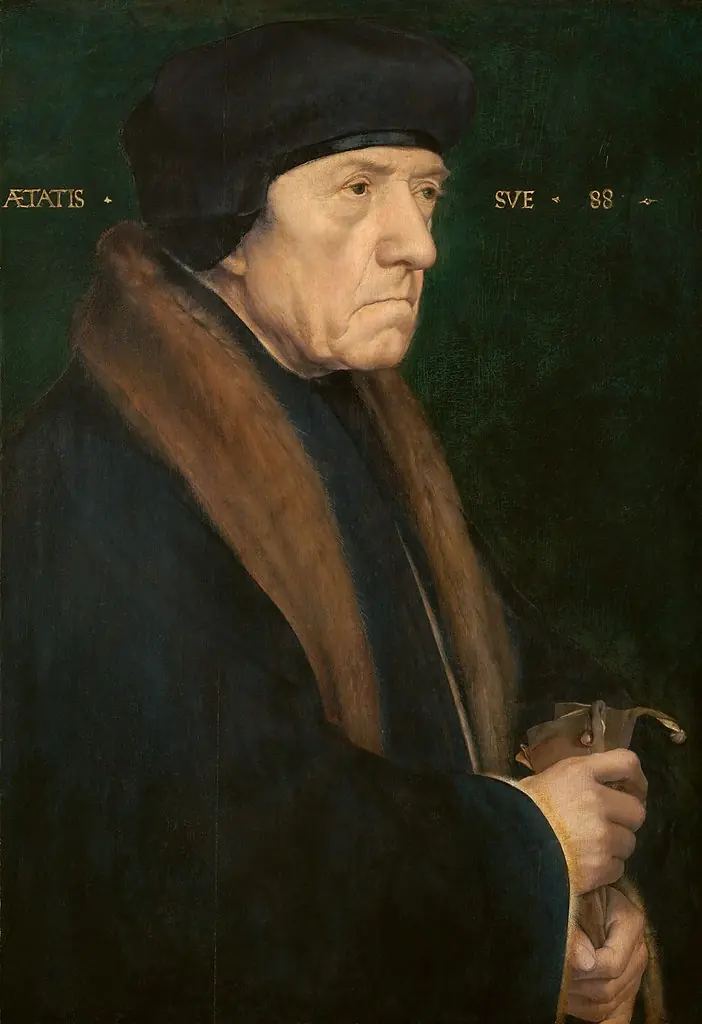 Portrait of John Chambers