Artwork
Die Hochzeit zu Kana
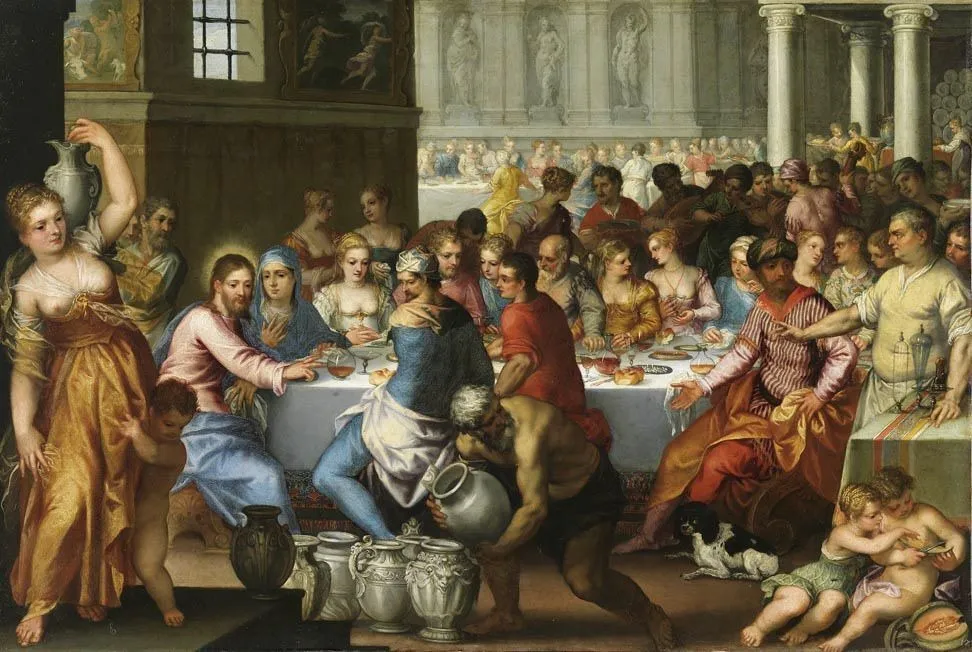
Die Hochzeit zu Kana is an unspecified painting by the Early Baroque Italian artist Hans Rottenhammer. It dates from 1606 and is held in the collection of the Bavarian State Painting Collections.
About this work
Overview
Johann Rottenhammer’s 1606 canvas titled *Die Hochzeit zu Kana* presents a bustling banquet scene rendered in the early Baroque idiom. Executed by a German artist who worked within the Italian artistic currents of his time, the work now belongs to the collection of Munich’s Alte Pinakothek.
Subject & Meaning
The composition illustrates the biblical episode of the wedding at Cana, where Jesus performs his first miracle. Central figures include a woman holding a large jug and a kneeling man pouring wine, surrounded by a crowd in festive attire, suggesting the moment of transformation from water to wine.
Technique & Style
Rottenhammer employs chiaroscuro to model the figures and architectural setting, creating a pronounced contrast between illuminated bodies and shadowed interiors. The richly colored, Renaissance-inspired costumes and the classical backdrop of columns and statues reinforce the painting’s blend of Northern detail and Italian Baroque drama.
History & Provenance
Created in 1606, the painting reflects Rottenhammer’s engagement with Italian Baroque trends while maintaining his reputation for meticulous small‑scale works. It entered the Alte Pinakothek’s holdings during the museum’s early acquisitions, where it remains on display as part of the German Baroque collection.
Artist & collection
Artist
Johann Rottenhammer, or Hans Rottenhammer (1564 – 14 August 1625), was a German painter. He specialized in highly finished paintings on a small scale.

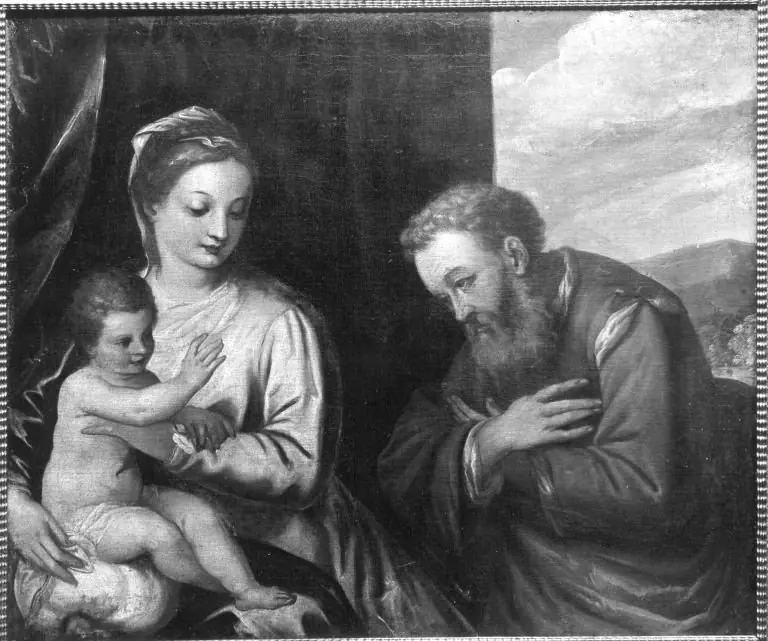
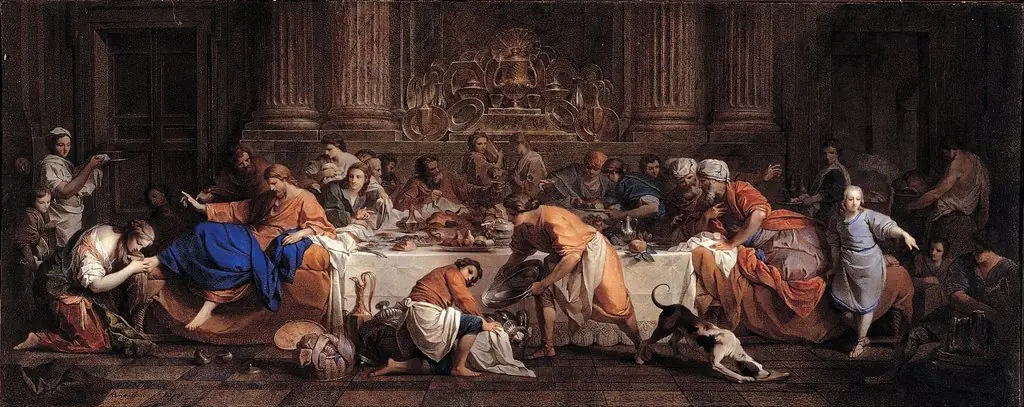 Dinner at the House of the Pharisee
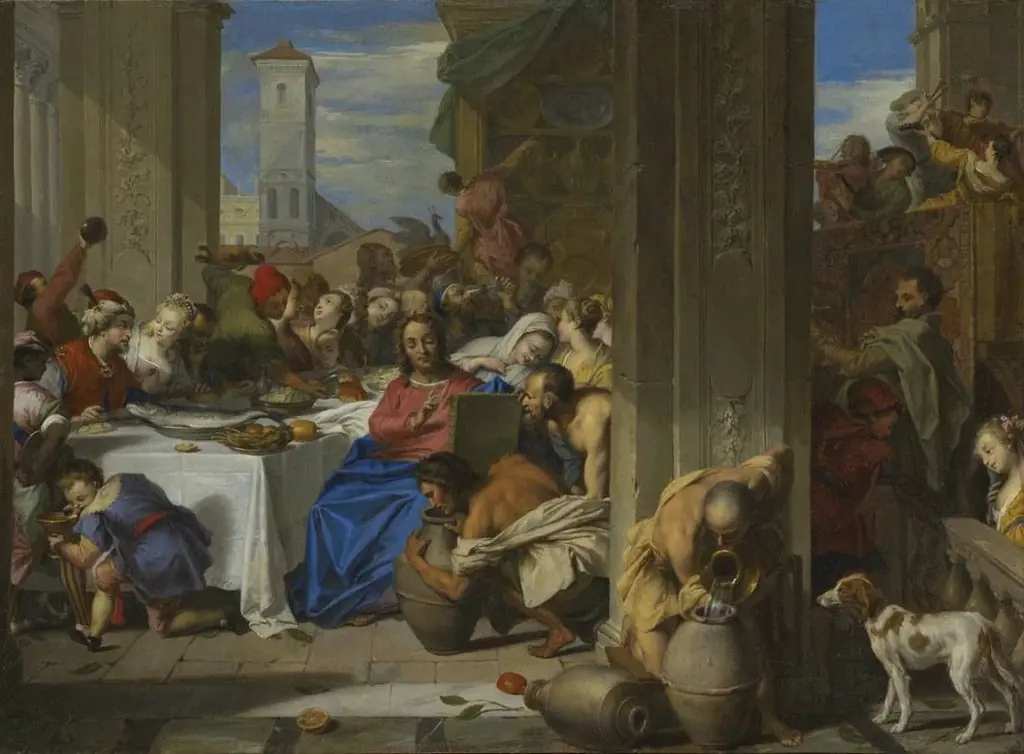 Die Hochzeit zu Kana
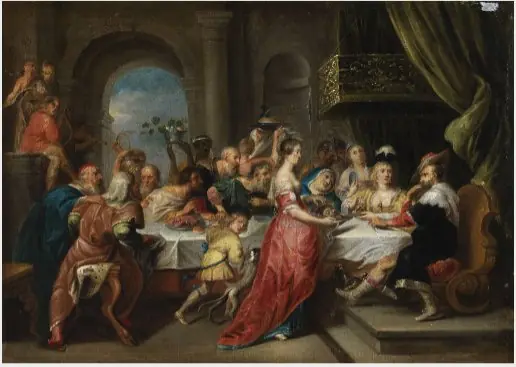 Feast of Herod
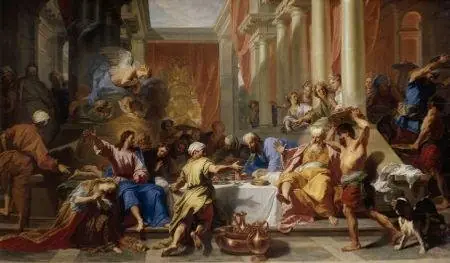 The Meal at Simons
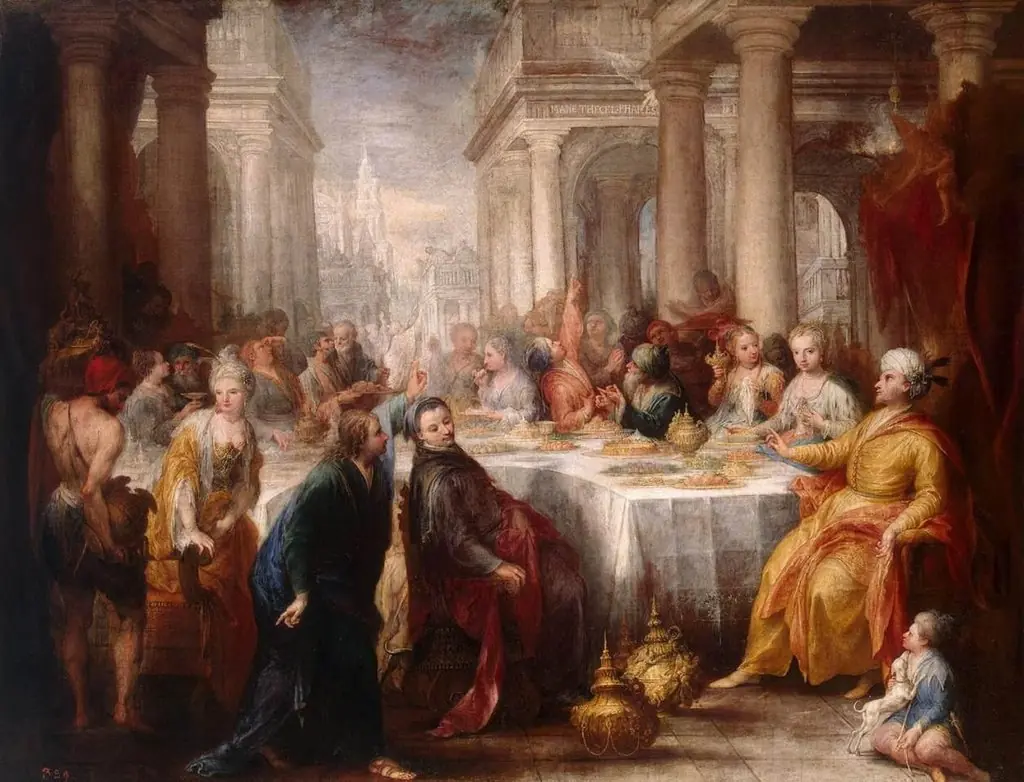 Belshazzar's Feast
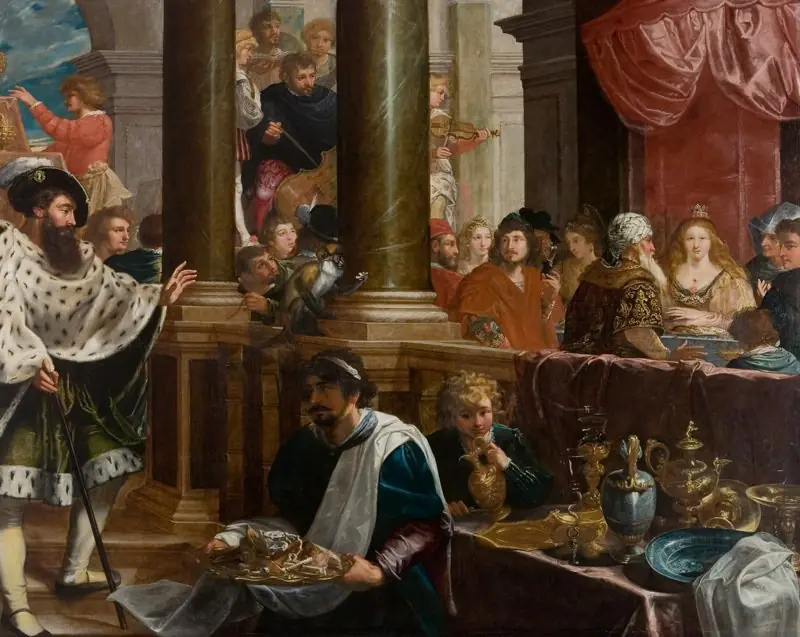 A Feast
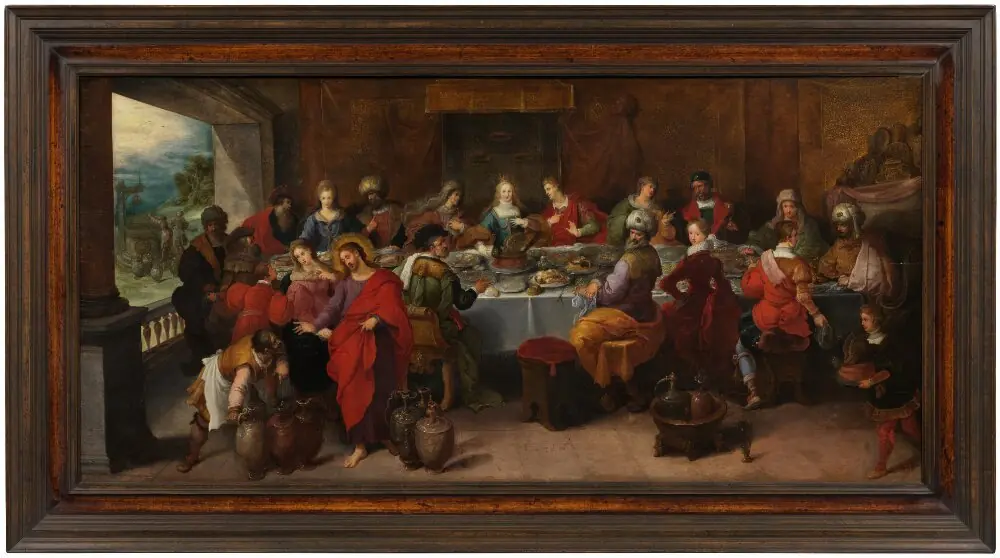 The Wedding at Cana
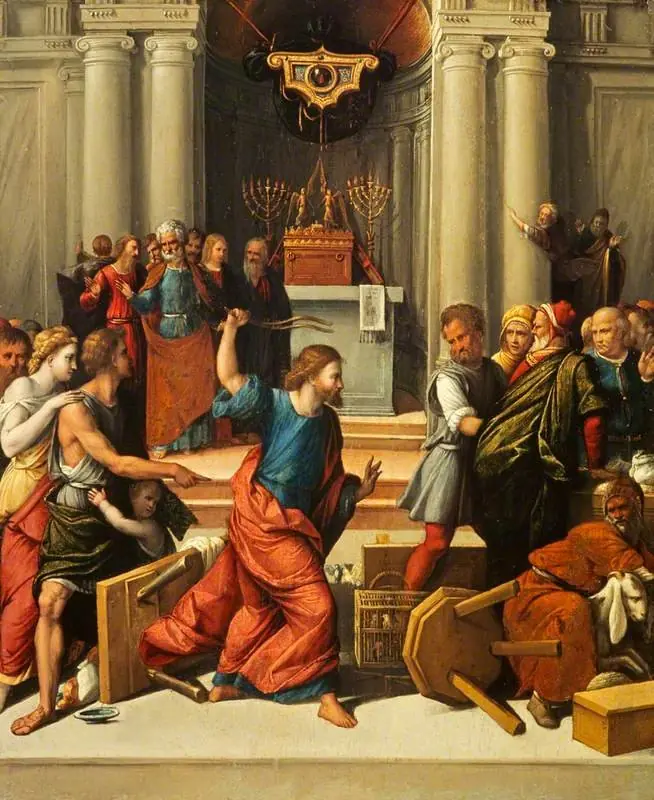 Christ Driving the Money-changers from the Temple
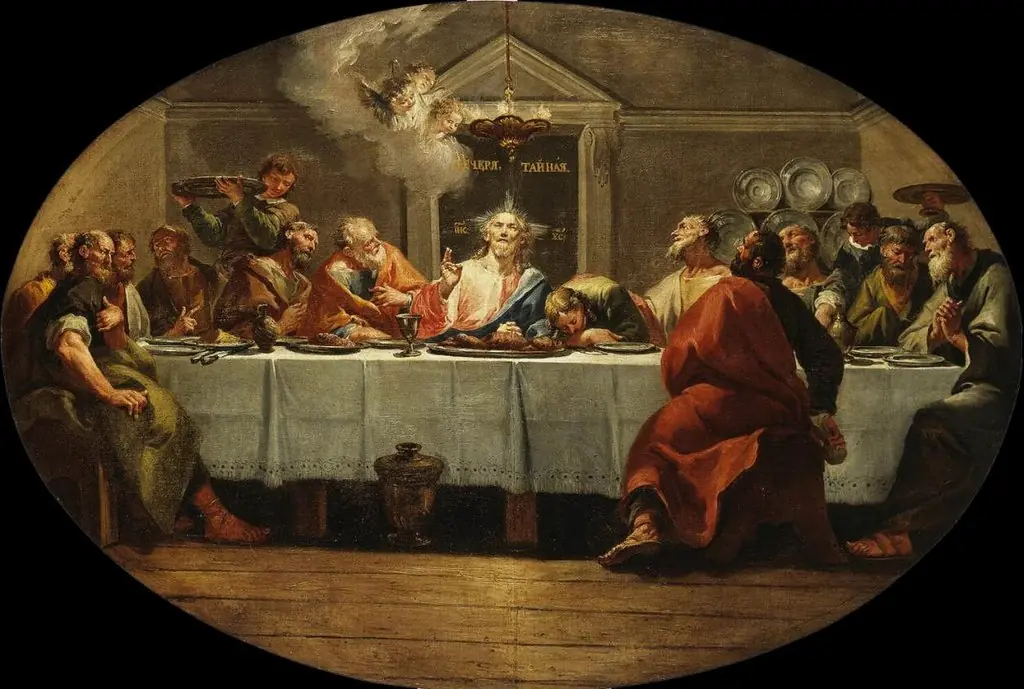 The Last Supper
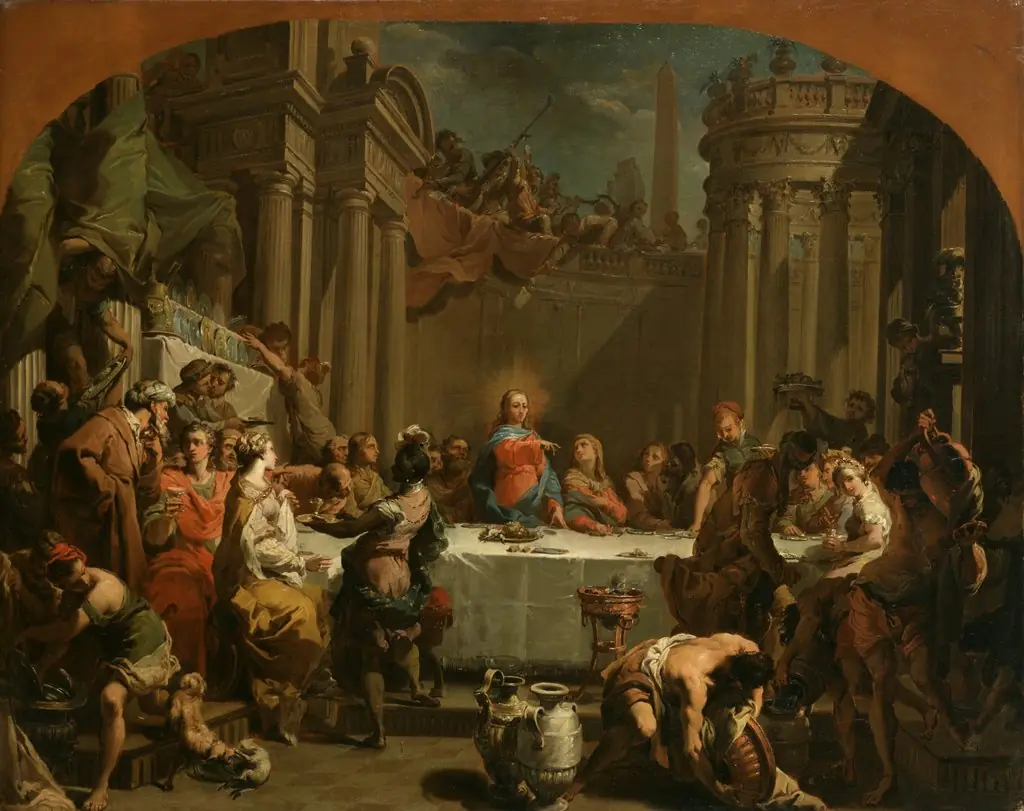 The Marriage at Cana
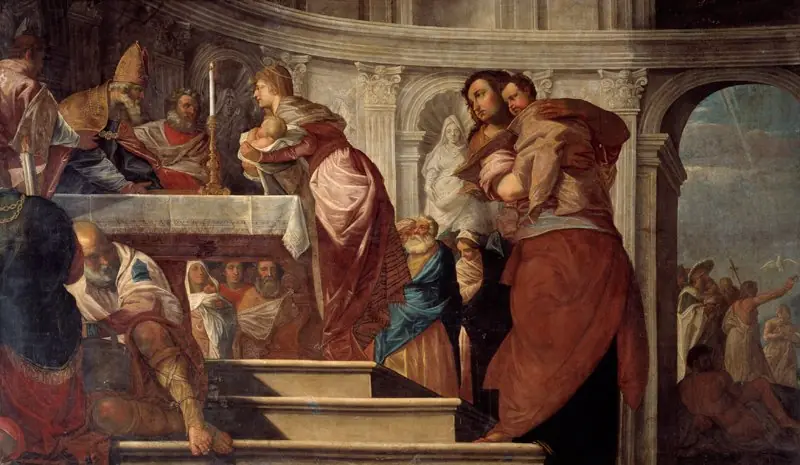 The Presentation of Christ in the Temple, and the Baptism of Christ
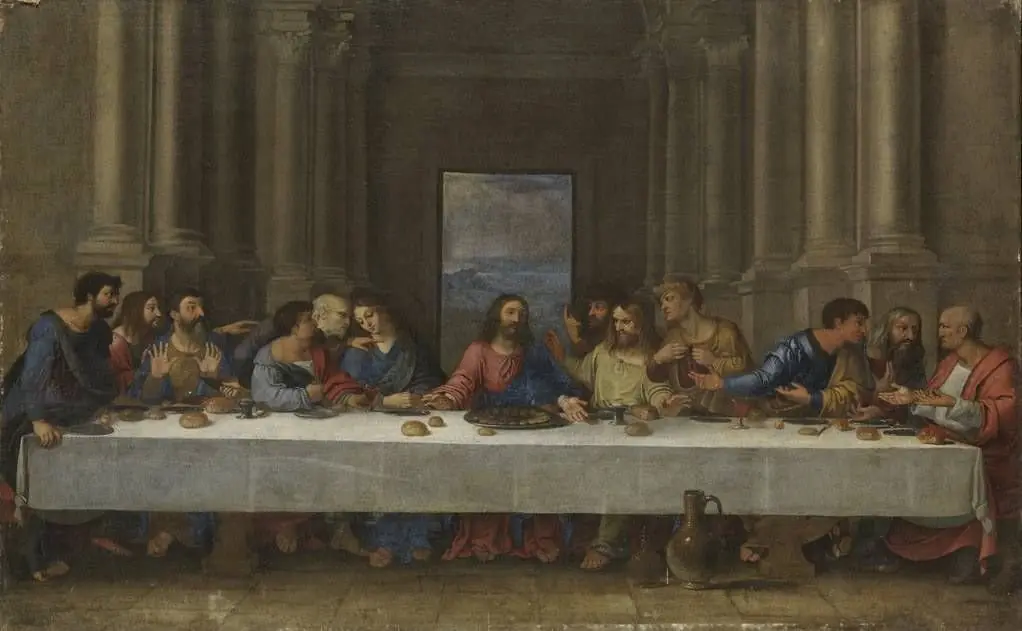 Das letzte Abendmahl (Kopie nach)