Artwork
Guy Little Theatrical Photograph
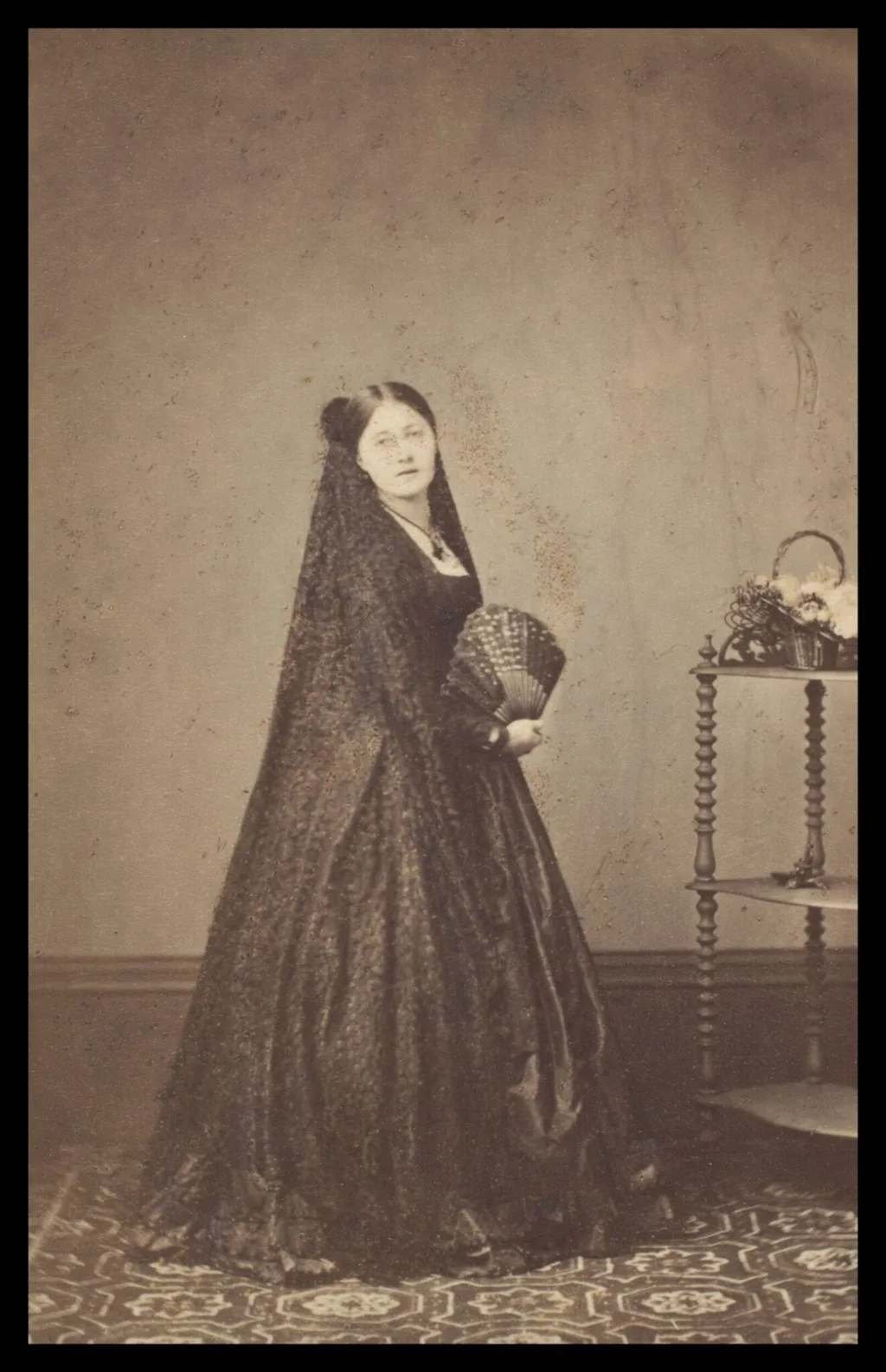
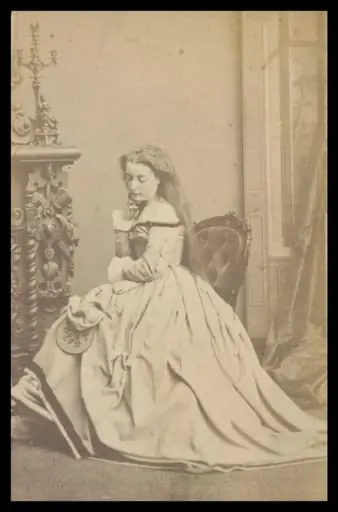
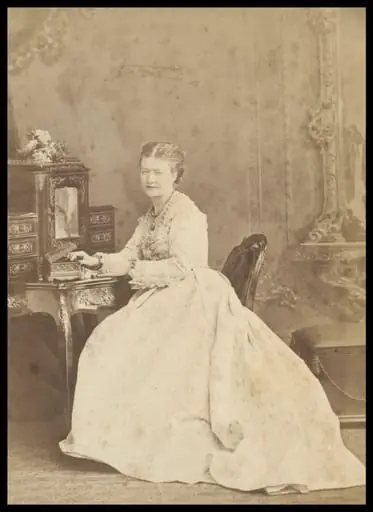
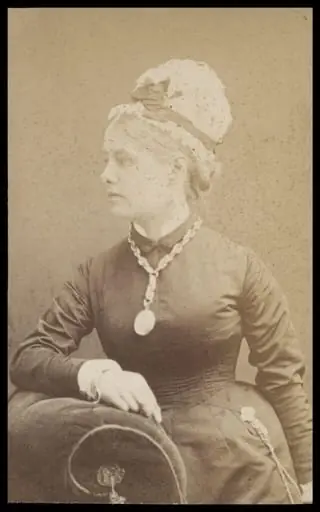
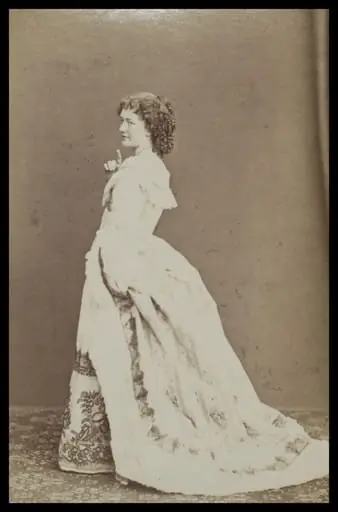
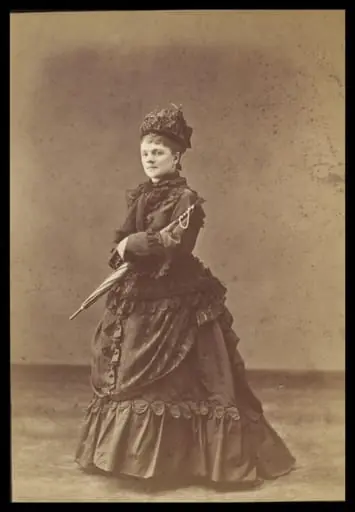
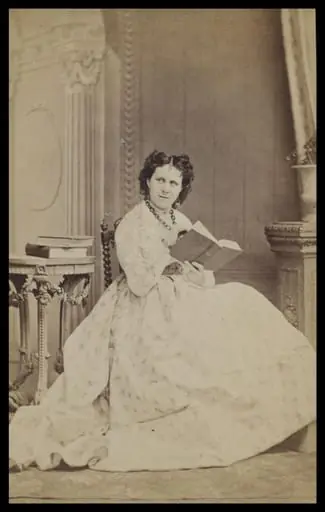
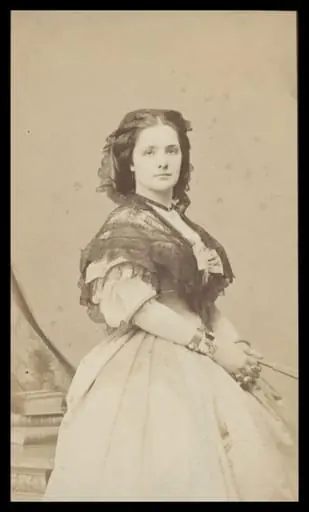
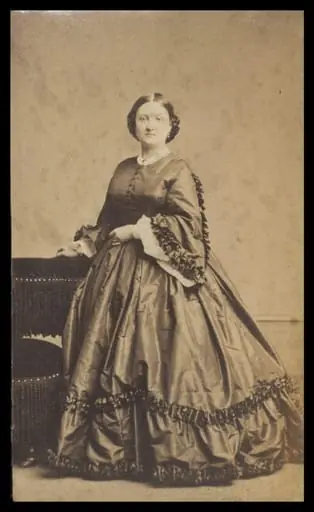
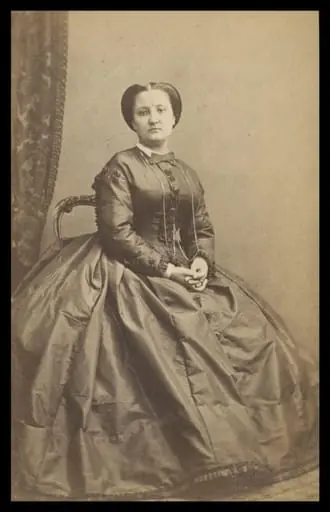
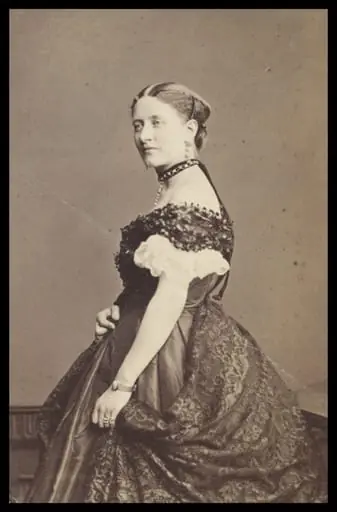
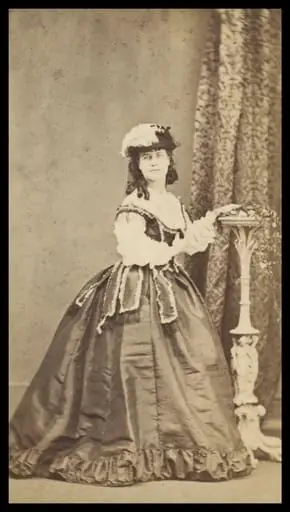
Guy Little Theatrical Photograph is a photographic photography by the Impressionist artist T. Hart. It dates from 1867 and is held in the collection of the Victoria and Albert Museum. This photograph of actress Clara Rousby was produced by T.
About this work
Overview
The image was likely printed as a carte de visite or cabinet card, formats popular in Victorian Britain for sharing and collecting likenesses of performers.
This photograph of actress Clara Rousby was produced by T. Hart and originally intended as a commercial portrait for public distribution. It belongs to a vast personal collection assembled by Guy Tristram Little, a solicitor and avid collector of theatrical memorabilia. The image was likely printed as a carte de visite or cabinet card, formats popular in Victorian Britain for sharing and collecting likenesses of performers. Little later mounted these images in albums, preserving them for posterity before bequeathing the collection to the V&A.
Subject & Meaning
Clara Rousby, a stage actress of the mid-to-late 19th century, is depicted in a studio setting, likely in costume or attire associated with a role she performed. Such portraits served both as promotional tools and personal mementos, allowing the public to connect with performers beyond the theater. The image reflects the era’s fascination with celebrity culture and the growing accessibility of photographic portraiture to middle-class audiences.
Technique & Style
The photograph is an albumen print made from a glass negative, a standard process in mid-Victorian studios. The image would have been printed on thin paper, then mounted on a stiff card backing bearing the photographer’s imprint. The lighting is even and controlled, typical of studio work, with minimal background detail to focus attention on the sitter’s expression and attire. The format suggests it was produced for mass reproduction and collection.
History & Provenance
The photograph was once part of Guy Tristram Little’s personal archive of theatrical images, which he meticulously organized and preserved. Little, a partner in a London legal firm, collected such items as a hobby and later became the executor of Gabrielle Enthoven’s extensive theater-related holdings. Upon his death in 1953, his collection was donated to the V&A, where it became part of the foundational material for the museum’s Theatre and Performance archives.
Context
During the 1860s and 1870s, cartes de visite and cabinet cards were ubiquitous in British households, functioning as both social currency and cultural artifacts. Actors and actresses were among the most frequently photographed subjects, alongside royalty and celebrities. These portraits mirrored the rise of mass media and the public’s appetite for visual records of performance, blurring the lines between art, commerce, and personal memory.
Legacy
Little’s collection, including this photograph, remains a vital resource for scholars studying Victorian theater and photographic culture. By preserving these images outside commercial circulation and mounting them with care, he ensured their survival as historical documents. The V&A’s Theatre Collection, which grew from Enthoven’s and Little’s contributions, continues to offer insight into the material culture of 19th-century performance.
Artist & collection
Artist
T. Hart seems to have been drawn to quiet, intimate scenes. They likely spent hours sketching in Orta, Italy, where they captured the soft light of the cathedral's interior. One of their works, "Interior of the…