Artwork
St. Thomas, New York
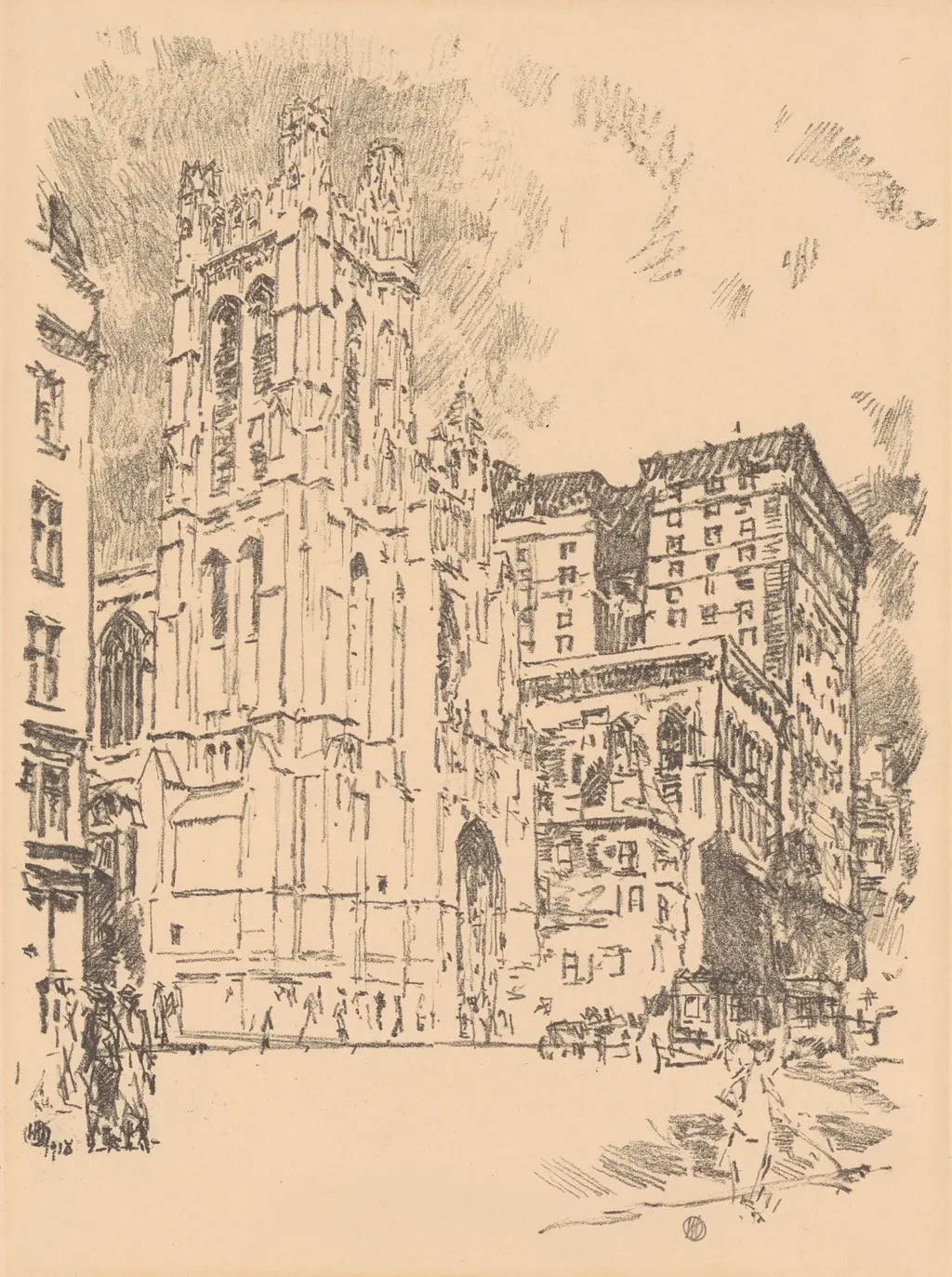
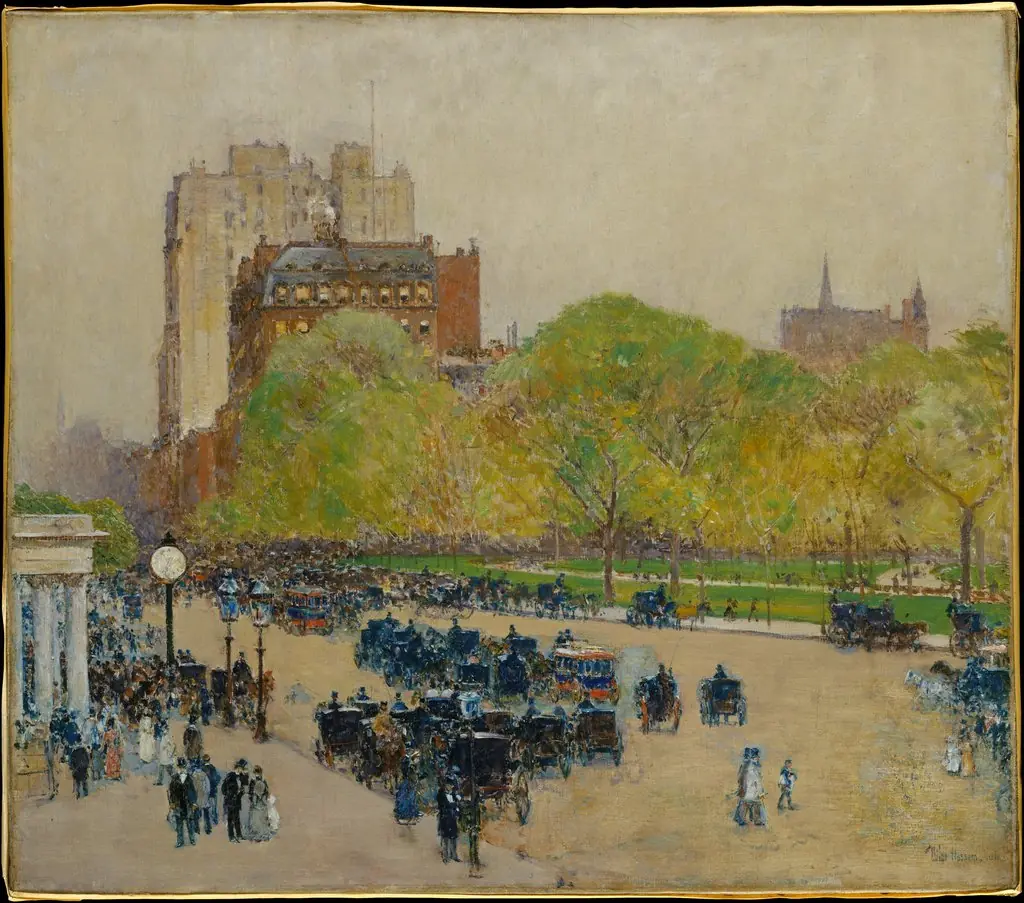
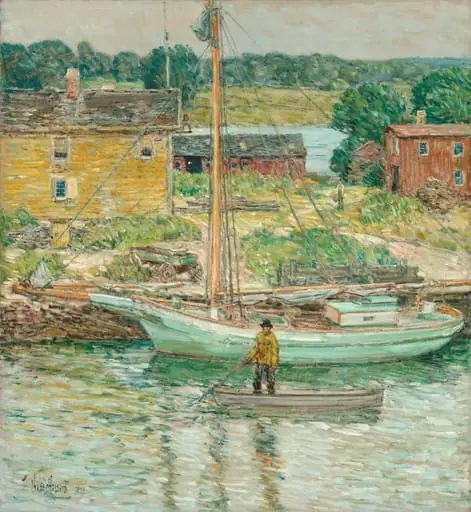
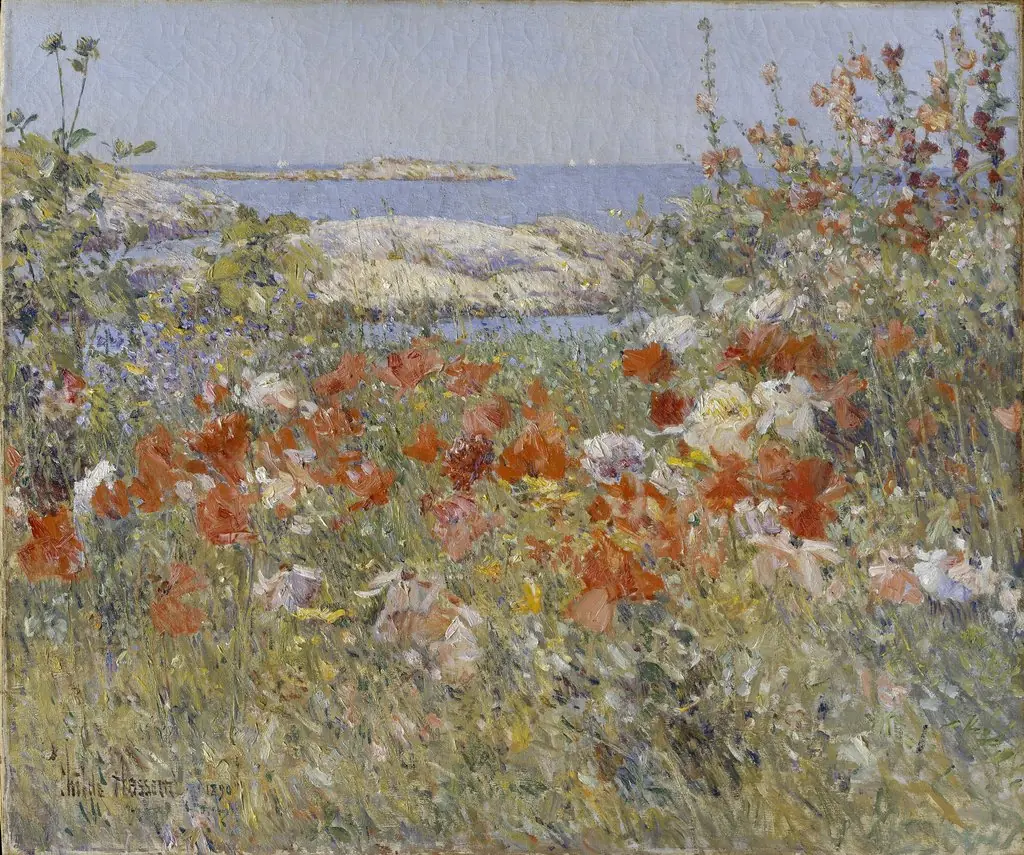
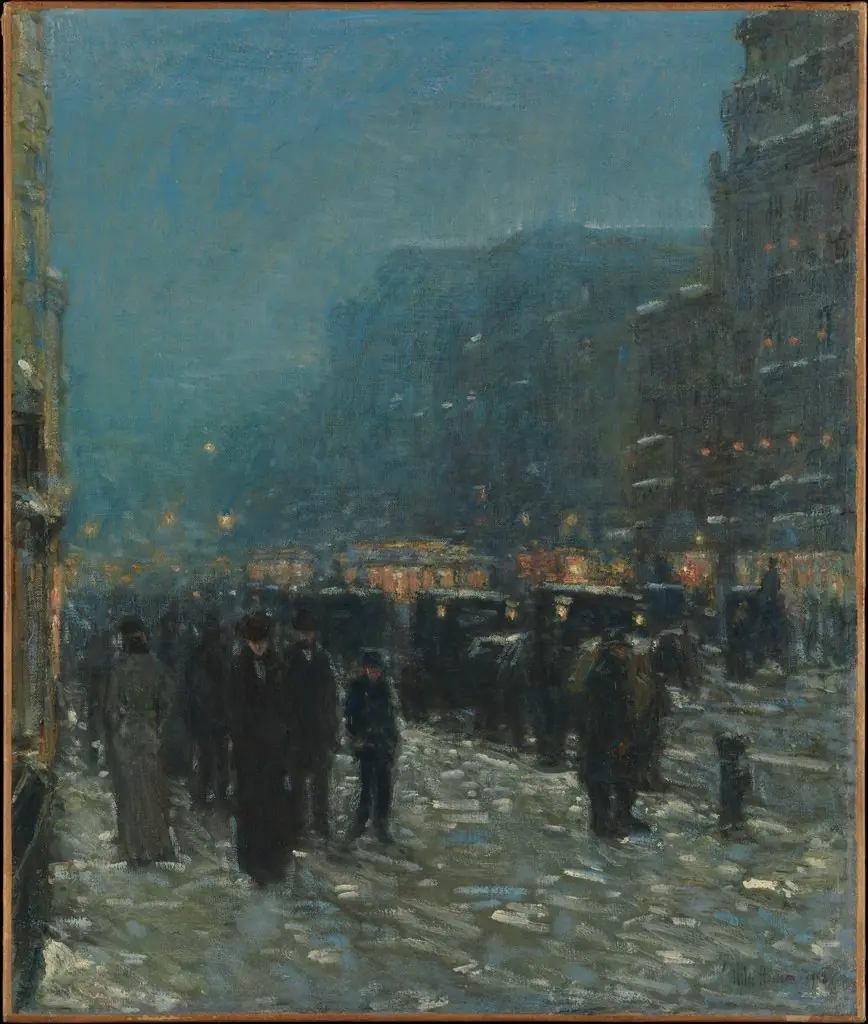
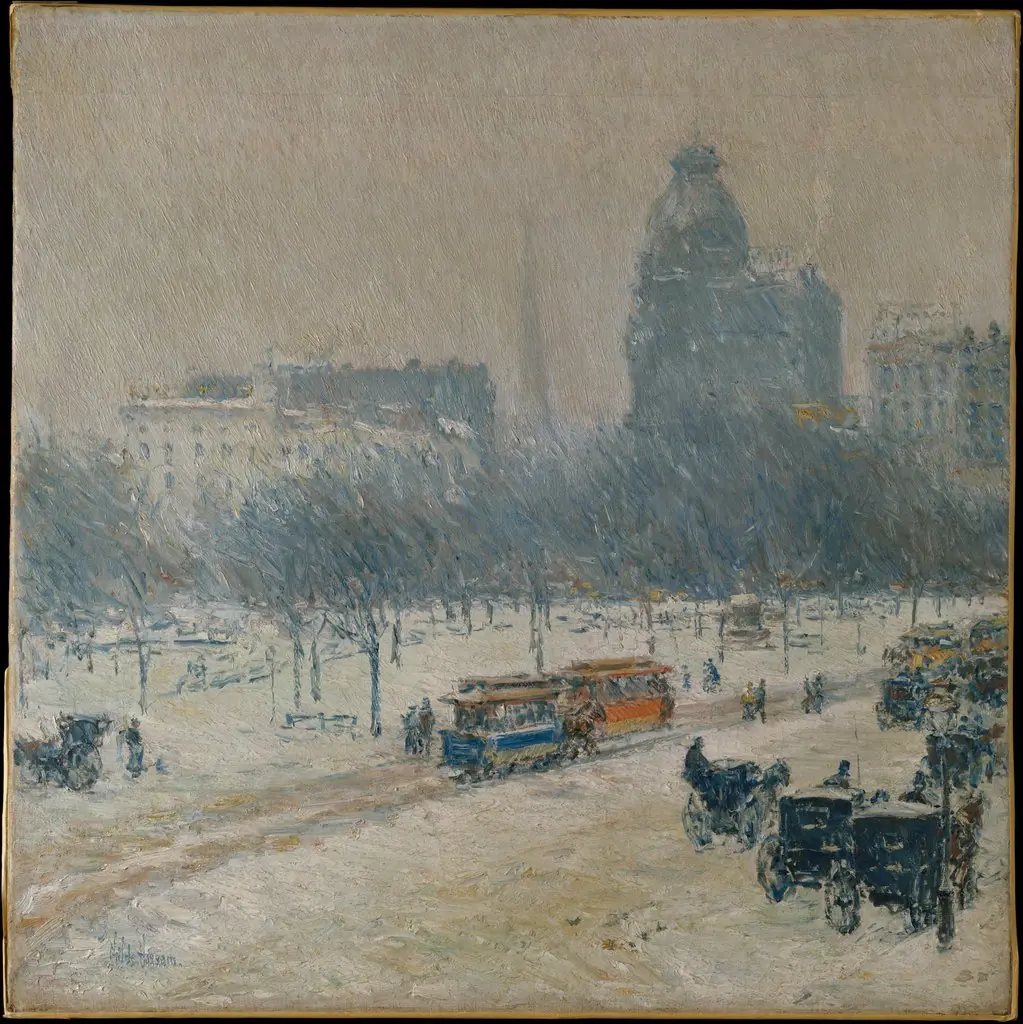
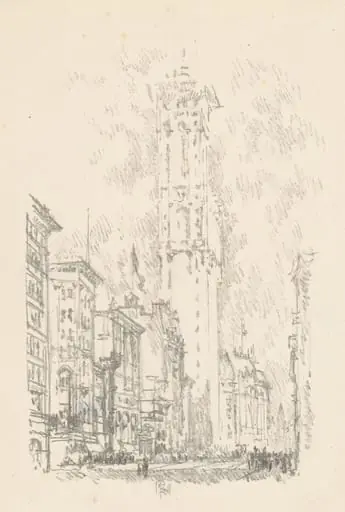
St. Thomas, New York is an ink print by Childe Hassam. It dates from 1918 and is held in the collection of the National Gallery of Art.
About this work
Overview
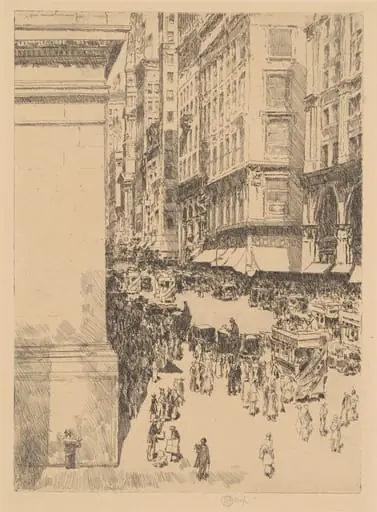
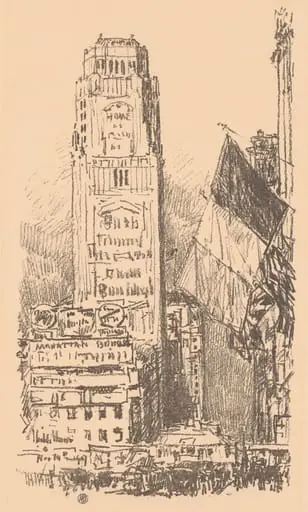
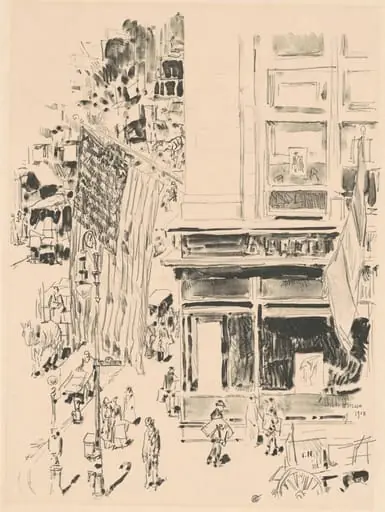
Childe Hassam’s 1918 lithograph depicts a street scene in St. Thomas, New York, rendered in black ink on wove paper. The composition centers on a prominent Gothic Revival structure on the left, its vertical lines drawing the eye upward. The monochromatic tone emphasizes form over color, focusing attention on architectural texture and urban atmosphere rather than chromatic detail.
Subject & Meaning
The image presents an unidealized urban vista, capturing a quiet moment in a working city. The Gothic building, likely a church or institutional structure, stands as a quiet anchor amid the implied movement of the street. Hassam does not romanticize the scene; instead, he records the coexistence of historic architecture and everyday urban life, suggesting continuity amid modernization.
Technique & Style
Hassam used lithographic crayon to create fluid, expressive lines that define the building’s ornamentation and the play of light across surfaces. The absence of color heightens the contrast between shadowed recesses and sunlit facades, lending spatial depth. Loose, gestural strokes suggest movement and texture without overdetailing, reflecting his interest in capturing transient impressions.
History & Provenance
Created during Hassam’s later years, this print belongs to a series of urban views he produced after shifting focus from coastal scenes to cityscapes. It was likely made for publication or private circulation, as lithography allowed for wider distribution than his paintings. The work reflects his ongoing engagement with American urban environments during the early 20th century.
Context
In 1918, as World War I reshaped American society, Hassam turned increasingly to domestic subjects. St. Thomas, though a small town, exemplifies his interest in regional architecture and quiet civic life. The print aligns with broader American artistic trends that valued honest depiction of everyday places, contrasting with European modernist abstraction gaining traction at the time.
Legacy
This lithograph contributes to Hassam’s reputation as a chronicler of American urban environments. While less known than his Impressionist seascapes, works like this reveal his versatility and sustained attention to architectural form. It remains a quiet example of early 20th-century American printmaking, valued for its observational clarity and restrained aesthetic.
Own this work as a print
Artist & collection
Artist
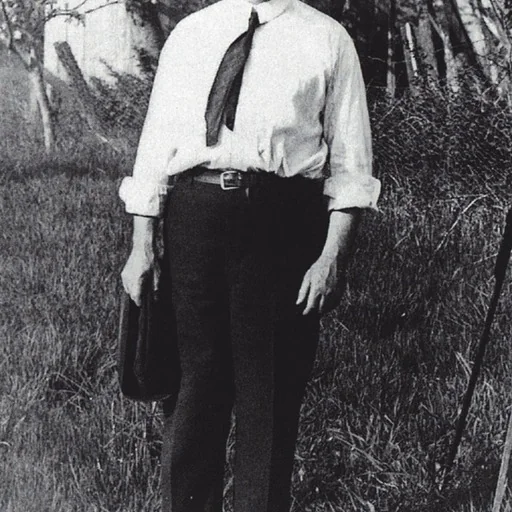
Frederick Childe Hassam was an American Impressionist painter, noted for his urban and coastal scenes.