Artwork
Clementina Maude, 5 Princes Gardens
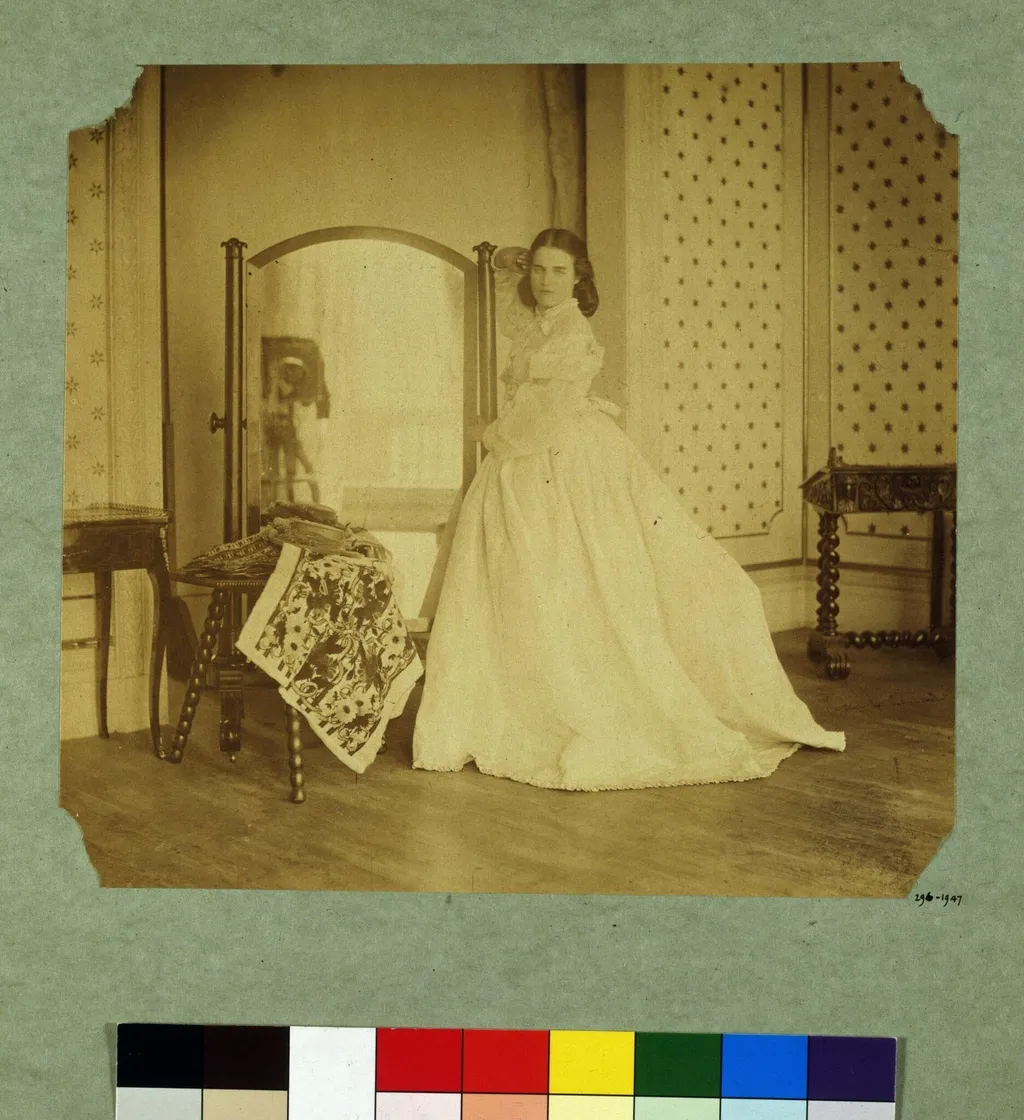
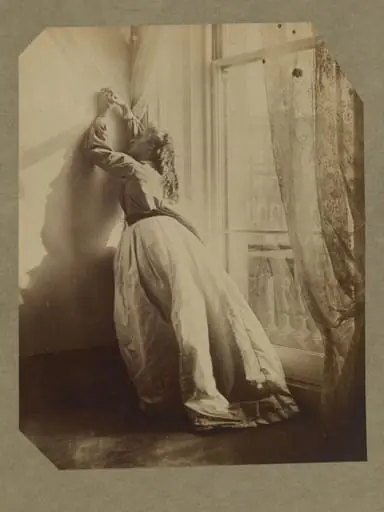
Clementina Maude, 5 Princes Gardens is a photographic photography by the Impressionist artist Clementina Hawarden. It dates from 1862 and is held in the collection of the Victoria and Albert Museum. Taken in the 1860s at 5 Princes Gardens in South Kensington, this photograph captures Lady Hawarden’s domestic studio space.
About this work
Overview
Taken in the 1860s at 5 Princes Gardens in South Kensington, this photograph captures Lady Hawarden’s domestic studio space. Her daughter Clementina stands beside a full-length mirror, framed by a movable screen and balanced furnishings. The camera used to make the image is visible in the reflection, suggesting the photographer’s presence just beyond the frame.
Subject & Meaning
Clementina Maude, the subject, is depicted in a quiet, introspective pose, neither posed for public display nor engaged in overt activity.
Clementina Maude, the subject, is depicted in a quiet, introspective pose, neither posed for public display nor engaged in overt activity. The mirror doubles her figure and introduces the camera as a silent participant, blurring the line between observer and observed. The embroidery on the table hints at domestic femininity, while the camera asserts an artistic agency that complicates traditional roles.
Technique & Style
Hawarden employed long exposures and natural light, typical of mid-century studio practice. The composition is carefully arranged: the mirror extends spatial depth, the screen controls background distraction, and the side table and desk create visual equilibrium. The camera’s reflection, the largest of her seven, implies deliberate staging. A faint suggestion of motion near the lens cap may indicate the photographer’s hand initiating or concluding the exposure.
History & Provenance
The photograph was made in Hawarden’s home studio, a space she adapted for photographic work after acquiring her first camera in the early 1860s. The house at 5 Princes Gardens served as both residence and creative laboratory. The image remains part of a private collection that later entered the Victoria and Albert Museum’s holdings, preserving its intimate context.
Context
During the 1860s, amateur photography among upper-class women was growing, often confined to domestic settings. Hawarden’s work stood apart by treating the home not as a backdrop but as a stage for psychological nuance. Unlike commercial studios, her images avoided theatricality, favoring stillness and subtle symbolism rooted in Victorian domestic life.
Legacy
This photograph exemplifies Hawarden’s quiet innovation in photographic composition and subjectivity. By embedding her apparatus within the scene, she challenged the separation between artist and subject. Her use of mirrors, reflection, and domestic objects influenced later photographers exploring identity and the private sphere, though her work remained largely overlooked until the late 20th century.
Artist & collection

Artist
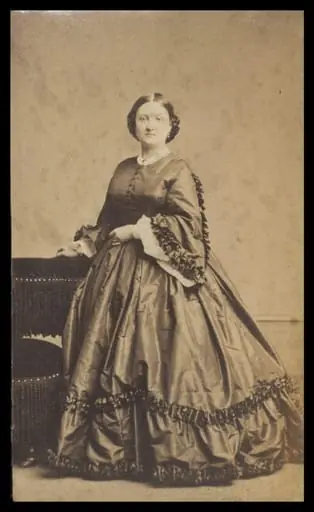
Clementina Maude, Viscountess Hawarden, commonly known as Lady Clementina Hawarden, was a Scottish amateur portrait photographer of the Victorian era. She produced over 800 photographs mostly of her adolescent daughters.

![Photographic Study [Woodcock Grove, Dundrum], by Clementina Hawarden](https://artifactworldgallery.com/img/clementina-hawarden--photographic-study-woodcock-grove-dundrum--0d235f21d55179ce-w320.webp) Photographic Study [Woodcock Grove, Dundrum]
Photographic Study [Woodcock Grove, Dundrum]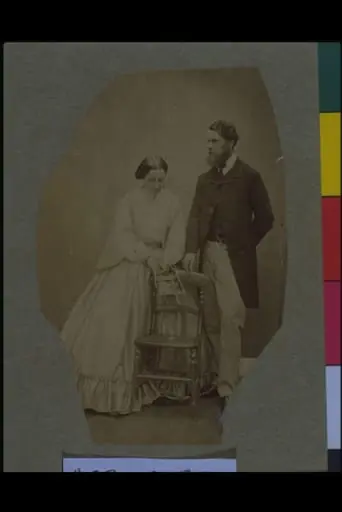 Clementina Hawarden or Anne Bontine with Donald Cameron of Lochiel, 5 Princes Gardens
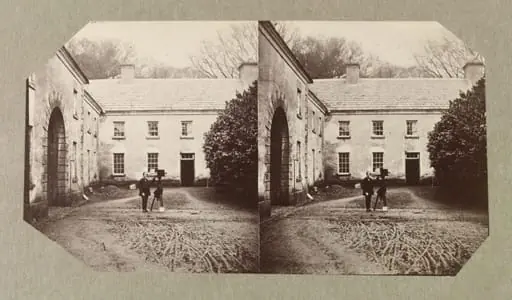 West Wing of Dundrum House with unidentified man with camera on tripod
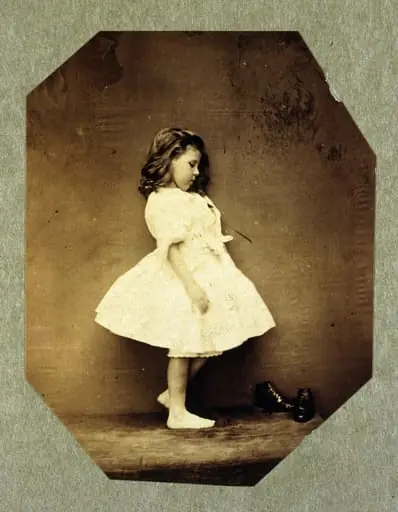 Elphinstone Agnes Maude barefoot
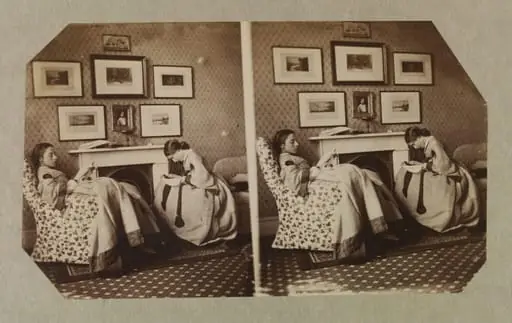 Isabella Grace Maude and Clementina Maude, 5 Princes Gardens
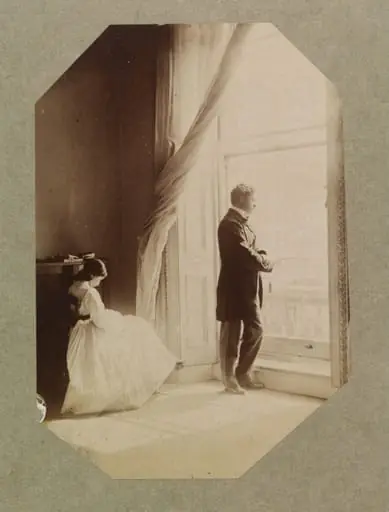 Photographic Study
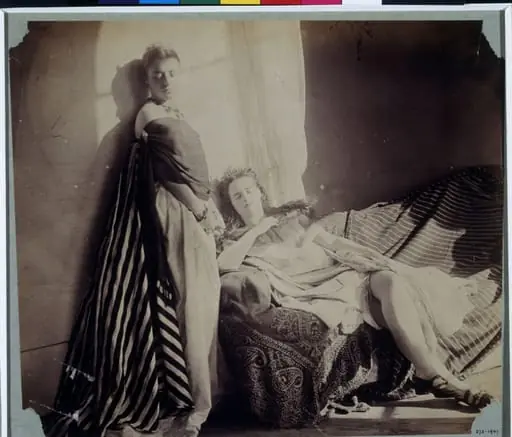 Isabella Grace and Clementina Maude, 5 Princes Gardens
 Clementina Maude, arms raised, 5 Princes Gardens