Artwork
The Banquet of the Gods. The Wedding of Peleus and Thetis
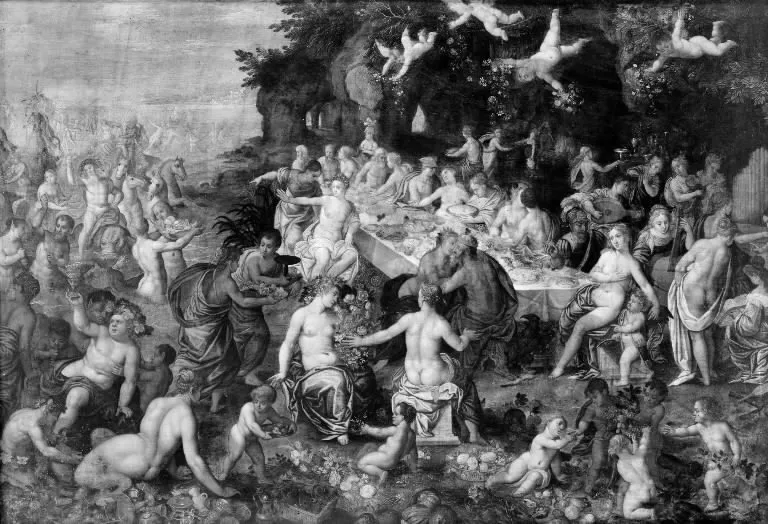
The Banquet of the Gods. The Wedding of Peleus and Thetis is an oil painting by the Flemish Baroque painting artist Hendrick van Balen the Elder. It dates from 1611 and is held in the collection of the Statens Museum for Kunst. Created in 1611, this oil-on-copper composition presents the divine wedding feast of Peleus and Thetis.
About this work
Overview
The artist fills the space with a riot of figures, garments, and mythic creatures, conveying the exuberance of a celestial celebration.
Created in 1611, this oil-on-copper composition presents the divine wedding feast of Peleus and Thetis. The scene unfolds in a densely populated forest clearing, where gods and nymphs mingle, dance, and play music around a central pair seated on an elevated throne. The artist fills the space with a riot of figures, garments, and mythic creatures, conveying the exuberance of a celestial celebration.
Subject & Meaning
The painting illustrates the mythic union of the mortal hero Peleus and the sea‑nymph Thetis, an event that in Greek tradition heralded the birth of Achilles. By gathering the Olympian deities around the couple, the work emphasizes the significance of the marriage as a moment of divine endorsement and foreshadows the heroic lineage that follows.
Technique & Style
Executed on a copper plate, the medium allows for fine detail and a luminous surface, characteristic of small cabinet pictures popular in early 17th‑century Flanders. The artist employs a Baroque sensibility: dynamic compositions, vigorous movement, and dramatic contrasts of light that animate the crowded tableau while maintaining clarity among the numerous figures.
History & Provenance
The work was produced by Hendrick van Balen the Elder, a prominent Flemish Baroque painter known for mythological subjects. Van Balen frequently used oil on copper for intimate works and later contributed to the training of Anthony van Dyck. The painting’s early ownership records are sparse, but it has remained within European collections since its creation.
Context
In the early 1600s, Flemish artists revived classical themes, integrating them with contemporary decorative tastes. Van Balen’s choice of the Peleus‑Thetis wedding reflects the period’s fascination with heroic narratives and their moral implications. The crowded composition mirrors the era’s appetite for elaborate allegorical scenes that could serve both as scholarly illustration and decorative entertainment.
Artist & collection
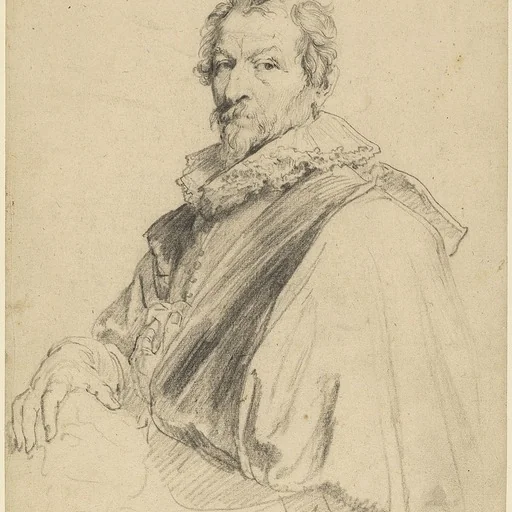
Artist
Hendrick van Balen or Hendrick van Balen I (c. 1573–1575 – 17 July 1632) was a Flemish Baroque painter and stained glass designer. Hendrick van Balen specialised in small cabinet pictures often painted on a copper…