Artwork
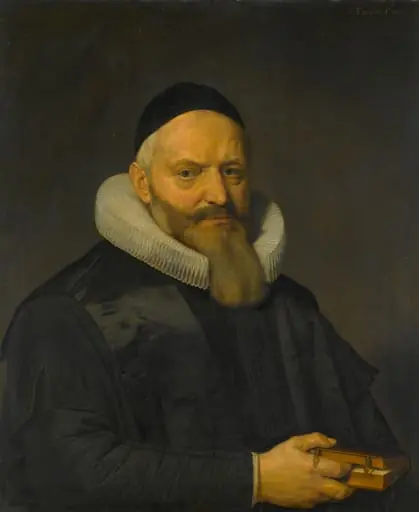
Portrait of Antonius Antonides van der Linden, Physician in Amsterdam
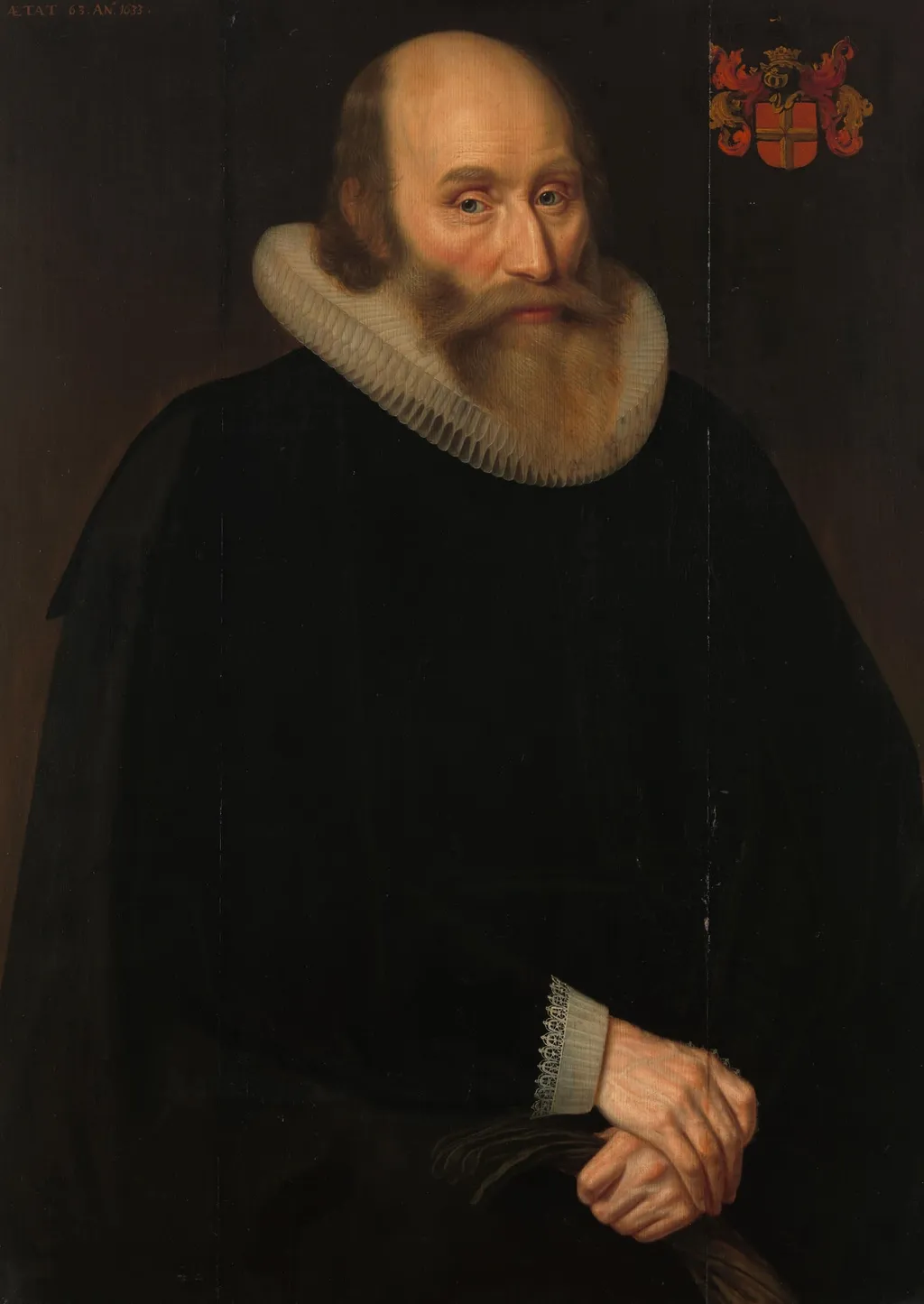
Portrait of Antonius Antonides van der Linden, Physician in Amsterdam is an unspecified painting by the Dutch Golden Age artist Hendrik Meerman. It dates from 1633 and is held in the collection of the Rijksmuseum. This portrait depicts Antonius Antonides van der Linden, a physician practicing in Amsterdam during the 17th century.
About this work
Overview
Rendered in a half-length format, he is shown with hands clasped over his abdomen, one leather glove held gently in his left hand.
This portrait depicts Antonius Antonides van der Linden, a physician practicing in Amsterdam during the 17th century. Rendered in a half-length format, he is shown with hands clasped over his abdomen, one leather glove held gently in his left hand. The composition is restrained, lacking overt ornamentation, and the painting was originally paired with a companion portrait, likely of his spouse, as part of a matched pair.
Subject & Meaning
Van der Linden is presented not as a man of spectacle but of quiet authority. His crossed hands and modest posture suggest composure and professional dignity, traits valued in medical practitioners of the era. The inclusion of a single glove—neither worn nor discarded—hints at his social standing without ostentation, reflecting a cultural preference for understated wealth among the urban elite.
Technique & Style
The painting employs a muted palette dominated by black and gray, typical of Dutch portraiture of the period. Brushwork is precise but unadorned, focusing on texture—fabric, leather, skin—without dramatic lighting or theatrical gestures. The family crest, faintly rendered in the upper right, is integrated subtly, indicating lineage without dominating the composition.
History & Provenance
The portrait is documented as a pendant to another work in the Rijksmuseum’s collection, suggesting it was commissioned as part of a married pair. The artist remains anonymous, and the medium is unconfirmed, though oil on panel is likely. Its survival and preservation reflect its continued recognition within Dutch civic and familial traditions of the 17th century.
Context
In 17th-century Amsterdam, physicians occupied a respected but not aristocratic social tier. Portraits like this one served to affirm professional identity and social stability rather than personal glory. The pairing of marital portraits was common among the merchant and professional classes, reinforcing family unity and continuity in a rapidly urbanizing society.
Legacy
Though unsigned, the portrait endures as a representative example of Dutch civic portraiture—unassuming, precise, and deeply rooted in the values of its time. It contributes to broader studies of how professional identity was visually constructed outside the nobility, offering insight into the quiet dignity of Amsterdam’s learned classes.
Own this work as a print
Artist & collection

 Portrait of Jacob Bas Claesz (1536-89), mayor of Amsterdam
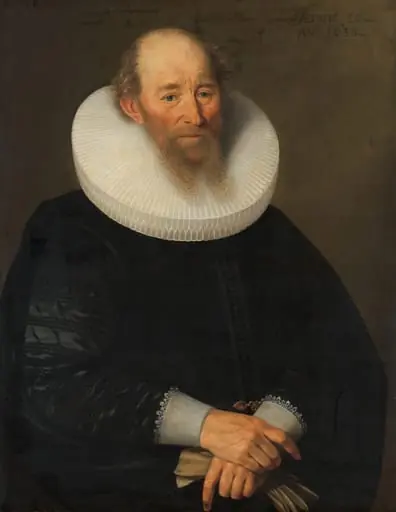 Portrait of an Old Man
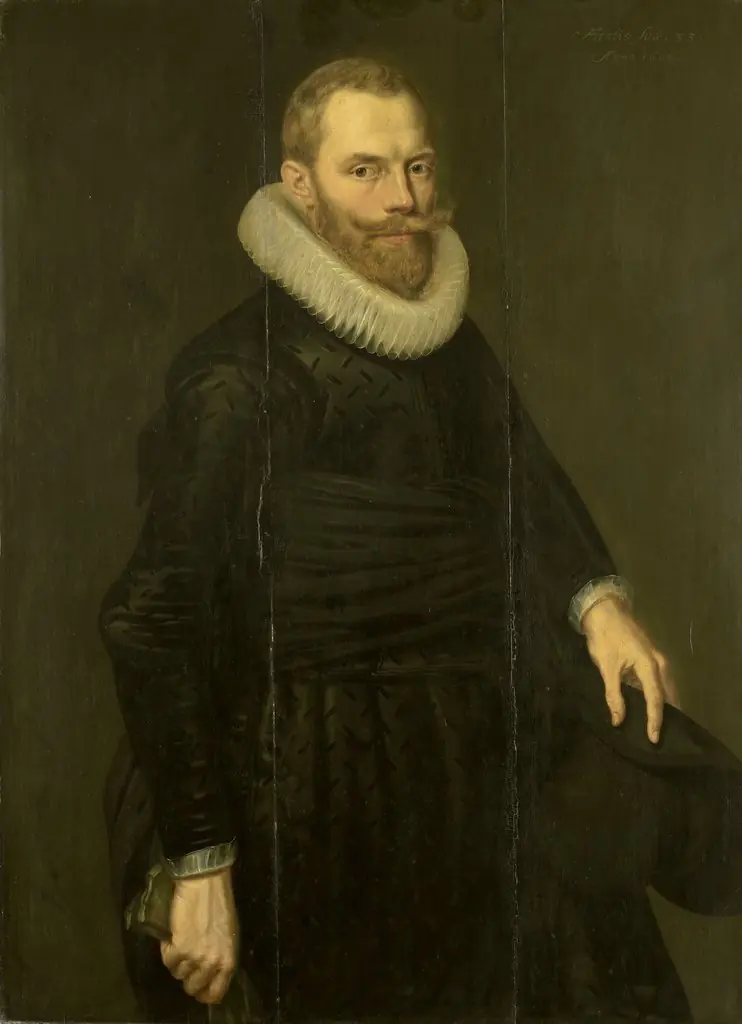 Portrait of Dirck Hasselaer (1581-1645)
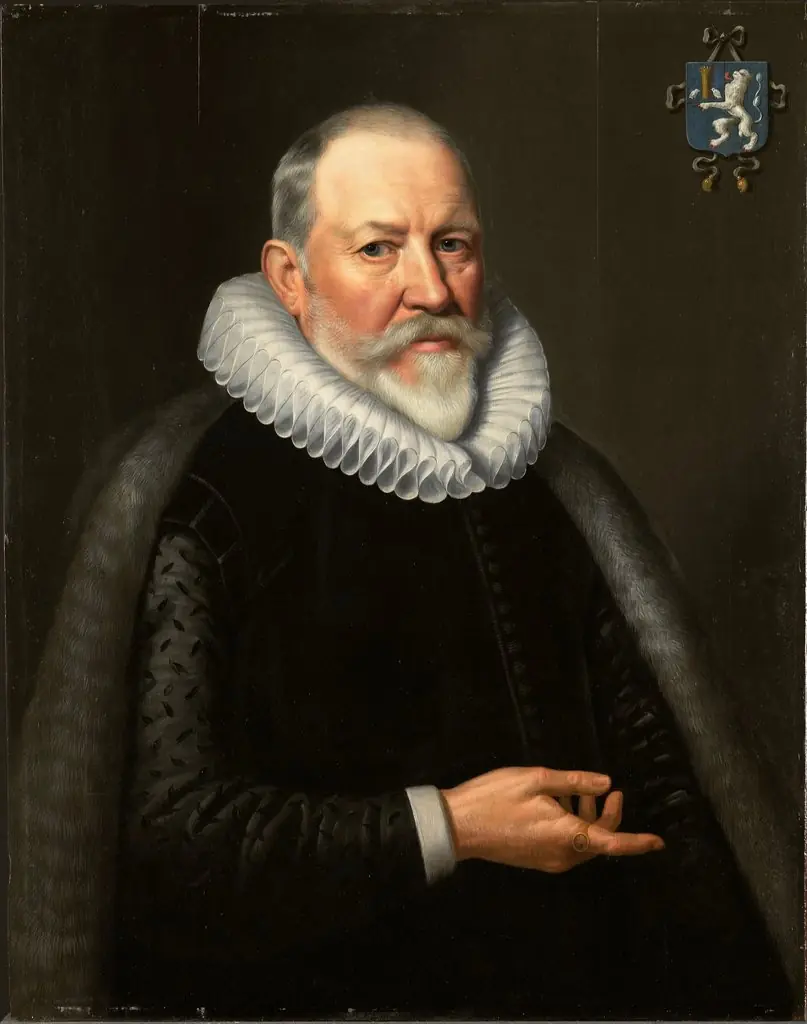 Portrait of Maerten Ruychaver (1545-1626)
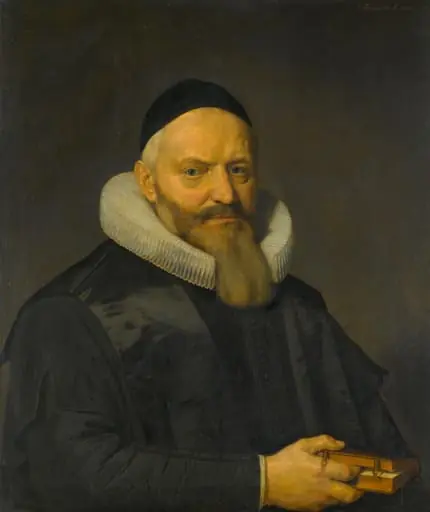 Untitled
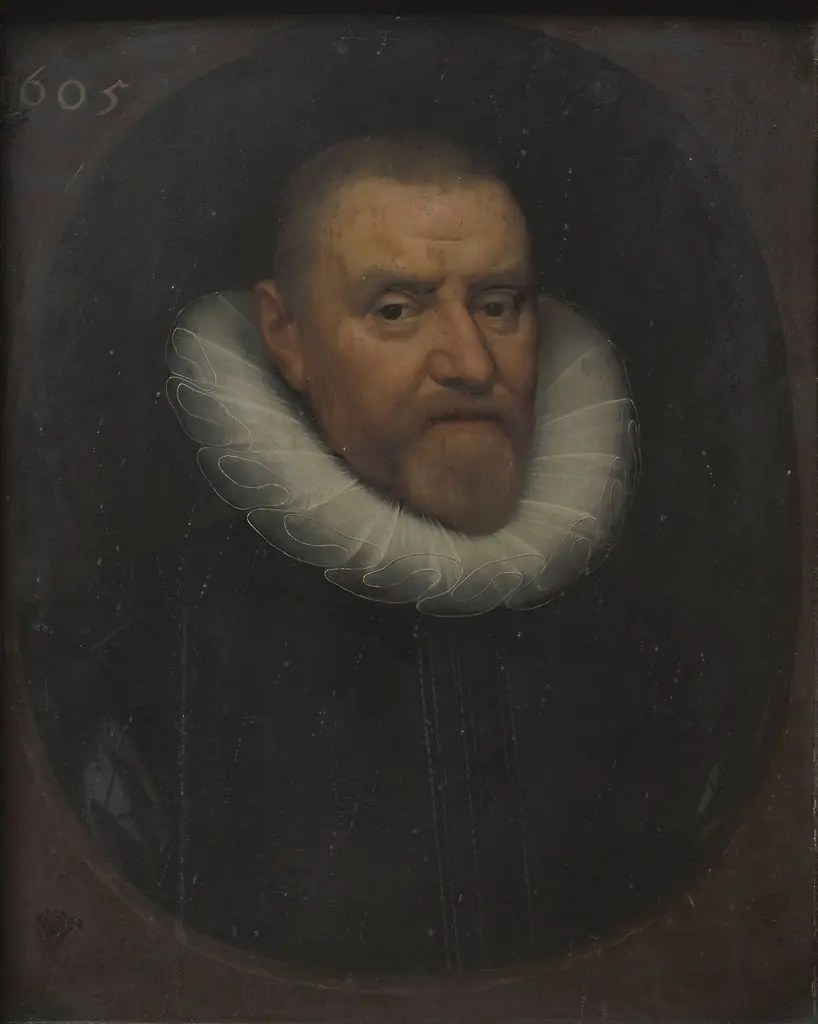 Portrait of a Man
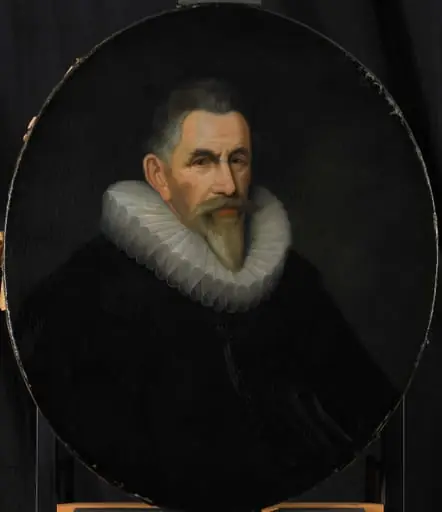 Portrait of Johan van der Veecque, Director of the Rotterdam Chamber of the Dutch East India Company, elected 1602
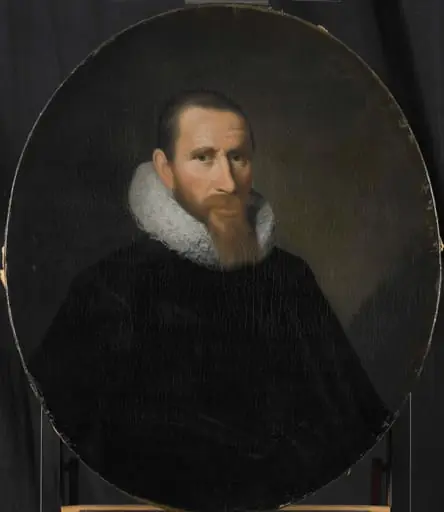 Portrait of Joost van Coulster, Director of the Rotterdam Chamber of the Dutch East India Company, elected 1630
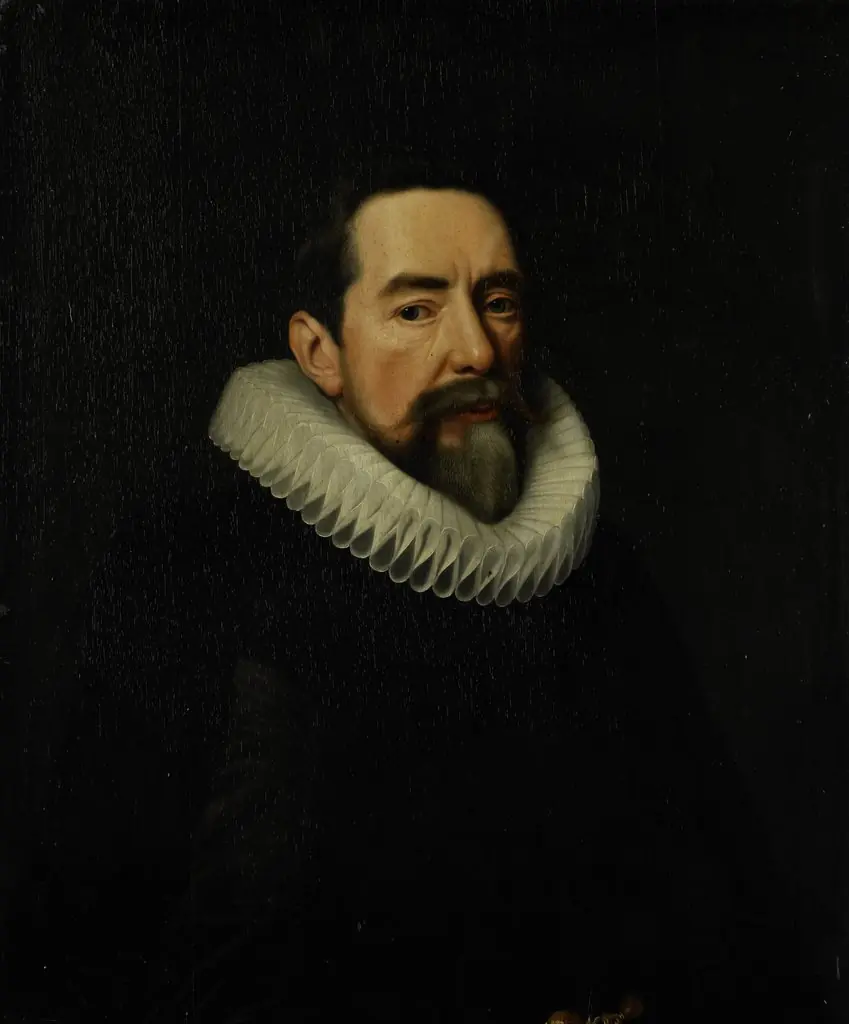 Portrait of a man
 Portrait of Anthony de Wale (1573-1639). Professor of Theology at the University in Leiden