Artwork
Follette
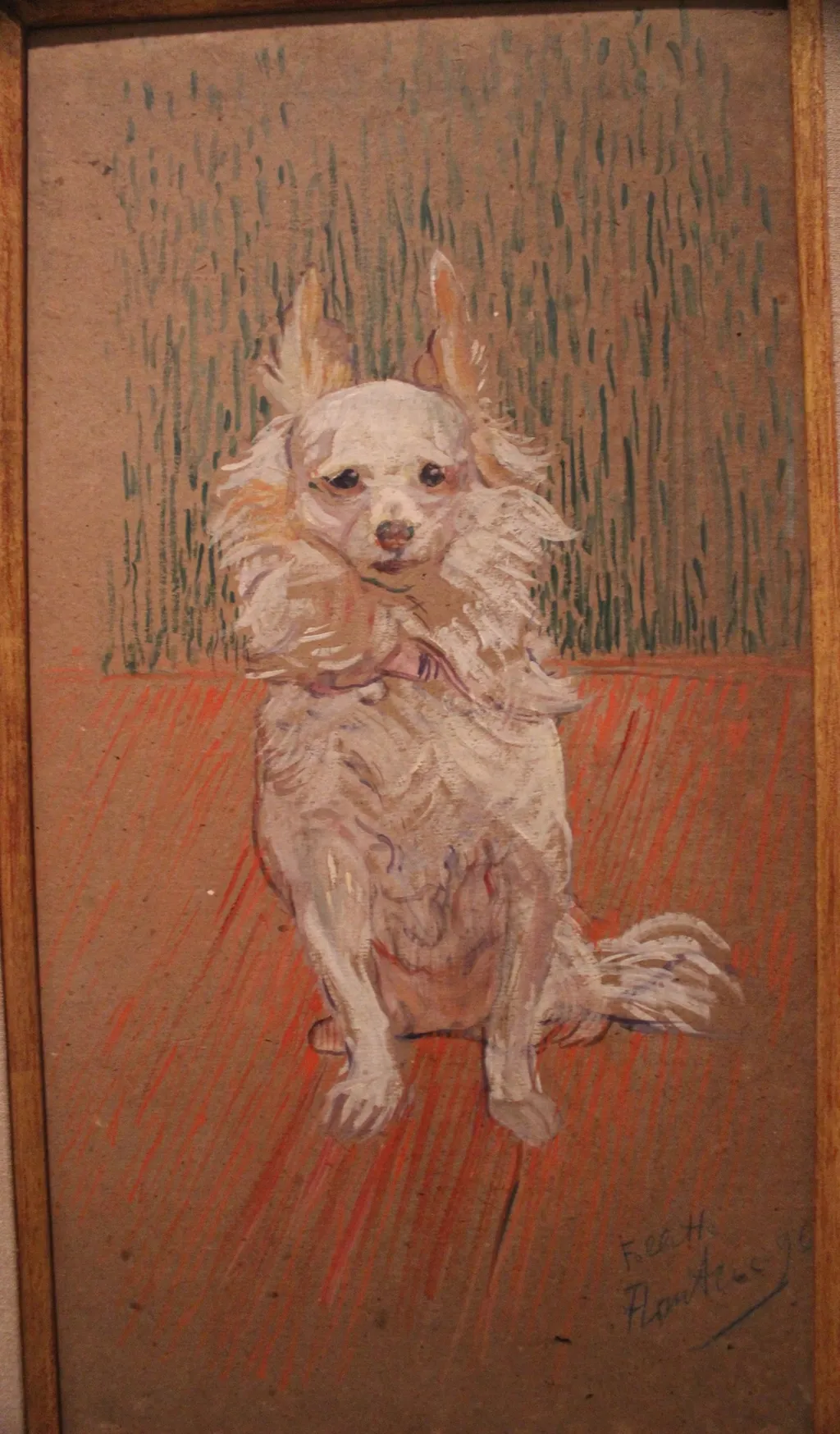
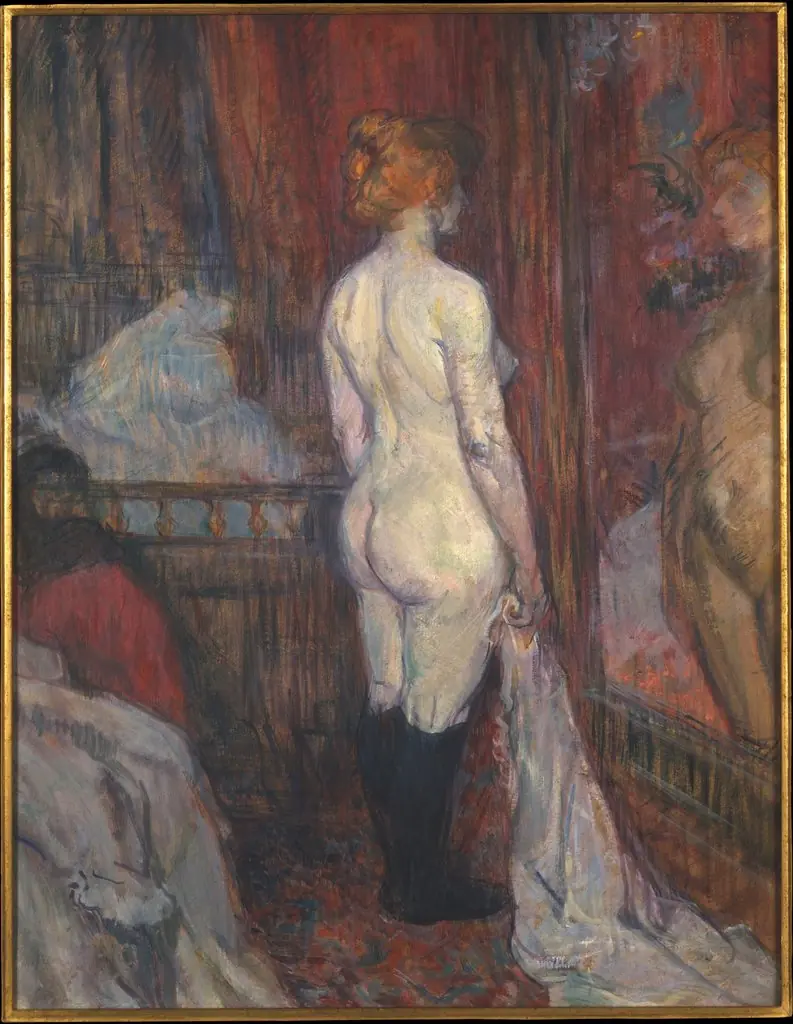
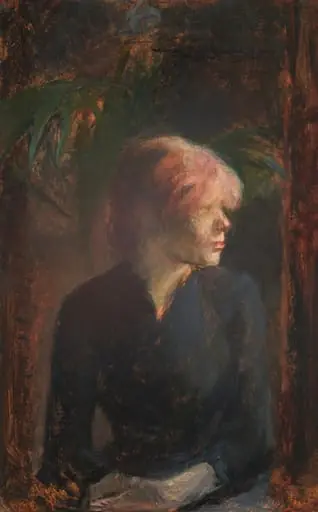
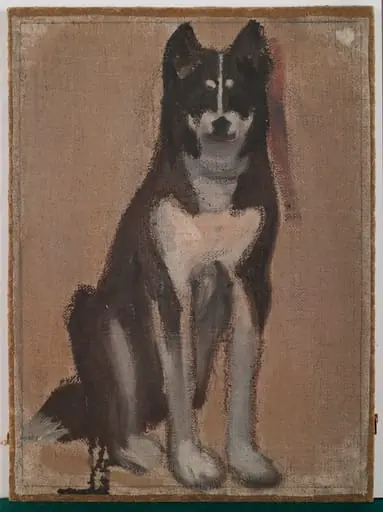
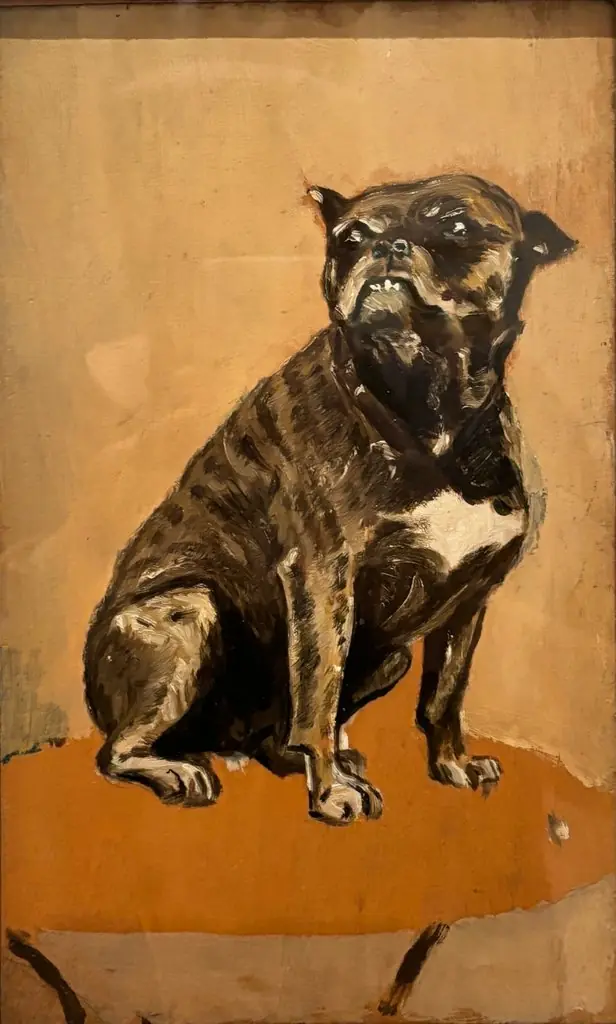
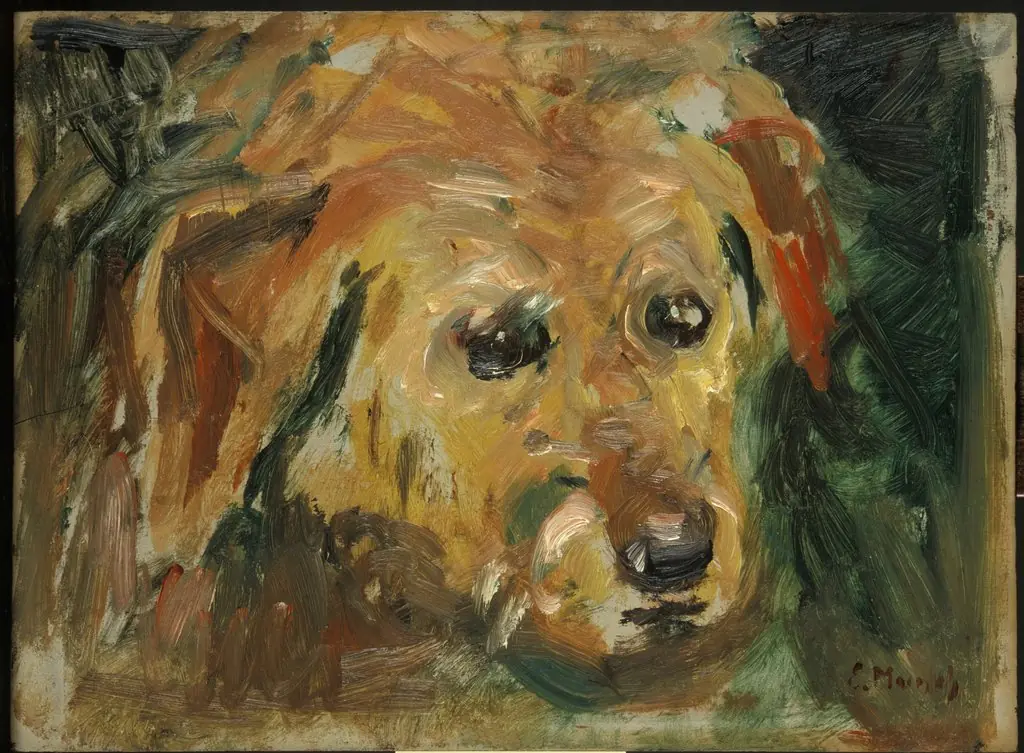
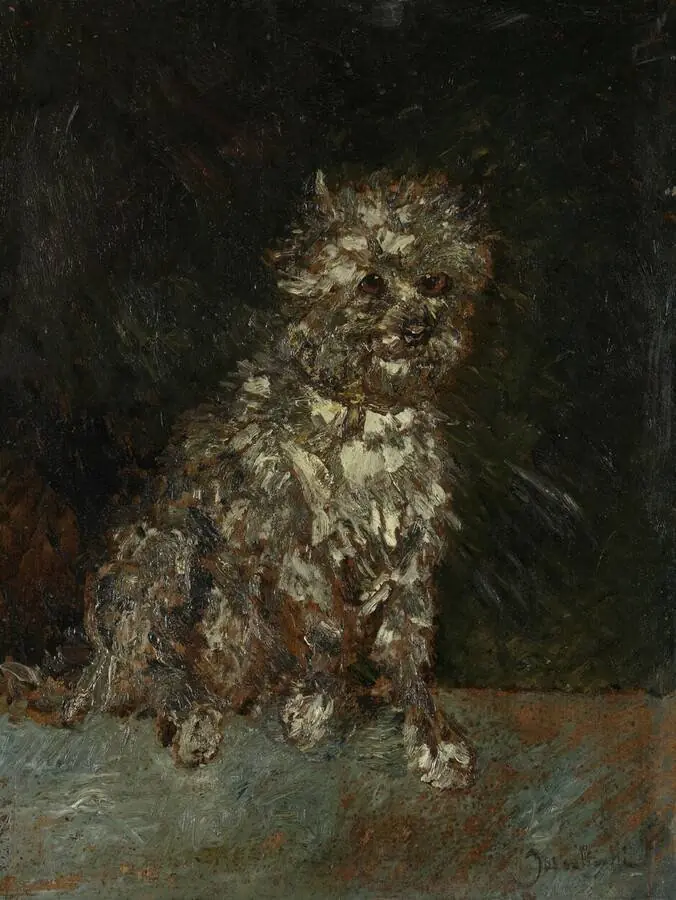
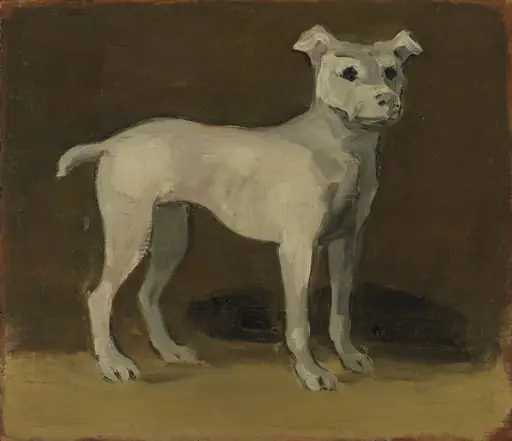
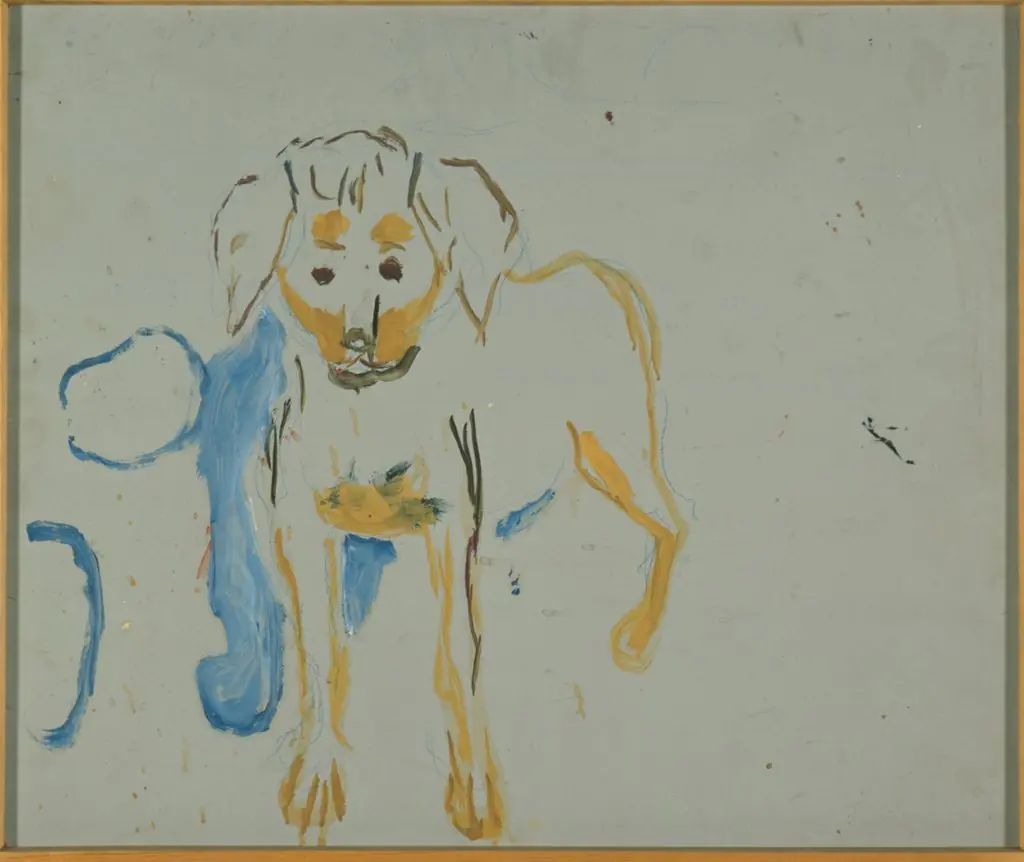
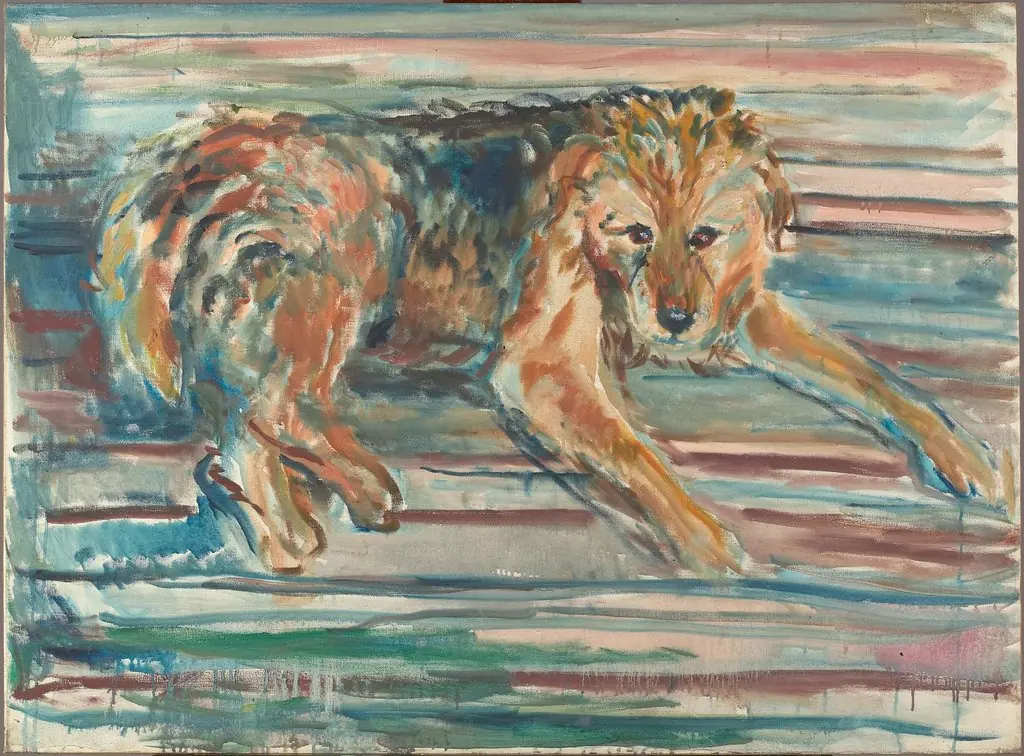
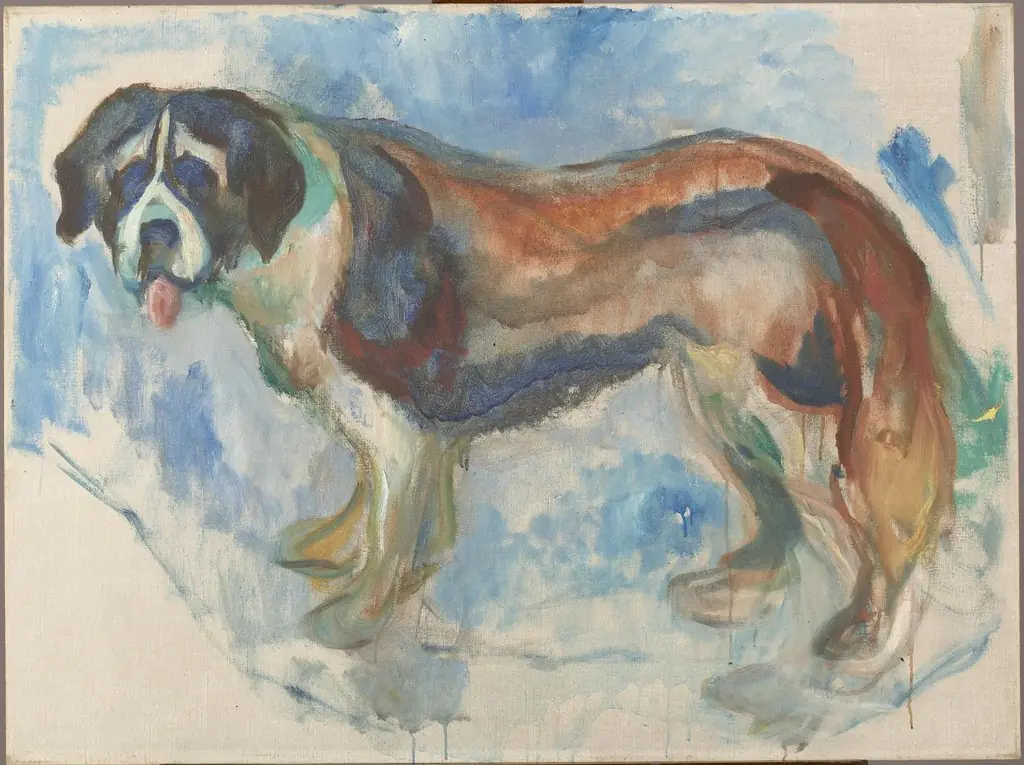
Follette is an unspecified painting by the Post-Impressionist artist Henri de Toulouse-Lautrec. It dates from 1896 and is held in the collection of the Philadelphia Museum of Art.
About this work
Overview
Painted in 1896, *Follette* is one of Henri de Toulouse-Lautrec’s portrait studies from his time in Paris. Though associated with Post-Impressionism, his approach blended observational realism with expressive line and flat color. The work reflects his focus on individuals from the margins of urban society, captured with psychological nuance rather than idealization.
Subject & Meaning
The subject, identified as Follette, was likely a performer or regular at Montmartre’s entertainment venues. Lautrec portrayed her without theatrical embellishment, emphasizing her presence as a real person rather than a spectacle. The painting conveys quiet dignity amid a world often reduced to caricature, suggesting empathy for those living outside conventional social norms.
Technique & Style
Lautrec employed bold outlines and simplified forms, influenced by Japanese woodblock prints and his background in lithography. The palette is restrained, with muted tones grounding the figure in a tangible space. Brushwork is deliberate yet loose, avoiding academic polish in favor of immediacy and emotional resonance.
History & Provenance
Created during a period of intense productivity, *Follette* emerged from Lautrec’s frequent visits to cabarets and dance halls. It remained in private hands for much of the 20th century before entering a public collection. Its documented history is modest, consistent with many of his lesser-known portraits, which were often made as personal studies rather than commissioned works.
Context
In 1890s Paris, the boundaries between art and entertainment blurred, especially in Montmartre. Lautrec, physically isolated by childhood injuries, found kinship among performers and sex workers. His depictions of these figures challenged bourgeois norms, offering a candid view of urban life that contrasted sharply with the romanticized imagery of the time.
Legacy
Lautrec’s portraits, including *Follette*, helped redefine portraiture by centering everyday people with psychological depth. His influence extended to modern graphic design and expressionist painting, particularly in the use of line and composition to convey character. Though not widely exhibited in his lifetime, his work gained recognition for its unflinching humanity.
Artist & collection
Artist
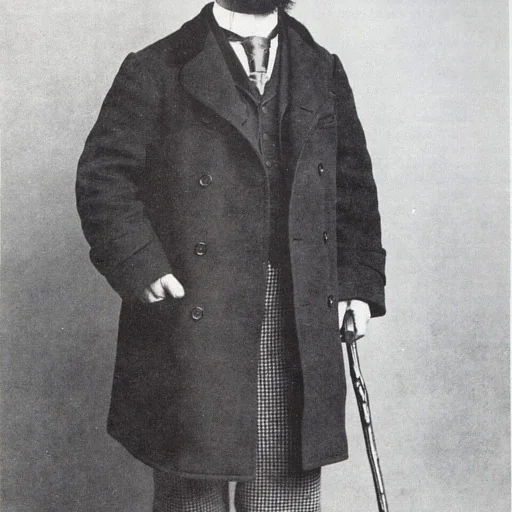
Comte Henri Marie Raymond de Toulouse-Lautrec-Montfa (24 November 1864 – 9 September 1901), known as Toulouse-Lautrec (French: ), was a French painter, printmaker, draughtsman, caricaturist, and illustrator.