Artwork
The Beggar
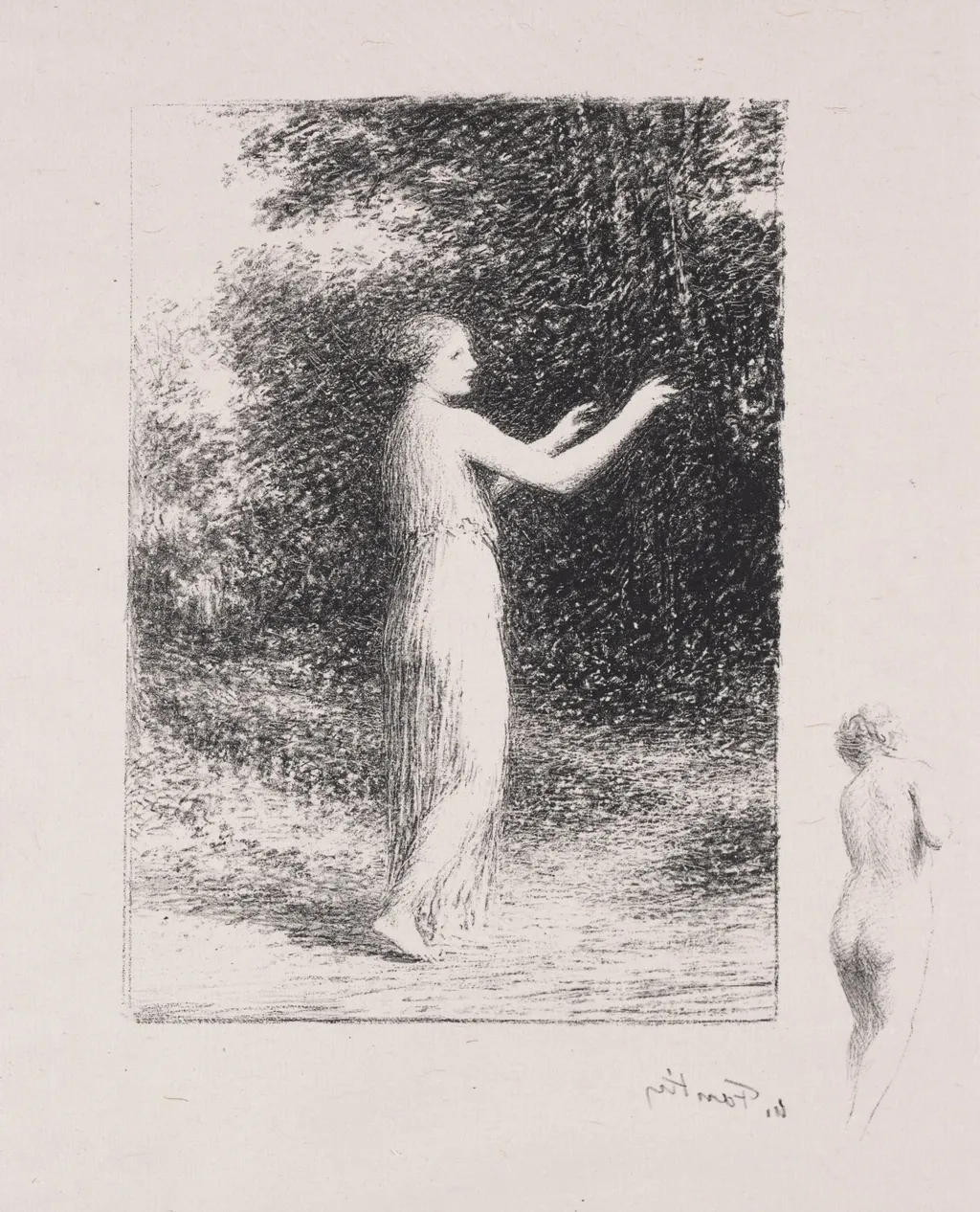
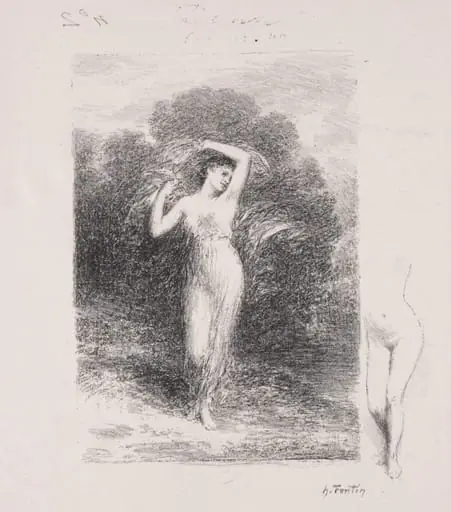
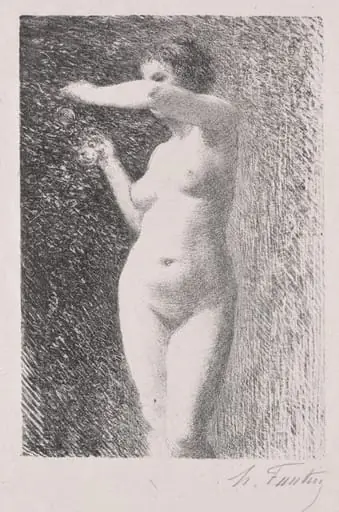
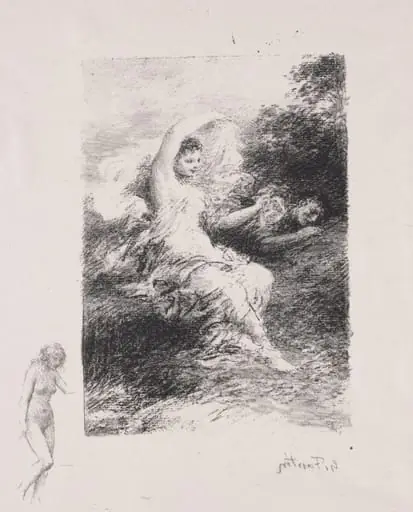
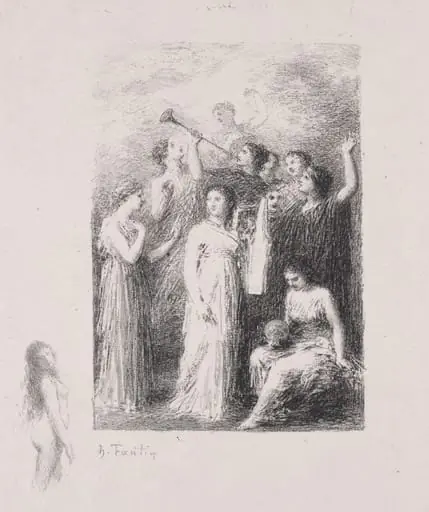
The Beggar is a print by Henri Fantin-Latour. It dates from 1903 and is held in the collection of the Cleveland Museum of Art.
About this work
Overview
Created in 1903 by French artist Henri Fantin-Latour, *The Beggar* is a lithograph that departs from his more familiar still lifes and group portraits.
Created in 1903 by French artist Henri Fantin-Latour, *The Beggar* is a lithograph that departs from his more familiar still lifes and group portraits. This solitary figure study reflects a quieter, more introspective phase of his career. The work is part of the permanent collection at The Cleveland Museum of Art, where it stands as an example of Fantin-Latour’s engagement with human character beyond social circles of the Parisian art world.
Subject & Meaning
The subject is an elderly man, bearded and cloaked in worn clothing, carrying a staff and a small bag—symbols of itinerant life. His posture and expression convey weariness rather than pathos. Fantin-Latour avoids overt sentimentality, presenting the figure with quiet dignity. The absence of context or narrative detail invites contemplation of solitude and resilience, aligning the image with broader 19th-century interests in marginalized lives.
Technique & Style
Fantin-Latour employs chiaroscuro to model the figure with subtle gradations of light and shadow, emphasizing the contours of the face and hands. The muted palette of browns and grays enhances the somber mood, while the dark, indistinct background isolates the figure. Lithographic lines are controlled and precise, suggesting texture in fabric and hair without overt detail. The technique prioritizes atmosphere over realism, reflecting a deliberate restraint in execution.
History & Provenance
Produced late in Fantin-Latour’s career, *The Beggar* was likely made for personal or limited circulation rather than public exhibition. It entered The Cleveland Museum of Art’s collection in the 20th century, though specific acquisition details are not widely documented. Its survival as a printed work underscores Fantin-Latour’s continued interest in printmaking, even as his reputation solidified around oil paintings.
Context
In early 20th-century France, depictions of the poor were increasingly common in art, often tied to social realism or Symbolist introspection. Fantin-Latour’s approach diverges from overt political commentary; instead, he aligns with a tradition of psychological portraiture rooted in 19th-century academic practice. His focus on individual presence, rather than societal critique, reflects his enduring ties to classical ideals amid evolving artistic movements.
Legacy
Though not among Fantin-Latour’s most widely recognized works, *The Beggar* illustrates his consistent commitment to human form and emotional nuance. It reveals a lesser-known facet of his practice—his ability to convey depth through minimal means. The print remains a quiet testament to his skill in lithography and his enduring interest in the dignity of solitary figures, influencing later artists who favored restraint over spectacle.
Own this work as a print
Artist & collection
Artist
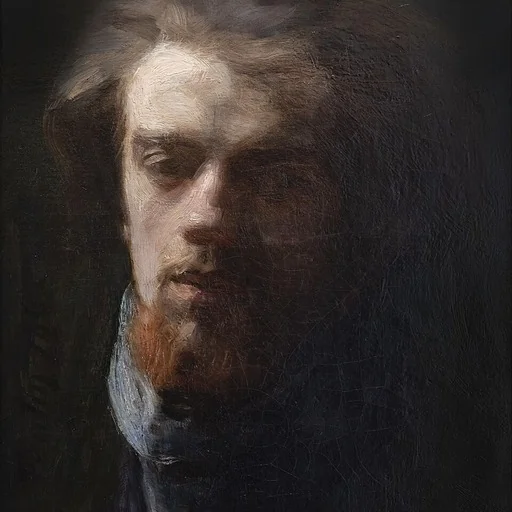
Ignace Henri Jean Theodore Fantin-Latour (French pronunciation: ; 14 January 1836 – 25 August 1904) was a French painter and lithographer best known for his flower paintings and group portraits of Parisian artists and writers.