Artwork
Still Life with Fruit
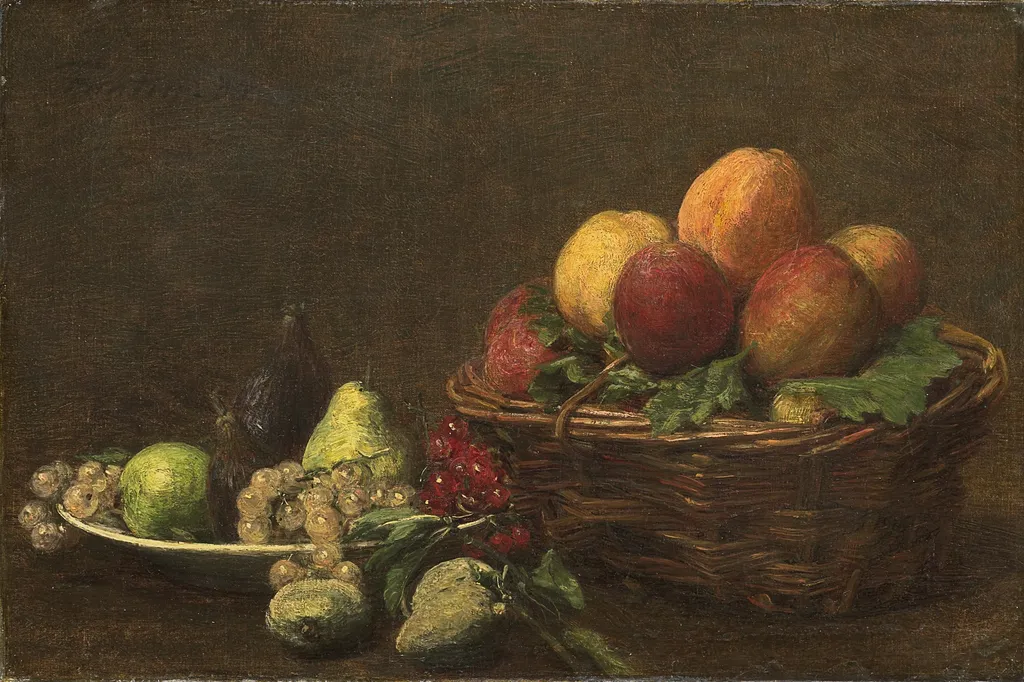
Still Life with Fruit is an oil painting by the Impressionist artist Henri Fantin-Latour. It dates from 1893 and is held in the collection of the Rijksmuseum.
About this work
If you're interested in learning more about the artist who created this beautiful still life, look up Henri Fantin-Latour (French, 1836–1904).
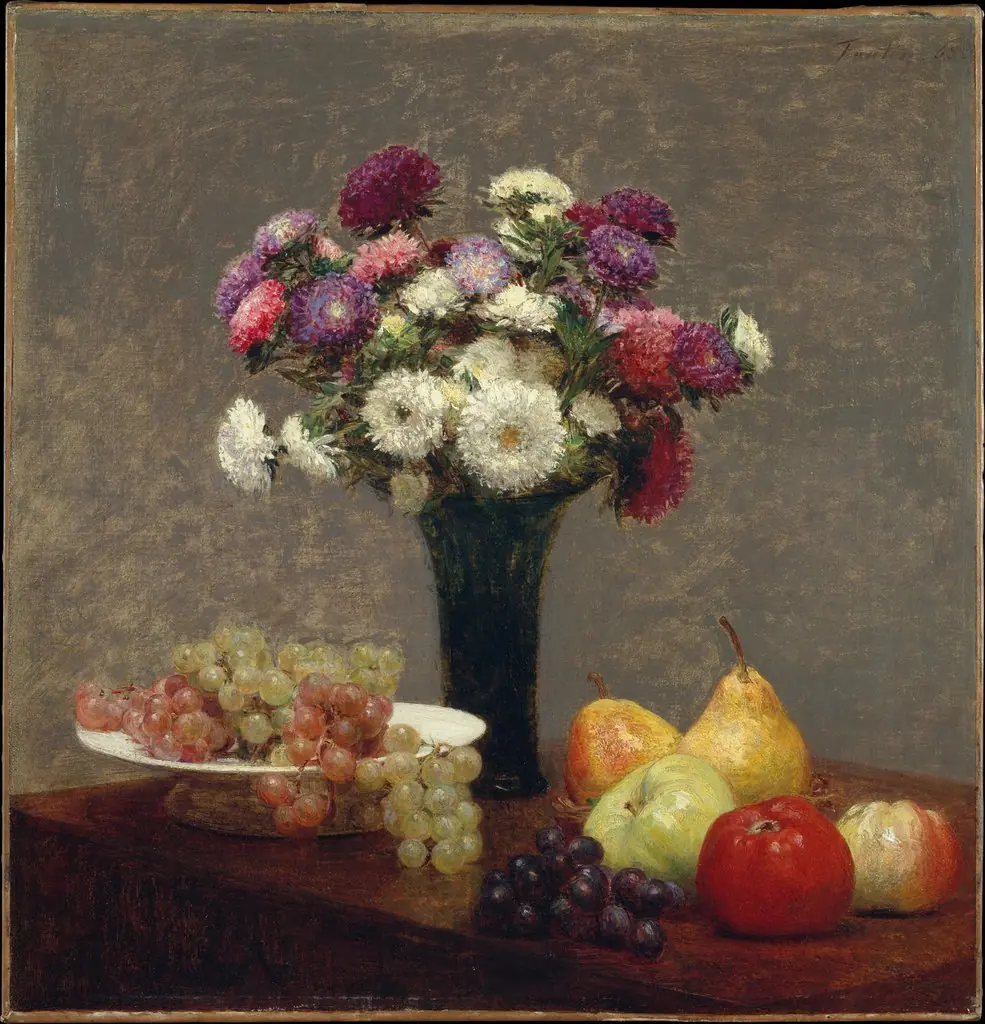
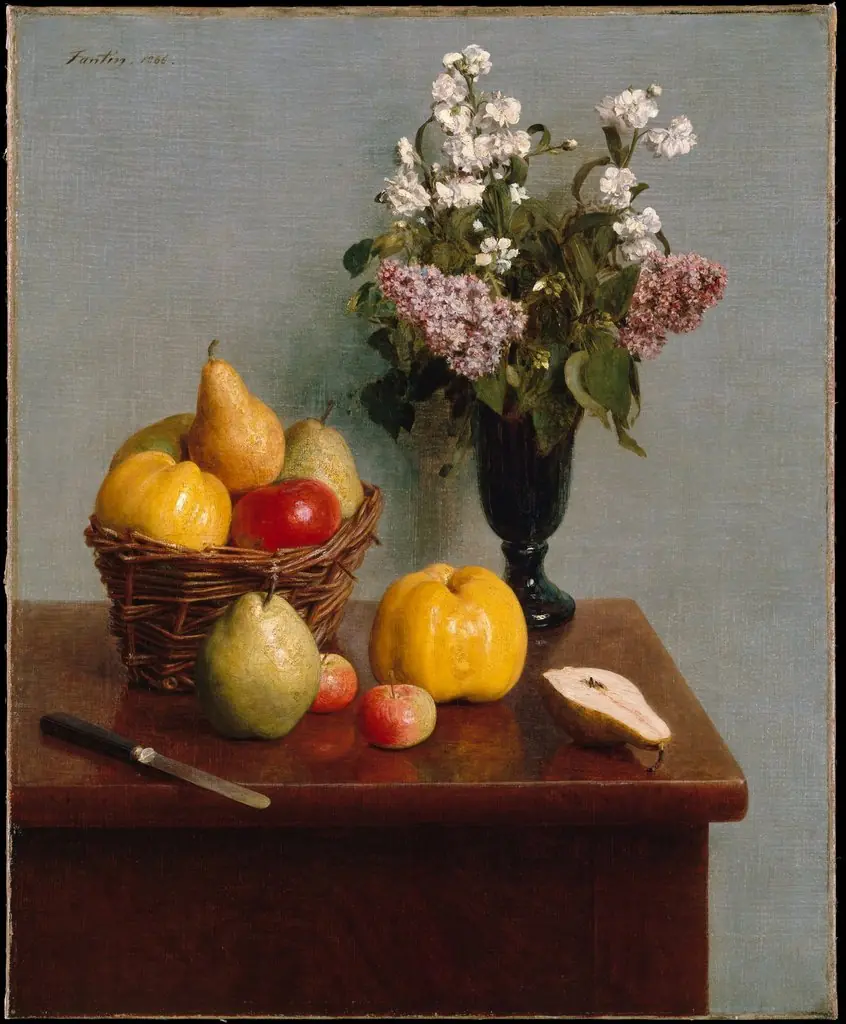
This painting depicts a still life arrangement of fruit in a basket and on a plate. The basket, made of wicker, contains apples and leaves, while the plate holds grapes, pears, and a fig. The fruit is painted in a realistic style, with attention to detail and texture.
The background of the painting is dark, which helps to highlight the colors and shapes of the fruit. The overall effect is one of simplicity and elegance, with the fruit arranged in a harmonious and balanced composition.
If you're interested in learning more about the artist who created this beautiful still life, look up Henri Fantin-Latour (French, 1836–1904).
Overview
Henri Fantin‑Latour’s *Still Life with Fruit*, executed in oil in 1893, presents a modest arrangement of assorted fruit against a deep, muted backdrop. The composition centers on a wicker basket brimming with apples and foliage, accompanied by a plate bearing grapes, pears and a fig. The work exemplifies the artist’s precise, restrained approach to still‑life painting during the late nineteenth‑century French art scene.
Subject & Meaning
The painting focuses on everyday produce, rendered with careful attention to the natural forms and textures of each item. By isolating the fruit from any narrative context, Fantin‑Latour emphasizes the visual harmony of color, shape and light, inviting contemplation of the simple beauty inherent in ordinary objects.
Technique & Style
Executed in oil on canvas, the piece employs a realistic handling of surface detail, from the glossy skin of the grapes to the matte texture of the wicker. A dark, almost velvety background absorbs ambient light, allowing the luminous hues of the fruit to emerge with subtle chiaroscuro, characteristic of Fantin‑Latour’s meticulous brushwork.
History & Provenance
Created toward the end of Fantin‑Latour’s career, the work entered the collection of the Rijksmuseum in Amsterdam, where it remains on public display. The painting reflects the artist’s long‑standing reputation for finely composed still lifes, which complemented his more widely known group portraits of Parisian cultural figures.
Context
Produced during the waning years of the Impressionist era, the painting aligns with a broader French interest in still‑life subjects that combined academic precision with a softer, atmospheric treatment of light. Fantin‑Latour’s approach bridges the detailed realism of earlier traditions and the looser, mood‑driven sensibilities of his contemporaries.
Own this work as a print
Artist & collection
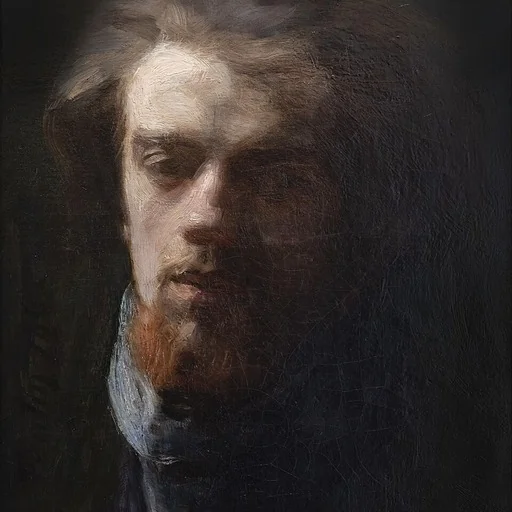
Artist
Ignace Henri Jean Theodore Fantin-Latour (French pronunciation: ; 14 January 1836 – 25 August 1904) was a French painter and lithographer best known for his flower paintings and group portraits of Parisian artists and writers.