Artwork
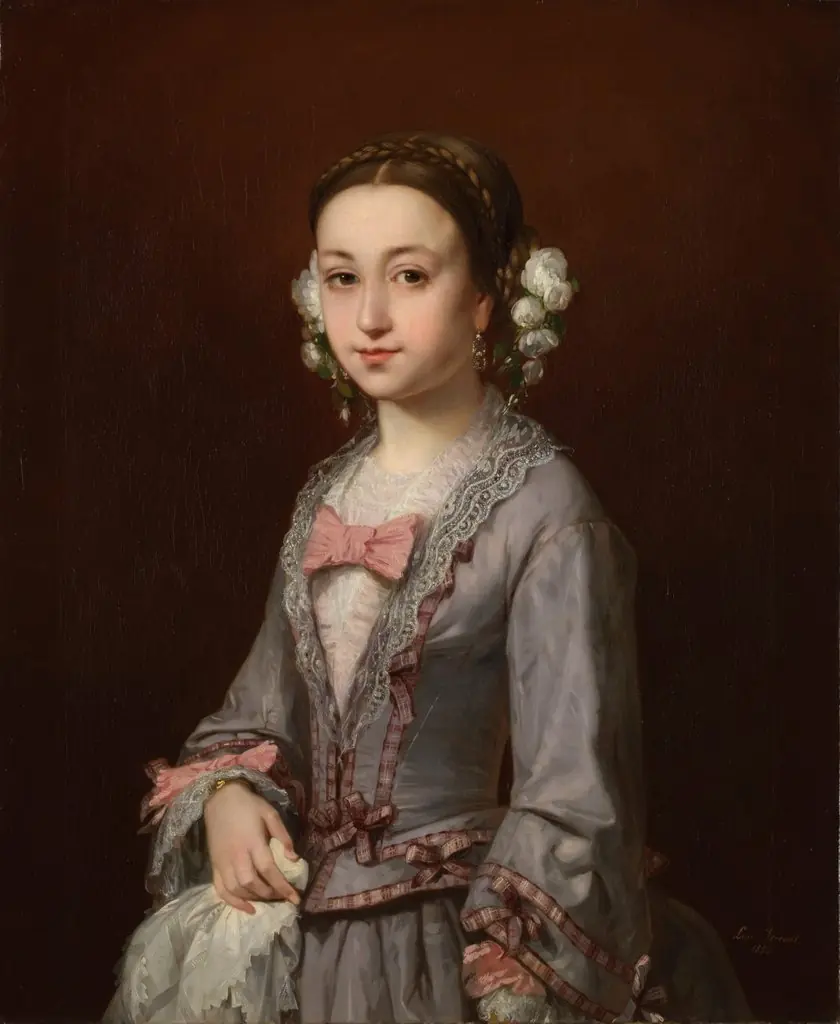
Portrait of a Young Woman
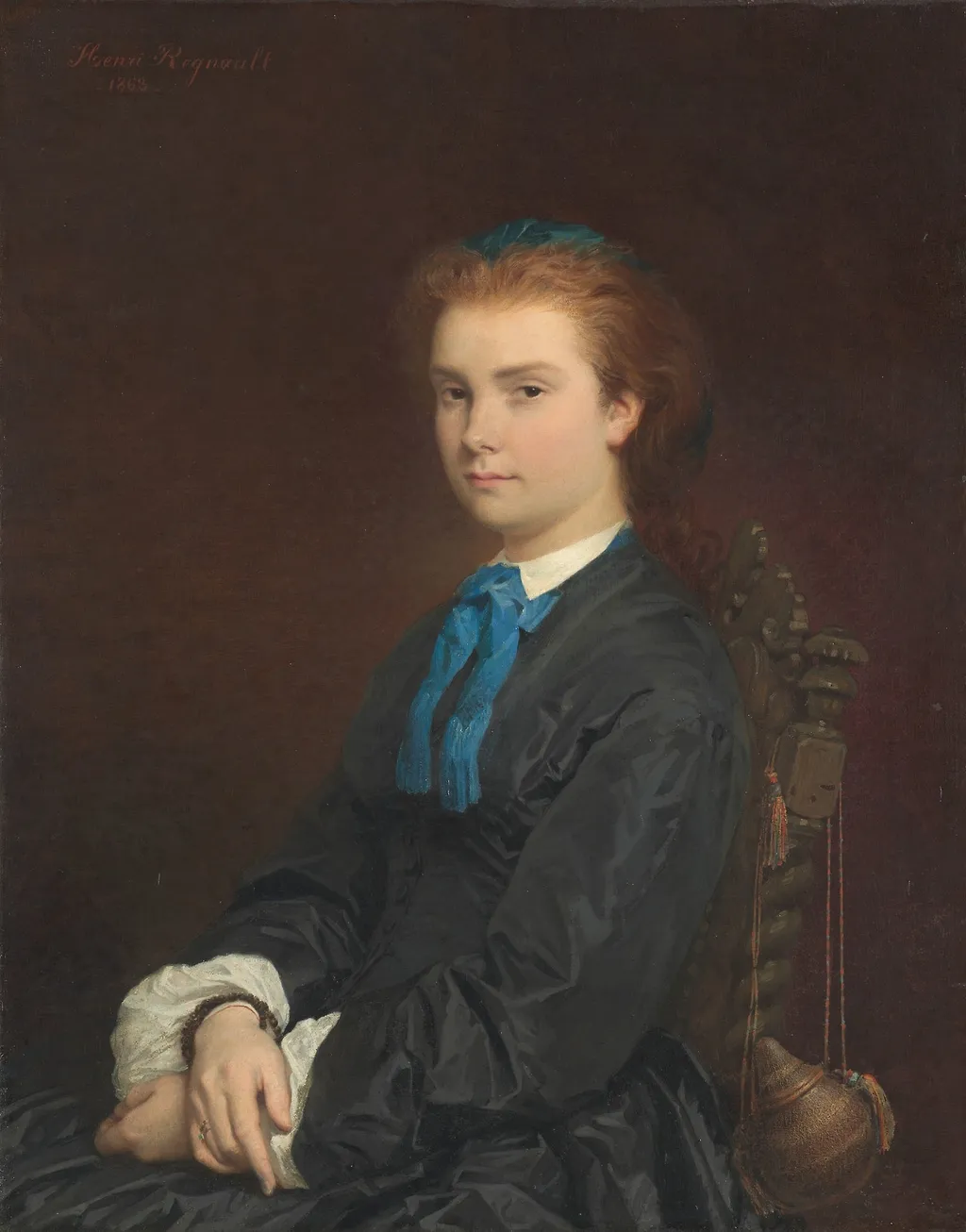
Portrait of a Young Woman is an oil painting by the Realist artist Henri Regnault. It dates from 1863 and is held in the collection of the Art Institute of Chicago.
About this work
Overview
Painted in 1863 by Henri Regnault, this oil portrait captures a young woman in a composed, seated pose. The work is part of the collection at the Art Institute of Chicago. Rendered with careful attention to detail, the painting presents its subject in a restrained, intimate setting, emphasizing stillness and presence over narrative drama.
Subject & Meaning
The sitter, identified only by her appearance, gazes directly at the viewer with calm intensity. Her formal attire—dark blue dress, white collar, and blue bow—suggests modest elegance, while her clasped hands convey quiet dignity. The absence of identifiable symbols or context invites interpretation centered on inner reflection rather than social status or identity.
Technique & Style
Regnault employs subtle chiaroscuro to model the woman’s face and hands, enhancing volume through soft transitions between light and shadow. The dark background isolates her figure, drawing focus to her features and the texture of her clothing. Brushwork is precise yet unobtrusive, favoring clarity over decorative flourish, aligning with academic traditions of the period.
History & Provenance
The painting was completed in 1863 during Regnault’s early career, before his later historical works gained wider recognition. It entered the Art Institute of Chicago’s collection in the early 20th century, likely through a private acquisition. Its provenance prior to institutional ownership remains undocumented, though it was likely held in a French or American private collection.
Context
Created during a time when academic portraiture emphasized refinement and psychological restraint, this work reflects the influence of 19th-century French salon traditions. While Regnault is better known for dramatic historical scenes, this portrait reveals his skill in capturing quiet individuality, a less celebrated but equally significant aspect of his practice.
Legacy
Though not among Regnault’s most widely exhibited works, the portrait endures as a quiet example of his ability to convey presence through subtlety. It contributes to broader understandings of academic portraiture beyond grand narratives, offering insight into the artist’s sensitivity to individual character and the expressive potential of stillness.
Own this work as a print
Artist & collection
Artist
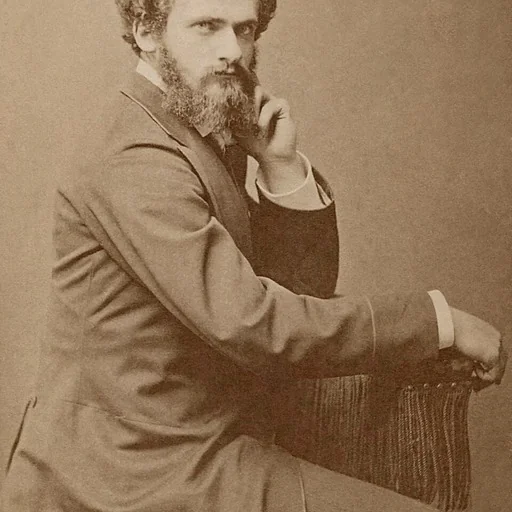
Born in Paris on October 31, 1843, Henri-Georges-Alexandre Regnault was the son of Henri Victor Regnault, the celebrated chemist and professor at the Collège de France.


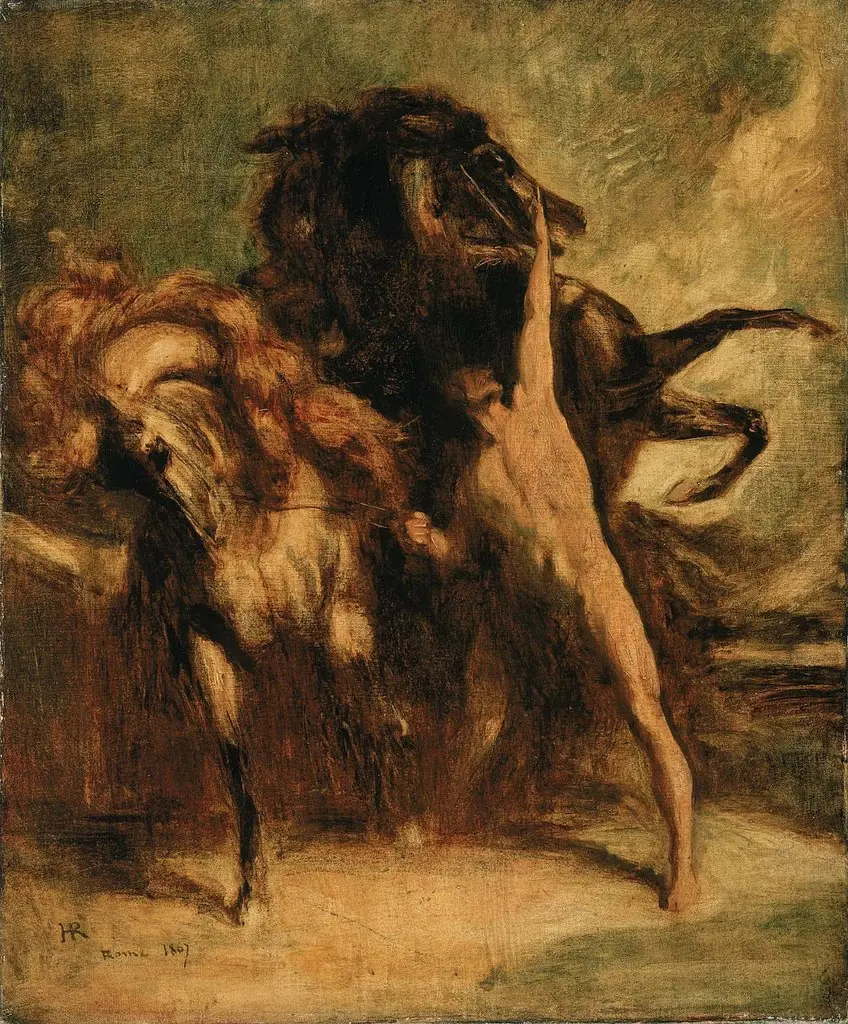
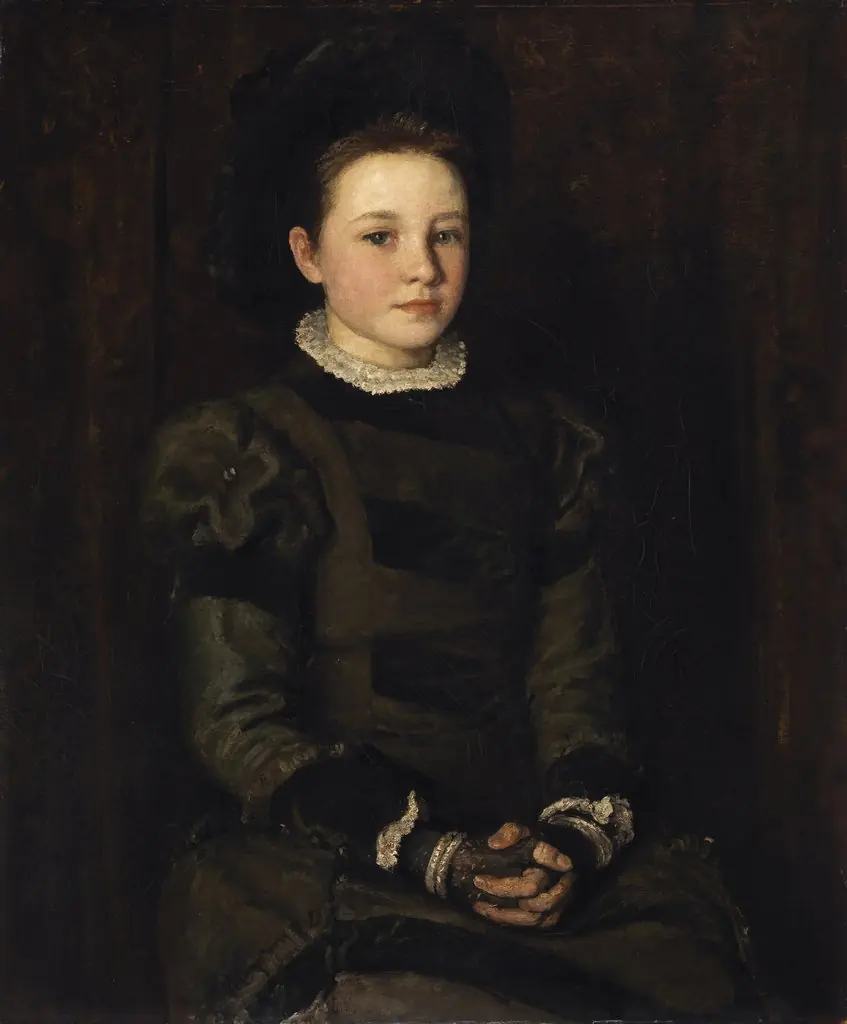 Portrait of Hester Dowden as a Child
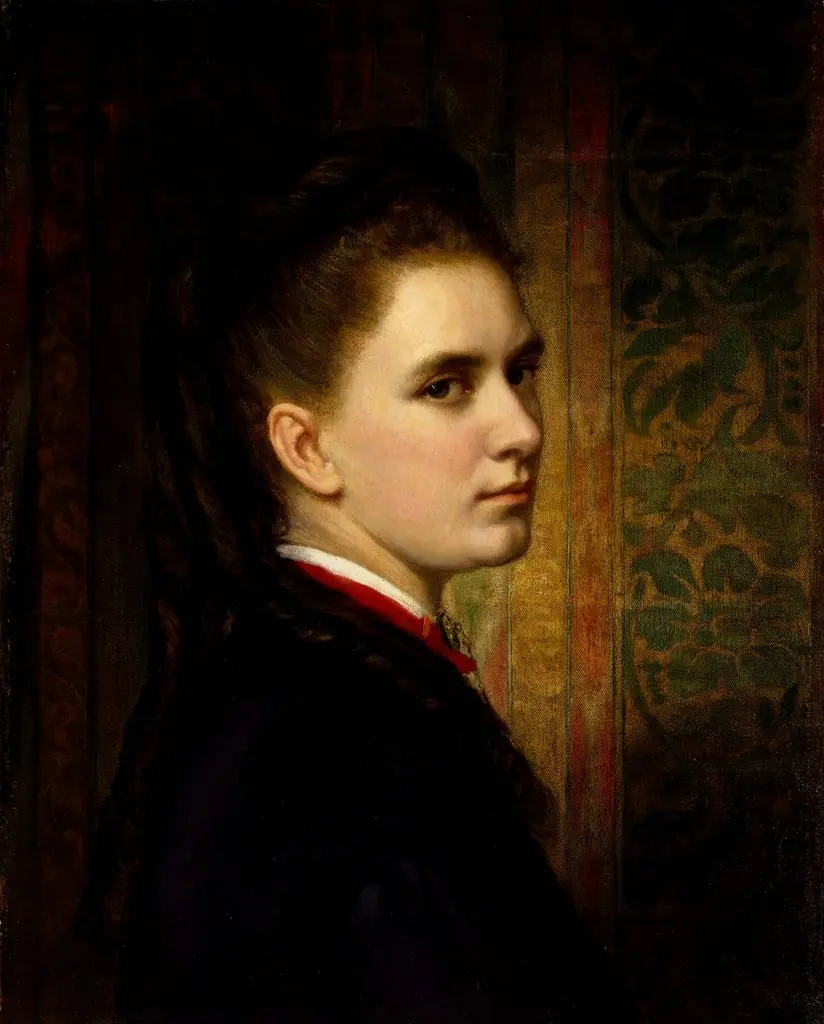 Portrait of Maria Healy, the Artist's Daughter
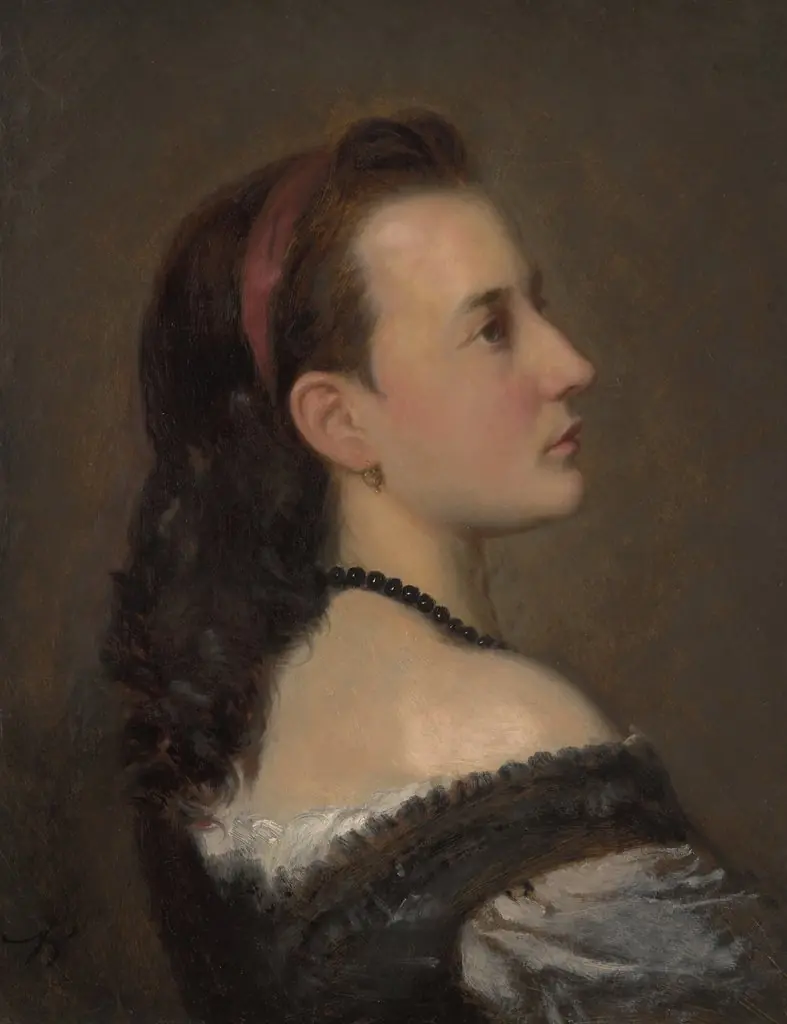 Portrait of a Young Lady
 Roxana Atwater Wentworth
 Mathilde Costermans
 Dame med strikketøj. En af kunstnerens søstre (?)
 Portrait of artist’s sister
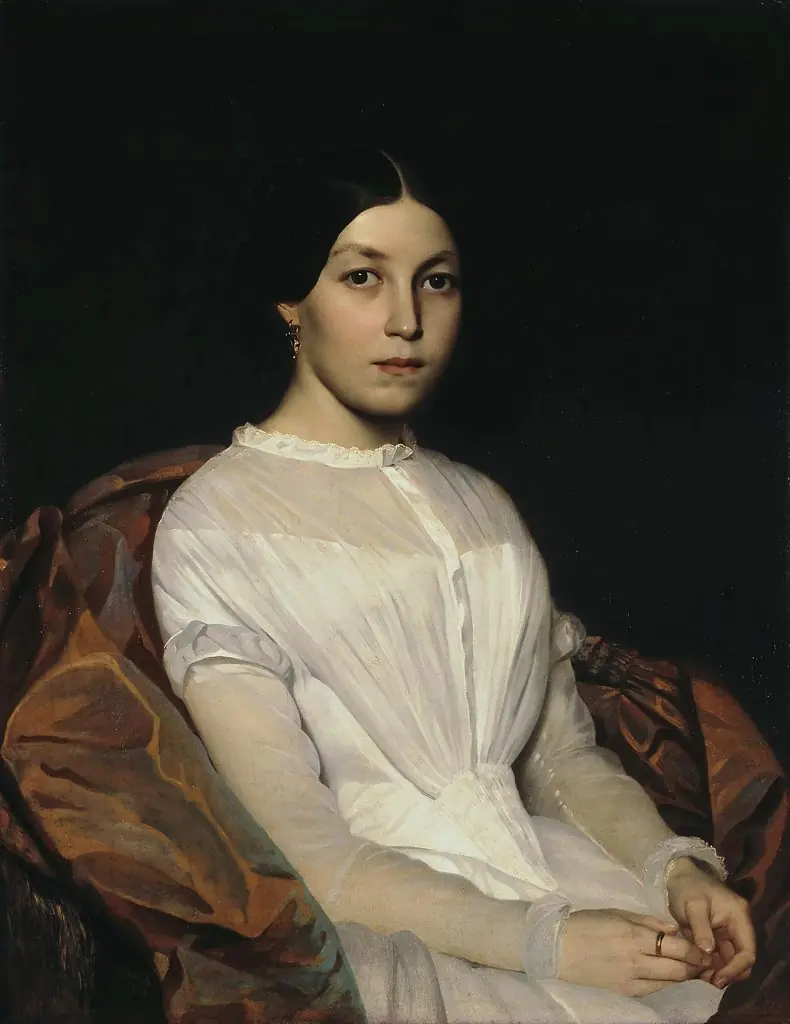 Alexandra Kutorga
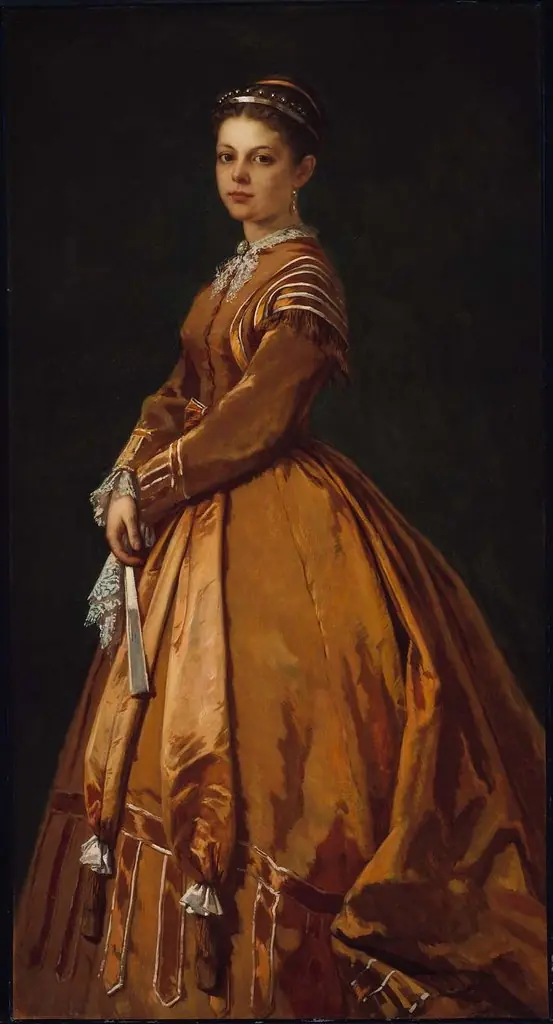 Olivia Buckminster Lothrop (Mrs. Lewis William Tappan, Jr.)
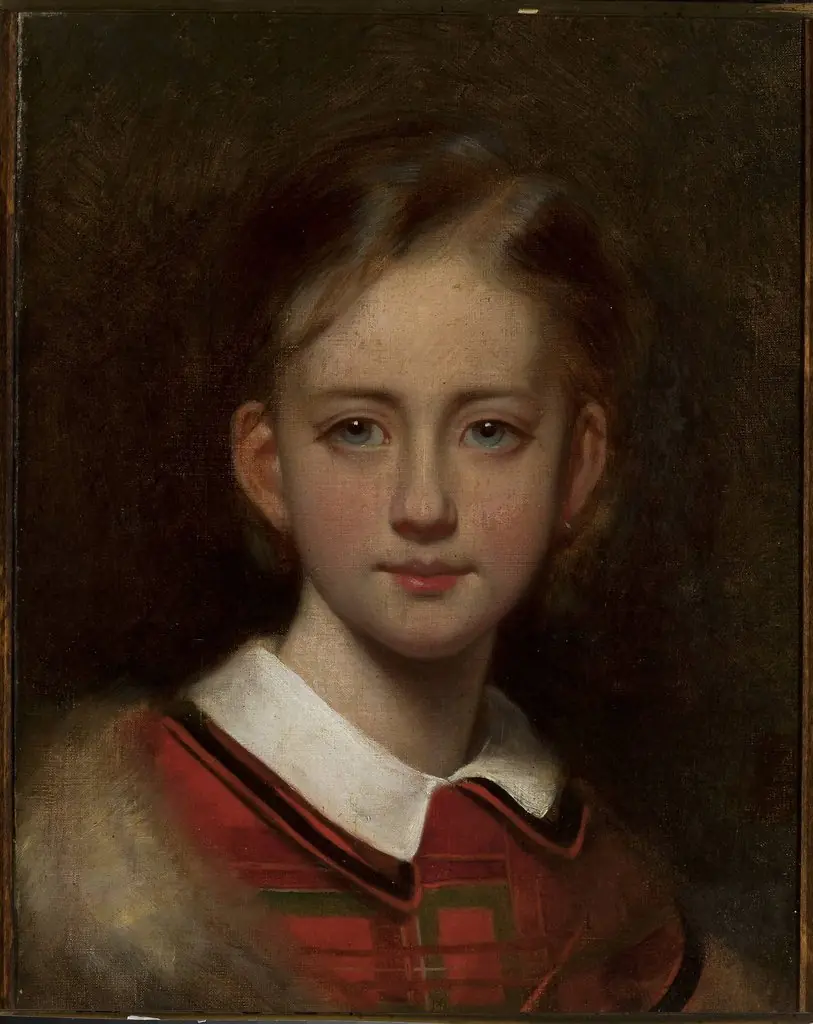 Portrait of a girl
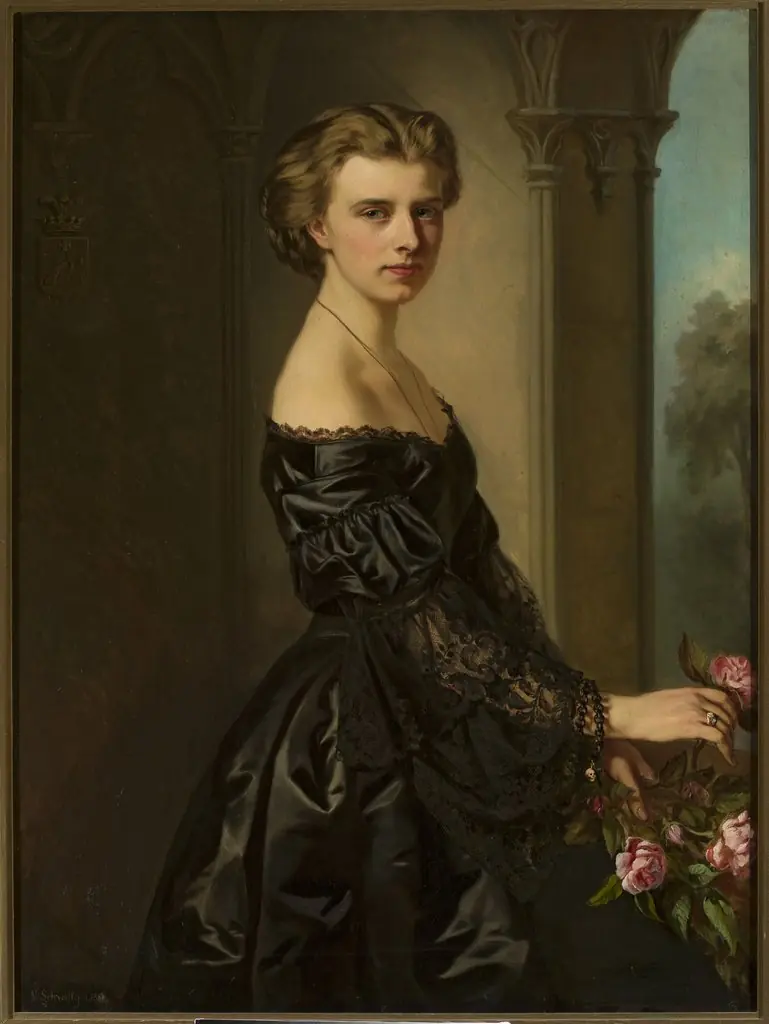 Portrait of a young woman with roses
 Isabel Aragón