Artwork
She Runs Home and Tells Her Mother All about It
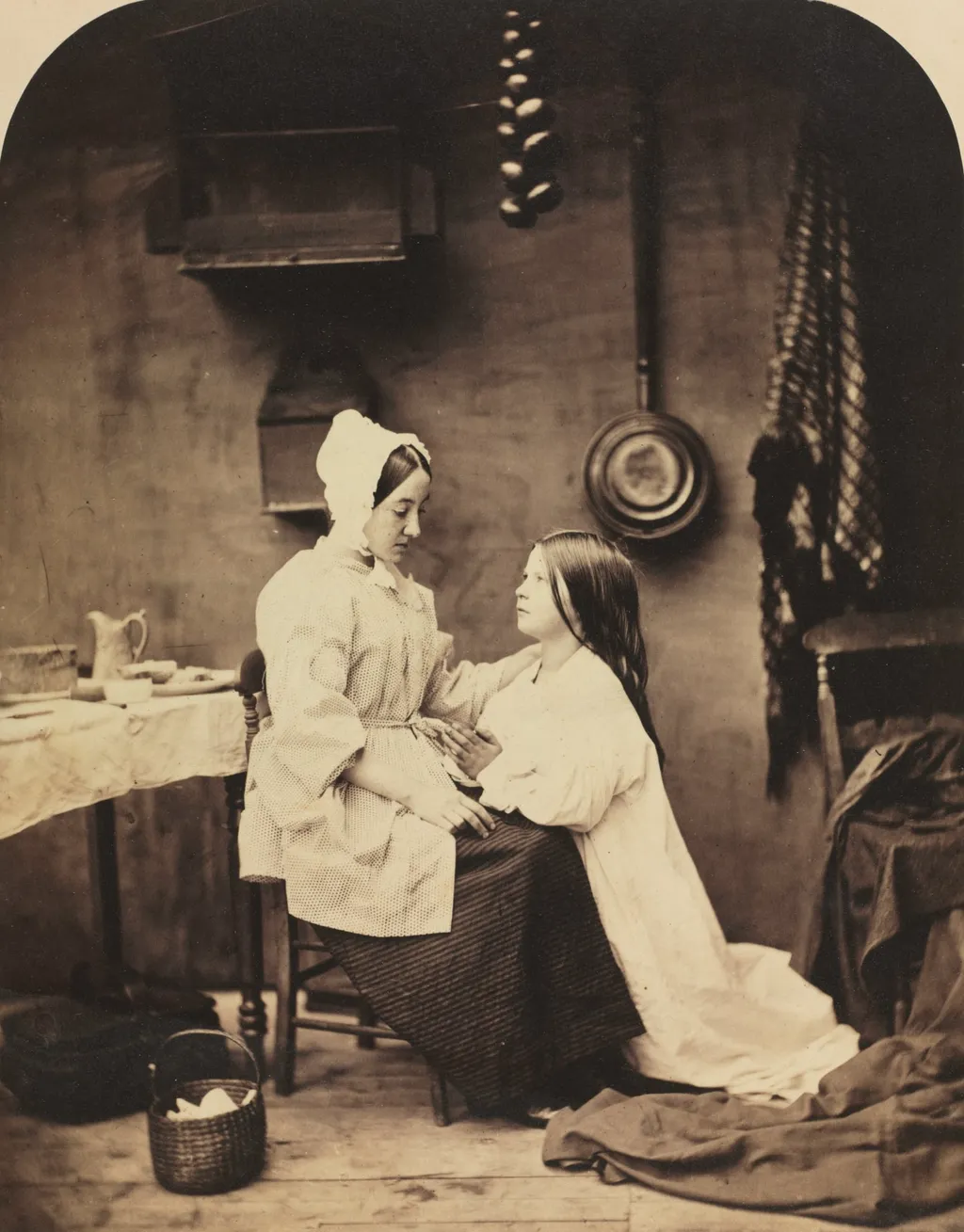
She Runs Home and Tells Her Mother All about It is a photography by the Impressionist artist Henry Peach Robinson. It dates from 1858 and is held in the collection of the Cleveland Museum of Art.
About this work
The story comes from Little Red Riding Hood, but here the girl returns safely home.
This painting shows a young girl in a red dress running toward a cottage door. An older woman watches from the doorway as the girl clutches a basket. The scene feels staged—like a play set in the woods.
Robinson used real models and props to mimic a fairy tale. The story comes from Little Red Riding Hood, but here the girl returns safely home.
If you like this, check out Henry Peach Robinson (British, 1830–1901).
Overview
This photograph by Henry Peach Robinson depicts a moment from the fairy tale Little Red Riding Hood, captured as a staged tableau. Rather than documenting reality, Robinson constructed a scene using actors, costumes, and props to evoke a narrative. His approach aligned with Victorian tastes for moral storytelling through visual art, blending photography with theatrical conventions to create a sense of literary realism.
Subject & Meaning
The image shows a young girl in a red dress rushing toward a cottage doorway, clutching a basket, while an older woman watches from within. The scene represents the safe return of the heroine after her encounter in the woods, underscoring themes of innocence and obedience. By choosing this moment, Robinson emphasizes the resolution of the tale rather than its danger, reinforcing the moral lesson valued in Victorian domestic culture.
Technique & Style
Robinson assembled the photograph from multiple exposures and carefully directed his models to mimic theatrical staging. He used natural lighting and detailed props to enhance realism, while the composition echoes 19th-century painted narratives. His method treated photography not as a mechanical record but as a medium for artistic expression, deliberately borrowing from the conventions of academic painting to elevate its status.
History & Provenance
Created in the 1860s, this work emerged during a period when photography was still establishing its artistic legitimacy. Robinson, a prominent figure in photographic societies, promoted such staged compositions as valid art forms. The photograph was likely exhibited in salons and published in photographic journals, contributing to debates about the boundaries between photography, painting, and literature in mid-Victorian Britain.
Context
Robinson’s work responded to a cultural appetite for illustrated fairy tales and moral fables, fueled by the popularity of the Brothers Grimm and other collectors of folk stories. His photographs offered a visual counterpart to printed literature, allowing middle-class audiences to engage with these narratives in a new, tangible form. The emphasis on domestic safety and childhood virtue reflected broader societal ideals of the time.
Legacy
Robinson’s staged photographs influenced later developments in narrative photography and early cinema. Though his methods were eventually overshadowed by documentary realism, his insistence on photography as a tool for storytelling helped expand its artistic potential. His work remains a key reference in discussions about the intersection of photography, literature, and performance in the 19th century.
Artist & collection

Artist
Henry Peach Robinson was an English pictorialist photographer best known for his pioneering combination printing, an early example of photomontage.

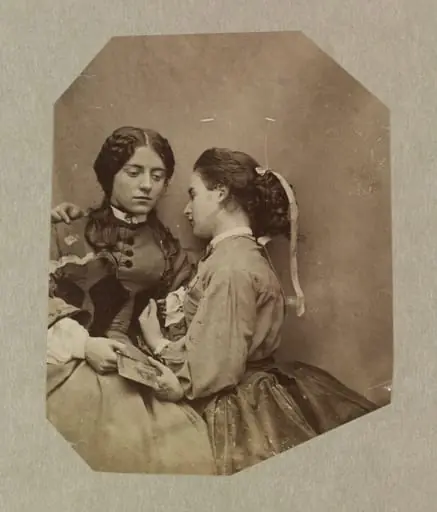 Isabella Grace and Clementina Maude, 5 Princes Gardens
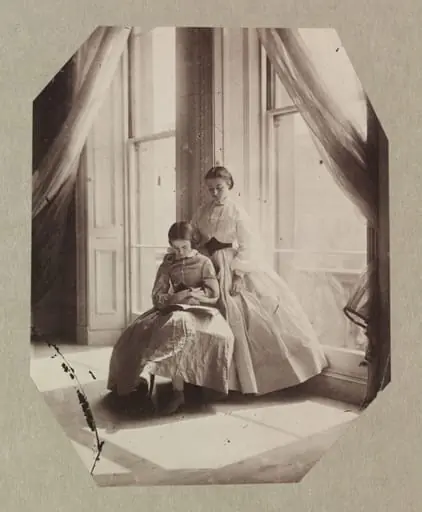 Clementina and Isabella Grace Maude, 5 Princes Gardens
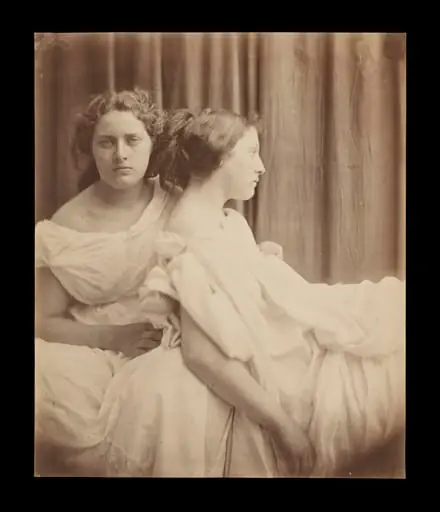 2d. Version of Study after the Elgin Marbles
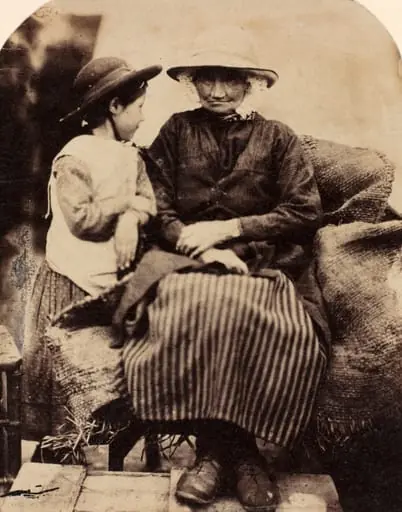 Servants at Rhagatt, Corwen, North Wales
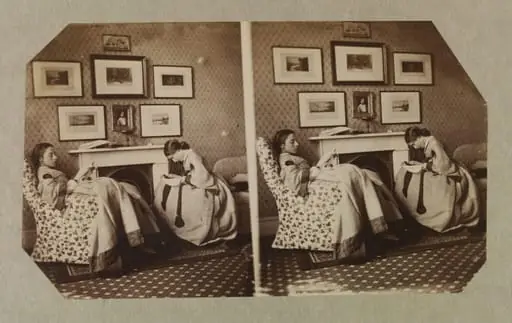 Isabella Grace Maude and Clementina Maude, 5 Princes Gardens
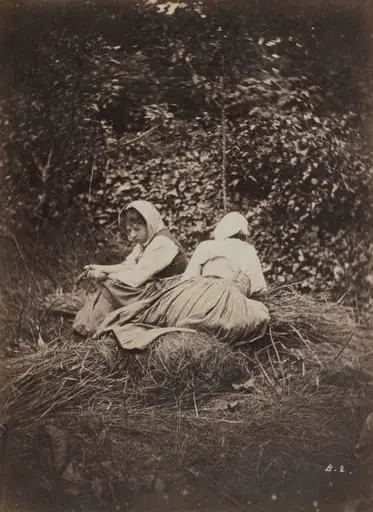 Two Peasant Girls Seated
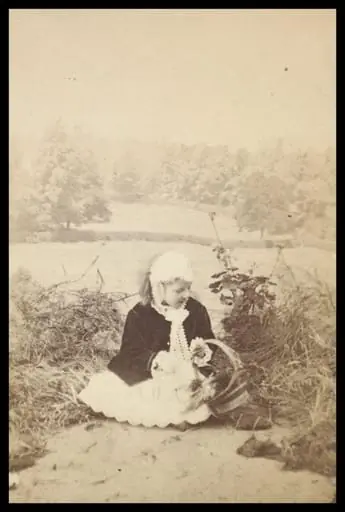 Guy Little Theatrical Photograph
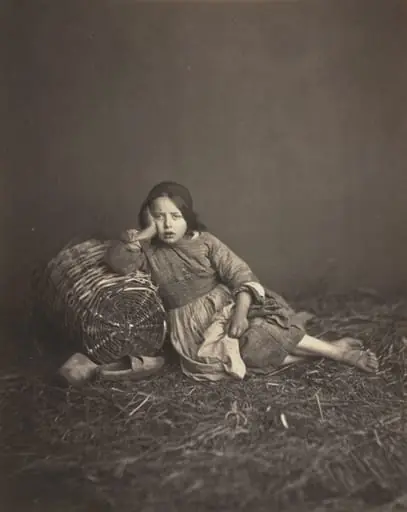 Young Girl Seated on Straw, Leaning on a Basket
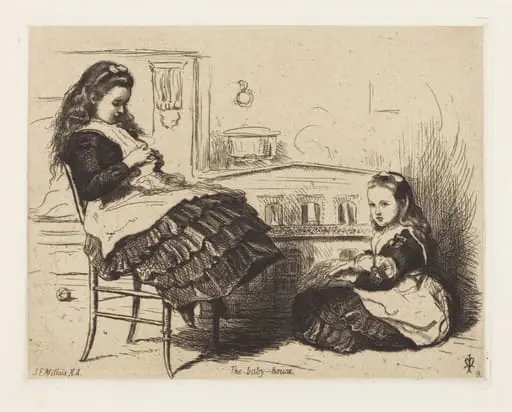 The Baby-House
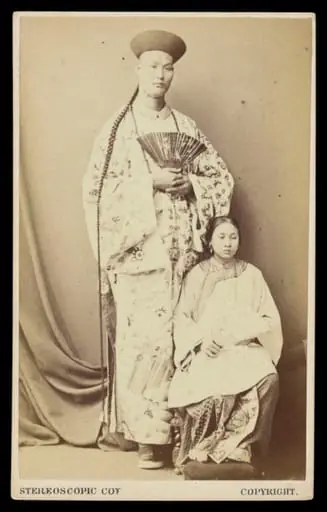 A portrait of Chang Woo Gow and Kin Foo