Artwork
Frances Harriet Wynne, Mrs Hamilton of Kames (1786 - 1860)
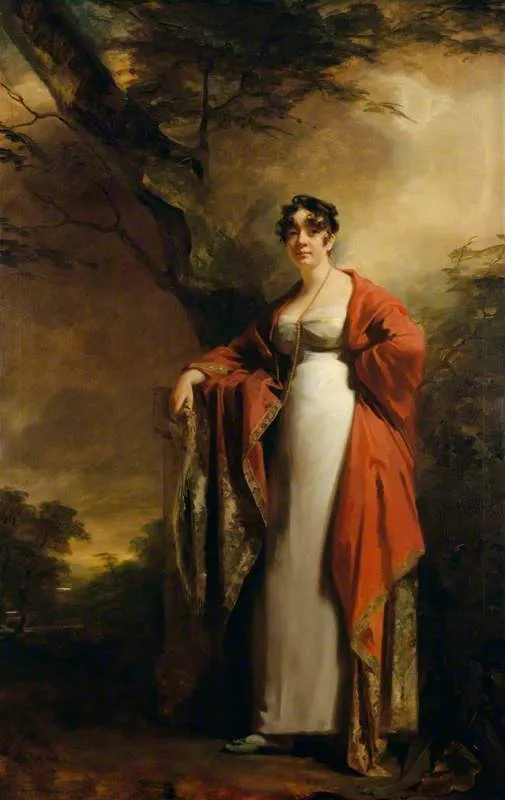
Frances Harriet Wynne, Mrs Hamilton of Kames (1786 - 1860) is an oil painting by Henry Raeburn. It dates from 1799 and is held in the collection of the National Galleries Scotland. Painted around 1799, this oil portrait captures Frances Harriet Wynne, then a teenager, as Mrs.
About this work
Overview
It resides in the Scottish National Gallery, reflecting Raeburn’s reputation for intimate, psychologically attuned portraiture in late 18th-century Scotland.
Painted around 1799, this oil portrait captures Frances Harriet Wynne, then a teenager, as Mrs. Hamilton of Kames. Created by Henry Raeburn, a prominent Scottish artist of the era, the work is a private, three-quarter-length depiction set against a muted, naturalistic backdrop. It resides in the Scottish National Gallery, reflecting Raeburn’s reputation for intimate, psychologically attuned portraiture in late 18th-century Scotland.
Subject & Meaning
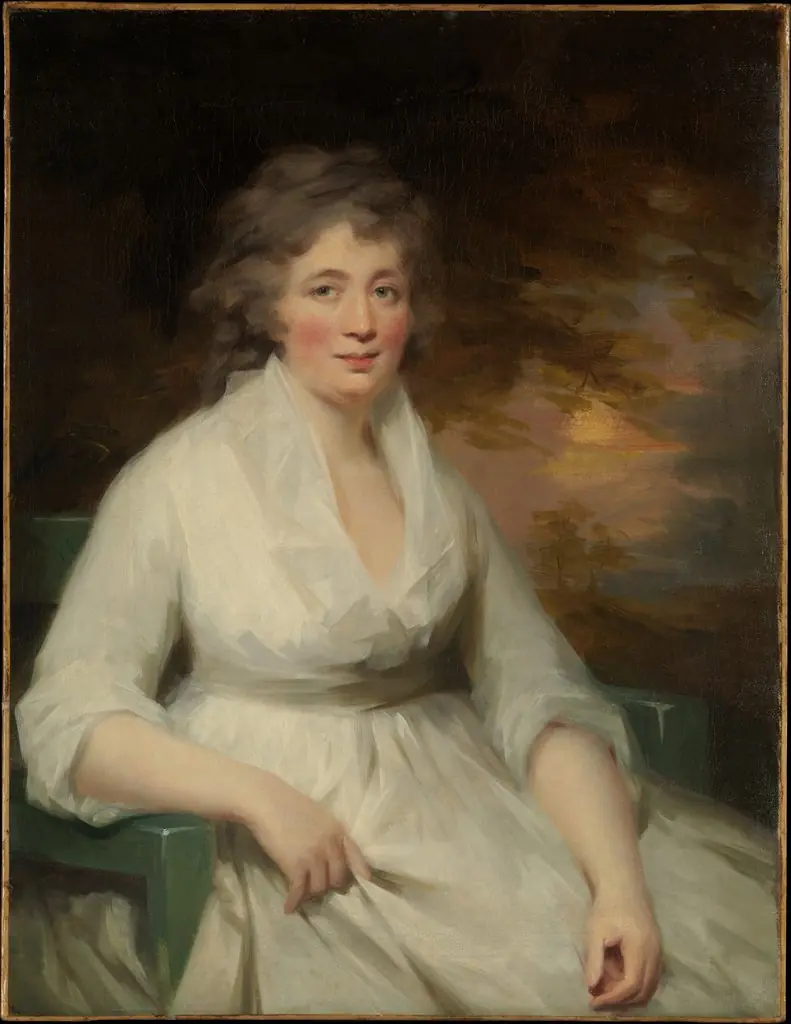
The sitter, Frances Harriet Wynne, is portrayed with quiet composure, her direct gaze inviting a personal connection. Dressed in a white gown and draped in a red shawl, her posture—hand resting lightly on a tree branch—suggests a blend of elegance and natural ease. The setting, though simplified, evokes a private moment outdoors, emphasizing her youth and social standing without overt symbolism.
Technique & Style
Raeburn employs loose, visible brushwork to convey texture in fabric and foliage, avoiding polished finish in favor of vitality. Chiaroscuro models the figure’s form, with light catching her face and dress against a shadowed background. The contrast enhances three-dimensionality while the unidealized rendering preserves a sense of immediacy, characteristic of Raeburn’s approach to portraiture.
History & Provenance
The painting entered the Scottish National Gallery’s collection in the 19th century, likely through acquisition or bequest tied to the Hamilton family or Raeburn’s patrons. Its continuous presence in the national collection underscores its significance as a representative work of Scottish portraiture from the turn of the 19th century.
Context
Painted during a period when Scottish aristocracy increasingly valued personal, unpretentious portraiture, Raeburn’s work diverged from grand European conventions. This portrait reflects a local aesthetic—intimate, psychologically nuanced, and grounded in everyday presence—aligning with broader trends in post-Enlightenment Scottish cultural identity.
Legacy
The portrait remains a key example of Raeburn’s ability to capture youthful dignity with psychological subtlety. It contributes to the understanding of how Scottish artists redefined portraiture through directness and tactile brushwork, influencing later generations without relying on theatricality or ornamentation.
Artist & collection
Artist
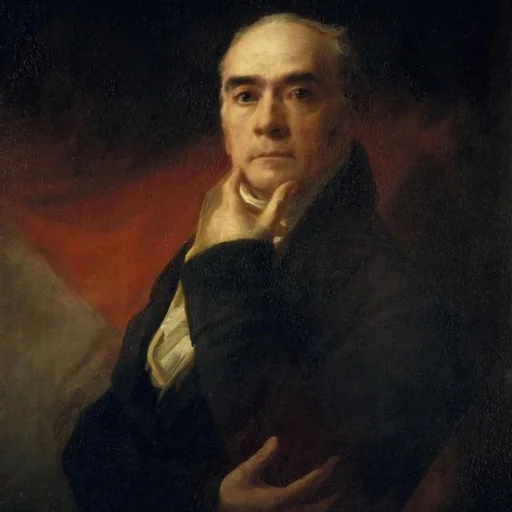
Sir Henry Raeburn (; 4 March 1756 – 8 July 1823) was a Scottish portrait painter. He served as Portrait Painter to King George IV in Scotland.

 Mrs. Francis Russell
 Portrait of Anne Hamilton, Countess of Donegall (1731-1780)
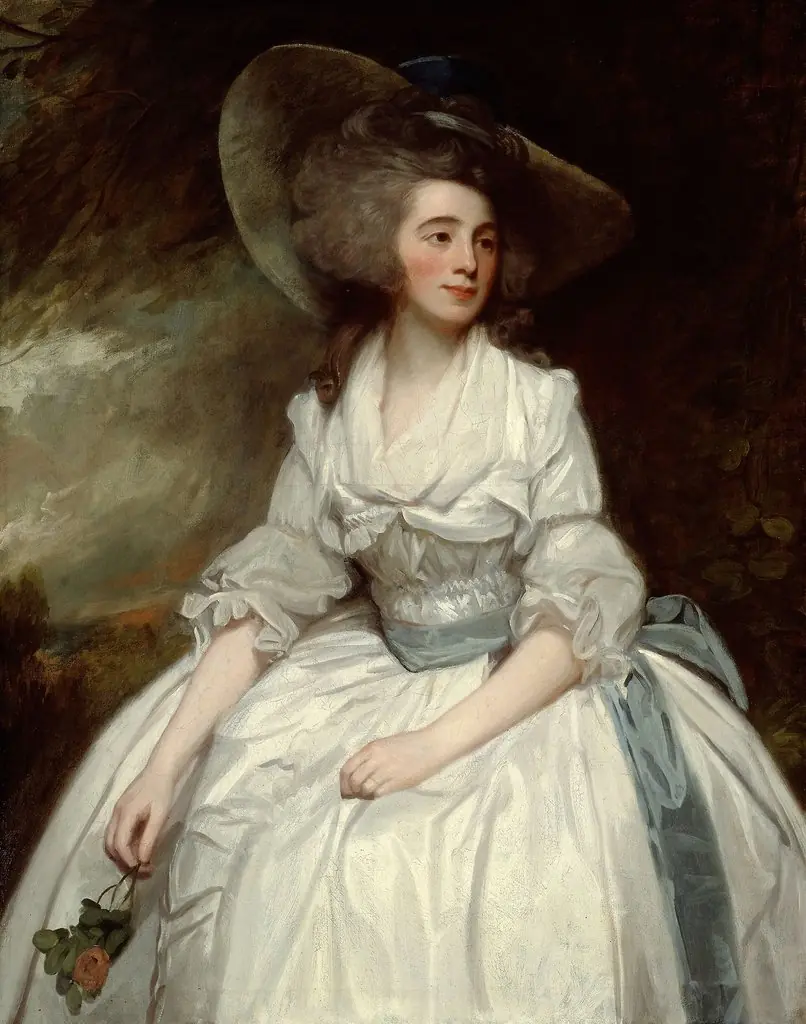
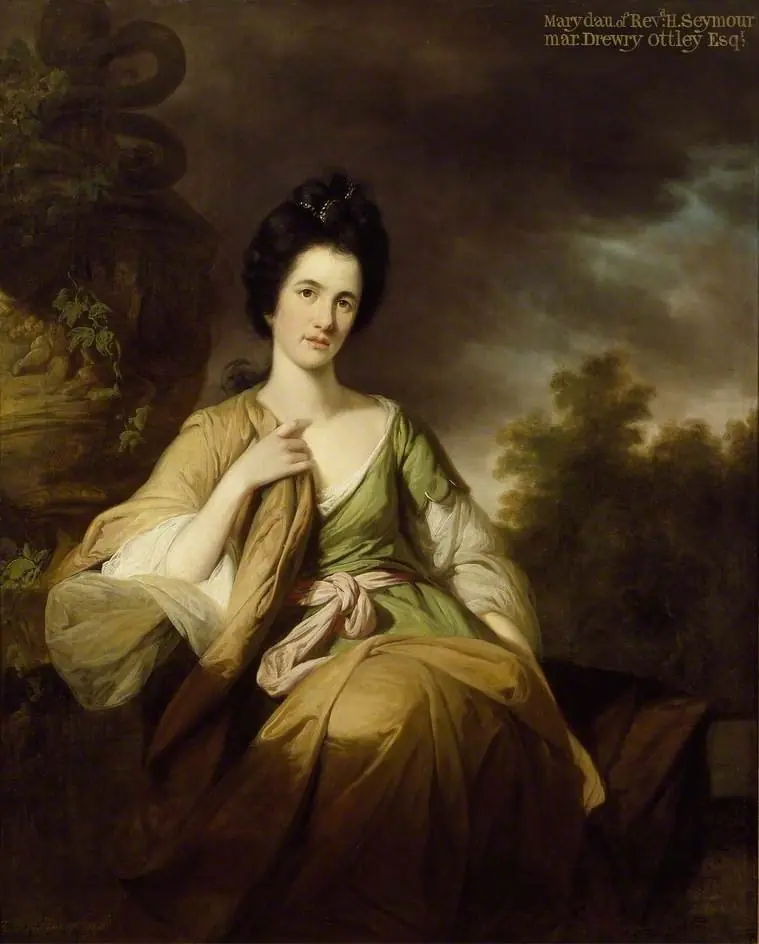 Mrs Drewry Ottley
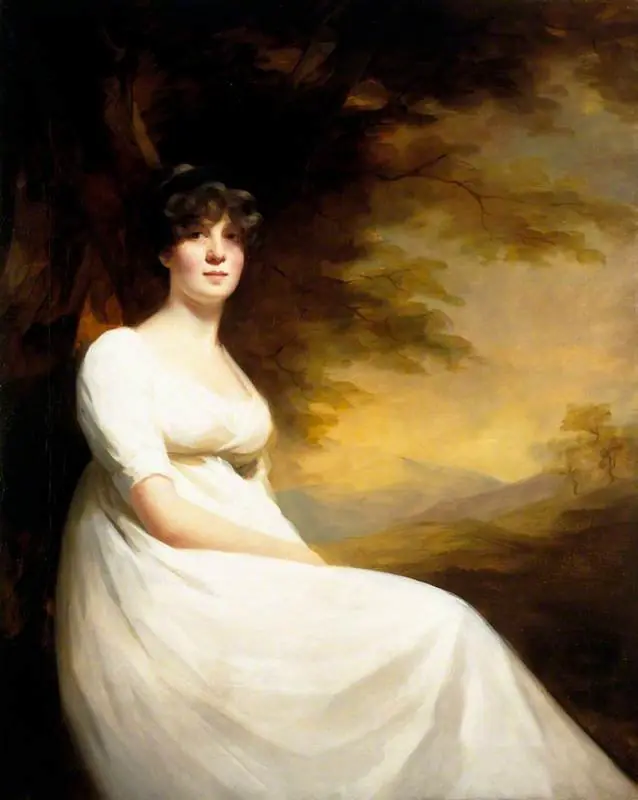 Elizabeth Forbes, Mrs Colin Mackenzie of Portmore (died 1840)
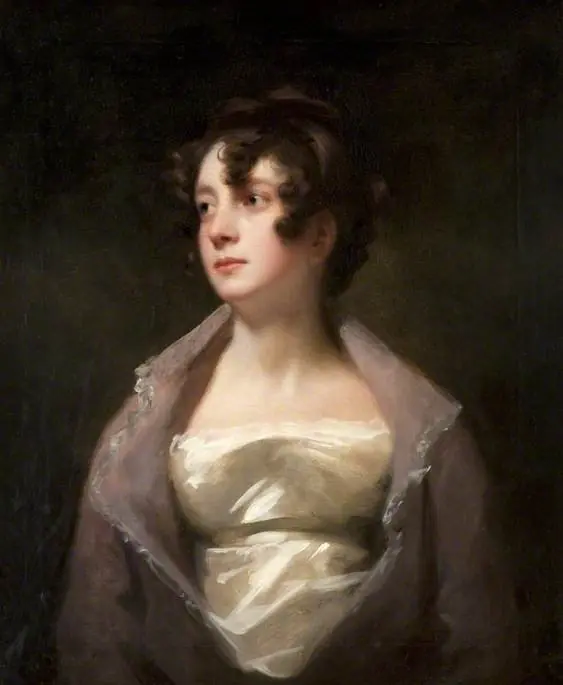 Mrs William Urquhart (c.1796–1864)
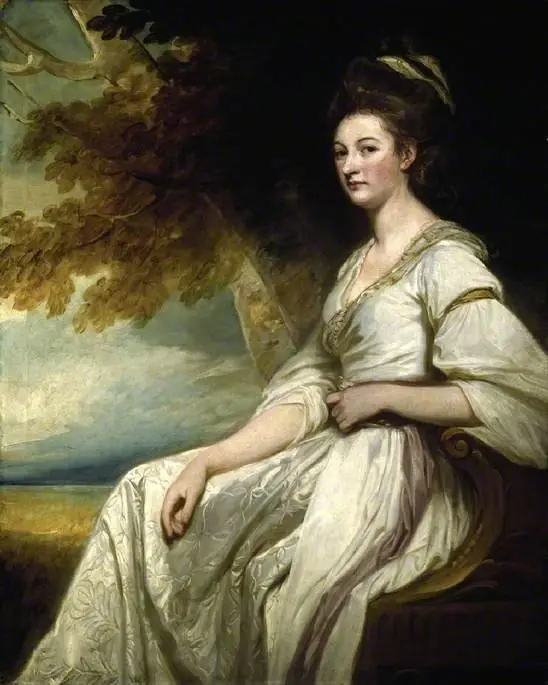 A Portrait of Mrs. Beal Bonnell
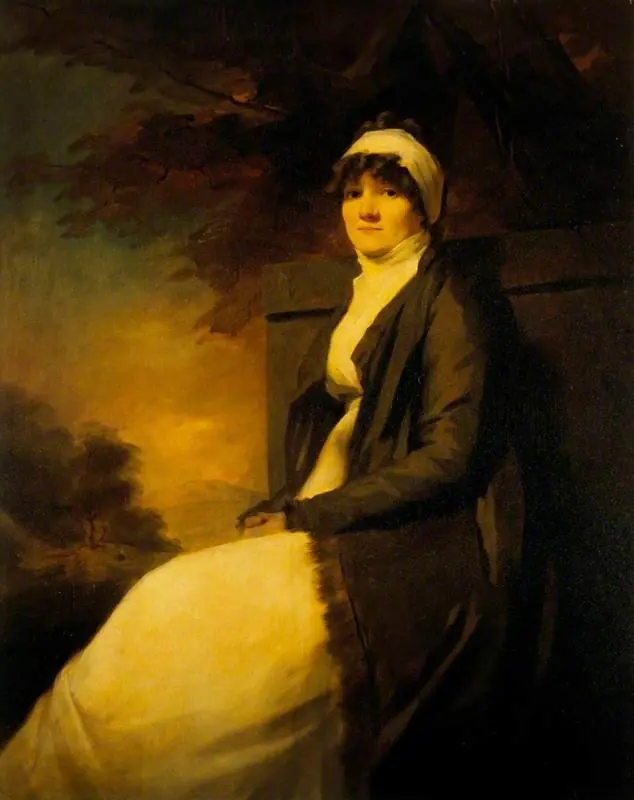 Zepherina Loughnan, Mrs Henry Veitch of Eliock
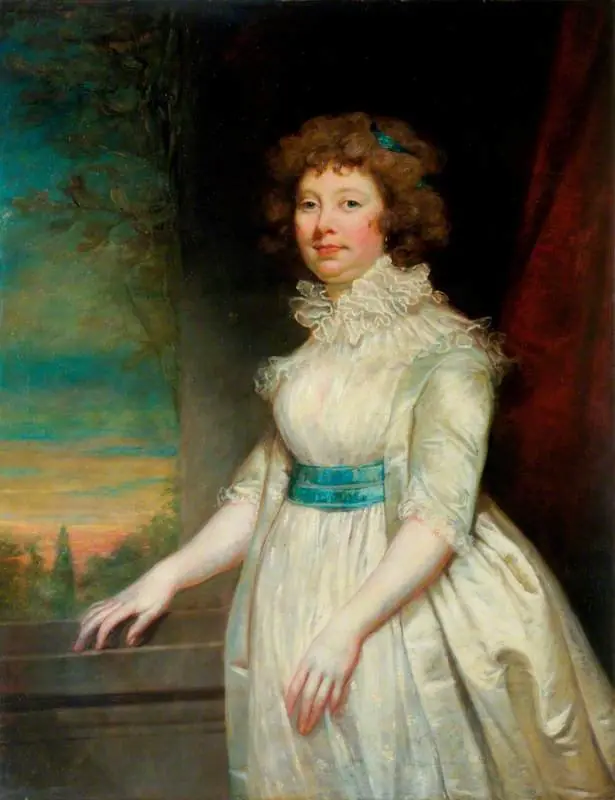 Portrait of a Lady Wearing a White Dress
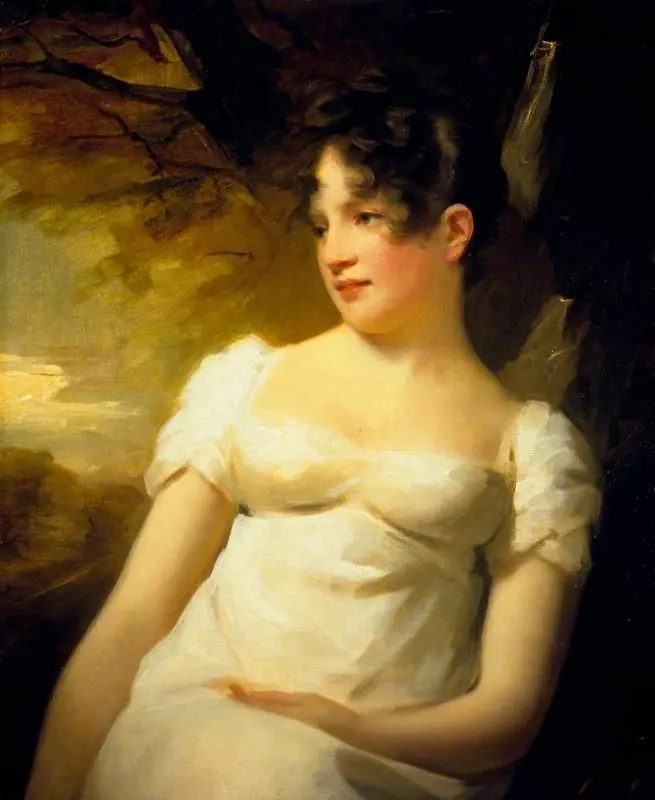 Miss Lamont of Greenock