Artwork
John Stuart Hepburn Forbes, later 8th Baronet of Monymusk, and of Fettercairn and Pitsligo, 1804 - 1866
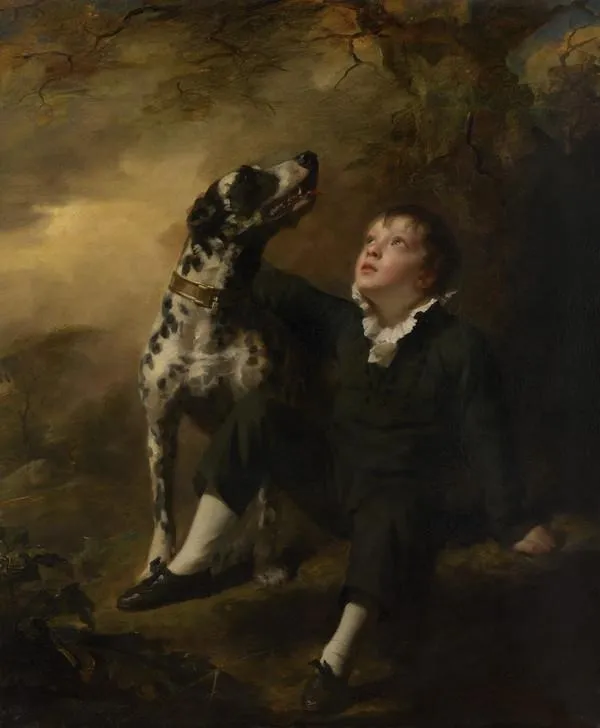
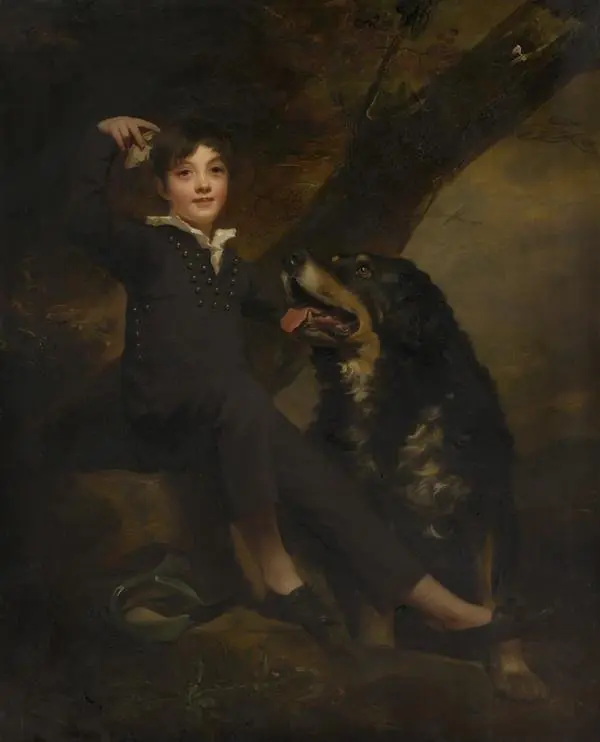
John Stuart Hepburn Forbes, later 8th Baronet of Monymusk, and of Fettercairn and Pitsligo, 1804 - 1866 is an oil painting by Henry Raeburn. It dates from 1811 and is held in the collection of the National Galleries Scotland.
About this work
Overview
This oil portrait, painted in 1811 by Sir Henry Raeburn, captures John Stuart Hepburn Forbes as a young boy.
This oil portrait, painted in 1811 by Sir Henry Raeburn, captures John Stuart Hepburn Forbes as a young boy. As the future 8th Baronet of Monymusk, Fettercairn, and Pitsligo, he was part of Scotland’s landed gentry. The work is held in the Scottish National Gallery and represents Raeburn’s engagement with aristocratic Scottish families during the early 19th century, reflecting both personal and social identity through portraiture.
Subject & Meaning
The subject, a child of noble lineage, is shown seated on the ground beside a large dog, its gaze directed beyond the frame. The dog’s presence suggests loyalty and companionship, common themes in portraits of young heirs. The informal posture and outdoor setting subtly convey a sense of natural upbringing, aligning with ideals of gentlemanly virtue tied to land and animal stewardship in early 19th-century Scotland.
Technique & Style
Raeburn employs soft, warm lighting and a restrained palette of earth tones to create intimacy. The boy’s dark green attire contrasts gently with the muted background, drawing focus to his form and the dog’s textured coat. Subtle chiaroscuro defines volume without dramatic contrast, characteristic of Raeburn’s approach to psychological presence over theatricality. Brushwork remains loose yet deliberate, capturing texture and movement with quiet precision.
History & Provenance
Commissioned during Raeburn’s tenure as King George IV’s portraitist in Scotland, the painting remained within the Forbes family until its acquisition by the Scottish National Gallery. Its preservation reflects the family’s cultural prominence and the institution’s commitment to documenting Scotland’s elite portraiture. No significant alterations or restorations are documented, preserving the original surface and tonal harmony.
Context
Painted during a period when Scottish aristocracy emphasized lineage and land, this portrait aligns with broader trends of depicting heirs in natural, unposed settings. Raeburn’s focus on domestic intimacy, rather than formal regalia, signals a shift toward personal identity in portraiture. The inclusion of a working dog also reflects rural Scottish life, where such animals were integral to estate management and daily existence.
Legacy
The portrait endures as a quiet example of Raeburn’s ability to humanize aristocratic subjects through subtle gesture and environment. It contributes to the understanding of childhood and familial bonds in early 19th-century Scotland, distinguishing itself from more rigid, ceremonial portraits of the era. Its continued display in the Scottish National Gallery affirms its role in the nation’s visual heritage.
Artist & collection
Artist
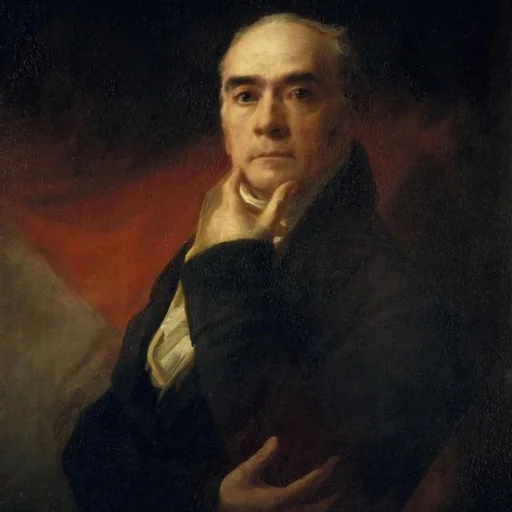
Sir Henry Raeburn (; 4 March 1756 – 8 July 1823) was a Scottish portrait painter. He served as Portrait Painter to King George IV in Scotland.

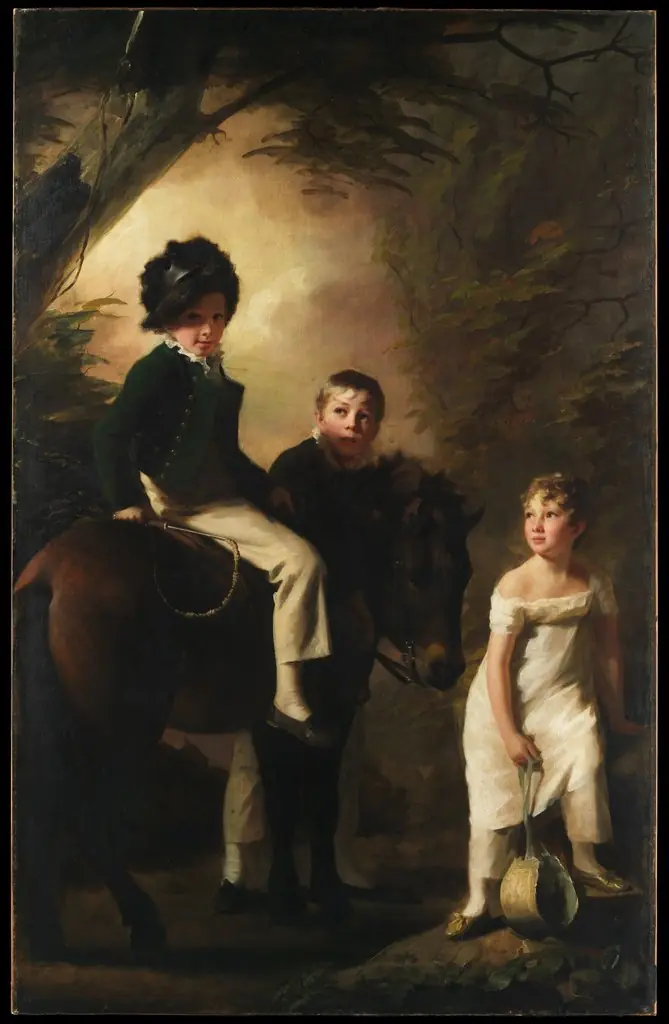
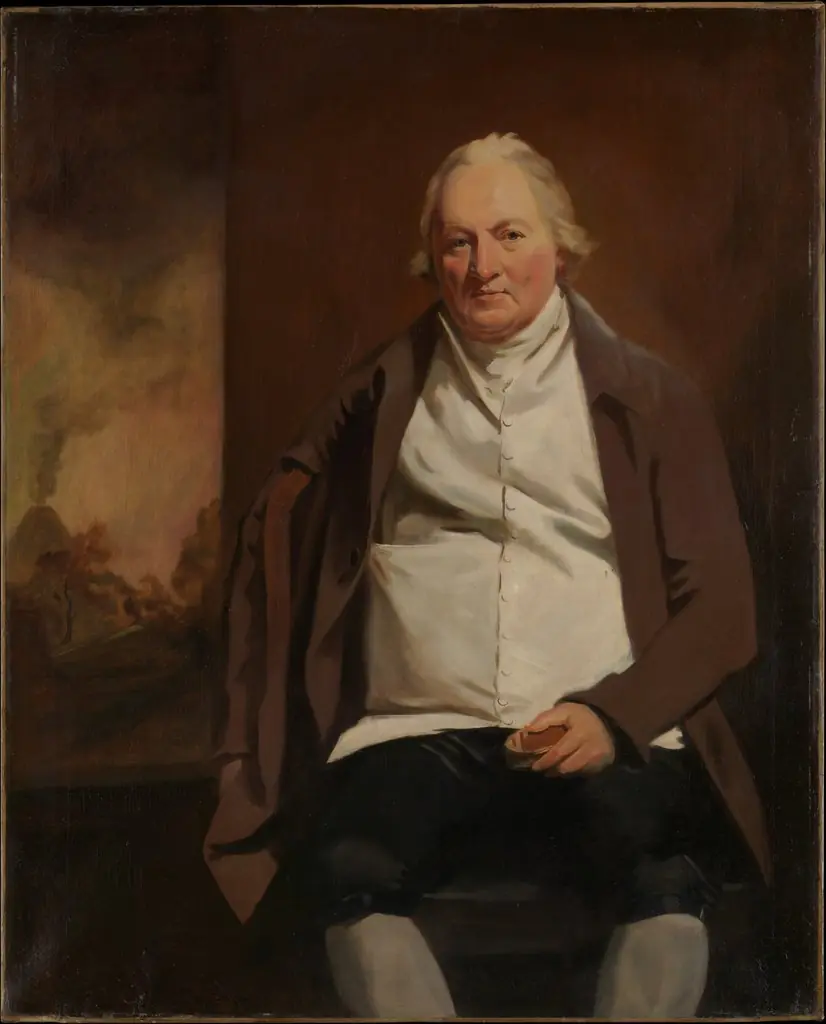
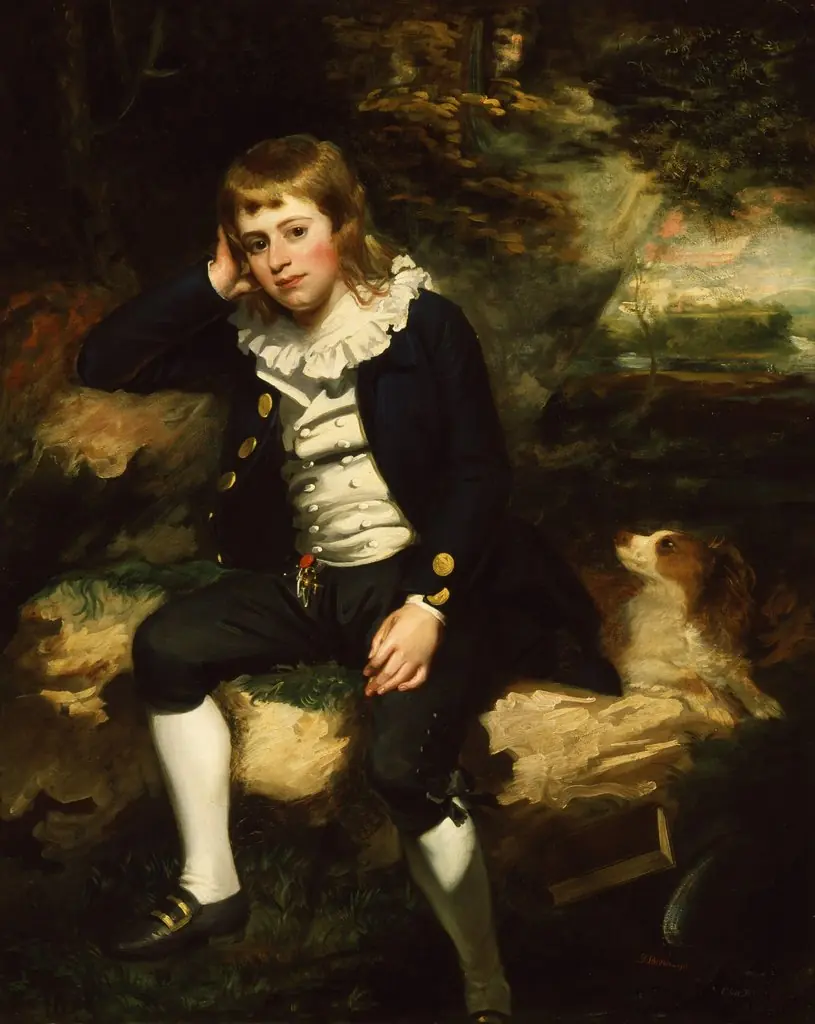 Master Charles William Park
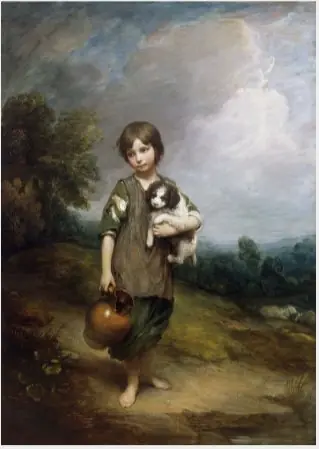 The Cottage Girl
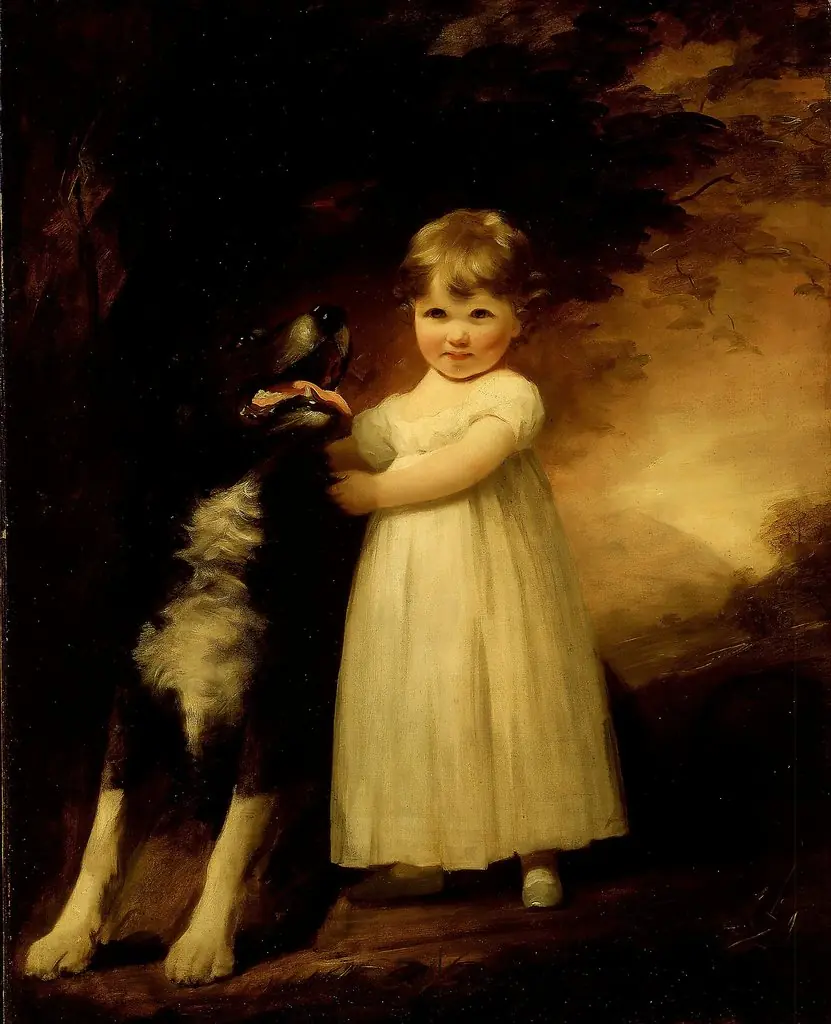 Eleanor Margaret Gibson-Carmichael
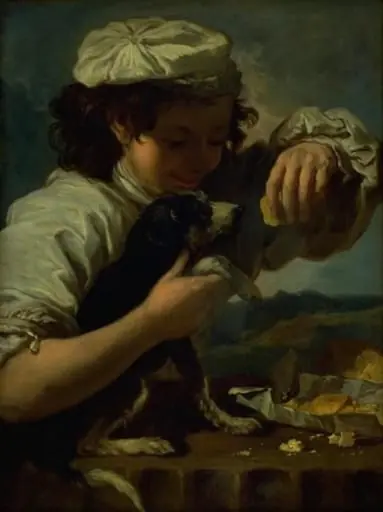 A Boy with a Dog (Allegory of "Taste")
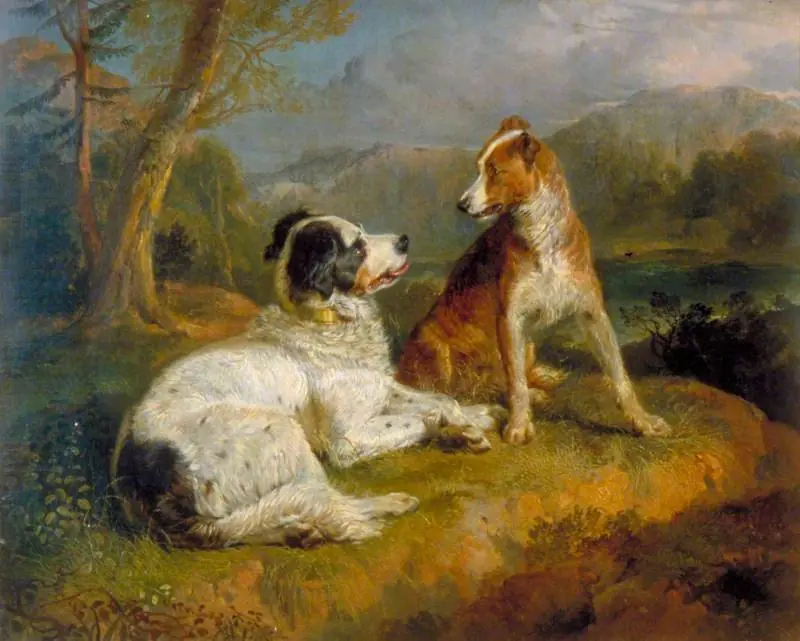 'The Twa Dogs' (from the poem by Robert Burns)
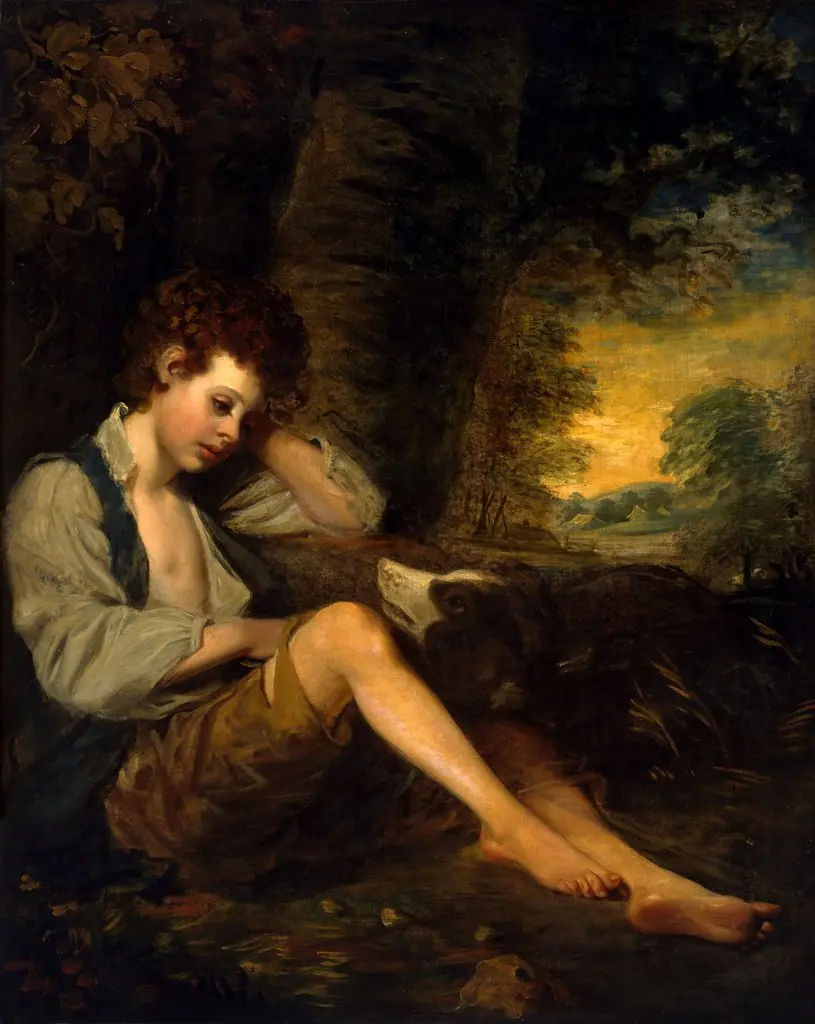 A Shepherd Boy
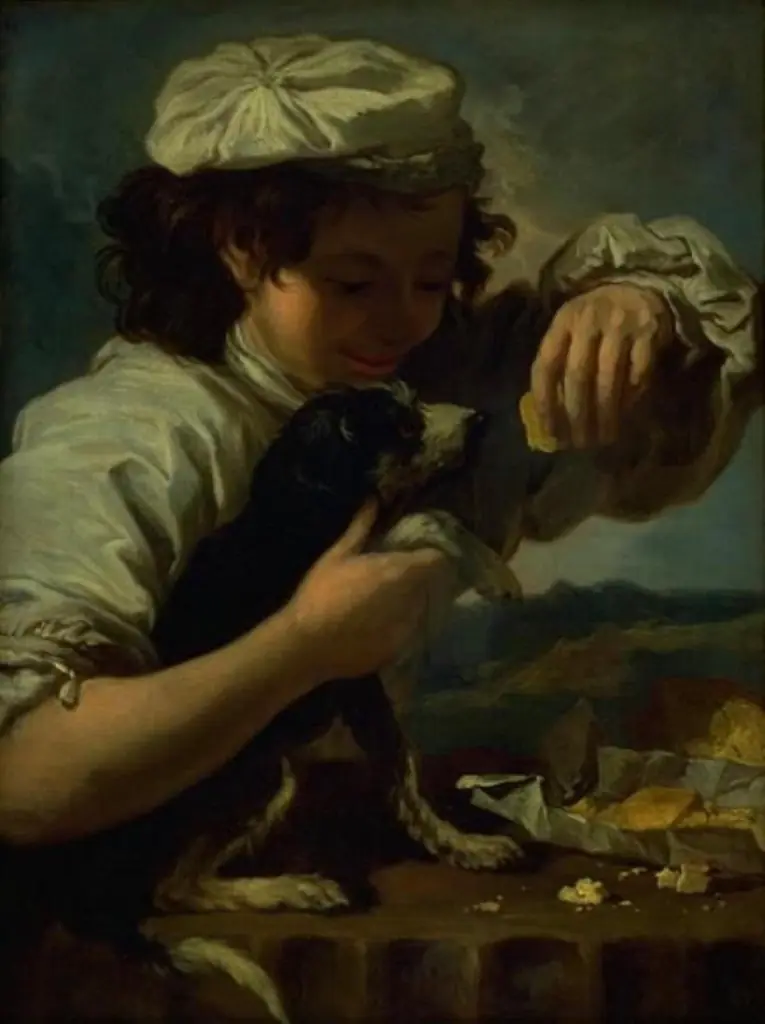 A Boy with a Dog (Allegory of "Taste")
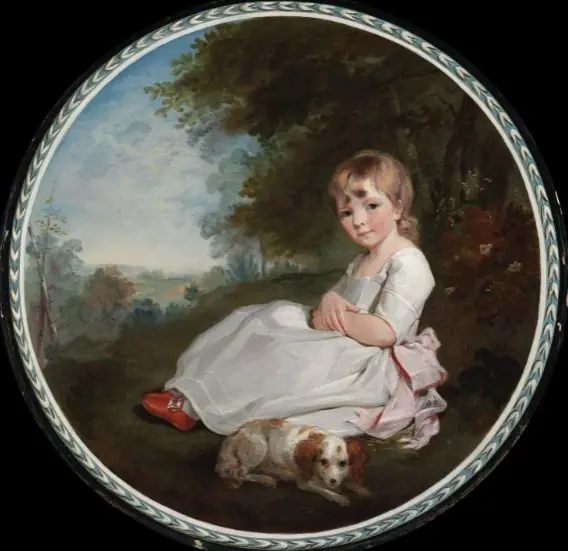 Child with a Dog
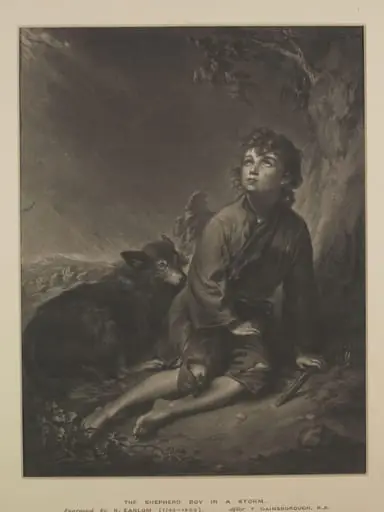 Shepherd boy in a storm
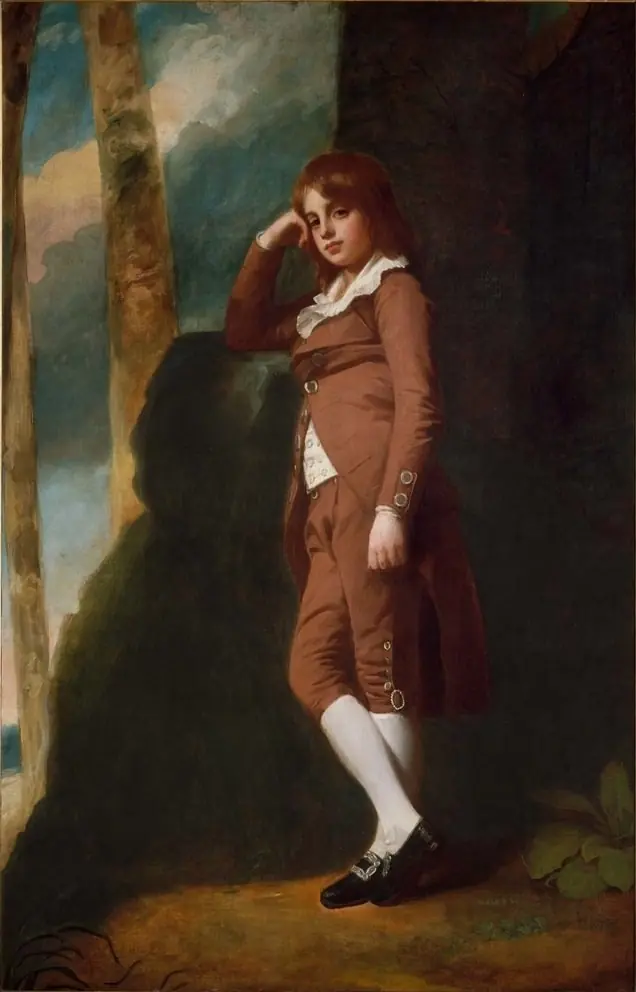 John Bensley Thornhill (1773–1841) as a Boy
 William Stuart Forbes, elder son of Sir William Forbes of Pitsligo, 1802–1826