Artwork
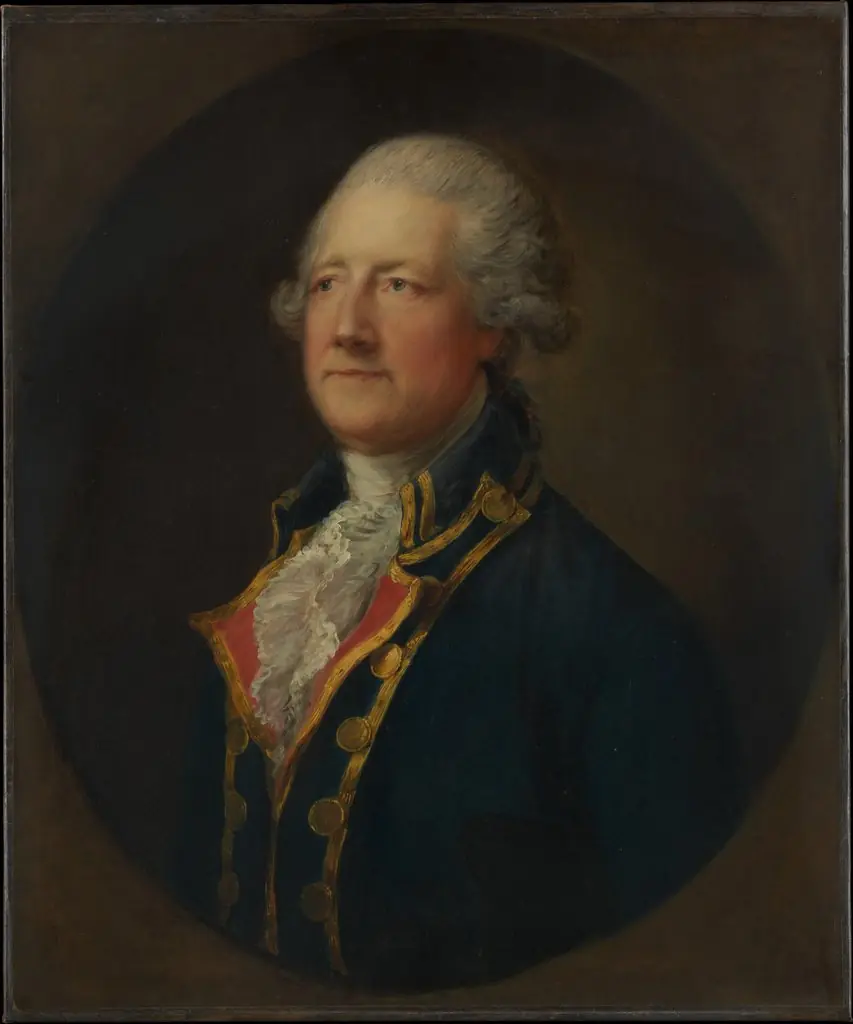
Lieutenant General Duncan Campbell
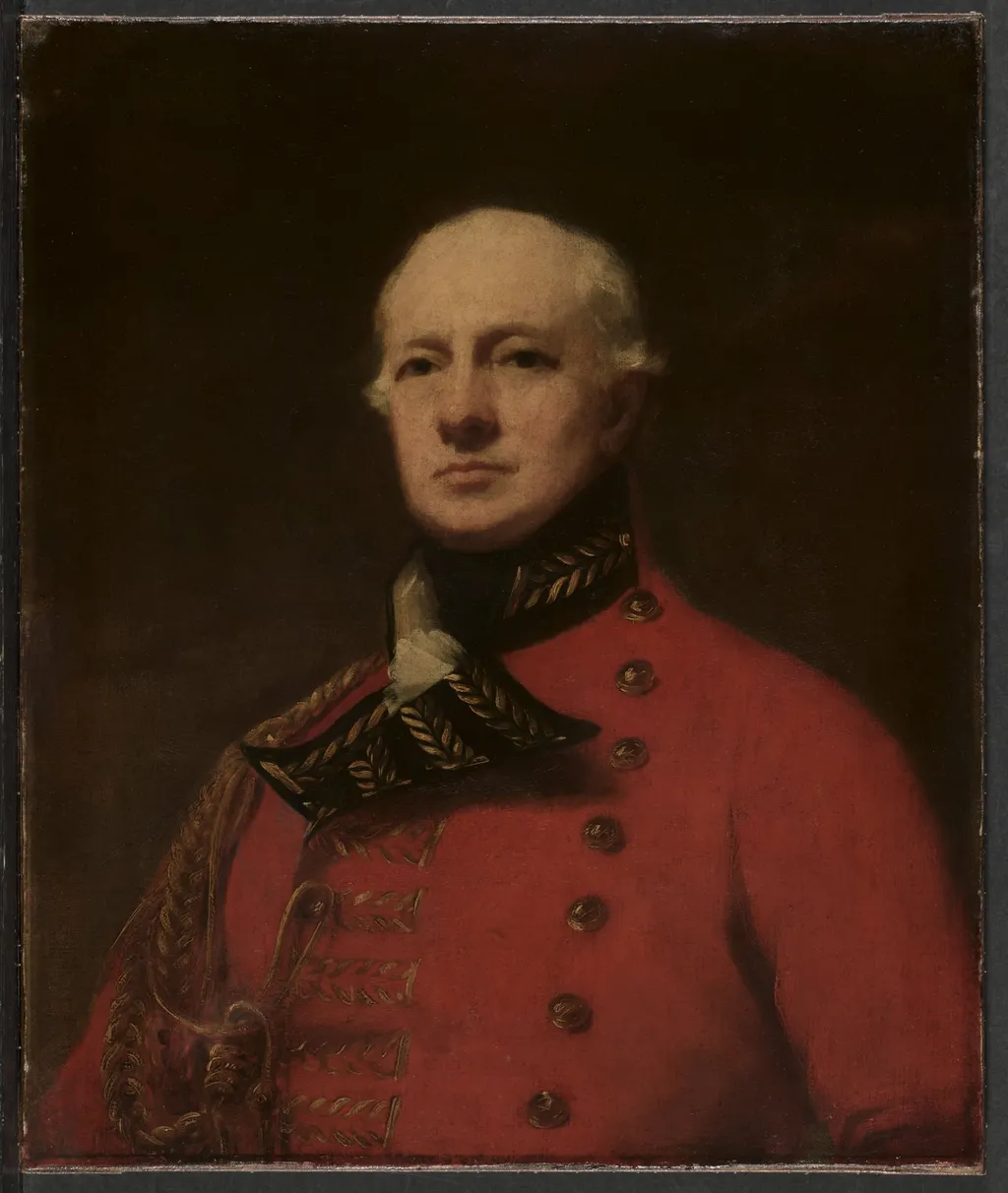
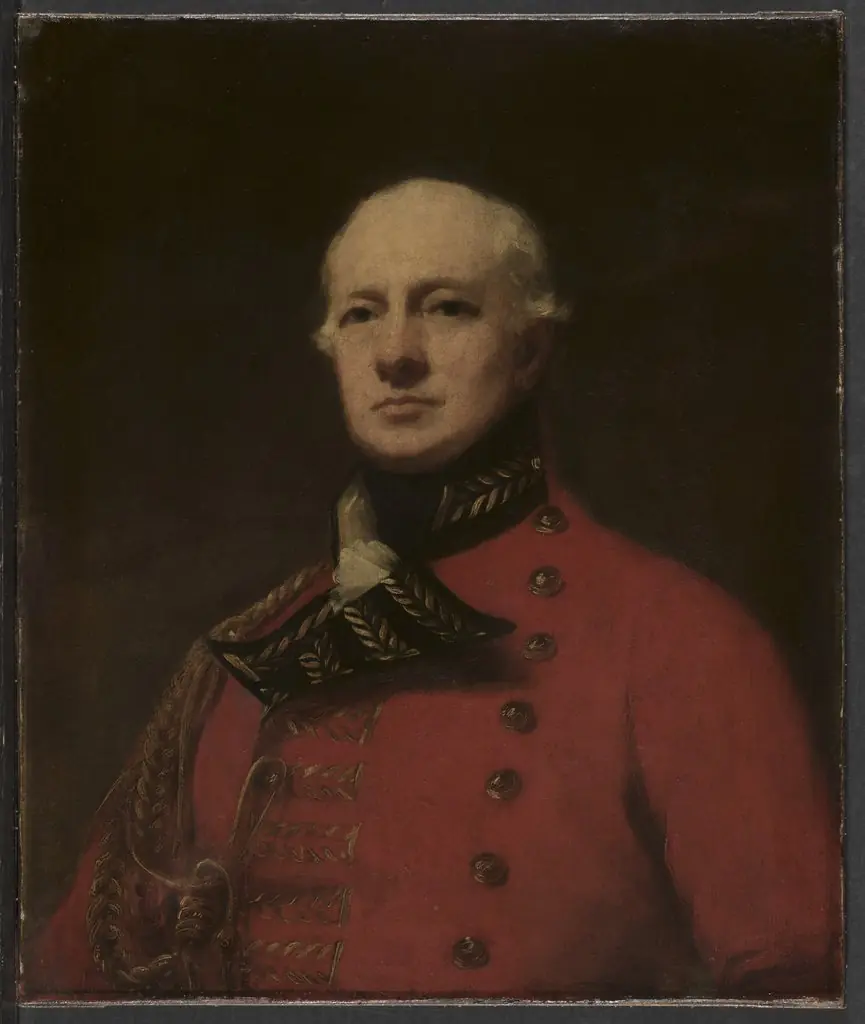
Lieutenant General Duncan Campbell is an unspecified painting by the British Romanticist artist Henry Raeburn. It dates from 1810 and is held in the collection of the Cleveland Museum of Art.
About this work
Overview
Henry Raeburn’s portrait of Lieutenant General Duncan Campbell dates to circa 1810 and is part of the Cleveland Museum of Art’s collection. Executed during the height of Raeburn’s career, the work exemplifies his role as a leading Scottish portraitist of the early nineteenth century.
Subject & Meaning
The sitter is depicted in full military regalia: a scarlet coat trimmed with gold buttons and an ornate braided collar, his head shaved in the fashion of the period. A sober expression and the stark dark backdrop draw attention to his facial features, conveying the officer’s authority and composure.
Technique & Style
Raeburn employs a strong chiaroscuro, using bright illumination on the face and uniform against a deep, muted background. This contrast, typical of British Romantic portraiture, emphasizes the individual’s character while suggesting a sense of dignity and power.
History & Provenance
The painting entered the Cleveland Museum of Art’s holdings after passing through several private collections, though the exact chain of ownership prior to its museum acquisition is not extensively documented.
Context
Created at a time when Raeburn served as Portrait Painter to King George IV in Scotland, the work reflects the artist’s established reputation for rendering high‑ranking military and civic figures with a focus on personal presence rather than elaborate narrative settings.
Artist & collection
Artist
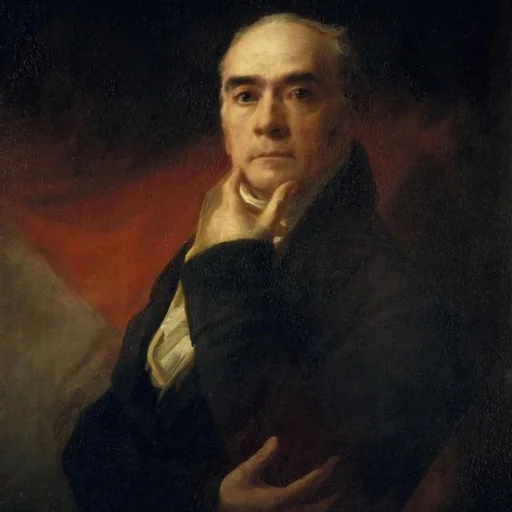
Sir Henry Raeburn (; 4 March 1756 – 8 July 1823) was a Scottish portrait painter. He served as Portrait Painter to King George IV in Scotland.

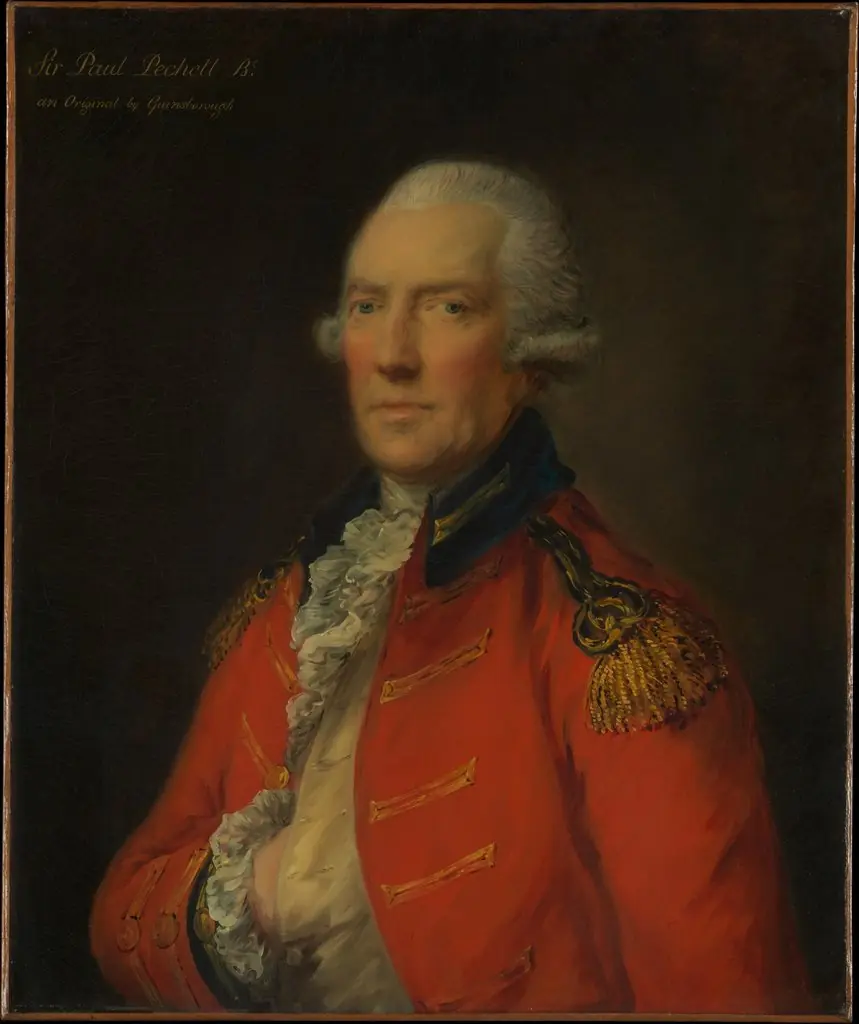 Lieutenant Colonel Paul Pechell (1724–1800)
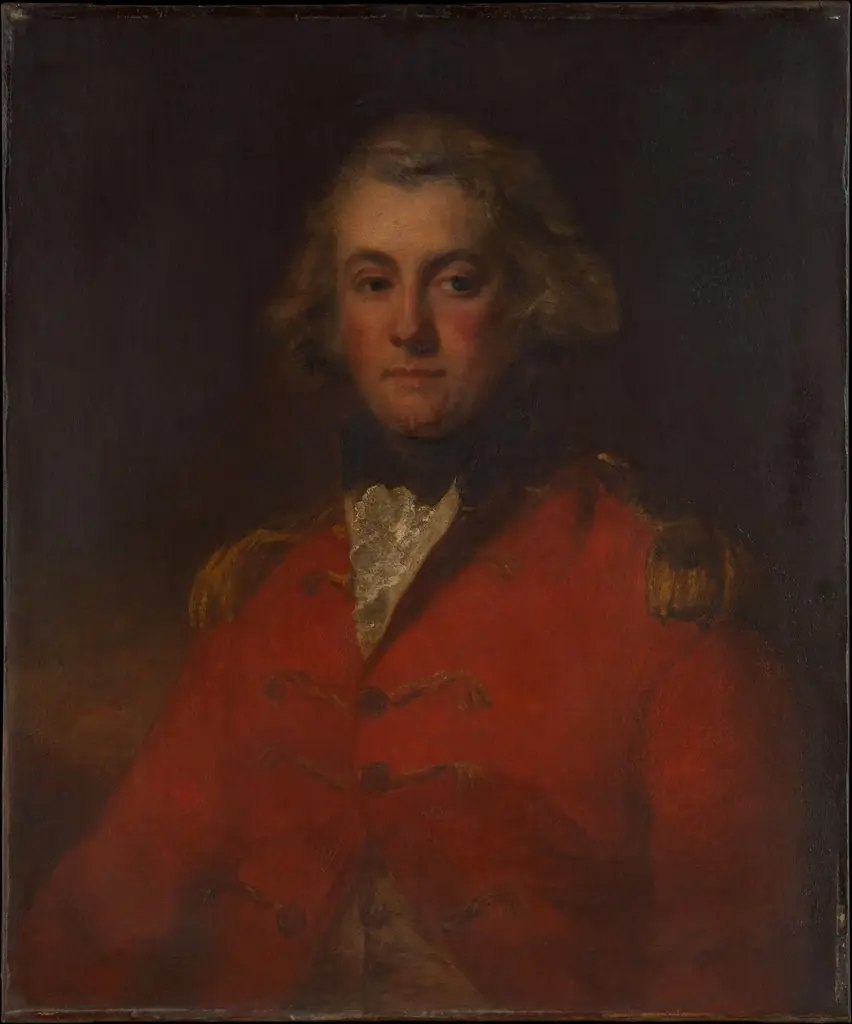 Major Thomas Pechell (1753–1826)
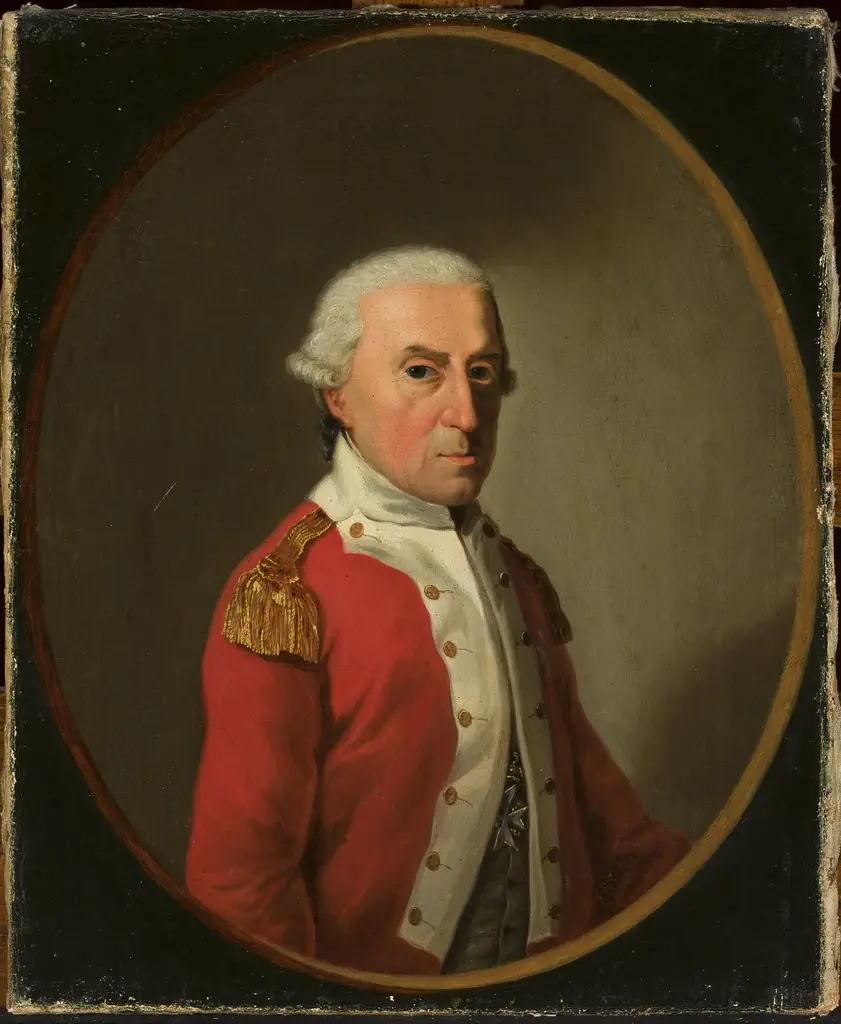 Portrait of prince Augustus Ferdinand von Hohenzollern (1730–1813)
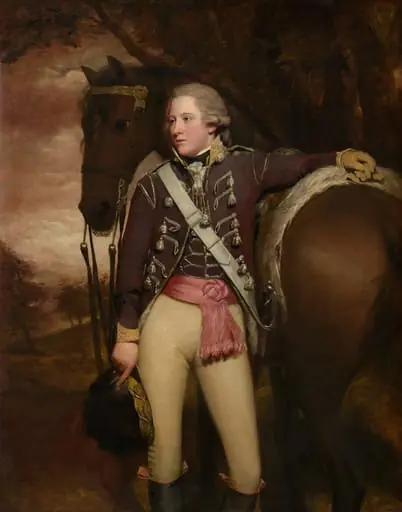 Captain Patrick Miller
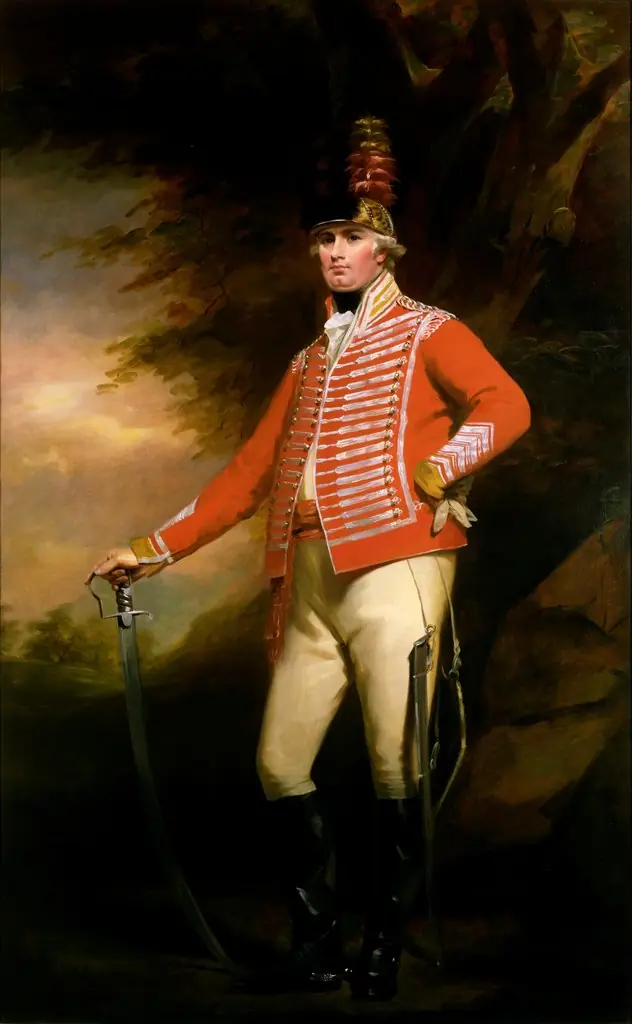 Portrait of Lieutenant Colonel William Shirriff, H.E.I.C.S. (1759/1760-1802)
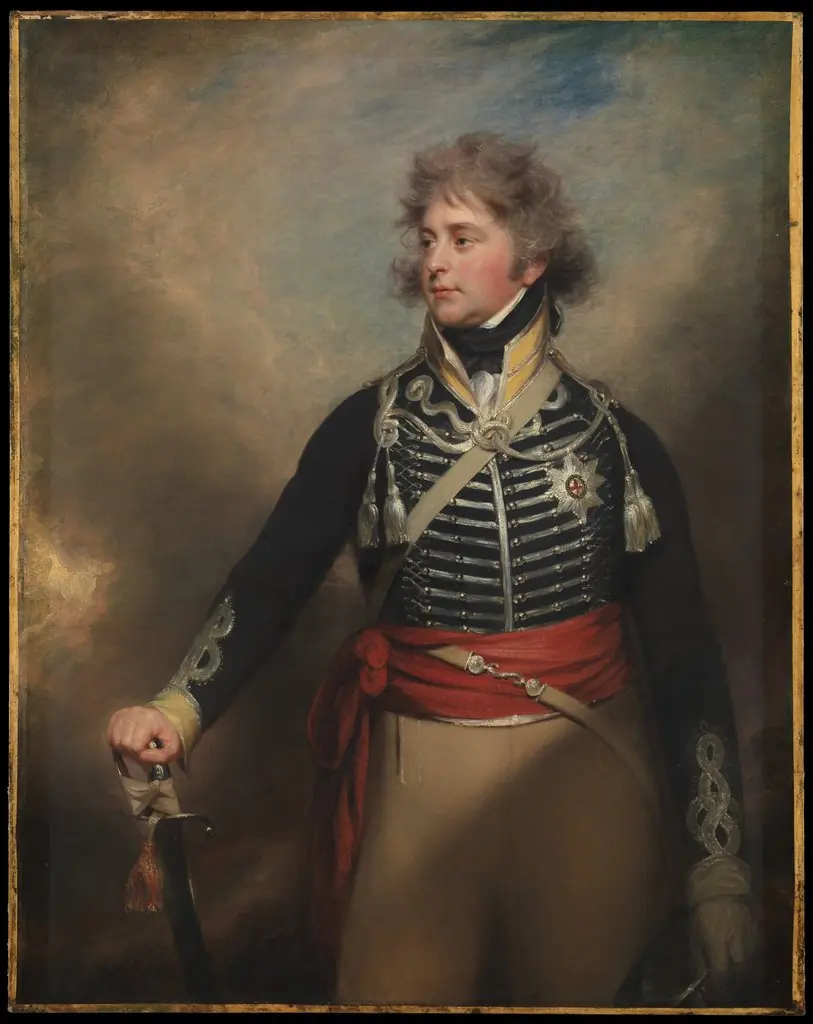 George IV (1762–1830), When Prince of Wales
 John Hobart (1723–1793), 2nd Earl of Buckinghamshire