Artwork
Guy Little Theatrical Photograph
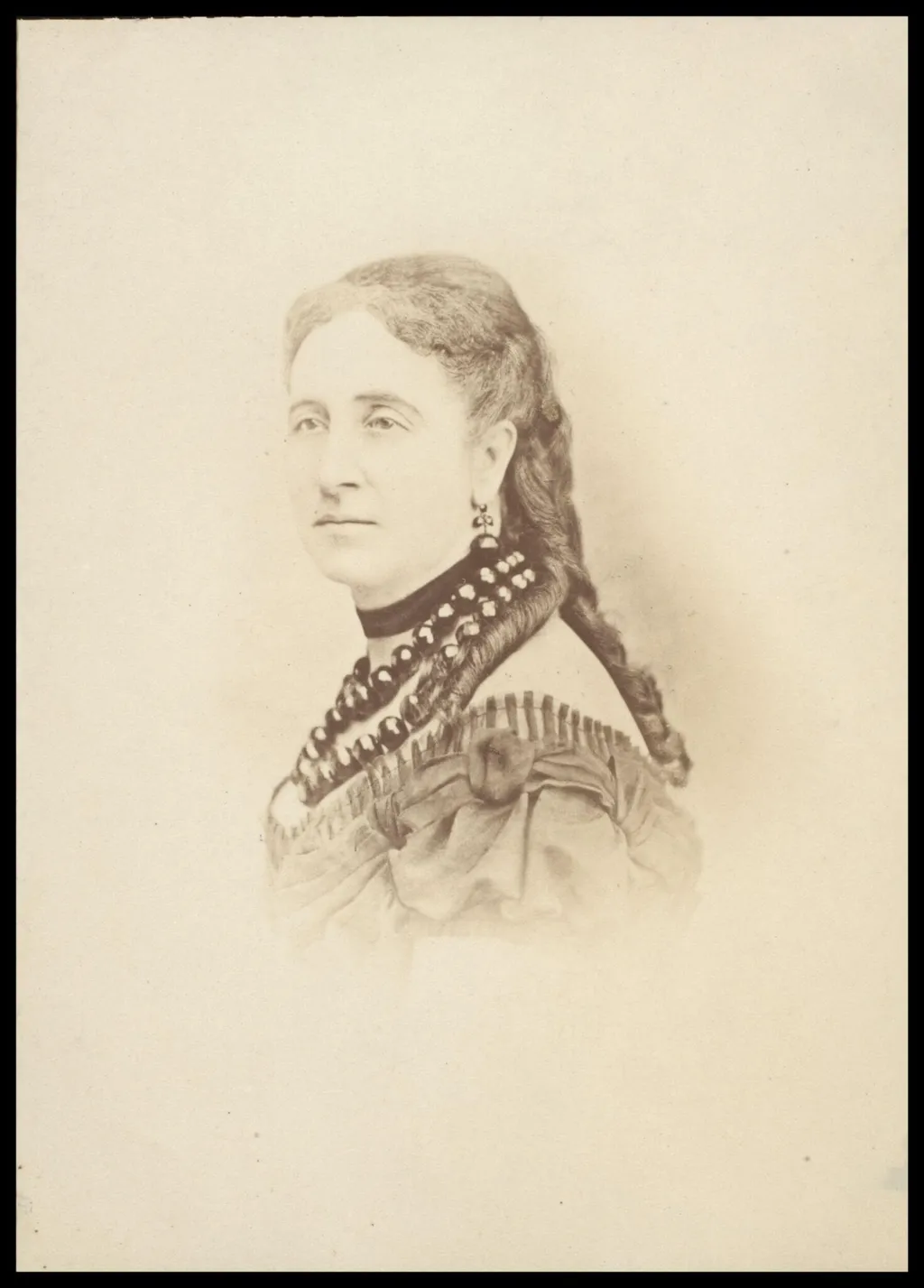
Guy Little Theatrical Photograph is a photographic photography by Hermat. It dates from 1850 and is held in the collection of the Victoria and Albert Museum.
About this work
Overview
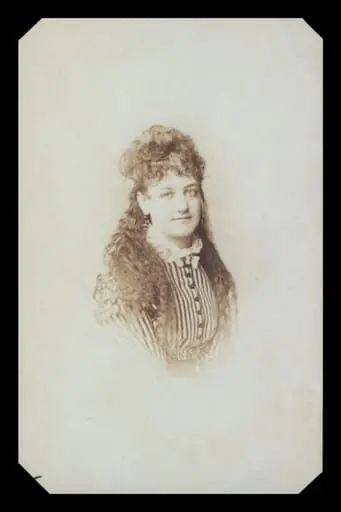
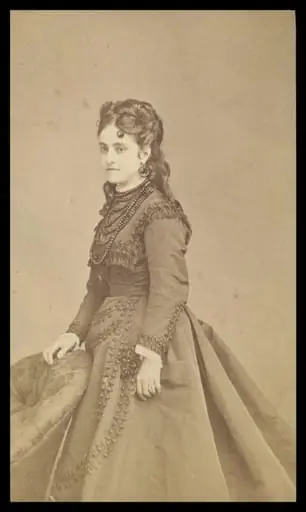
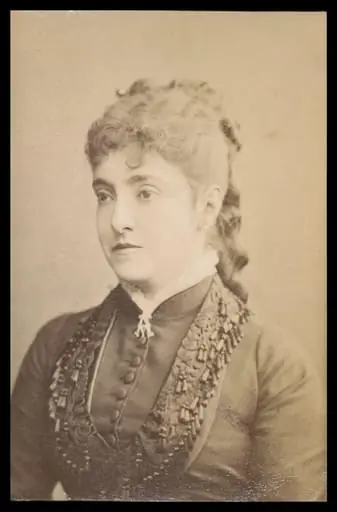
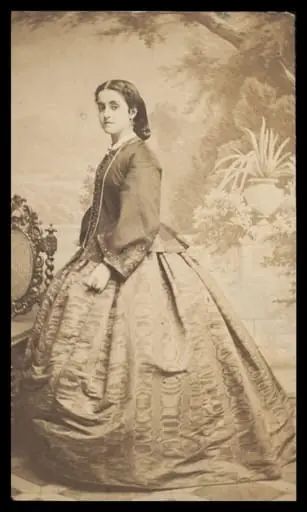
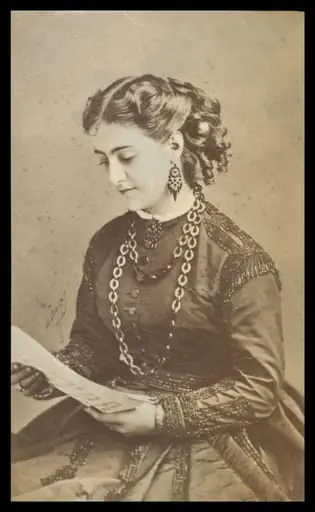
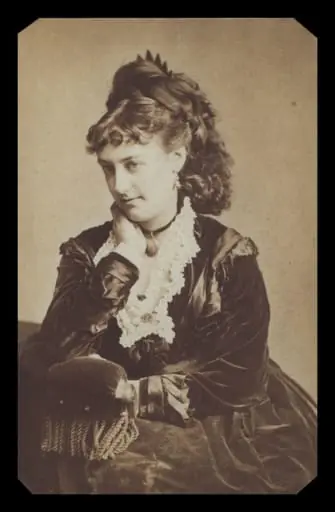
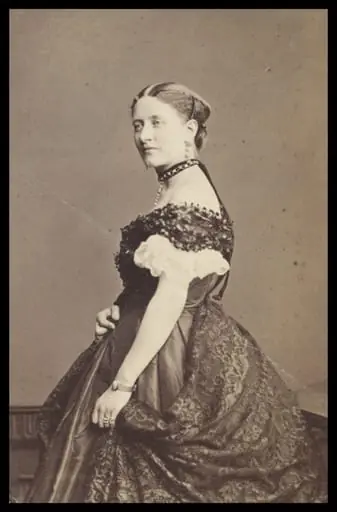
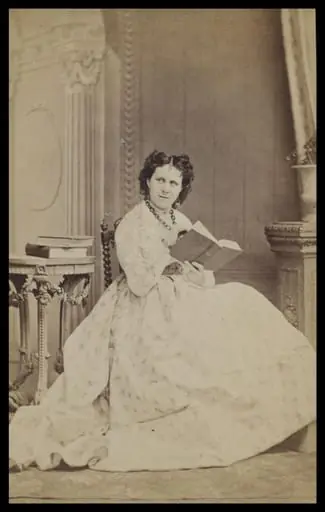
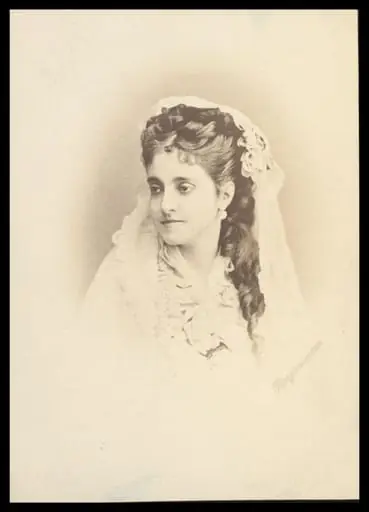
The image captures the Italian actress Adelaide Ristori in character, reflecting the era’s practice of documenting performers for public circulation.
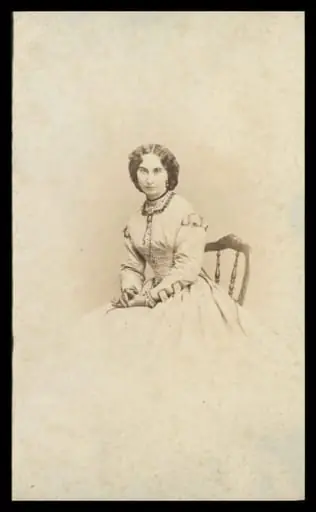
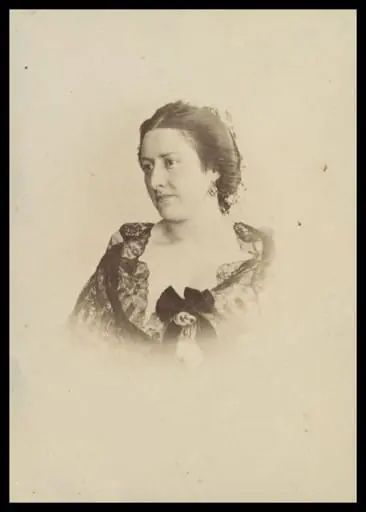
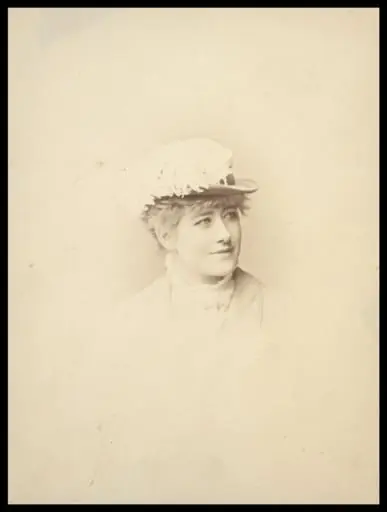
This photograph is part of a personal collection assembled by Guy Tristram Little, a solicitor and avid collector of ephemera, who bequeathed his holdings to the Victoria and Albert Museum. It is an albumen print on card, typical of late 19th-century photographic portraiture, originally produced as a cabinet card. The image captures the Italian actress Adelaide Ristori in character, reflecting the era’s practice of documenting performers for public circulation.
Subject & Meaning
Adelaide Ristori, one of the most celebrated stage actresses of her time, is depicted in theatrical costume, suggesting she is portrayed in a dramatic role rather than as herself. Such images served to reinforce her public persona and extend her fame beyond the stage. The photograph functioned as both a memento for admirers and a commercial product, circulating among collectors who valued celebrity imagery as cultural artifacts.
Technique & Style
The image was made using the albumen printing process, which involved coating paper with egg white and salt, then sensitizing it with silver nitrate. This technique produced a glossy surface and fine tonal detail, ideal for portraiture. Mounted on a stiff card bearing the photographer’s imprint, it followed the standard format of cabinet cards, larger and more durable than earlier cartes de visite, and widely used from the 1870s onward.
History & Provenance
The photograph was once part of a larger assemblage of theatrical photographs collected by Guy Little, who systematically removed images from their original mounts and reorganized them into albums. Little, executor of Gabrielle Enthoven’s estate, inherited her extensive theatrical archive, which became foundational to the V&A’s theatre collections. His personal curation preserved these images as historical records rather than mere souvenirs.
Context
During the Victorian era, photographic portraits of actors and actresses became mass-produced commodities, reflecting a growing public fascination with celebrity culture. Cartes de visite gave way to cabinet cards as demand grew for higher-quality, more substantial images. These photographs were exchanged, collected, and displayed in homes, mirroring the rise of visual media and the commercialization of performance culture in the 19th century.
Legacy
Little’s collection, now held by the V&A, represents one of the most comprehensive archives of theatrical photography from the period. By preserving these images outside their original commercial context, he transformed them into historical documents. The photograph of Ristori endures not merely as a likeness, but as evidence of how performance, technology, and collecting intersected in shaping public memory of the stage.
Artist & collection
Artist
Hermat photographed scenes from 19th-century theater. The only work in this set is the *Guy Little Theatrical Photograph*, a black-and-white print showing costumes and stage props. It’s a slice of backstage life: lace…