Artwork
Autumn
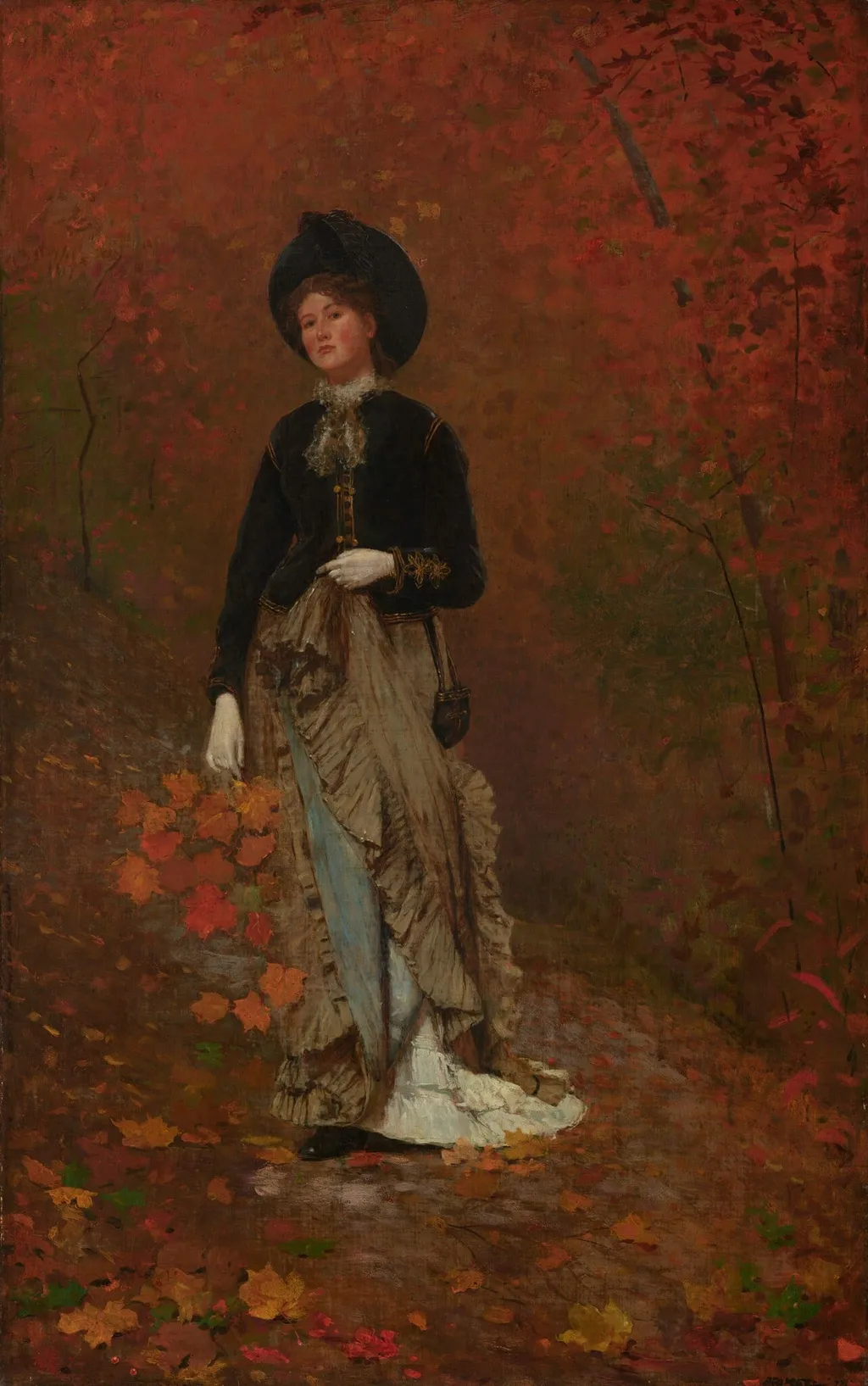
Autumn is an oil painting by the American Impressionist artist Winslow Homer. It dates from 1877 and is held in the collection of the National Gallery of Art.
About this work
Overview
Winslow Homer’s 1877 oil on canvas titled *Autumn* captures a quiet landscape suffused with the season’s characteristic hues. Executed in the late nineteenth century, the work presents a tableau of trees and fallen leaves rendered in a palette of warm tones that convey the gentle transition into cooler months.
Subject & Meaning
The composition focuses on a cluster of trees shedding their foliage, the ground strewn with amber and ochre leaves. By emphasizing the interplay of color and atmosphere, the painting evokes a sense of quiet contemplation, inviting viewers to consider the cyclical nature of the landscape and the subtle beauty of seasonal change.
Technique & Style
Homer employs a glazing method, layering translucent washes of pigment to achieve depth and luminosity in the foliage. The careful modulation of light across the leaves highlights the artist’s attention to how illumination alters surface color, while the warm palette reinforces the intimate, cozy ambience of an autumnal scene.
History & Provenance
Created in 1877, *Autumn* belongs to the period when Homer was establishing his reputation as a leading American painter of natural subjects. The work has remained in private and institutional collections since its early exhibition, reflecting the continued interest in his nuanced depictions of the American countryside.
Own this work as a print
Artist & collection
Artist
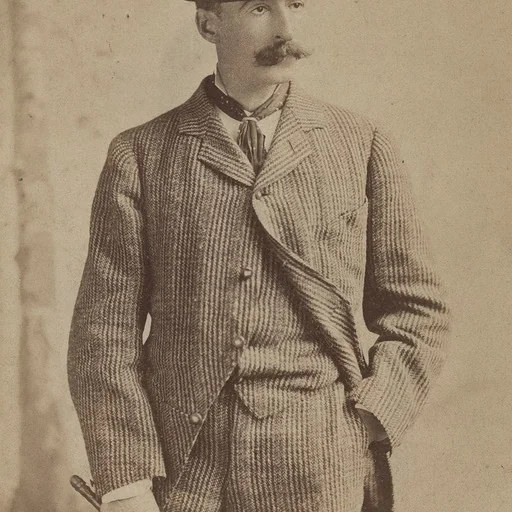
Winslow Homer (February 24, 1836 – September 29, 1910) was an American landscape painter and illustrator, best known for his marine subjects.