Artwork
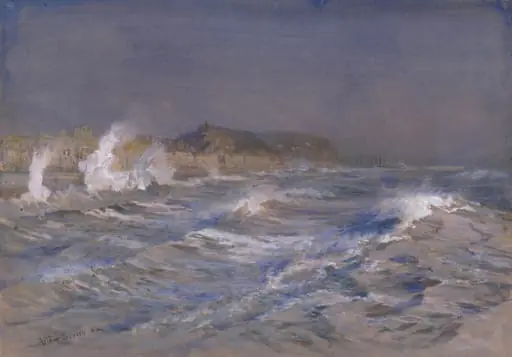
Incoming Tide, Scarboro, Maine
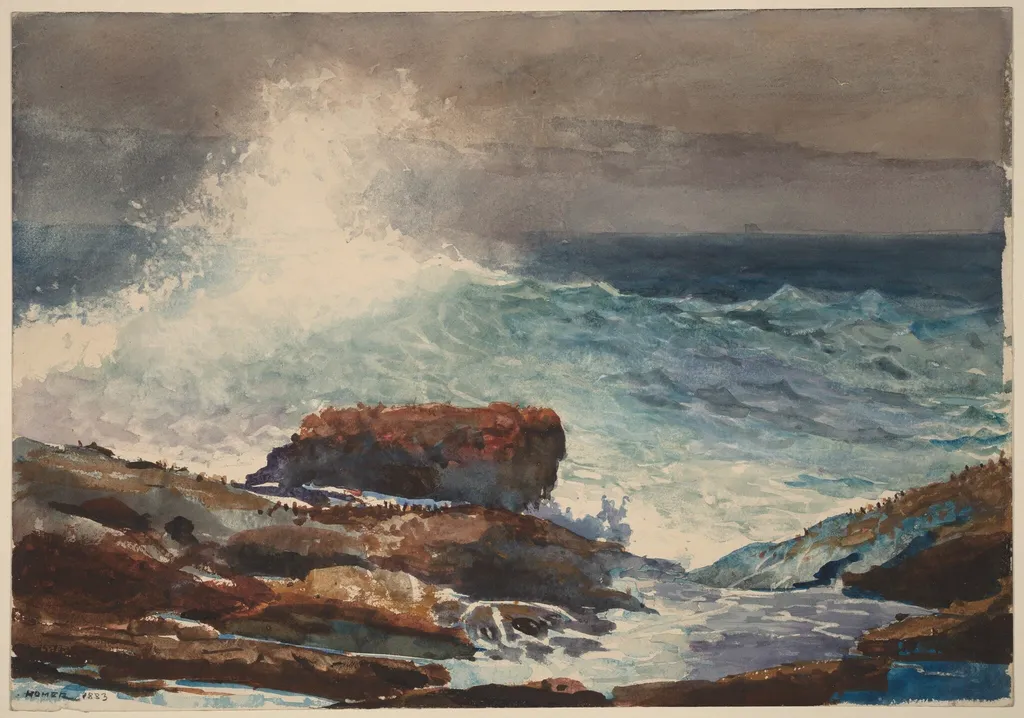
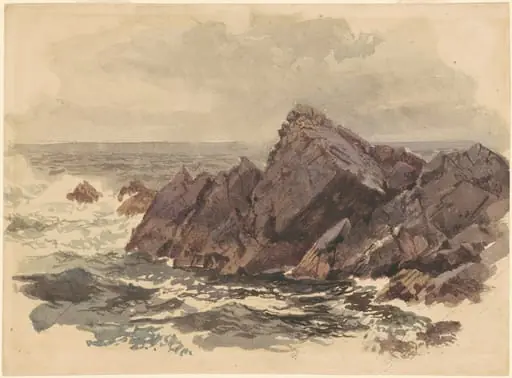
Incoming Tide, Scarboro, Maine is a watercolor drawing by the Impressionist artist Winslow Homer. It dates from 1883 and is held in the collection of the National Gallery of Art.
About this work
Overview
Winslow Homer's 1883 watercolor, Incoming Tide, Scarboro, Maine, captures a moment of coastal turbulence along the Maine shoreline.
Winslow Homer's 1883 watercolor, Incoming Tide, Scarboro, Maine, captures a moment of coastal turbulence along the Maine shoreline. Executed on wove paper, the work belongs to a series of late 19th-century seascapes in which Homer turned his focus from human figures to the raw power of nature. The medium’s transparency and fluidity allowed him to convey the immediacy of wind and wave, emphasizing motion over detail.
Subject & Meaning
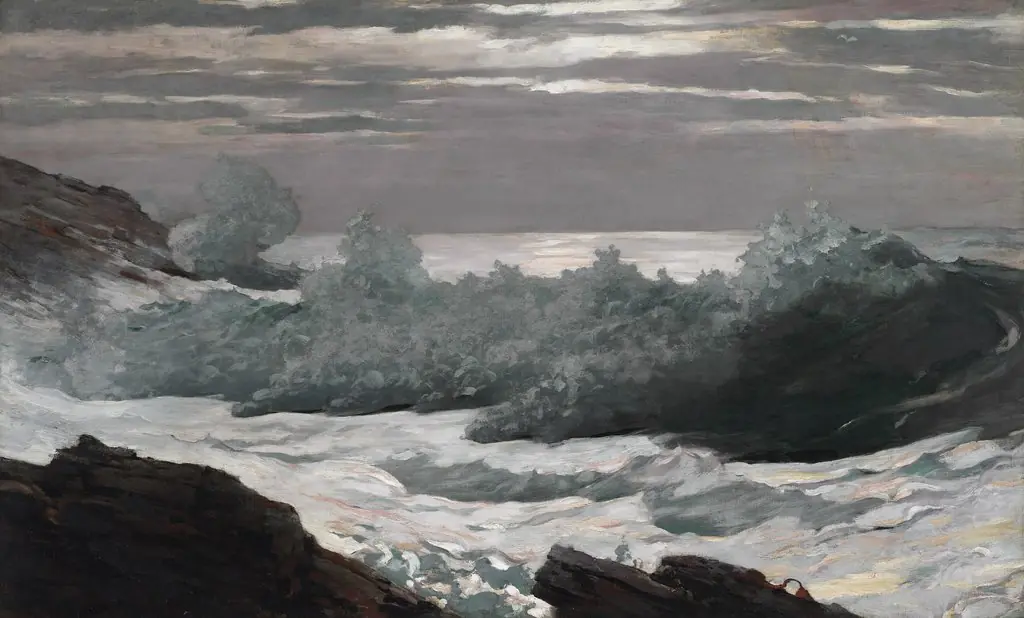
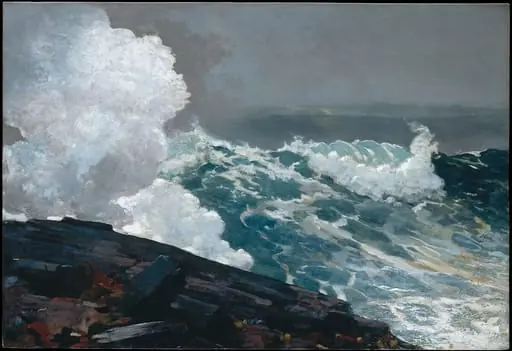
The scene depicts a rugged, wave-swept shore with no human presence, highlighting nature’s indifference to human scale. Jagged rocks jut from the water as turbulent foam explodes against them, suggesting the relentless force of the tide. The absence of figures shifts attention to elemental forces—wind, water, and stone—offering a quiet meditation on nature’s autonomy and enduring rhythm.
Technique & Style
Homer employed rapid, economical brushwork to suggest the chaotic motion of breaking waves and gusting wind. He layered transparent washes of muted grays and blues to render the overcast sky and wet rock, reserving the brightest whites and vivid blues for the foam and spray. The watercolor’s spontaneity mirrors the unpredictability of the sea, with wet-on-wet blending enhancing the sense of fluid motion.
History & Provenance
Created during Homer’s extended stays along the Maine coast, this work emerged from his deepening engagement with marine subjects after the Civil War. It was likely painted en plein air, as were many of his coastal studies. The piece remained in private hands until entering a public collection, where it now serves as a representative example of his mature watercolor practice.
Context
In the 1880s, American artists increasingly turned to landscape and natural phenomena as subjects worthy of serious study. Homer’s watercolors stood apart for their technical rigor and emotional restraint. Unlike romanticized seascapes of the era, his works avoided sentimentality, instead presenting nature with unembellished observation, aligning with emerging realist tendencies in American art.
Legacy
Incoming Tide exemplifies Homer’s pivotal role in elevating watercolor from a sketching medium to a finished art form in the United States. His ability to convey dynamic natural forces with minimal means influenced later generations of American landscape painters. The work remains a touchstone for its disciplined observation and quiet authority in depicting the sea’s untamed character.
Own this work as a print
Artist & collection
Artist
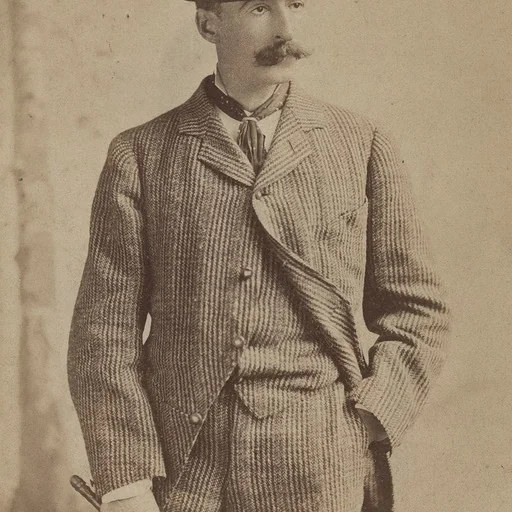
Winslow Homer (February 24, 1836 – September 29, 1910) was an American landscape painter and illustrator, best known for his marine subjects.