Artwork
Autoportret
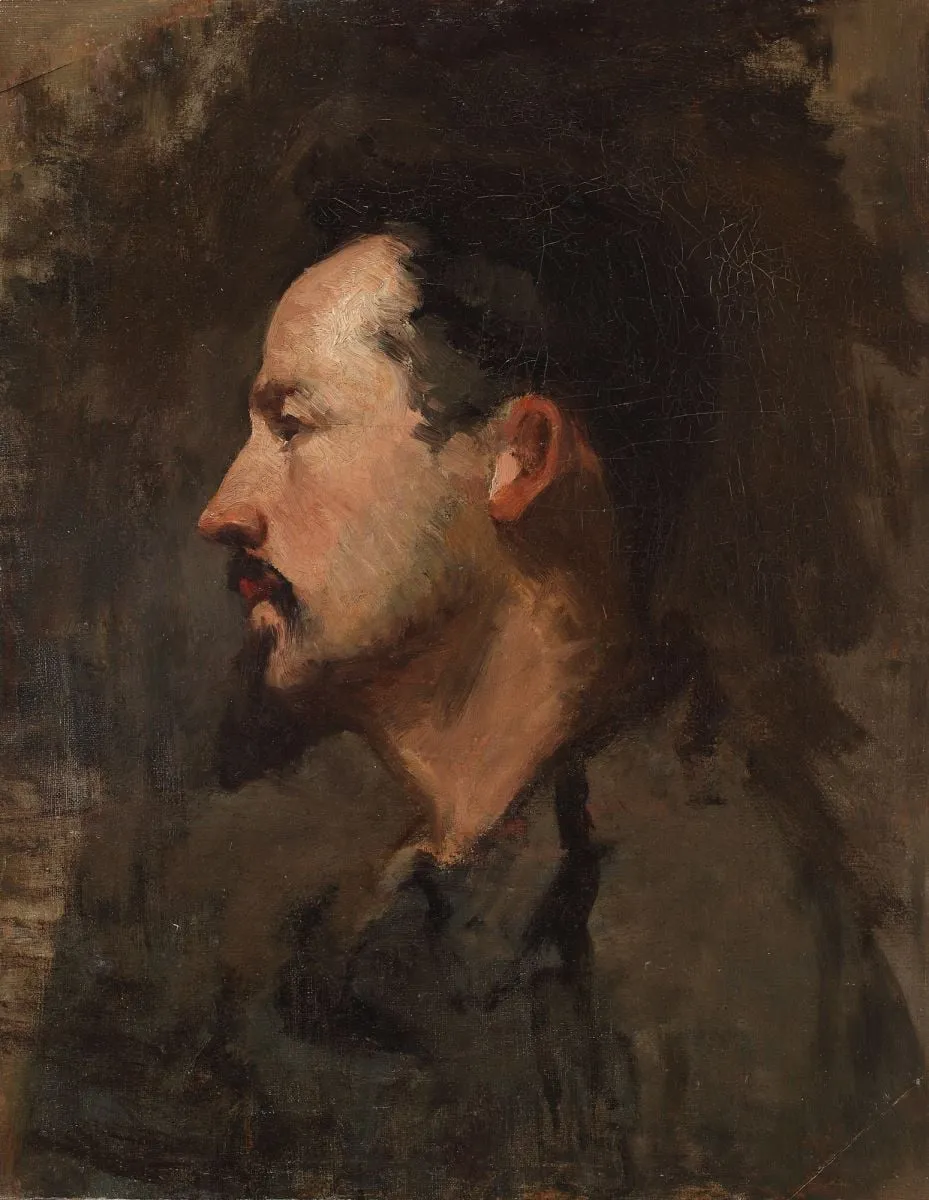
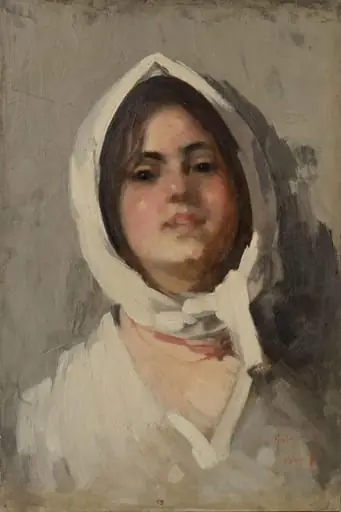
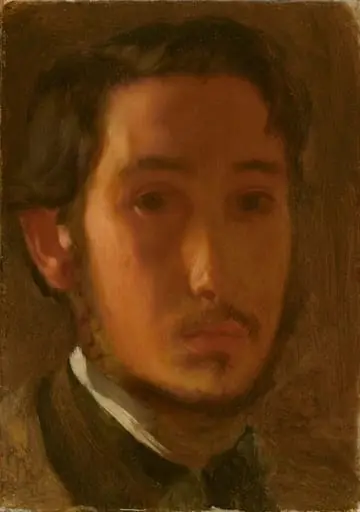
Autoportret is an unspecified painting by Nicolae Grigorescu. It dates from 1850 and is held in the collection of the Colecție particulară - Sibiu.
About this work
Overview
Painted around 1850, this self-portrait by Nicolae Grigorescu captures the artist in mid-life, rendered with directness and minimal embellishment. Executed in oil on canvas, it is part of the collection at the Museum of Ethnography. The work stands apart for its unidealized presence, avoiding formal portraiture conventions in favor of a candid, almost intimate observation of the self.
Subject & Meaning
The roughness of his features conveys a sense of lived experience, framing the portrait as an honest reckoning with aging and self-perception.
The subject is the artist himself, depicted with a balding forehead and a short, untrimmed beard. His gaze is averted, suggesting introspection rather than engagement with the viewer. The absence of symbolic objects or elaborate attire emphasizes personal identity over social status. The roughness of his features conveys a sense of lived experience, framing the portrait as an honest reckoning with aging and self-perception.
Technique & Style
Grigorescu employed thick, deliberate brushstrokes to model the contours of his face, avoiding smooth blending in favor of tactile texture. The skin appears weathered, with uneven pigment application mimicking the grain of flesh. A dark, undefined background isolates the head, heightening the focus on facial structure. The handling of light and shadow follows a loose chiaroscuro, enhancing volume without theatricality.
History & Provenance
The painting dates from the early phase of Grigorescu’s career, before his later recognition as a leading Romanian realist. It remained in private hands until entering the Museum of Ethnography’s collection, where it is preserved as a personal artifact rather than a public monument. Its survival reflects its value as a document of the artist’s early visual language and self-awareness.
Context
Created during a period when Romanian art was transitioning from academic traditions toward more personal, regional expression, this portrait aligns with emerging trends of realism. Unlike grand historical or aristocratic portraits, it reflects a quiet shift toward the individual as subject. Grigorescu’s choice to depict himself without adornment resonates with broader cultural movements valuing authenticity over idealization.
Legacy
This early self-portrait anticipates Grigorescu’s lifelong commitment to truthful representation. Its unpolished quality influenced later Romanian artists who sought to capture everyday life with emotional honesty. Though not widely exhibited, it remains a foundational piece in understanding his artistic development and the quiet revolution in 19th-century Romanian portraiture.
Artist & collection
Artist
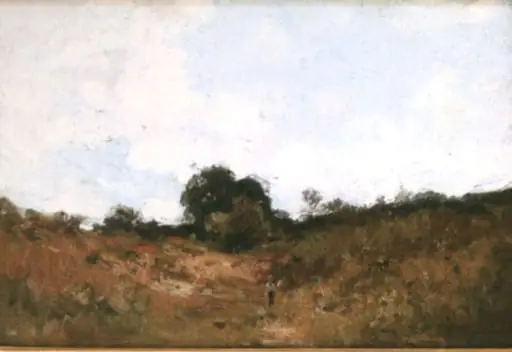
Romanian painter Nicolae Grigorescu made quiet, honest scenes of everyday life and country roads around 1900.
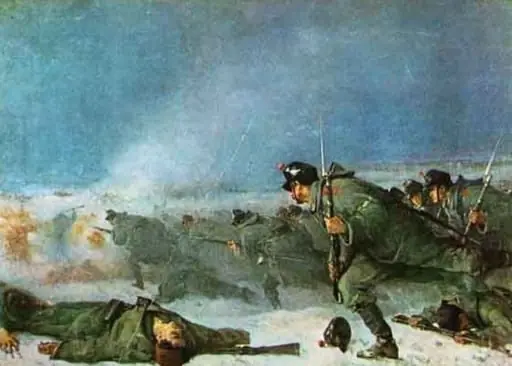
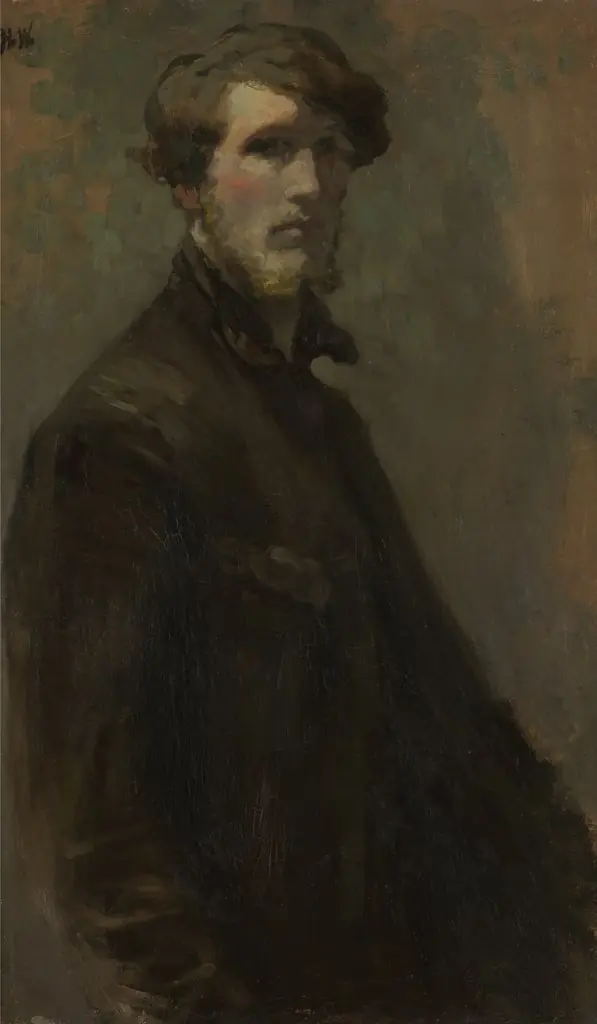 Self Portrait
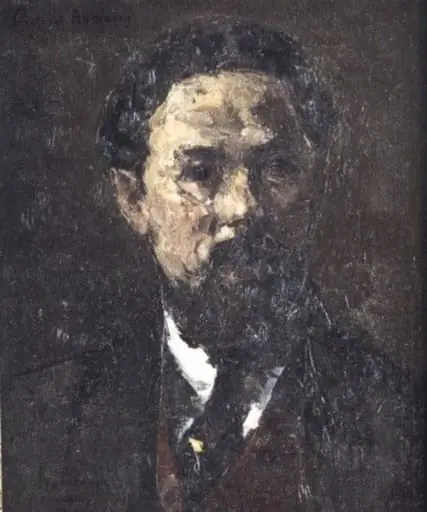 Romașcu
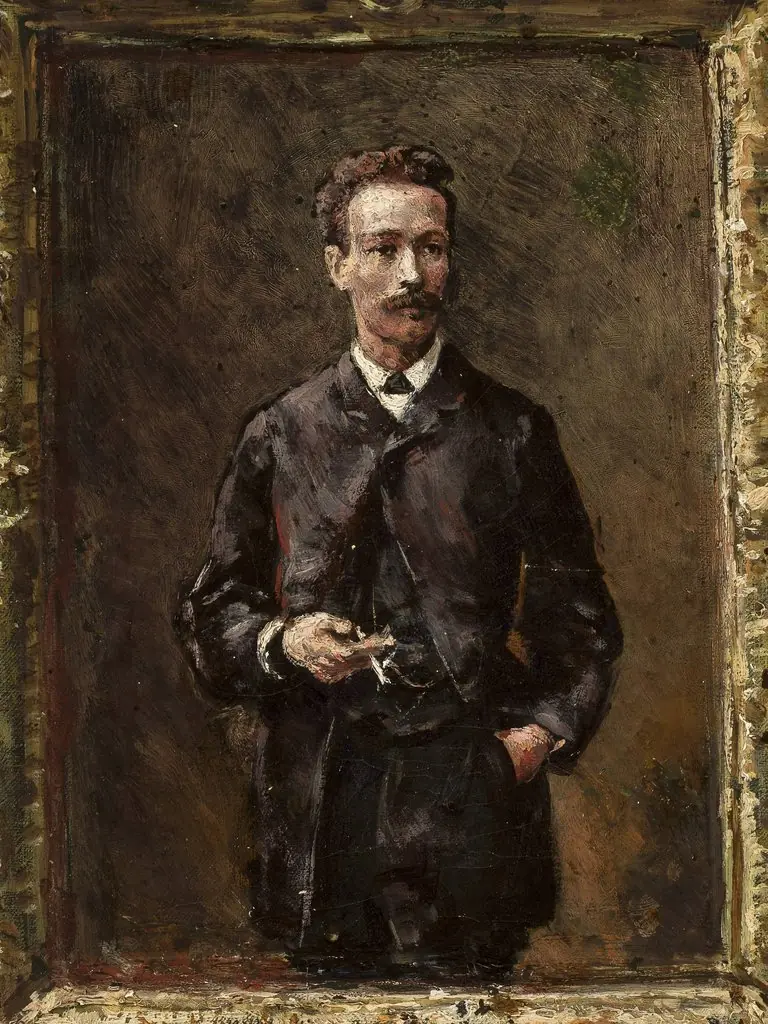 Portrait of Artur Gruszecki, sketch
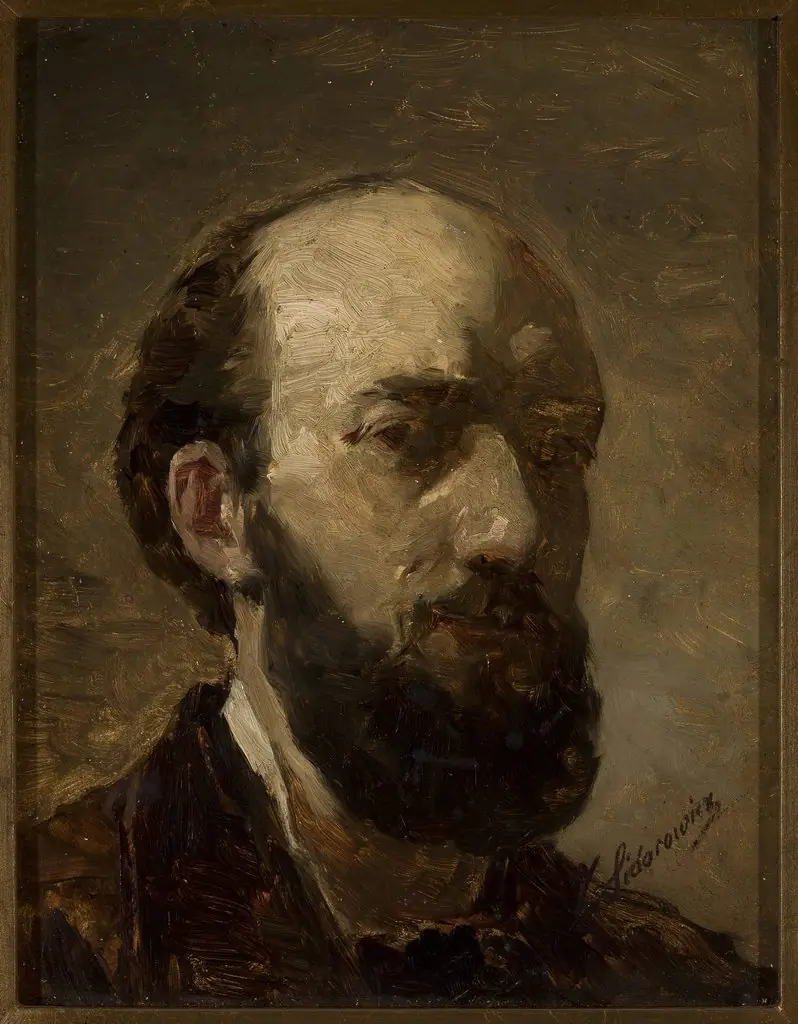 Self-portrait
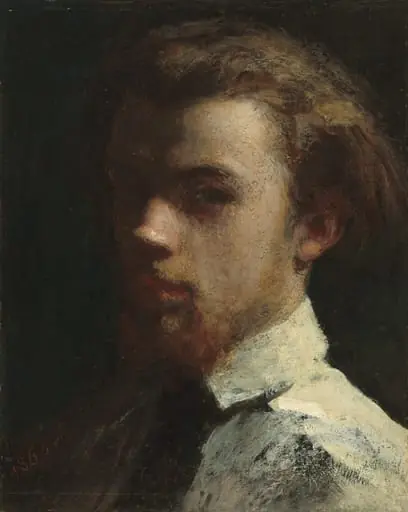 Self-Portrait
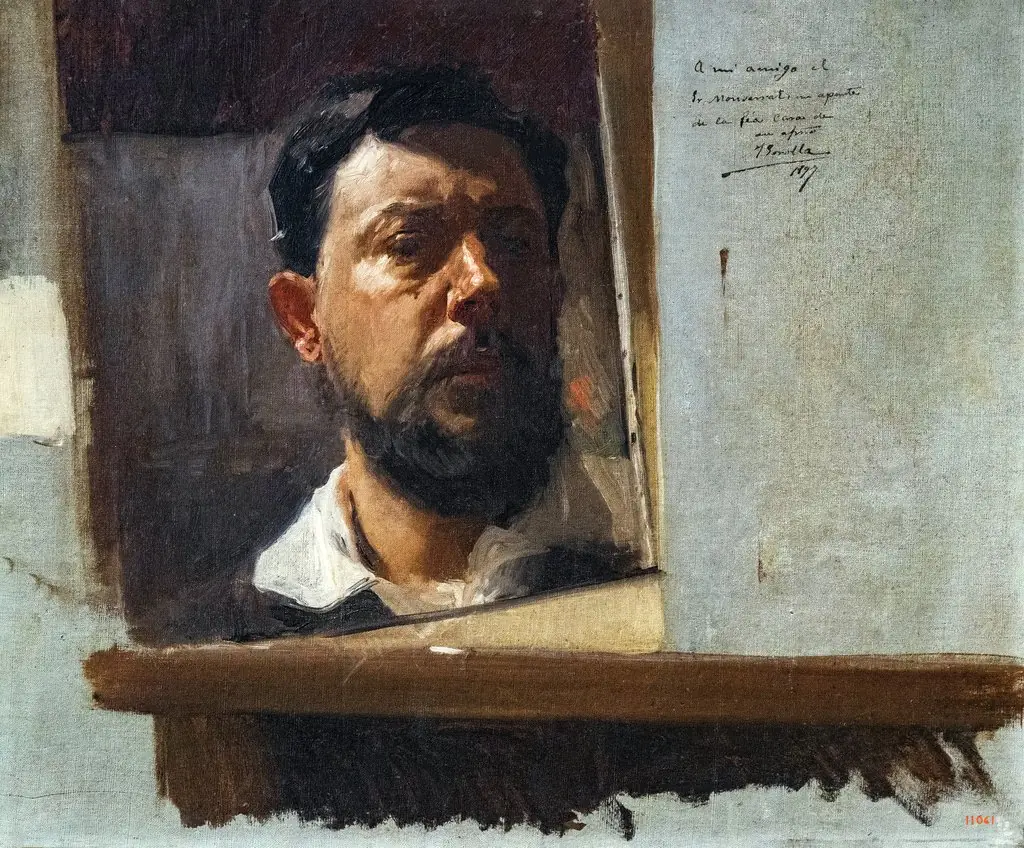 Self-portrait
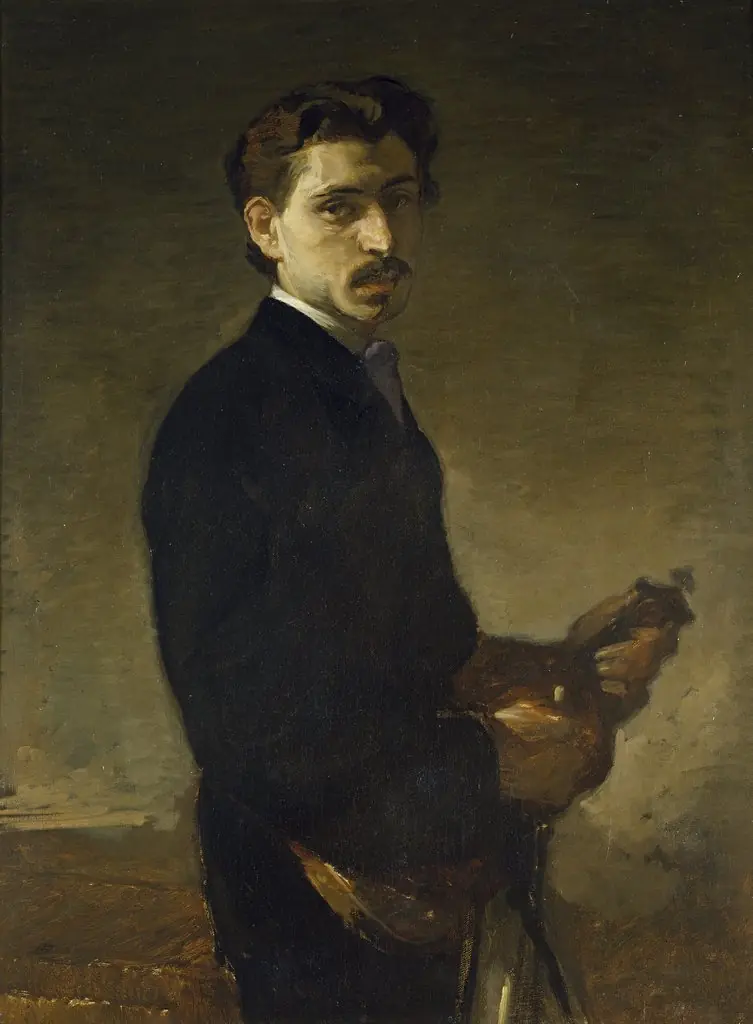 Ettore Pinelli, the Violinist
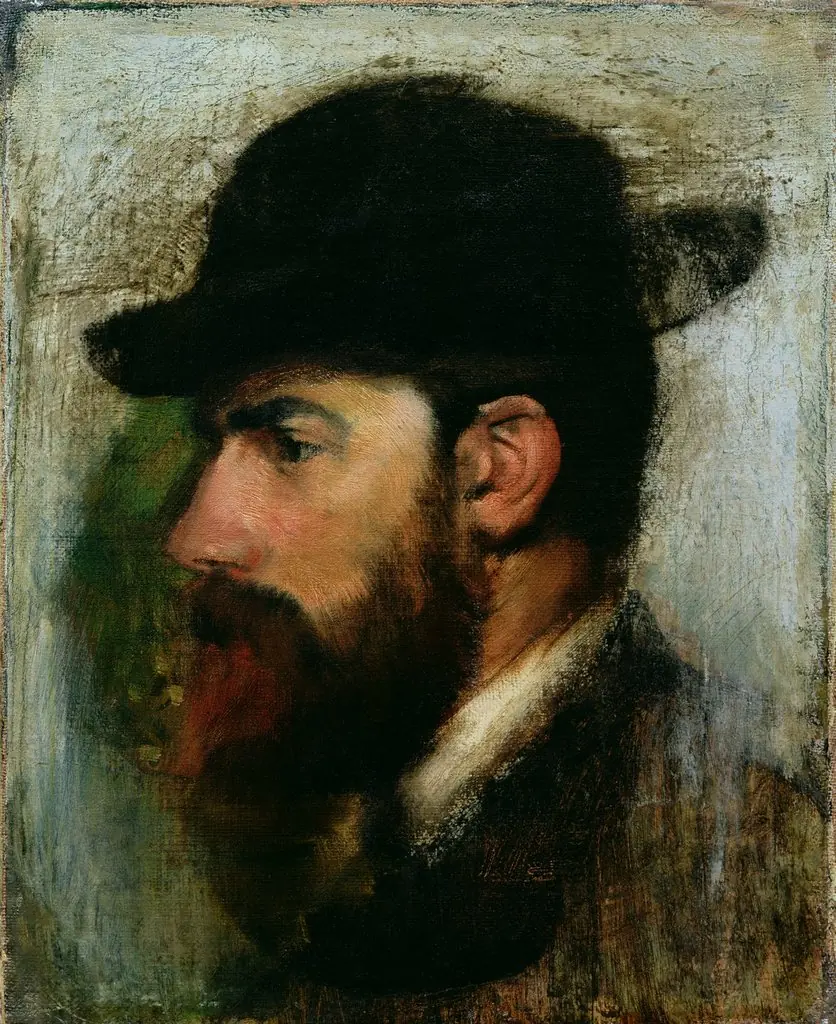 Portrait d’Henri Rouart
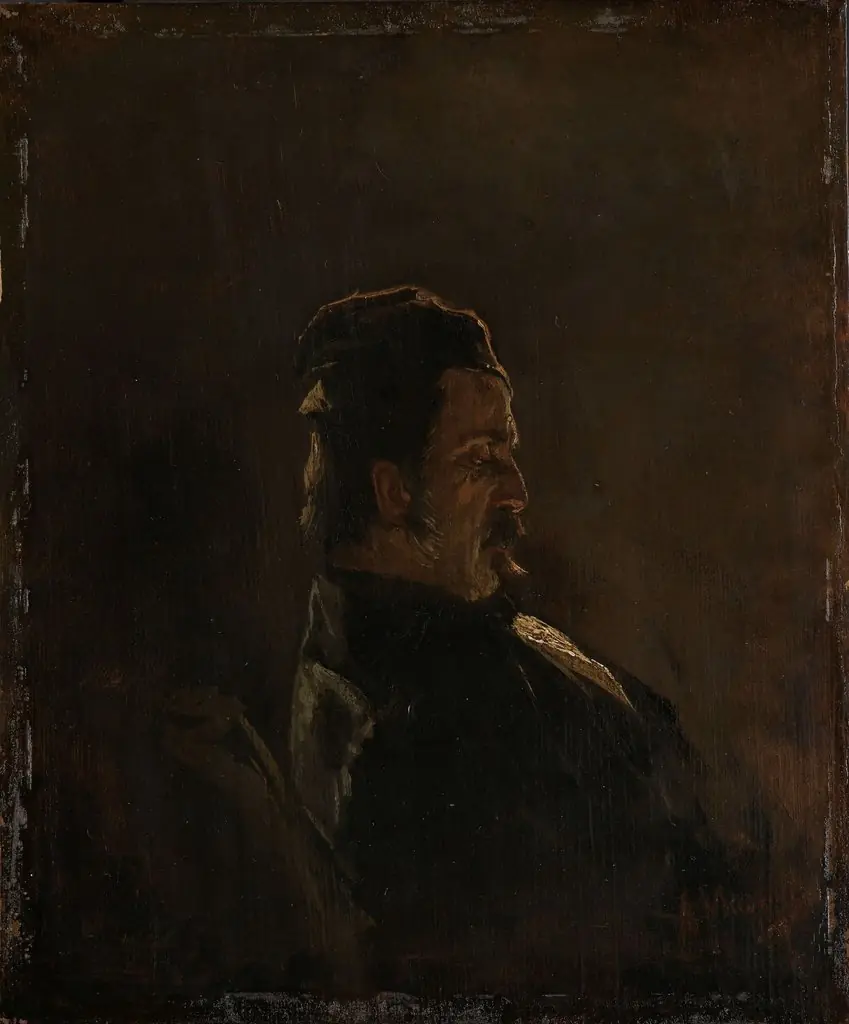 Portrait of Pieter Frederik van Os, Painter
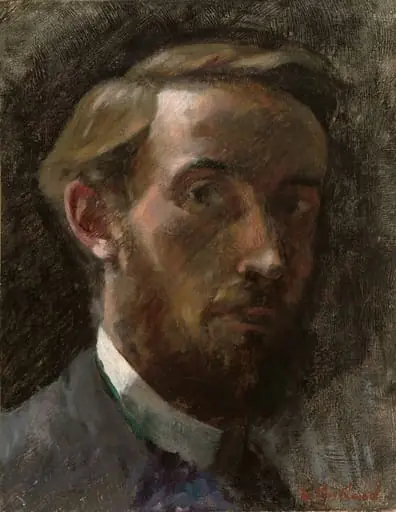 Self-Portrait, Aged 21
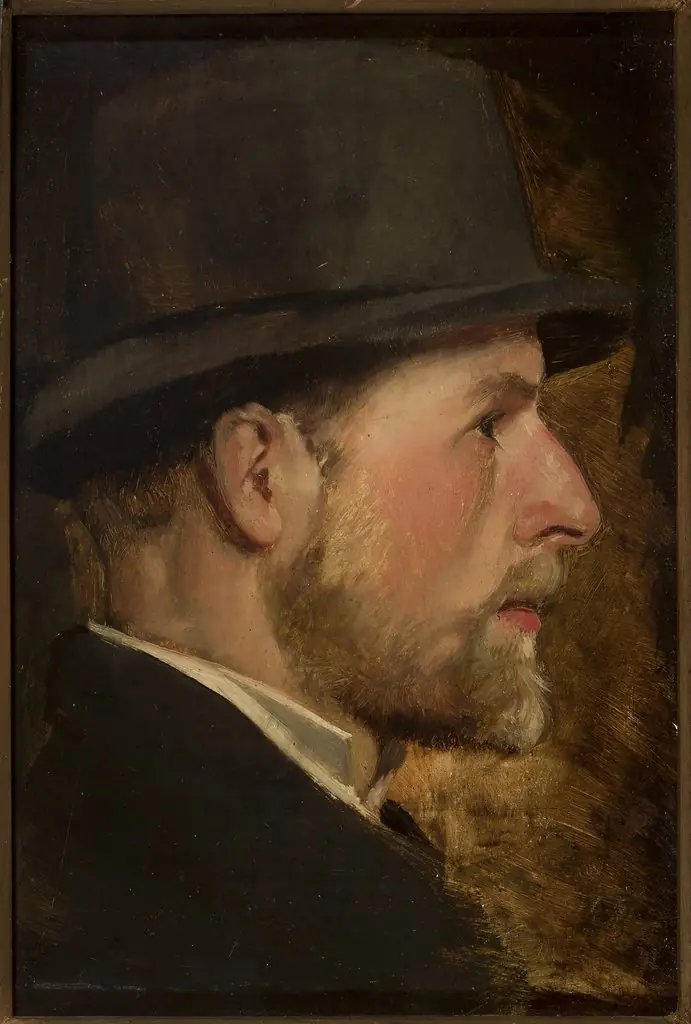 Portrait of Stanisław Czachórski (1853–1904), artist’s brother
 Self-Portrait with White Collar