Artwork
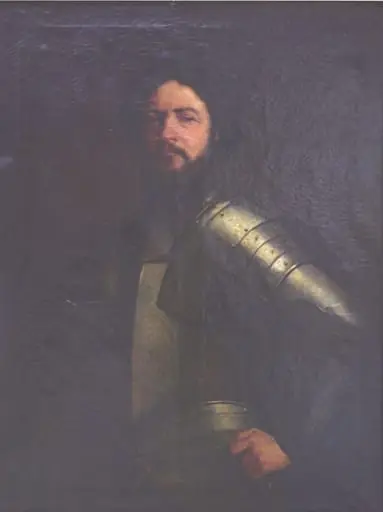
Portret de tânăr general în armură
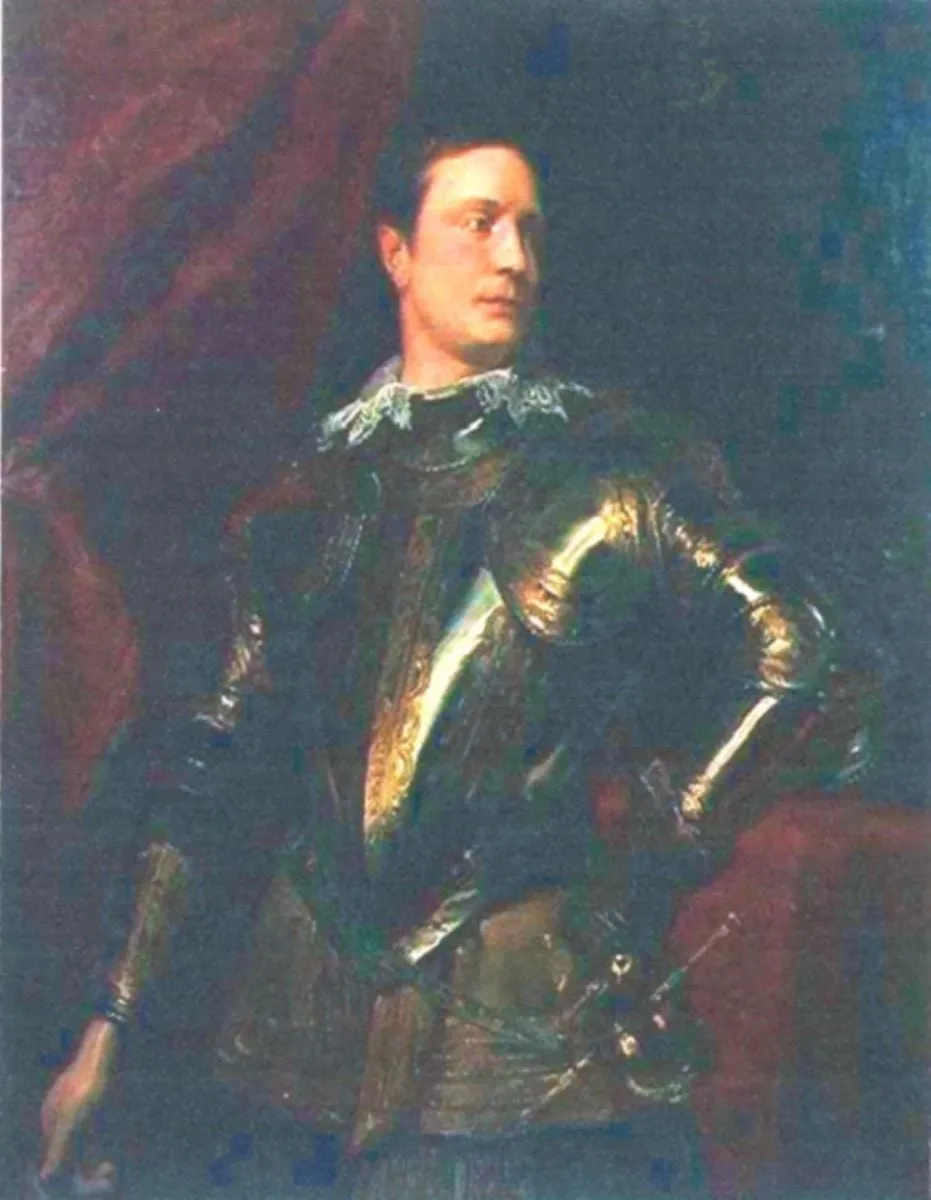
Portret de tânăr general în armură is an unspecified painting by the Impressionist artist Ernst Klimt. It dates from 1885 and is held in the collection of the Peleș National Museum.
About this work
If you're interested in learning more about this style of painting, you might want to look up the Impressionism movement.
The painting depicts a man dressed in armor, with his left hand resting on the hilt of a sword. He wears a dark-colored shirt with a high collar and a white ruffled collar underneath. The background is dark, with a red curtain visible behind the man.
The man's armor is made of metal and has a shiny appearance. He looks to the right, with a serious expression on his face. His dark hair is neatly styled, and he has a thin mustache.
The painting is a portrait of a young general in armor, created by Ernst Klimt in 1885. It is held at the Museum of Ethnography. If you're interested in learning more about this style of painting, you might want to look up the Impressionism movement.
Overview
Painted in 1885 by Ernst Klimt, this portrait depicts a young military officer in full armor. The work is part of the collection at the Museum of Ethnography. Unlike Klimt’s later decorative style, this early piece reflects a formal, realistic approach typical of late 19th-century portraiture. The subject’s pose and attire suggest status and discipline, with attention paid to the texture of metal and fabric.
Subject & Meaning
The figure is a young general, portrayed with composure and authority. His hand rests on his sword, a symbol of command and readiness. The dark armor and high collar convey formality, while the absence of insignia leaves his specific rank ambiguous. The serious gaze and neat grooming emphasize restraint and duty, aligning with ideals of military professionalism in the Austro-Hungarian Empire of the period.
Technique & Style
Klimt employs precise brushwork to render the reflective surfaces of the armor and the soft folds of the ruffled collar. The dark background, accented by a draped red curtain, isolates the figure and enhances the three-dimensionality of his form. Lighting is controlled and directional, highlighting metallic details without theatricality. The style is rooted in academic realism, avoiding the loose brushwork associated with Impressionism.
History & Provenance
The painting was completed in 1885, during Klimt’s early career before his association with the Vienna Secession. It entered the Museum of Ethnography’s collection in the 20th century, likely through institutional acquisition or donation. Its presence in an ethnographic museum, rather than a fine arts institution, suggests a historical focus on costume and military culture rather than artistic merit alone.
Context
In the 1880s, formal military portraiture remained common among European elites, serving both commemorative and propagandistic functions. Klimt, then training in academic traditions, produced such works to secure commissions. The painting reflects a broader cultural emphasis on hierarchy and discipline in the Austro-Hungarian military, even as artistic movements like Impressionism began challenging established norms.
Legacy
This portrait stands as an early example of Klimt’s technical versatility before his stylistic evolution into symbolic and ornamental art. While not widely exhibited as a key work in his oeuvre, it provides insight into his foundational skills and the artistic environment of Vienna in the late 19th century. Its placement in an ethnographic context underscores shifting institutional priorities in how art and material culture are categorized.
Artist & collection
Artist
 Cosimo di Medici
 Bildnis eines jungen Fürsten
 Thomas Fairfax
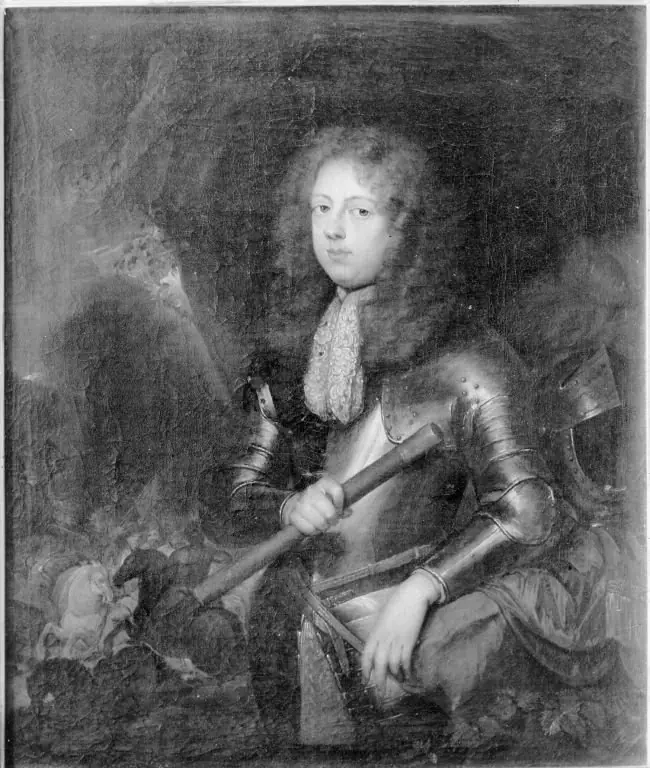 Bildnis eines Prinzen
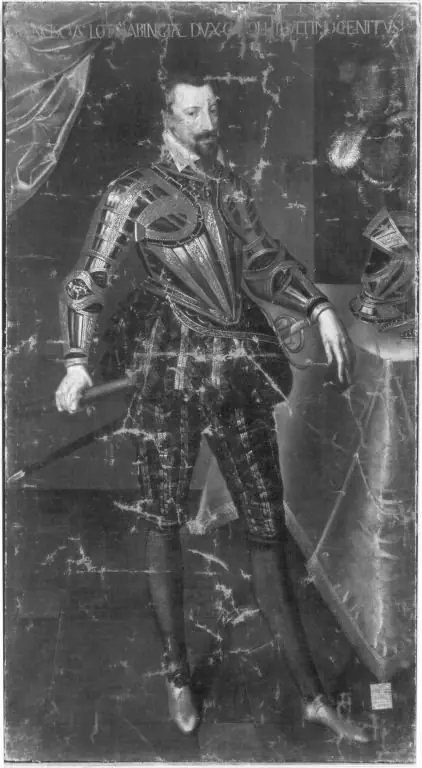 Franz II., Herzog von Lothringen
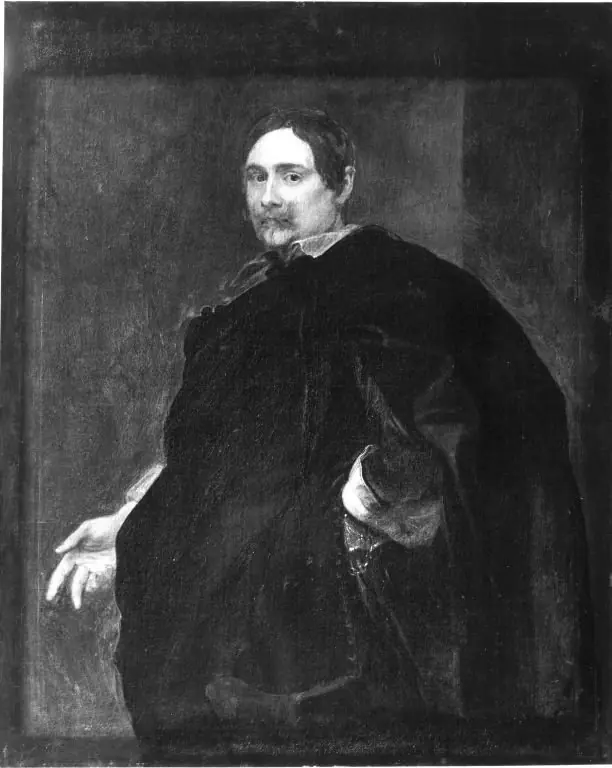 Portrait of Filippo Spinola
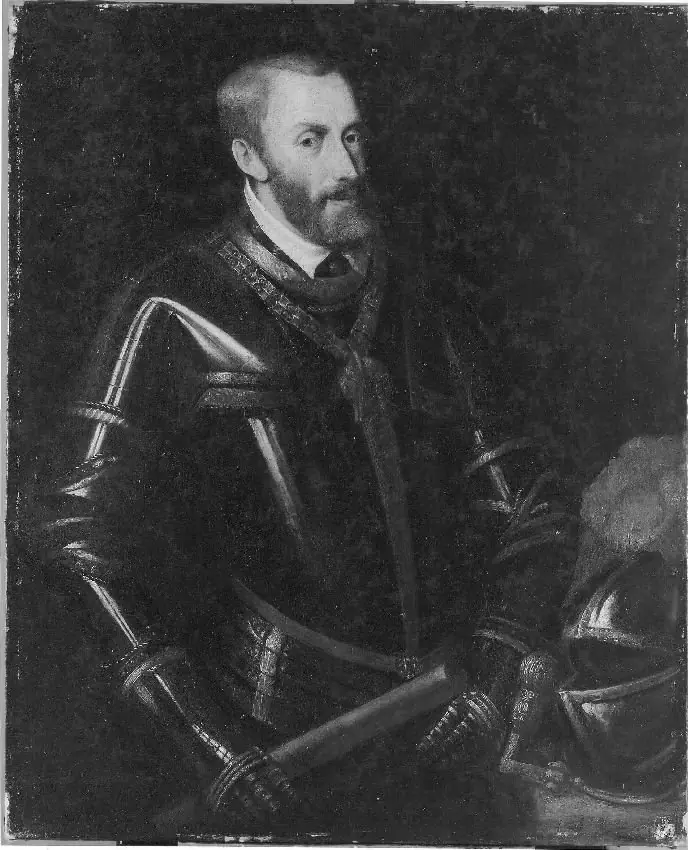 Portrait of Emperor Charles V in armour
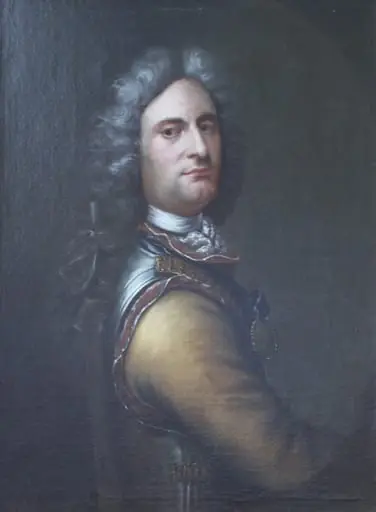 Portrait of Peder Tordenskjold
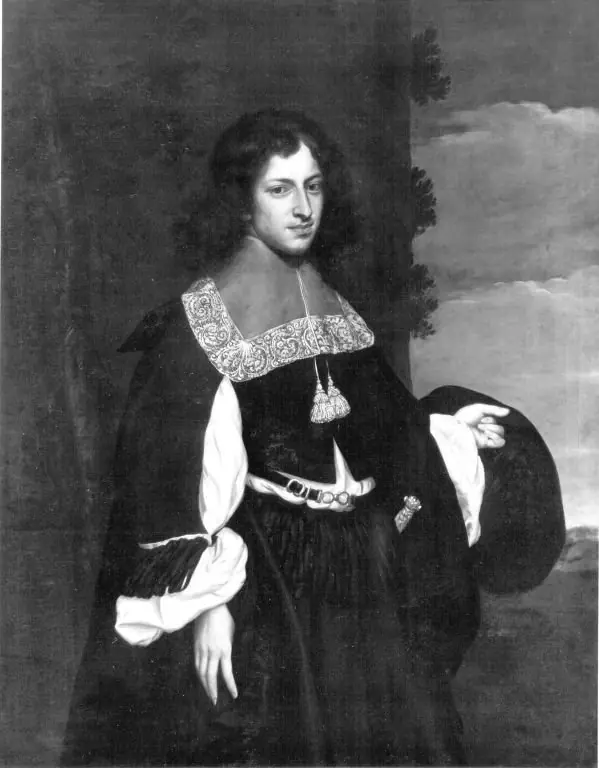 Portrait of a 20 year-old man
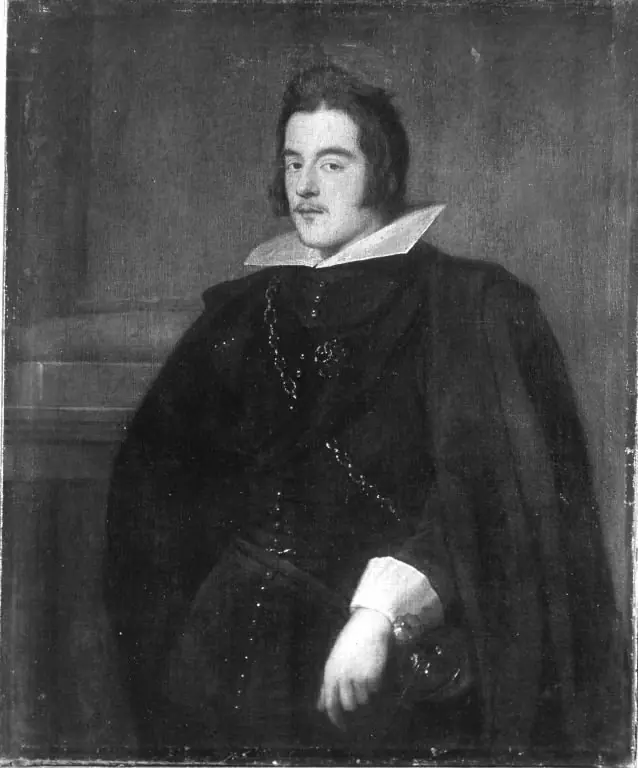 Portrait of Marqués de Mirabel
 Thomas Fairfax
 Cavaler în armură (Portret Ghica)