Artwork
Margaret Wynne (1722 -)
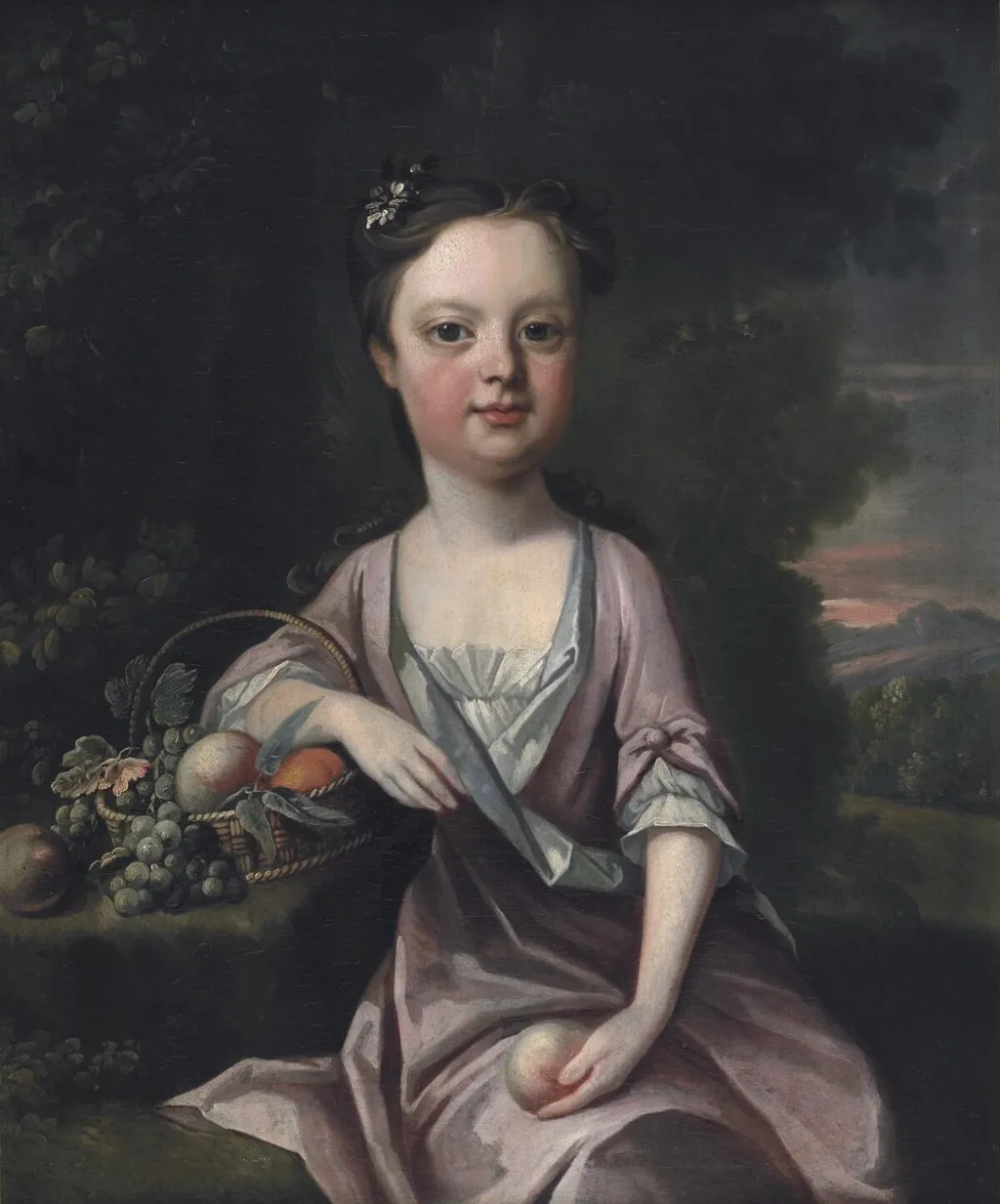
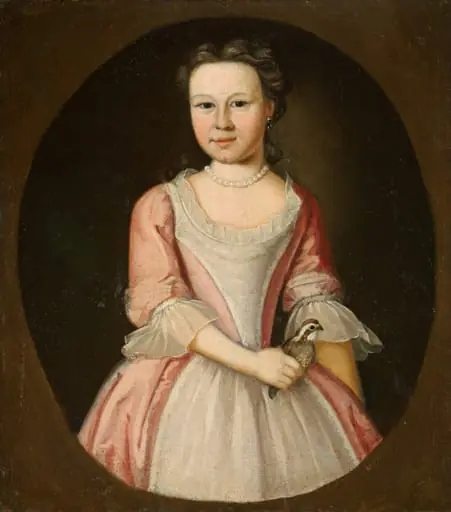
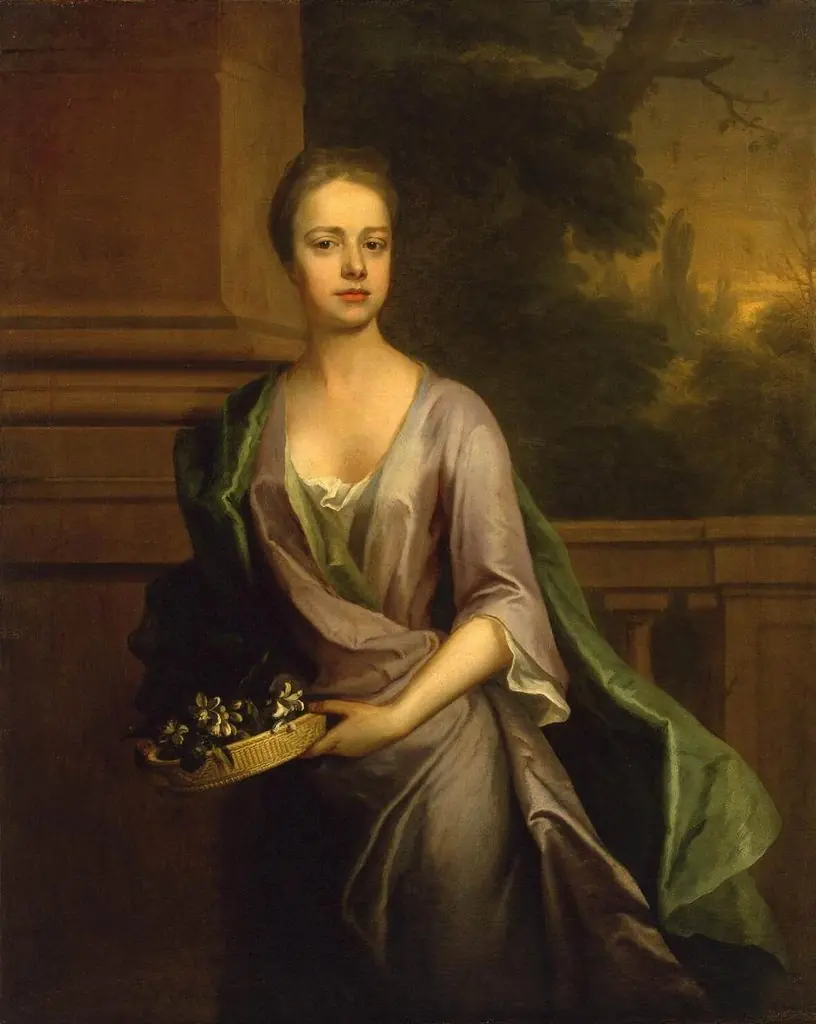
Margaret Wynne (1722 -) is an oil painting by Unknown. It is held in the collection of the National Library of Wales. This oil painting depicts a young girl seated in a natural setting, rendered with careful attention to light and texture.
About this work
Overview
This oil painting depicts a young girl seated in a natural setting, rendered with careful attention to light and texture. The composition centers on her direct gaze and the basket of fruit she holds, creating an intimate yet formal portrait. The background is softly blurred by foliage, emphasizing her presence against the verdant environment.
Subject & Meaning
The girl, identified as Margaret Wynne, is portrayed not as a mythological or allegorical figure, but as a real child in a domestic moment. The fruit in her lap suggests abundance and seasonal harvest, while her direct gaze invites a personal connection. The inclusion of everyday elements avoids symbolic grandeur, focusing instead on quiet presence and individual identity.
Technique & Style
Chiaroscuro is used to model the girl’s form, enhancing the three-dimensionality of her face and the fruit. The pink dress contrasts subtly with the greenery, while the white undershirt catches ambient light. Brushwork is refined but not overly detailed, favoring atmospheric harmony over precision, typical of early 18th-century portraiture in natural settings.
History & Provenance
The painting is dated to the early 1700s and is associated with Margaret Wynne, whose life beyond this portrait remains largely undocumented. It likely originated in a private English household, possibly commissioned by family members. Its survival suggests it was valued as a personal keepsake rather than a public display.
Context
During this period, portraits of children were increasingly common among the gentry, reflecting shifting attitudes toward childhood as a distinct phase of life. Depictions often included natural elements to convey innocence or virtue. This work aligns with that trend, avoiding overt moralizing in favor of a gentle, observational tone.
Legacy
The painting contributes to a broader archive of 18th-century portraiture that captures private moments with quiet dignity. Though not widely exhibited, it offers insight into how non-royal children were visually represented in their time — as individuals, not symbols, within the landscape of daily life.
Artist & collection

 Domestic Scene
 Giacomo and Cardinal Marco, investing Andrea, Abbot of San Zeno, with his Benefice
 The Nymph of Fontainebleau
 Portrait of a Woman
 Madonna and Child with Saints in the Enclosed Garden
 Venus and Minerva
 Family Group of Four on Sofa
 Wall painting from Room H of the Villa of P. Fannius Synistor at Boscoreale
 Portrait of a Lady with her daughter
 Susan Apthorp (Mrs. Thomas Bulfinch)
 The Artist's Daugther
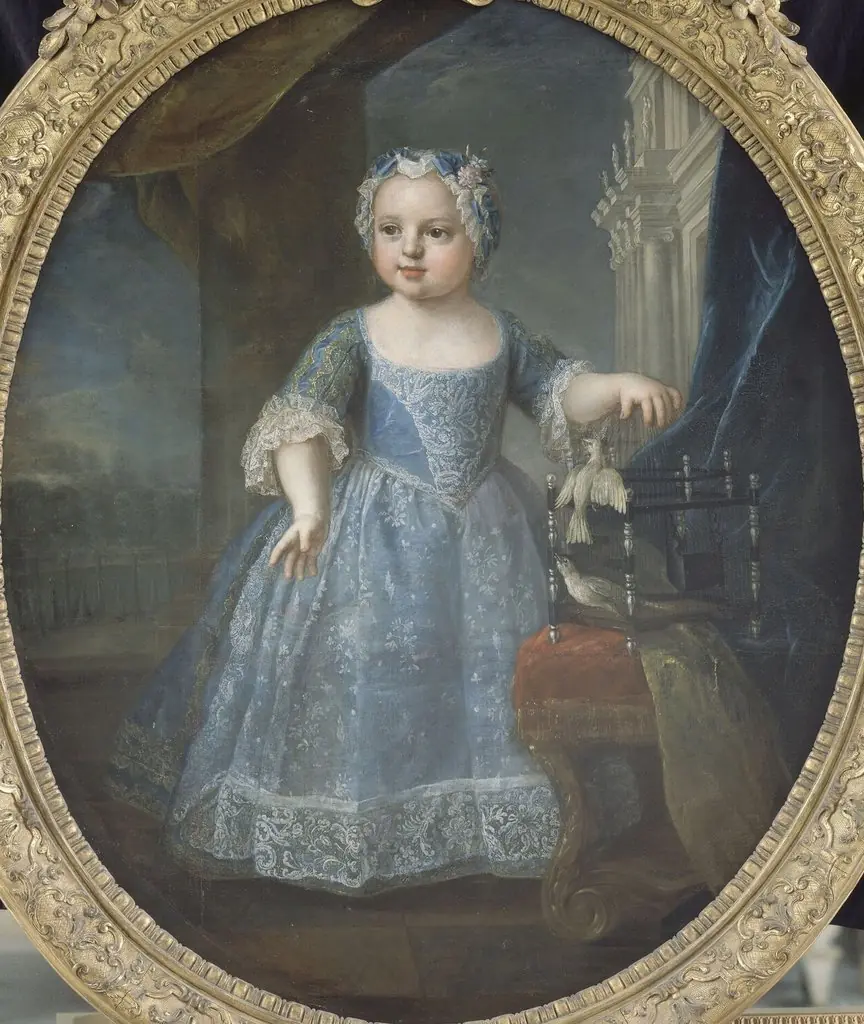 Marie-Louise de France (1728-1733), dite Madame Louise / Madame Troisième
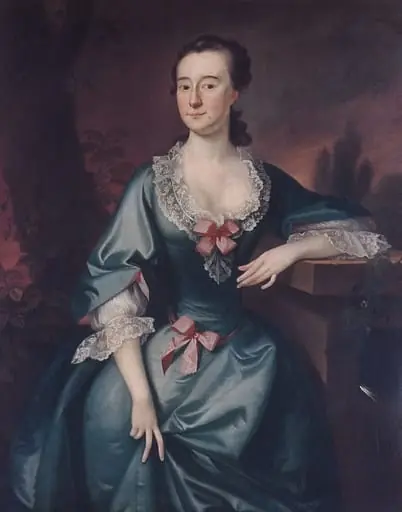 Mrs. David Chesebrough
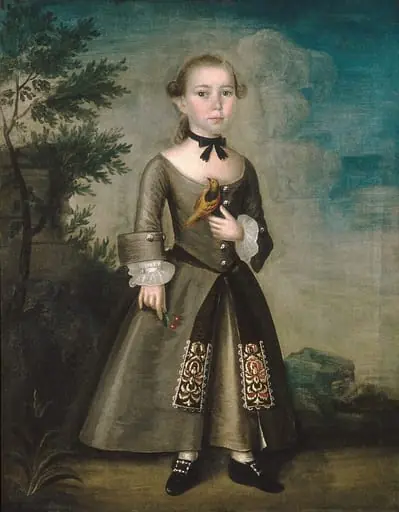 James Badger
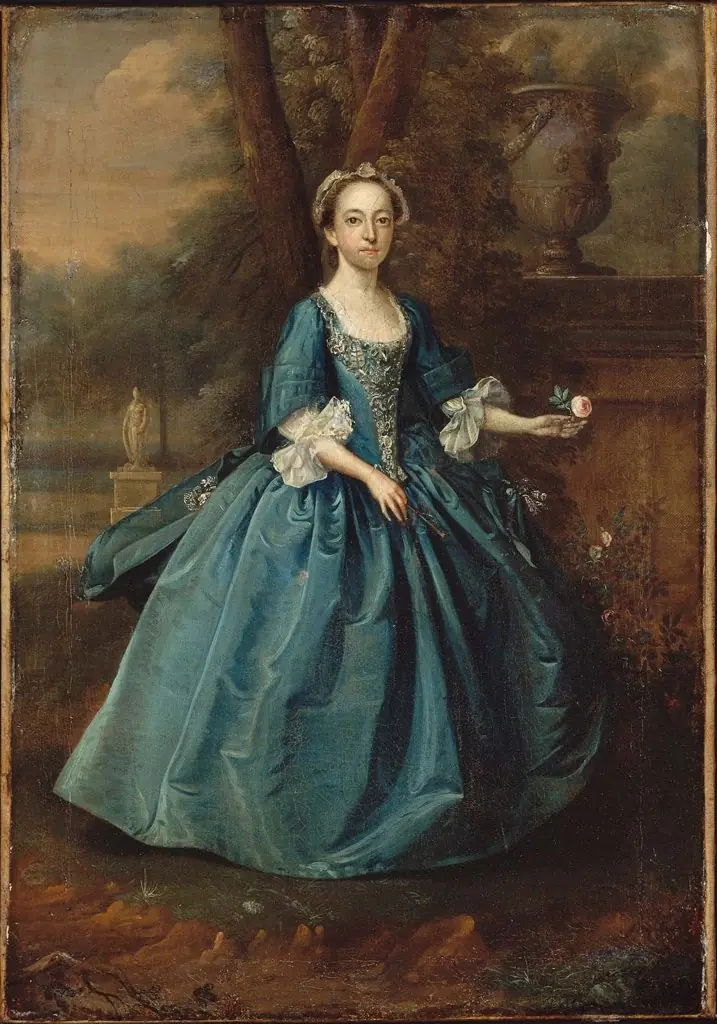 Portrait of a Woman Standing in a Garden
 Portrait of a Woman
 Possibly Margaret Robins
 Et barn med blomster
 Elizabeth Ross (Mrs. William Tyng)
 Portrait of a Woman