Artwork
Esmé Stuart, 5th Duke of Lennox and 2nd Duke of Richmond (1649-1660)
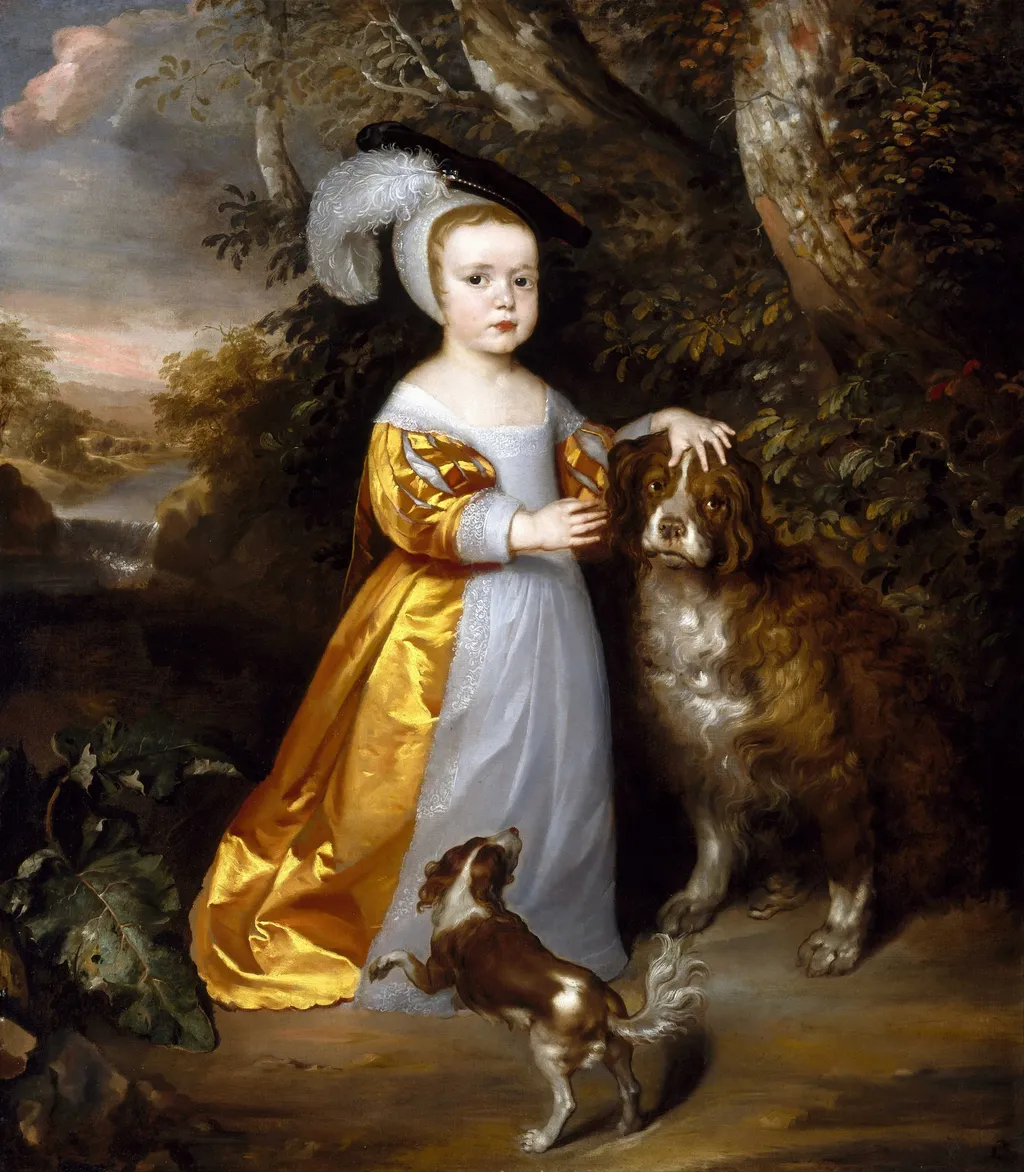
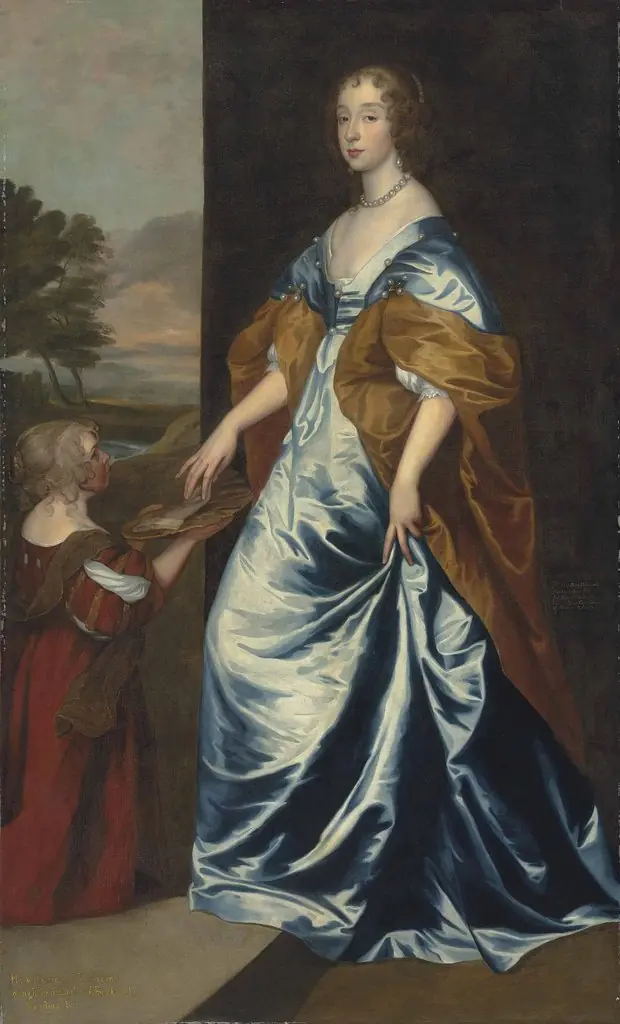
Esmé Stuart, 5th Duke of Lennox and 2nd Duke of Richmond (1649-1660) is an oil painting by the Flemish Baroque painting artist Unknown. It dates from 1653 and is held in the collection of the Museum of Fine Arts, Houston.
About this work
Overview
The oil painting, titled *Esmé Stuart, 5th Duke of Lennox and 2nd Duke of Richmond (1649‑1660)*, portrays a young aristocratic woman positioned in a verdant outdoor setting. She wears an elaborate gold‑and‑white gown with a feathered hat, accompanied by a large and a small dog, symbols of status and leisure.
Subject & Meaning
The sitter appears to be a member of the noble Stuart family, likely a daughter or close relative of the 5th Duke. The inclusion of the dogs and the sumptuous attire underscores themes of wealth, lineage, and the cultivated elegance expected of high‑born women in mid‑17th‑century England.
Technique & Style
Executed in oil, the work employs chiaroscuro, contrasting bright illumination on the figure and garments with deeper shadows in the surrounding foliage. This handling creates a three‑dimensional presence, emphasizing the texture of the silk dress and the fur of the dogs while enhancing the overall sense of depth.
History & Provenance
The painting dates to the period of the Duke’s life between 1649 and 1660, a time of political upheaval in England. Its provenance traces back to the Stuart family collection, later passing through private hands before entering a public institution, where it remains catalogued under the duke’s name despite depicting a female figure.
Context
Portraiture of aristocratic women in the mid‑1600s often combined personal likeness with emblematic objects—here, the dogs function as markers of fidelity and status. The outdoor setting reflects a growing interest in naturalistic backgrounds, aligning the work with contemporary trends in English court portraiture.
Legacy
While not widely reproduced, the painting contributes to the visual record of the Stuart lineage and offers insight into the fashion, domestic symbolism, and artistic conventions of Restoration‑era England.
Artist & collection

 Domestic Scene
 Giacomo and Cardinal Marco, investing Andrea, Abbot of San Zeno, with his Benefice
 The Nymph of Fontainebleau
 Portrait of a Woman
 Madonna and Child with Saints in the Enclosed Garden
 Venus and Minerva
 Family Group of Four on Sofa
 Wall painting from Room H of the Villa of P. Fannius Synistor at Boscoreale
 Portrait of a Young Boy
 Queen Henrietta Maria with Sir Jeffrey Hudson
 Portrait of Elizabeth and Philadelphia Wharton
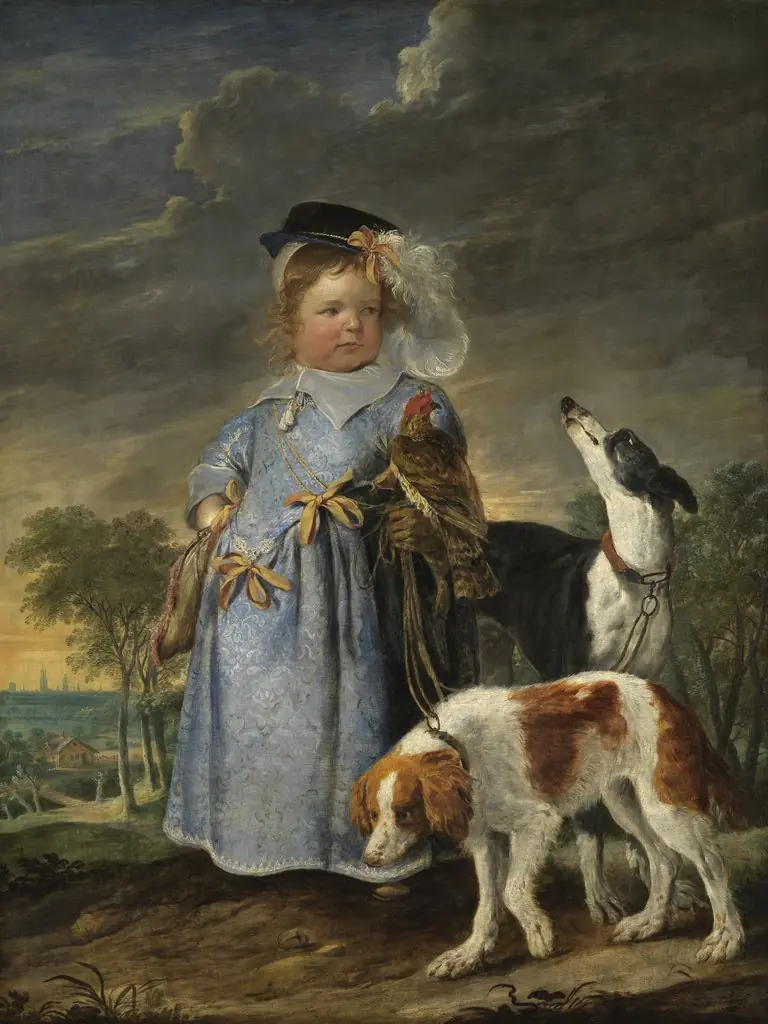 Portrait of a Boy
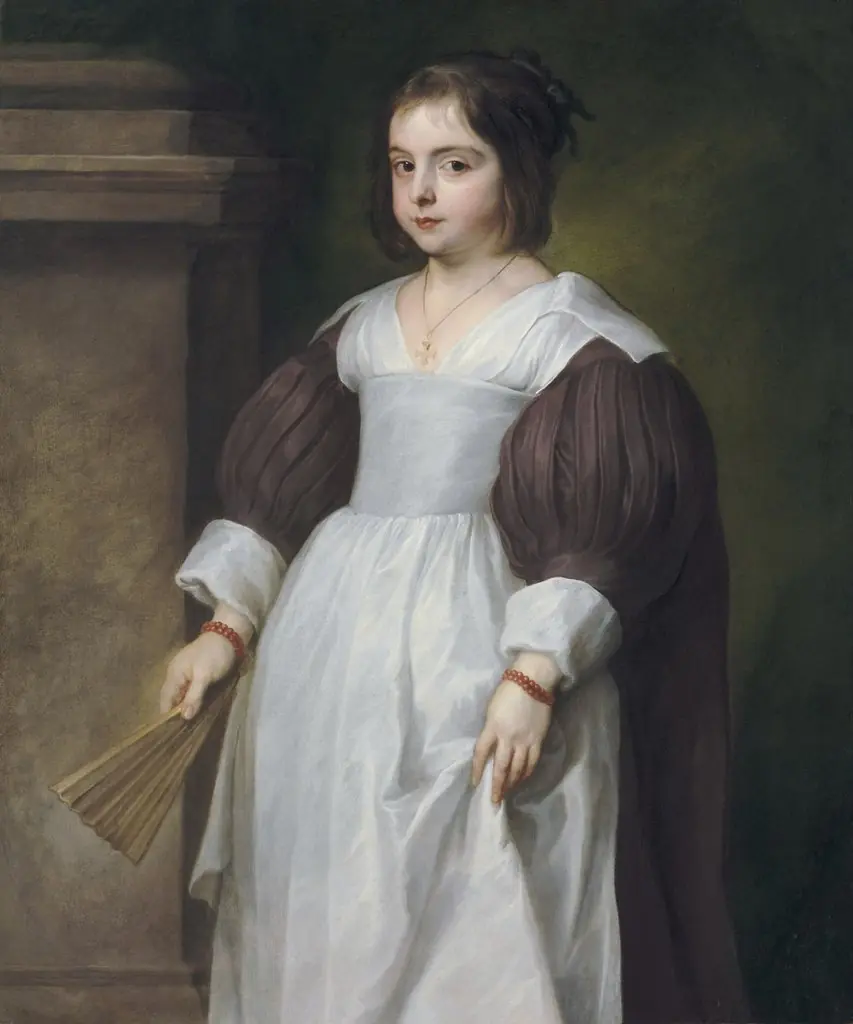 Portrait of a Young Girl
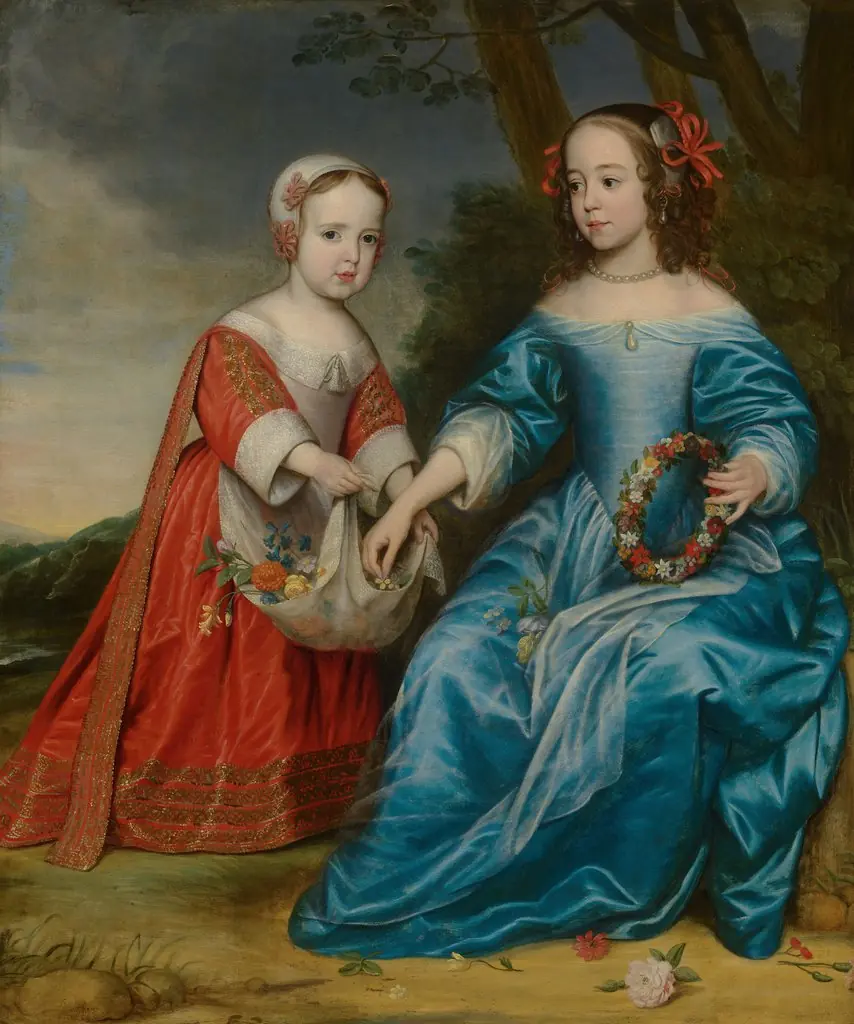 Portrait of William III, Prince of Orange, and Maria, Princess of Orange, as Children
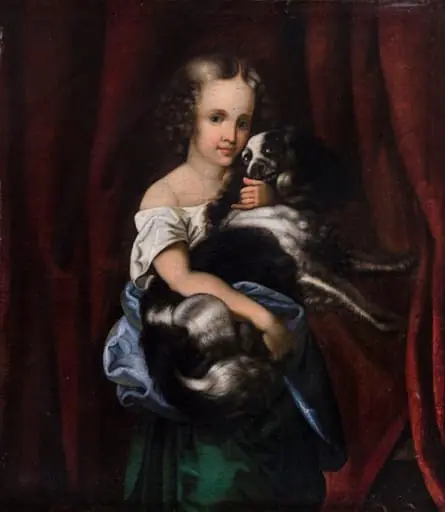 Fetița cu cățel
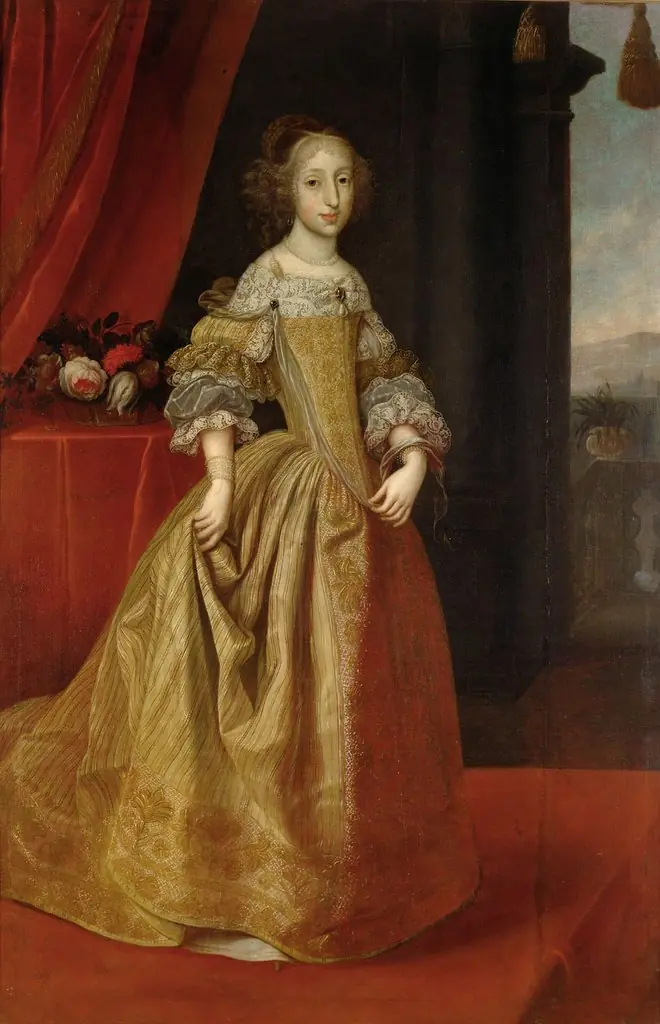 Portrait of Eleanor Maria Josepha of Austria.
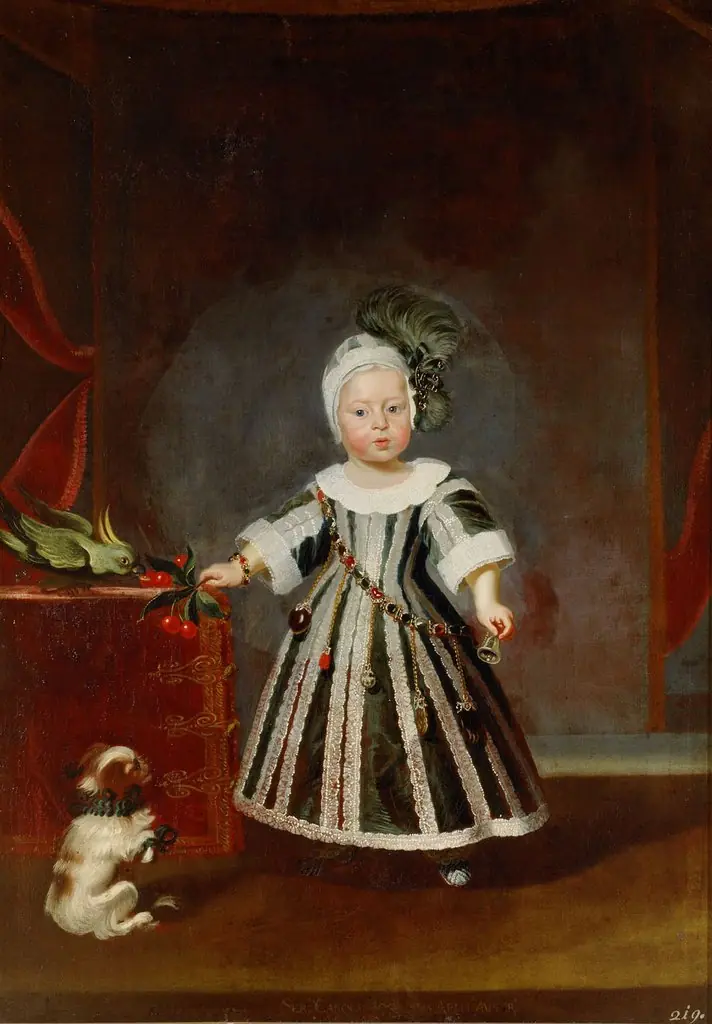 Portrait of Charles Joseph, Archduke of Austria (1745-1761)
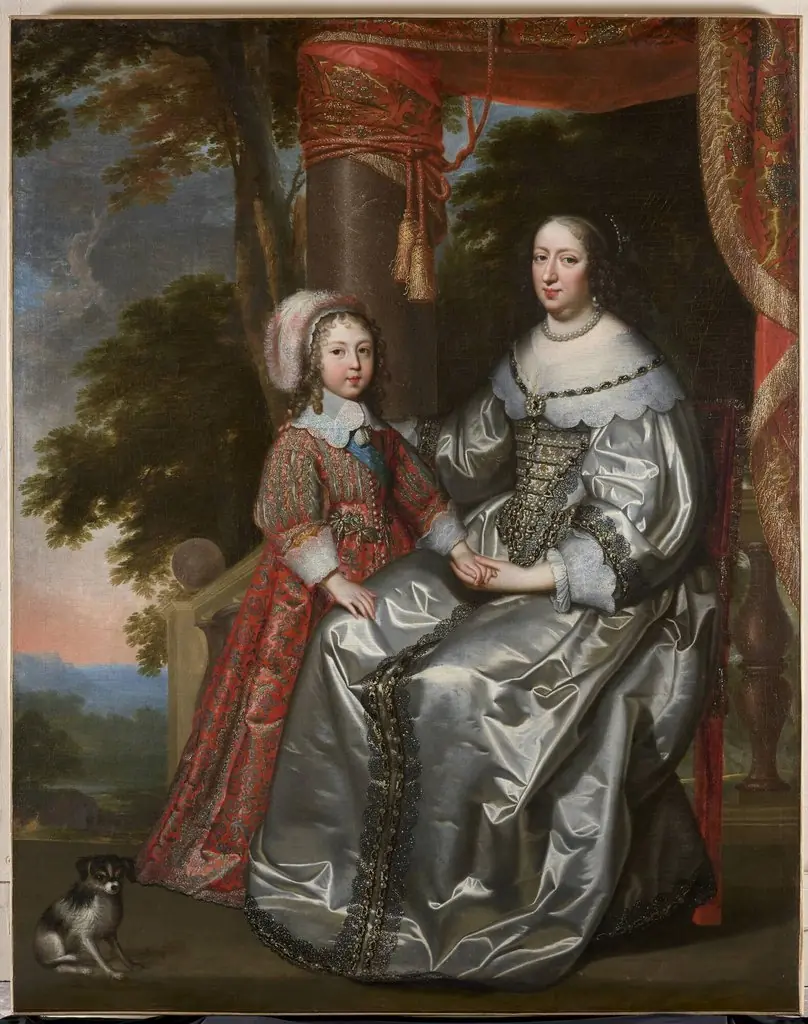 Anne d'Autriche, régente de France, en deuil blanc, et son fils Louis XIV, en robe rouge
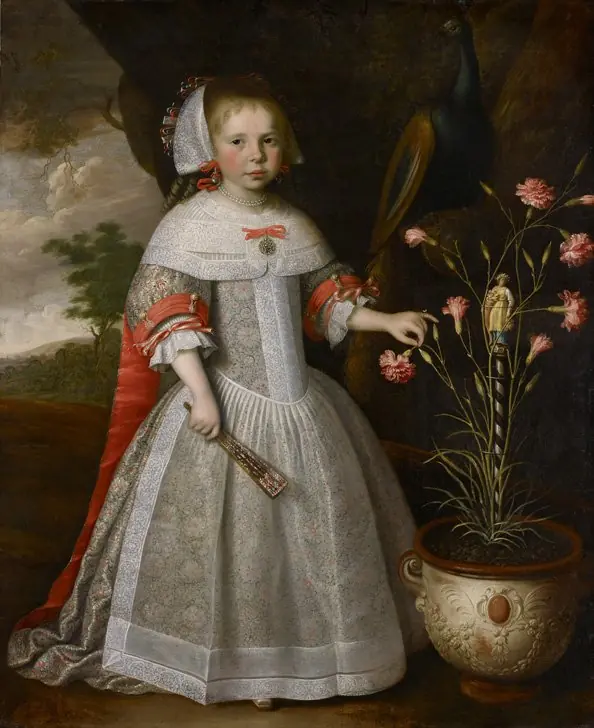 A Four-year-old Girl with a Pot of Carnations
 Duchess of Lennox and Richmond (1622–1685) with her lady’s maid, the dwarf, Anne Shepherd