Artwork
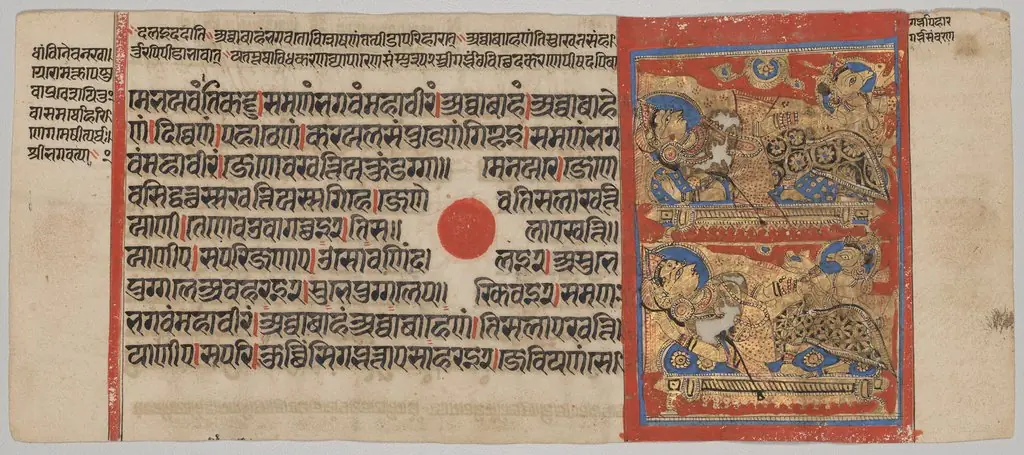
Kalpa-sutra Manuscript with 24 Miniatures: Folio 60, text (recto); Sthulabhadra as a Lion (verso)
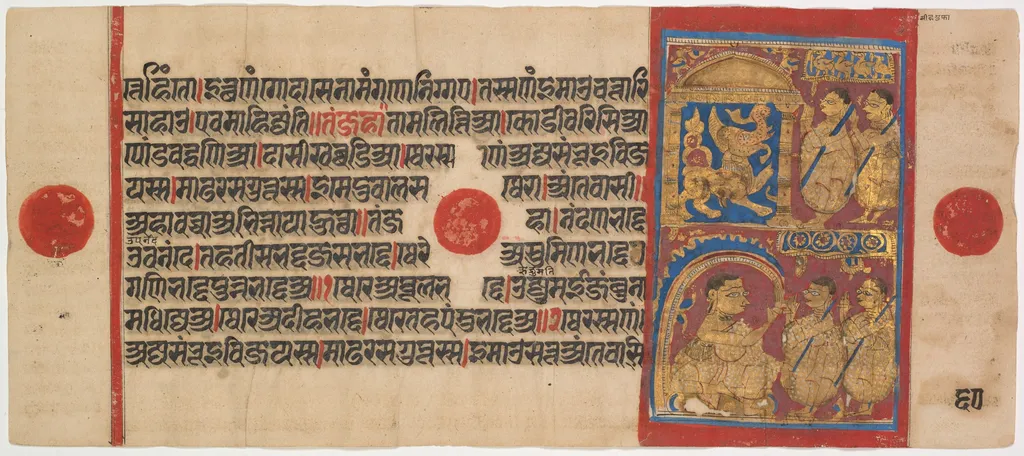
Kalpa-sutra Manuscript with 24 Miniatures: Folio 60, text (recto); Sthulabhadra as a Lion (verso) is an unspecified painting. It dates from 1450 and is held in the collection of the Cleveland Museum of Art. The folio is a double‑sided leaf from a Kalpa‑sutra manuscript containing a series of twenty‑four miniature paintings.
About this work
Overview
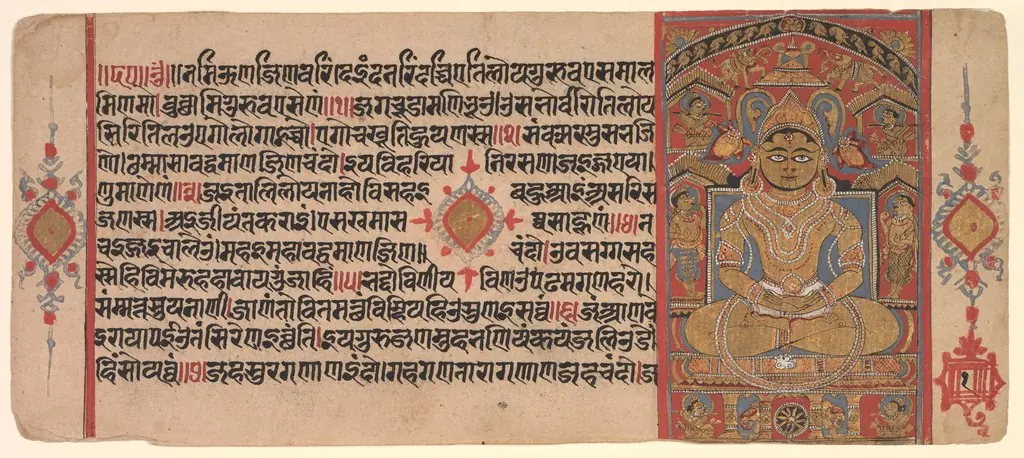
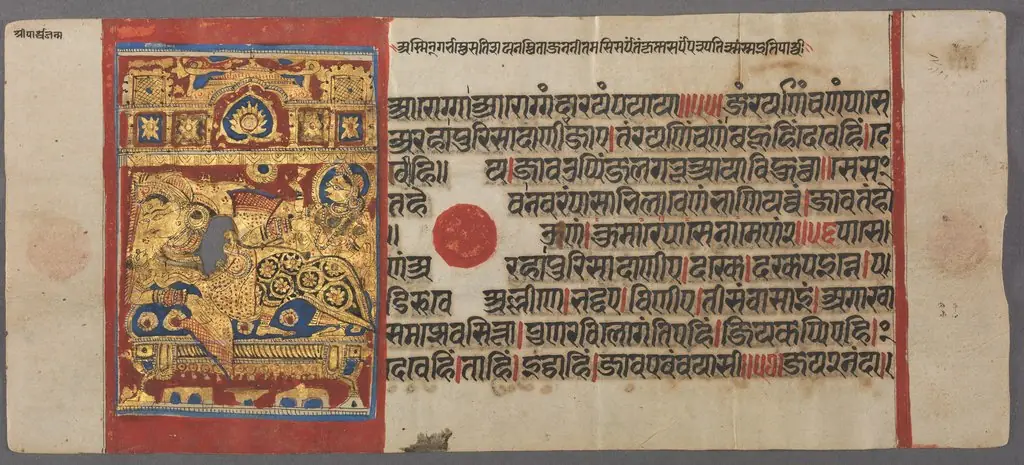
The folio is a double‑sided leaf from a Kalpa‑sutra manuscript containing a series of twenty‑four miniature paintings. The recto bears a line of black script punctuated by red dots, while the verso presents a vivid narrative scene rendered in bright red, blue and gold pigments.
Subject & Meaning
The illustration on the verso depicts the Buddhist monk Sthulabhadra transformed into a lion‑like figure, seated on a throne‑like platform with a staff, accompanied by a standing attendant. Above them, a lion‑creature with human arms occupies a balcony, surrounded by smaller figures in red robes, suggesting a didactic episode from the Kalpa‑sutra.
Technique & Style
The miniature employs mineral pigments applied in bold, flat washes, characteristic of Indian manuscript illumination of the early medieval period. Fine black outlines define the figures, and the use of red dots in the text indicates a scribal practice for emphasizing key terms.
History & Provenance
The manuscript originates from the Indian subcontinent, likely produced between the 8th and 10th centuries CE. It forms part of a larger codex that was eventually acquired by the Cleveland Museum of Art, where it is catalogued among their collection of Buddhist texts and paintings.
Context
Kalpa‑sutras are doctrinal works that outline monastic discipline and ritual. The inclusion of narrative miniatures such as this one served to visually reinforce the teachings, providing a pictorial complement to the accompanying verses.
Artist & collection

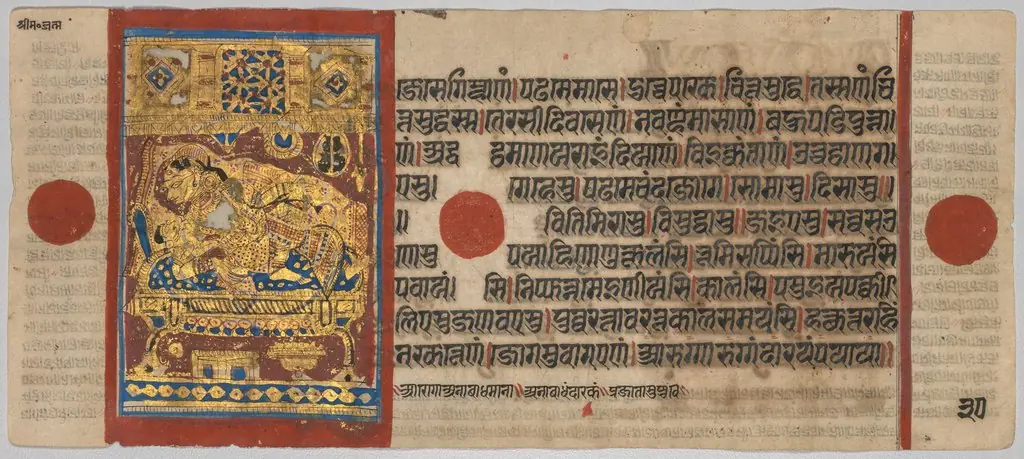 Kalpa-sutra Manuscript with 24 Miniatures: Birth of Rsabhanatha
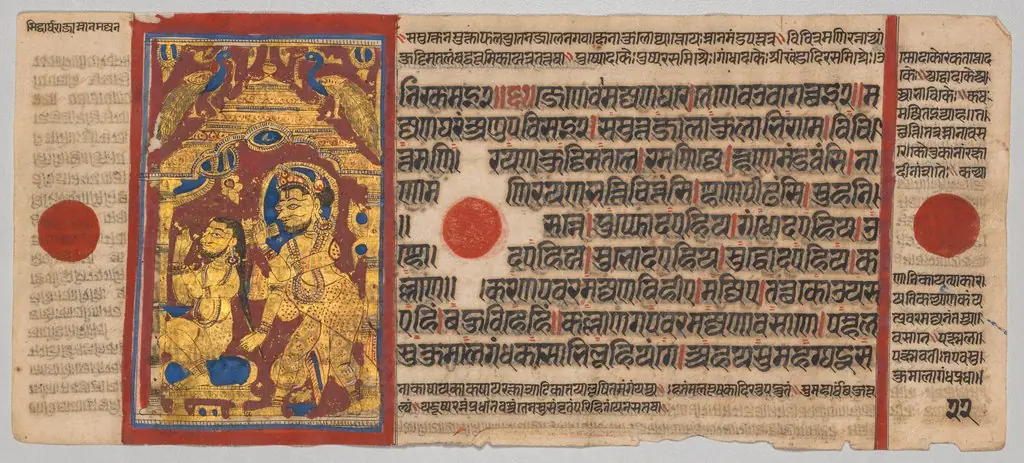 Kalpa-sutra Manuscript with 24 Miniatures: King Siddhartha Rises and Bathes
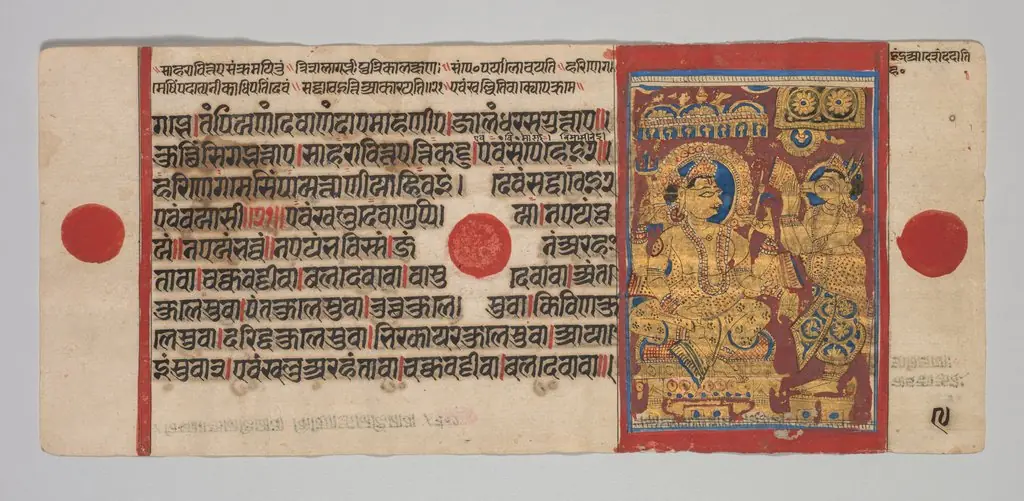 Kalpa-sutra Manuscript with 24 Miniatures: Sakra Summons Harinegamesin
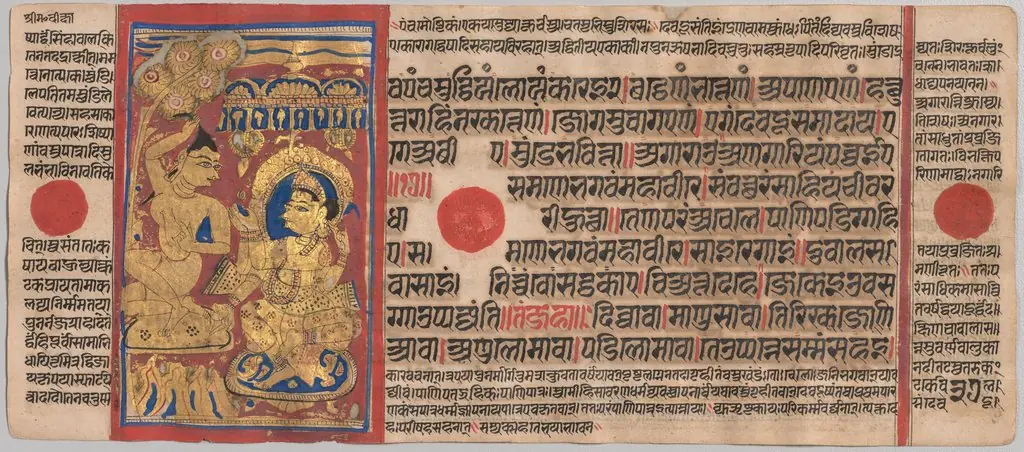 Kalpa-sutra Manuscript with 24 Miniatures: Mahavira's Tonsure
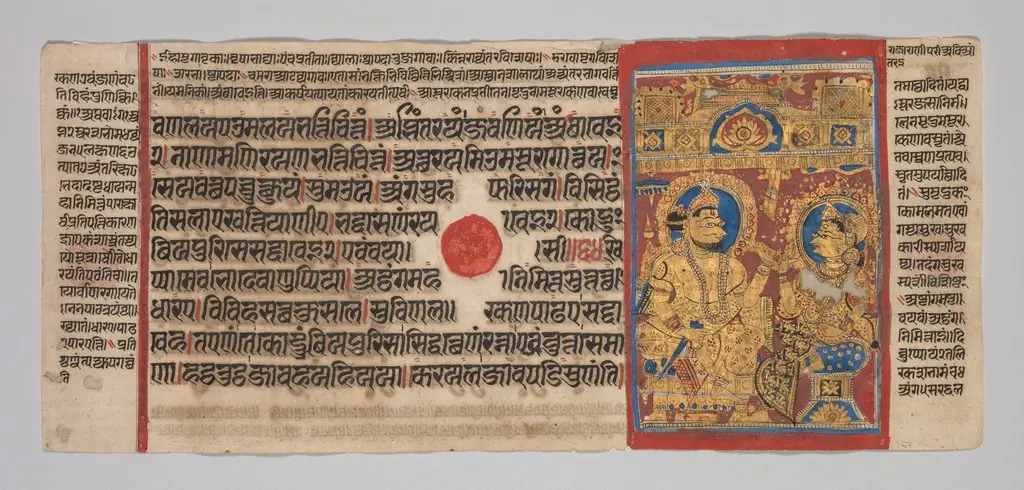 Kalpa-sutra Manuscript with 24 Miniatures: Siddhartha Hears the Recitation of Trisala's Dreams