Artwork
Portrait of Mary, Princess of Orange, Consort of William III
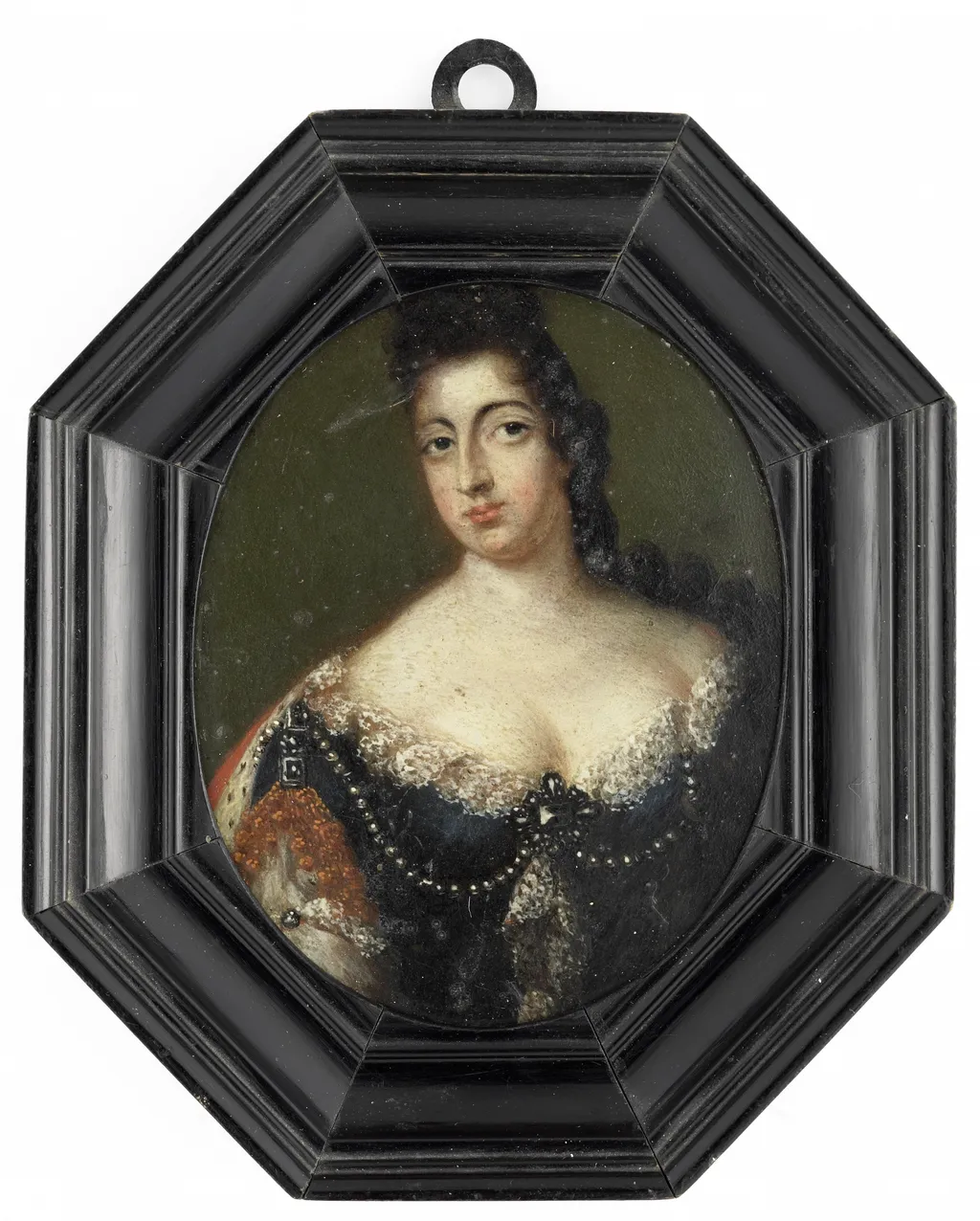
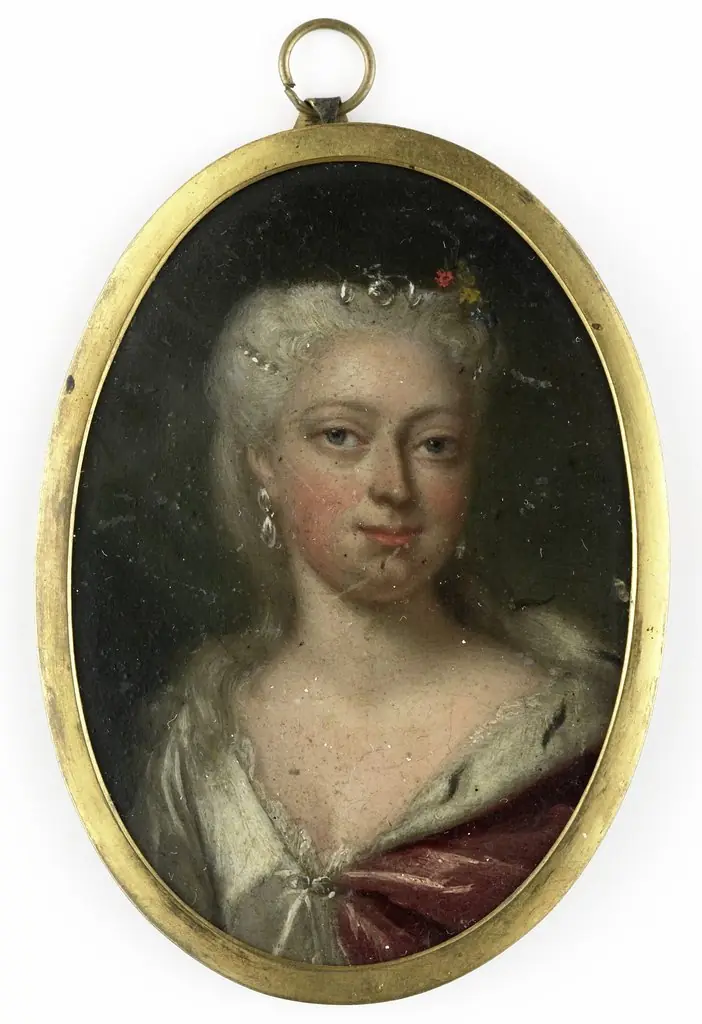
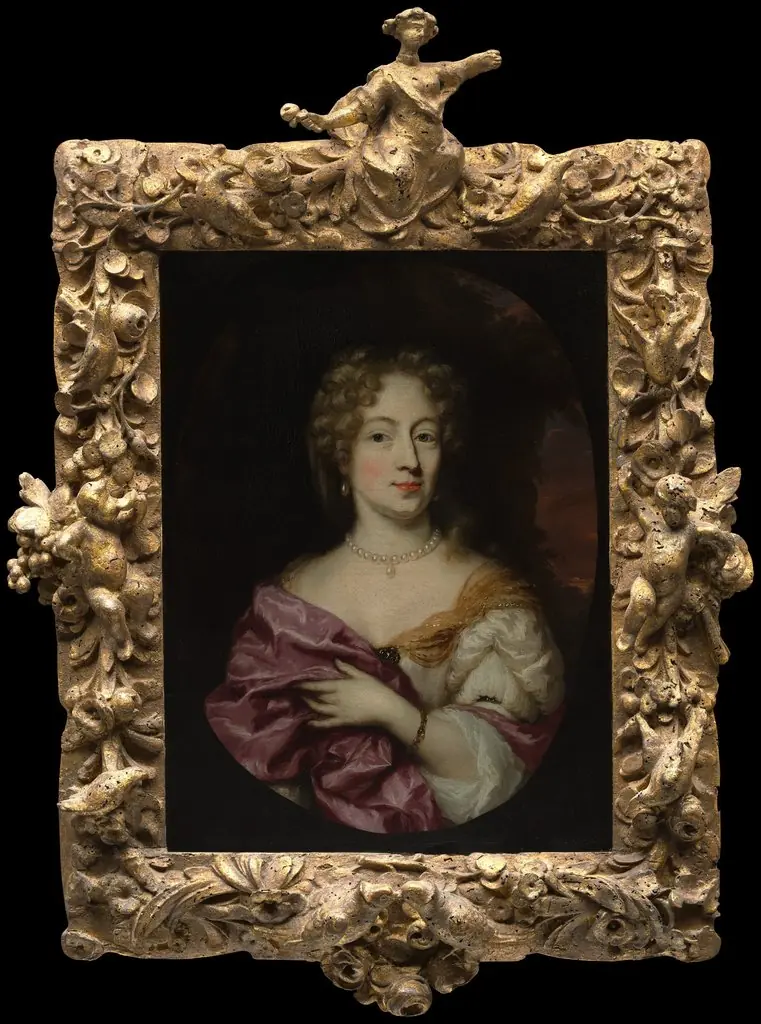
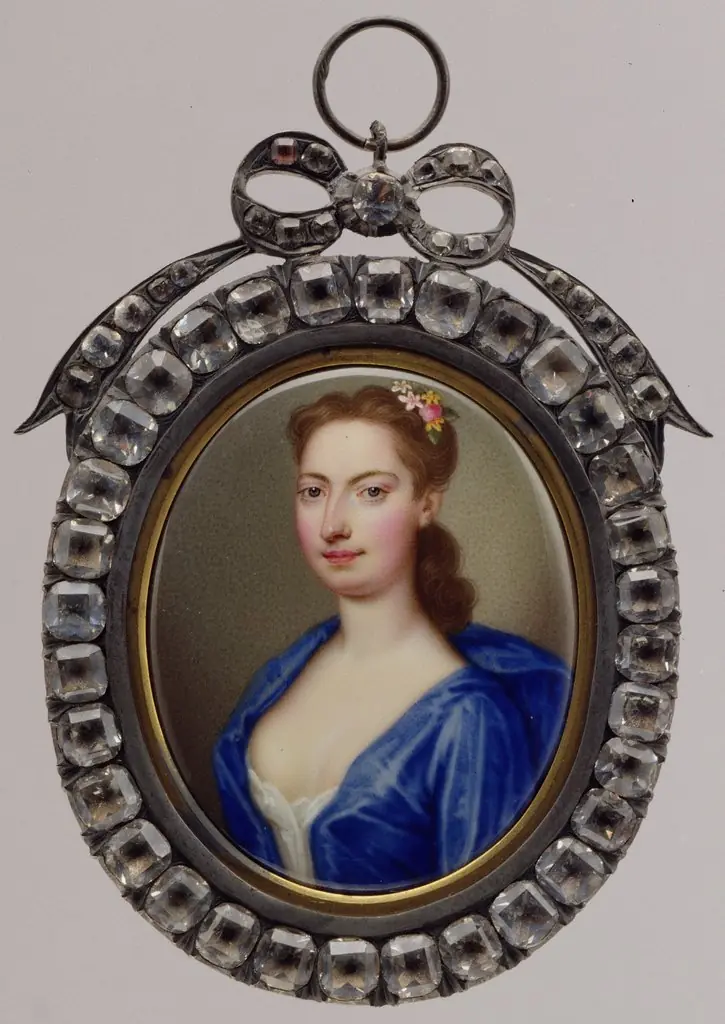
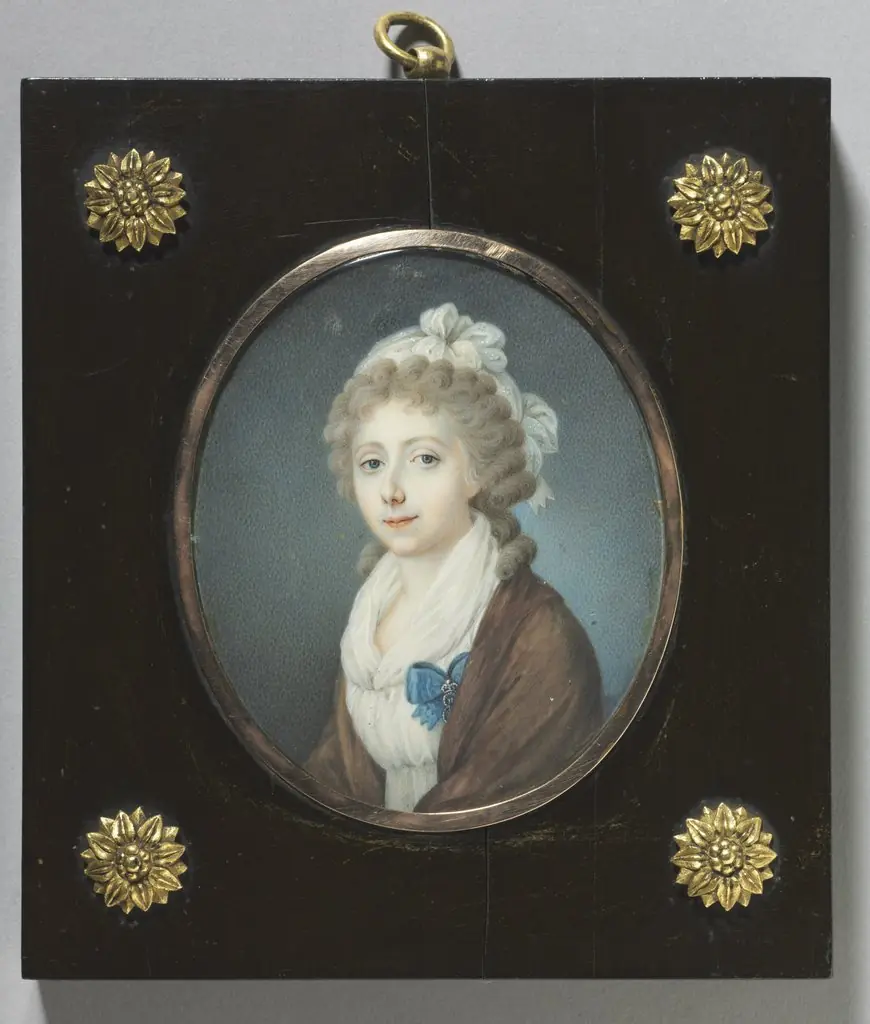
Portrait of Mary, Princess of Orange, Consort of William III is an oil painting. It dates from 1698 and is held in the collection of the Rijksmuseum. The work is a tin portrait depicting a woman with dark hair, dressed in a black gown trimmed with white lace.
About this work
Overview
The work is a tin portrait depicting a woman with dark hair, dressed in a black gown trimmed with white lace. A substantial orange‑and‑white fur drapes over her right shoulder, and the backdrop is rendered in a subdued green hue, indicating a formal, courtly presentation.
Subject & Meaning
The sitter is identified as Mary, Princess of Orange, consort of William III. Her attire and the luxurious fur suggest her high rank and the portrait’s purpose to affirm her status within the Dutch and English royal families.
Technique & Style
Executed on tin, the painting employs a limited palette that emphasizes contrast between the dark dress and the light lace, while the muted green background provides a calm setting. The use of tin as a support reflects a practice common in the late 17th century for durable, portable portraits.
History & Provenance
The portrait’s provenance traces to the Dutch royal collection, where it likely remained in private holdings before entering public view. Documentation links the work to the period of Mary’s marriage to William III, situating its creation in the late 1600s.
Context
Mary, born a princess of the House of Orange, married William III of England, linking the Dutch Republic and the English throne. Portraits such as this served diplomatic and dynastic functions, reinforcing alliances and presenting the consort’s image to both courts.
Artist & collection