Artwork
Woman in Black
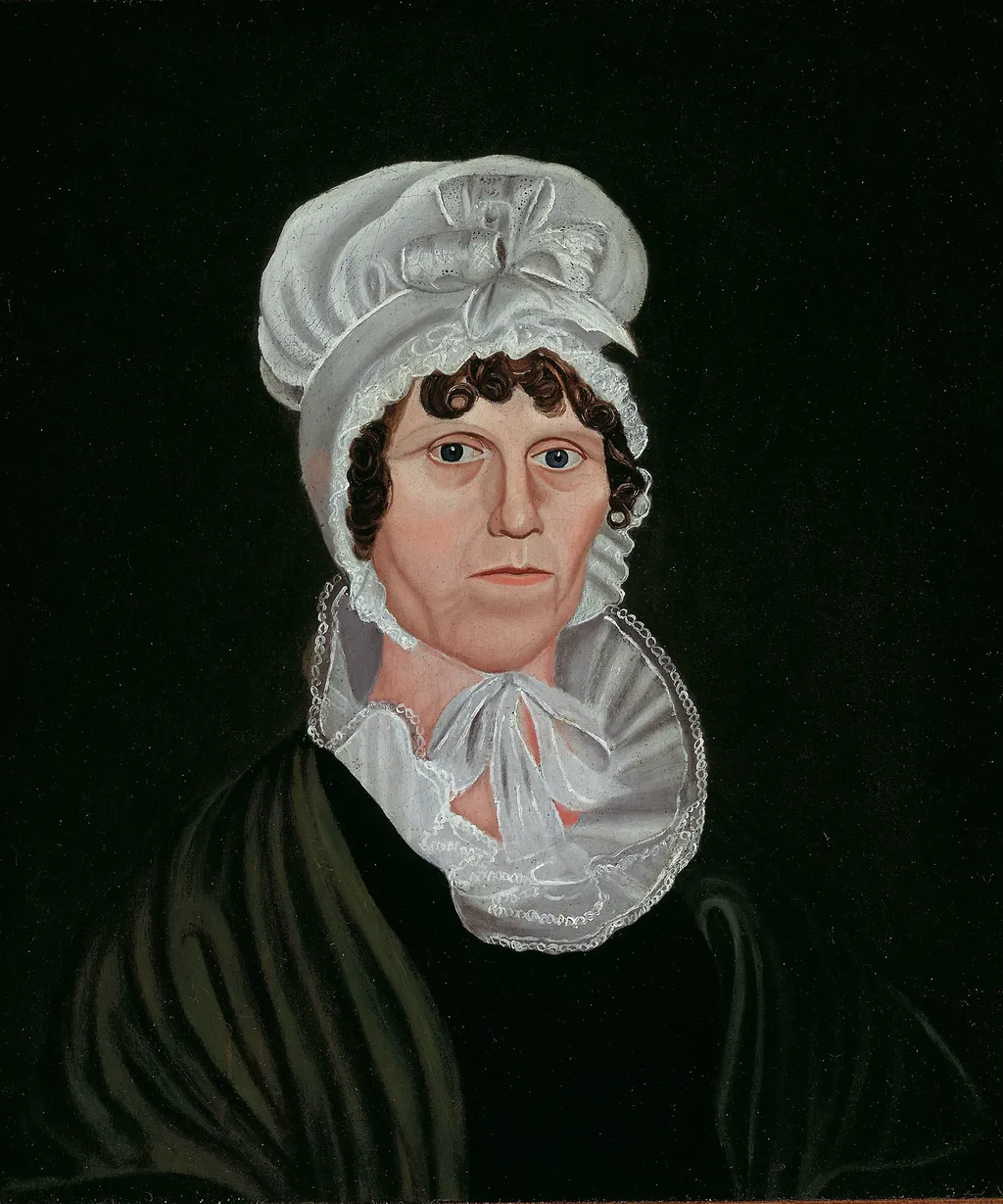
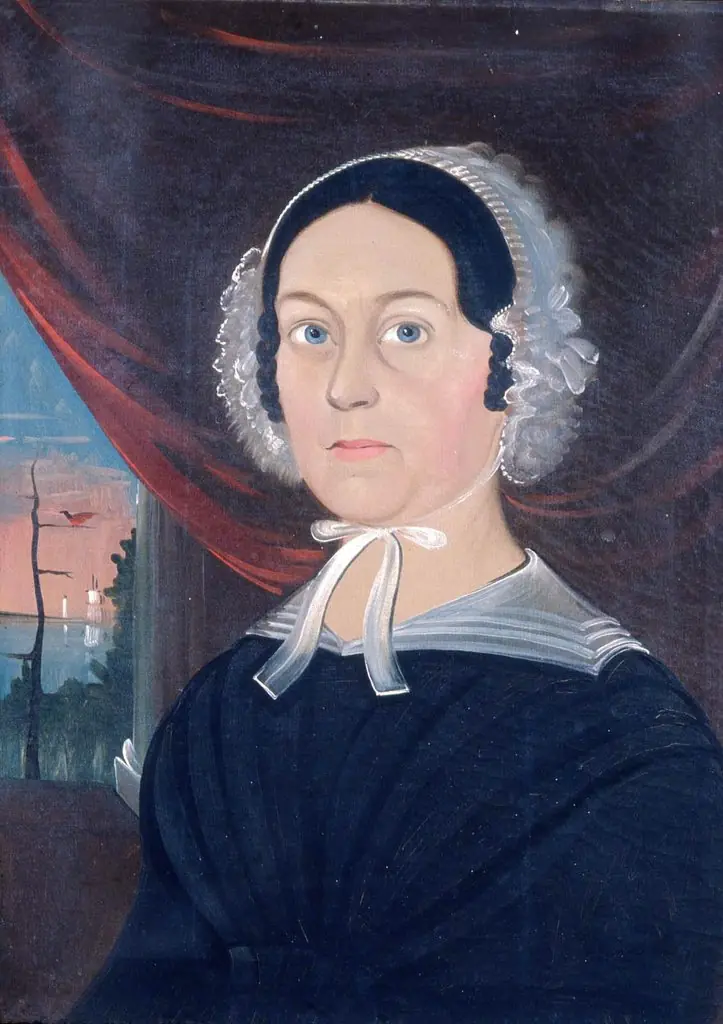
Woman in Black is an oil painting by the Realist artist Unknown. It dates from 1830 and is held in the collection of the Art Institute of Chicago. This oil painting depicts a woman in full-length portrait, dressed entirely in black with a white bonnet and lace collar.
About this work
The use of oil paint and the artist's attention to detail are evident in the rendering of the subject's features and clothing.
This portrait features a woman dressed in black, adorned with a white bonnet and lace collar. Her dark, curly hair is visible beneath the bonnet, and she gazes directly at the viewer with a neutral expression. The background of the painting is a solid black, which contrasts with the subject's attire. The woman's clothing and hairstyle suggest that the portrait was created in the early 19th century. The use of oil paint and the artist's attention to detail are evident in the rendering of the subject's features and clothing.
Overview
This oil painting depicts a woman in full-length portrait, dressed entirely in black with a white bonnet and lace collar. The background is uniformly dark, eliminating contextual details and focusing attention on the figure. Her direct gaze and composed posture convey quiet presence. The medium and meticulous rendering of fabric and hair suggest a deliberate, refined approach typical of early 19th-century portraiture.
Subject & Meaning
The woman’s attire, characterized by somber black and precise white accents, aligns with mourning dress conventions of the period. Her neutral expression and unadorned demeanor suggest restraint, possibly reflecting personal grief or societal expectations of modesty. The direct eye contact invites engagement without emotional display, emphasizing dignity over sentimentality.
Technique & Style
Oil paint is used with careful layering to capture the texture of lace, the sheen of silk, and the softness of curled hair beneath the bonnet. The artist avoids broad brushwork, favoring subtle transitions and fine detail. The solid black background enhances the figure’s form through contrast, a compositional choice that isolates the subject and heightens visual focus.
History & Provenance
The painting’s origin and artist remain undocumented, though its style and materials are consistent with early 1800s European or American portraiture. No record of its original commission or early ownership exists. It entered public collection in the 20th century, likely through acquisition or donation, but its prior history is unverified.
Context
In the early 19th century, portraiture often served to convey social status, moral character, or familial identity. Mourning attire was common after the death of a loved one, and such portraits were sometimes commissioned as memorials. The absence of props or setting reflects a shift toward intimate, psychologically focused depictions rather than elaborate symbolic narratives.
Legacy
Though unsigned and unattributed, the painting exemplifies a quiet tradition of domestic portraiture that prioritized emotional restraint and material precision. It contributes to the understanding of how ordinary individuals were represented in an era when formal portraiture was largely reserved for the elite. Its endurance in collections reflects an appreciation for understated realism.
Artist & collection

 Domestic Scene
 Giacomo and Cardinal Marco, investing Andrea, Abbot of San Zeno, with his Benefice
 The Nymph of Fontainebleau
 Portrait of a Woman
 Madonna and Child with Saints in the Enclosed Garden
 Venus and Minerva
 Family Group of Four on Sofa
 Wall painting from Room H of the Villa of P. Fannius Synistor at Boscoreale
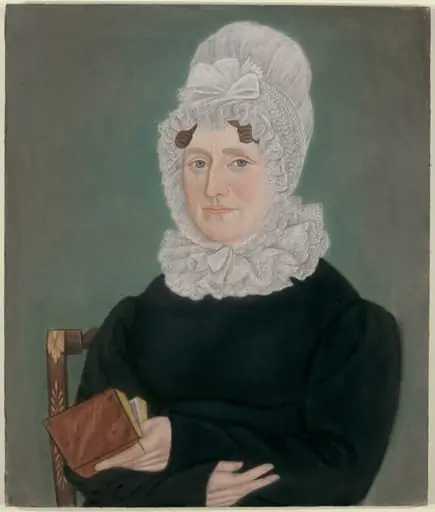 Portrait of a Woman with a Lace Cap
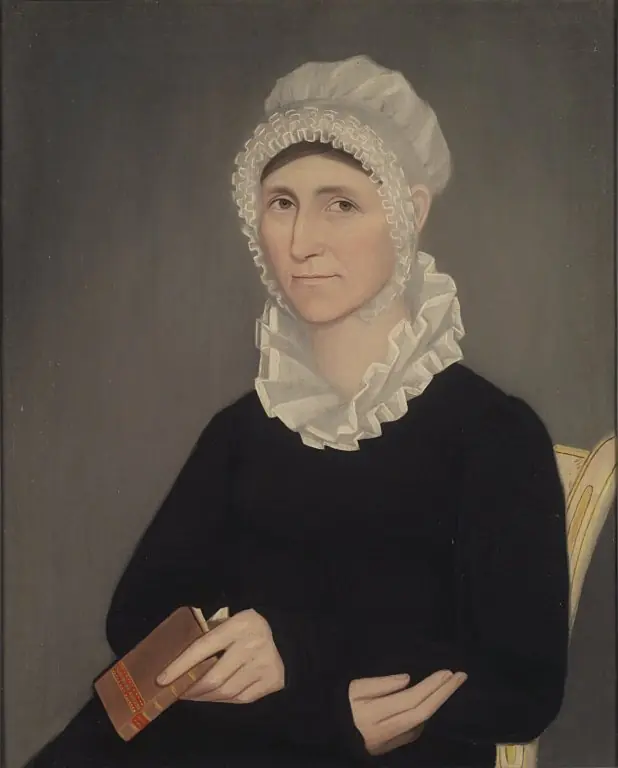 Betsey Beckwith
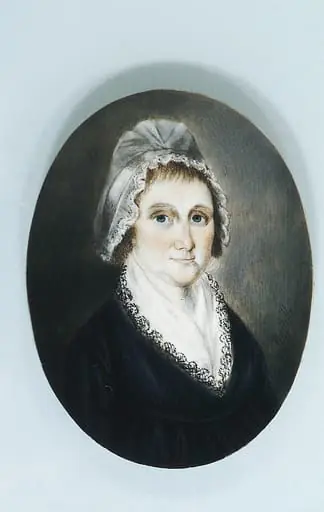 Mrs. Joseph White (Elizabeth Stone)
 Jane Daney Smith
 Portrait of Aniela Andrychewicz née Rudowska
 Jane Roberts (Garn Fawr)
 Portrait of a Lady
 Portrait of a Woman
 Portrait of Lois Belding Ketcham
 Sally Avery Olds; Nathaniel Olds
 Mrs. Phebe Houston
 Lady with Black Hair