Artwork
Painting, from the set "The Four Accomplishments"
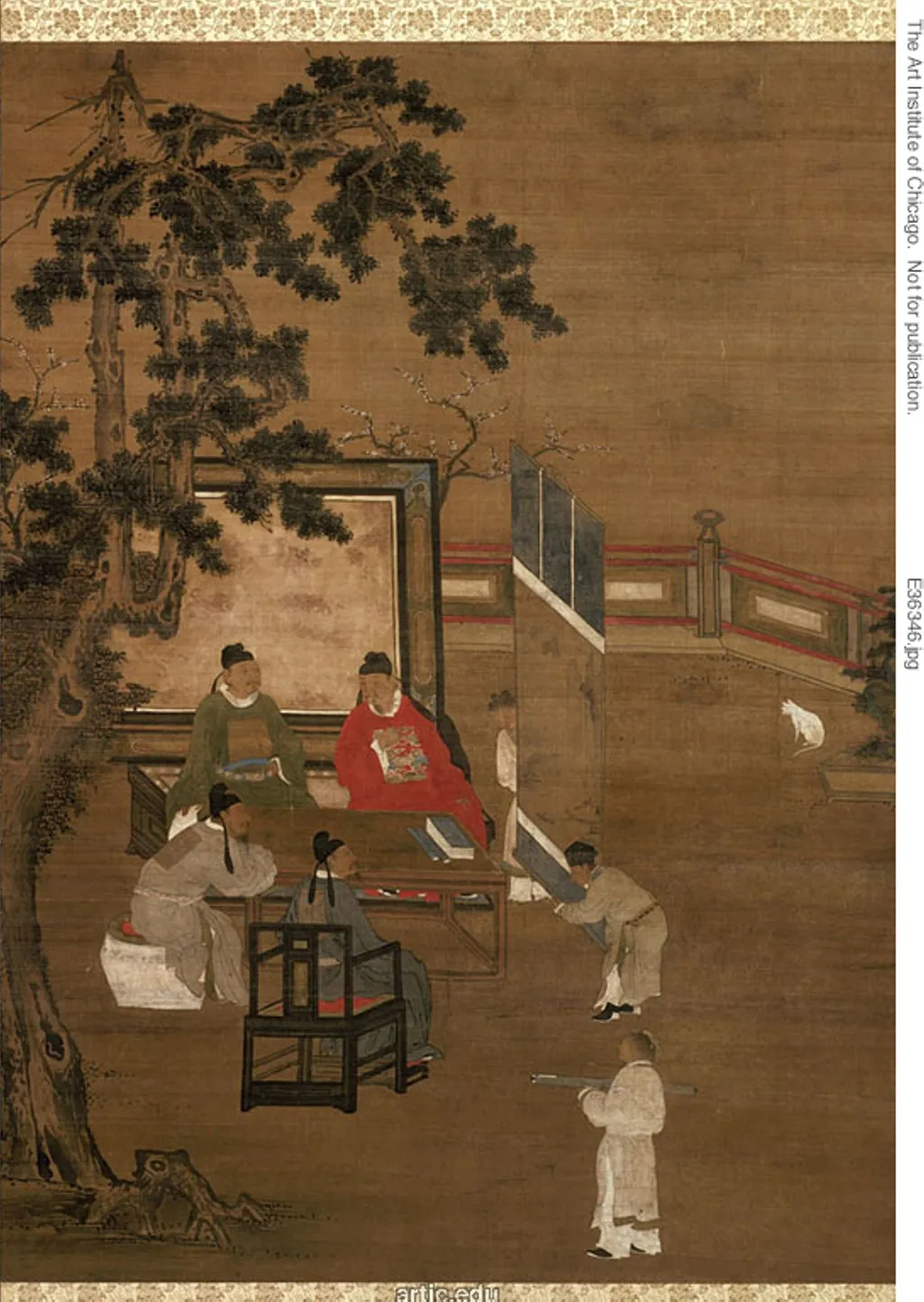
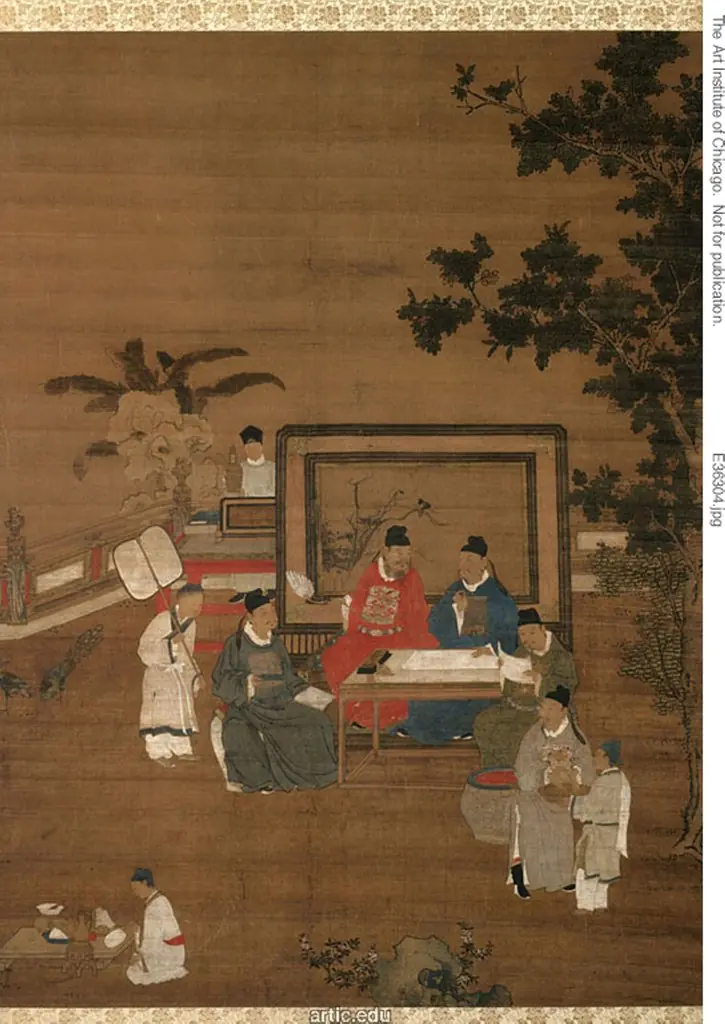
Painting, from the set "The Four Accomplishments" is an unspecified painting by the Mannerist artist Unknown. It dates from 1599 and is held in the collection of the Art Institute of Chicago.
About this work
Overview
This painting is one of four works in a series titled 'The Four Accomplishments,' each representing a classical pursuit of scholarly elites in East Asia.
This painting is one of four works in a series titled 'The Four Accomplishments,' each representing a classical pursuit of scholarly elites in East Asia. The scene unfolds in a tranquil courtyard, where figures are arranged around a central figure at a desk. The composition emphasizes stillness and contemplation, with architectural elements and natural foliage framing the participants in a balanced, harmonious setting.
Subject & Meaning
The figures represent scholars engaged in the literary arts, a core accomplishment among the educated class. The man at the desk is likely composing poetry or calligraphy, while others observe or converse quietly. The white rabbit in the background, though seemingly incidental, may symbolize purity, gentleness, or the presence of the natural world within cultivated spaces, subtly reinforcing ideals of harmony between human endeavor and nature.
Technique & Style
The painting employs fine brushwork and muted, earth-toned pigments to create a restrained elegance. Spatial depth is suggested through layered architecture and receding trees, while figures are rendered with delicate precision, their postures conveying quiet focus. The absence of dramatic lighting or movement supports a meditative tone, characteristic of literati aesthetics that valued restraint over spectacle.
History & Provenance
The painting originates from a late imperial Chinese set, likely produced in the 17th or 18th century for a scholarly or aristocratic patron. Its survival as part of a complete series suggests it was carefully preserved, possibly within a private collection or temple library. No definitive record of its early ownership exists, but its style aligns with regional workshops known for producing didactic or ceremonial art for elite audiences.
Context
The 'Four Accomplishments'—music, chess, calligraphy, and painting—were essential skills for Confucian scholars, reflecting cultural refinement and moral cultivation. This work corresponds to the literary branch, emphasizing writing as both an art and a moral practice. The inclusion of a rabbit, an uncommon motif in such scenes, may reflect regional symbolism or the artist’s personal touch, distinguishing it from more formulaic depictions of scholarly life.
Legacy
As part of a broader tradition of literati art, this painting contributes to the enduring visual language of scholarly ideals in East Asia. While not widely reproduced or publicly celebrated, its quiet composition and symbolic details offer insight into how intellectual pursuits were framed within domestic and natural environments. It remains a quiet testament to the aesthetic values of a class that shaped cultural norms for centuries.
Artist & collection

 Domestic Scene
 Giacomo and Cardinal Marco, investing Andrea, Abbot of San Zeno, with his Benefice
 The Nymph of Fontainebleau
 Portrait of a Woman
 Madonna and Child with Saints in the Enclosed Garden
 Venus and Minerva
 Family Group of Four on Sofa
 Wall painting from Room H of the Villa of P. Fannius Synistor at Boscoreale
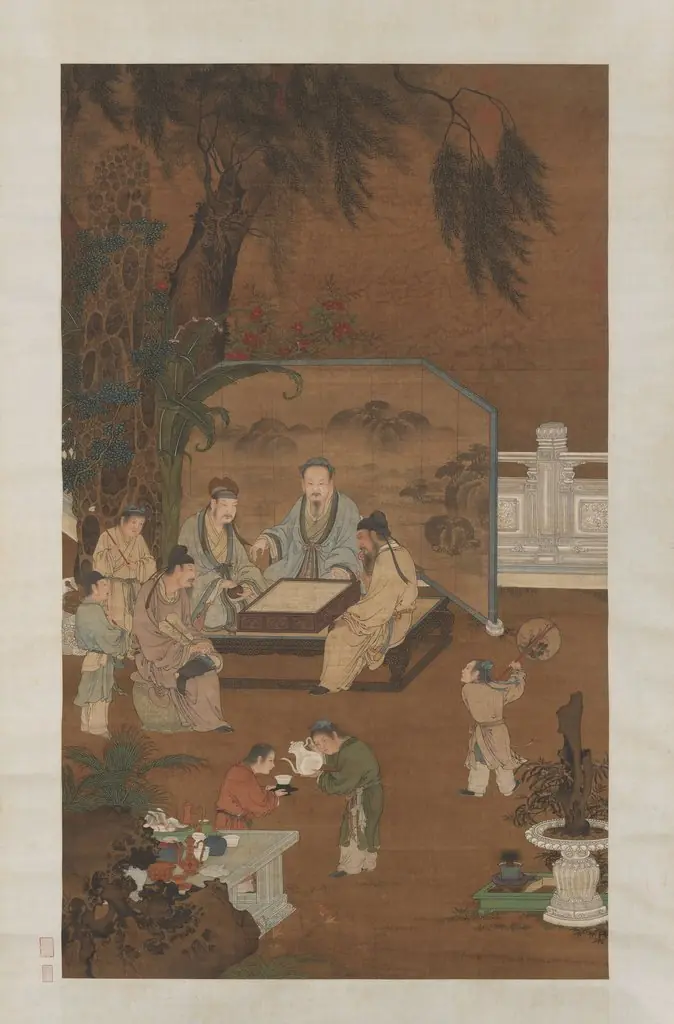 The Eighteen Scholars
 元末明初 佚名 絹本設色 嬰戯圖 軸|Children playing in the palace garden
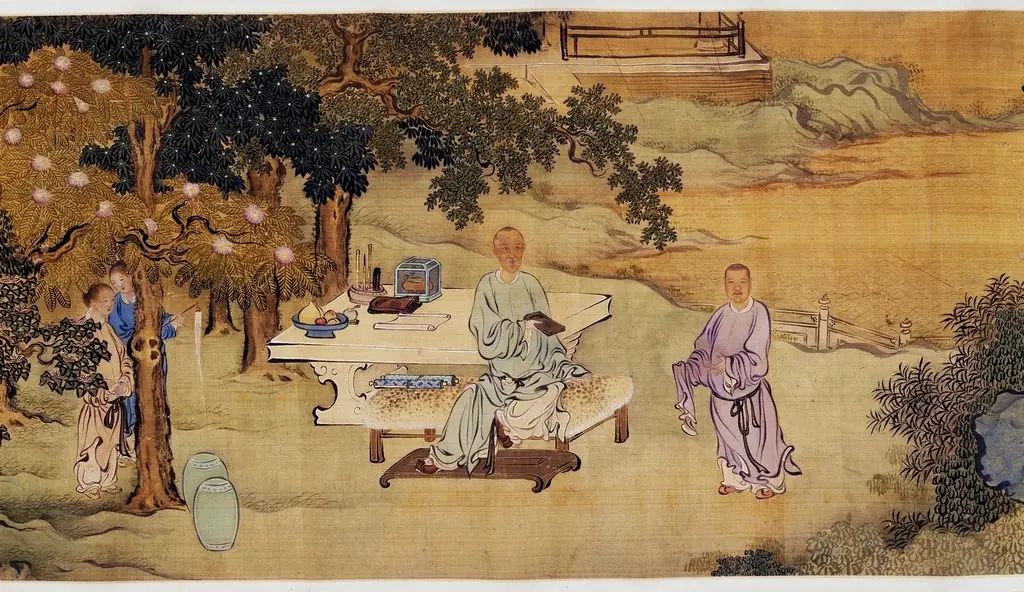 Handing over the Inkstone by the Western Pond.
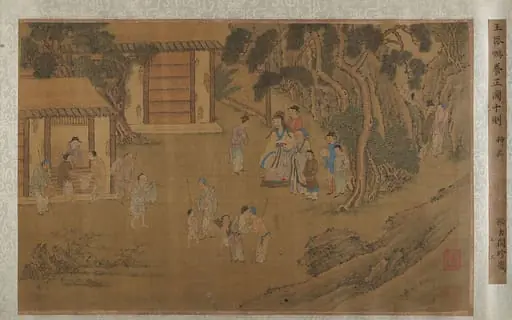 明/清 佚名 舊傳王振鵬 養正圖 卷|Family Training
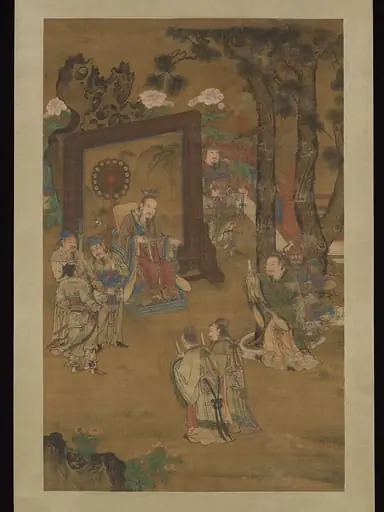 明 劉俊 納諫圖 軸|Remonstrating with the emperor
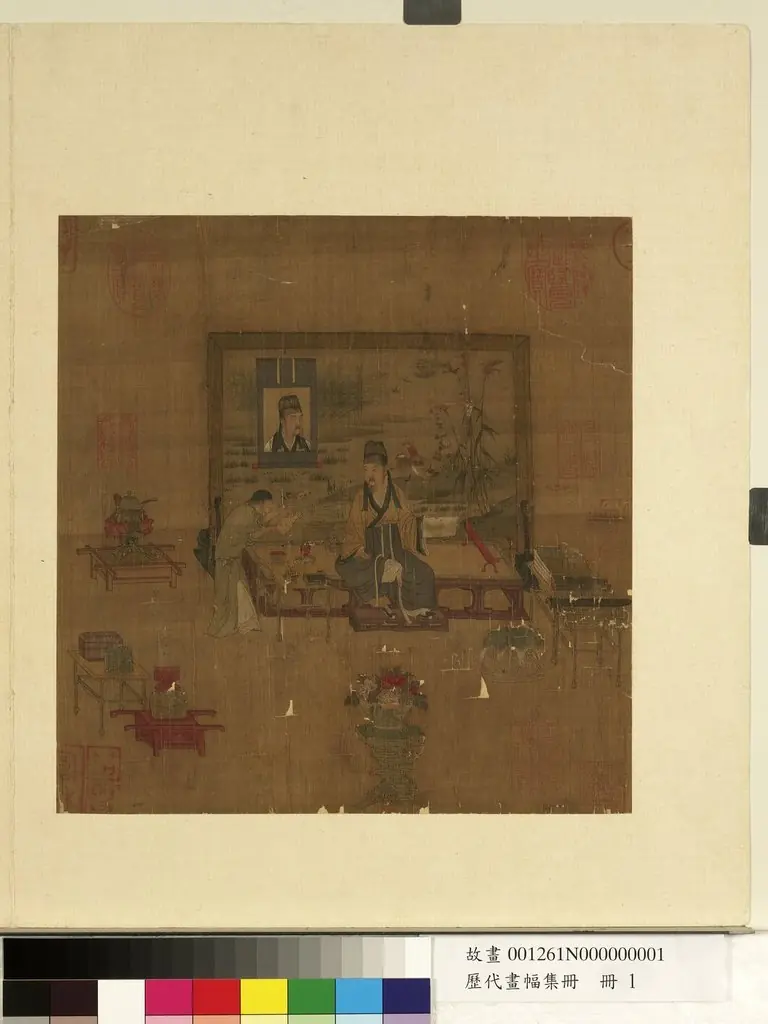 無款人物(歷代畫幅集冊)
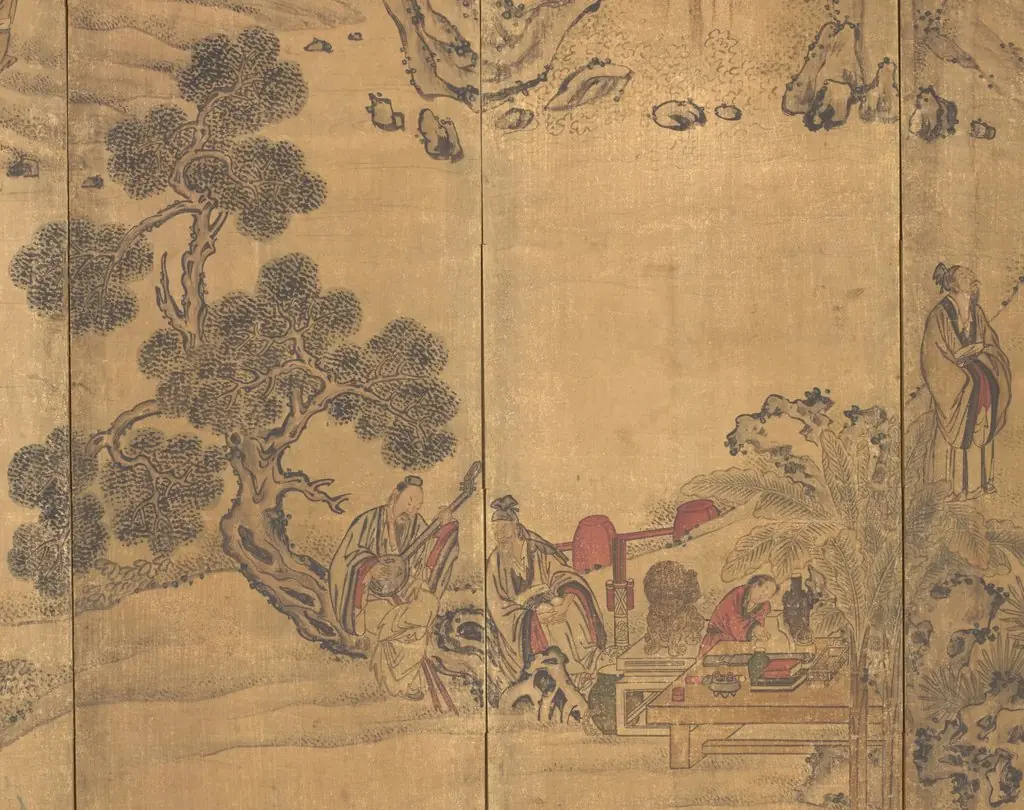 Elegant Gathering in the Western Garden
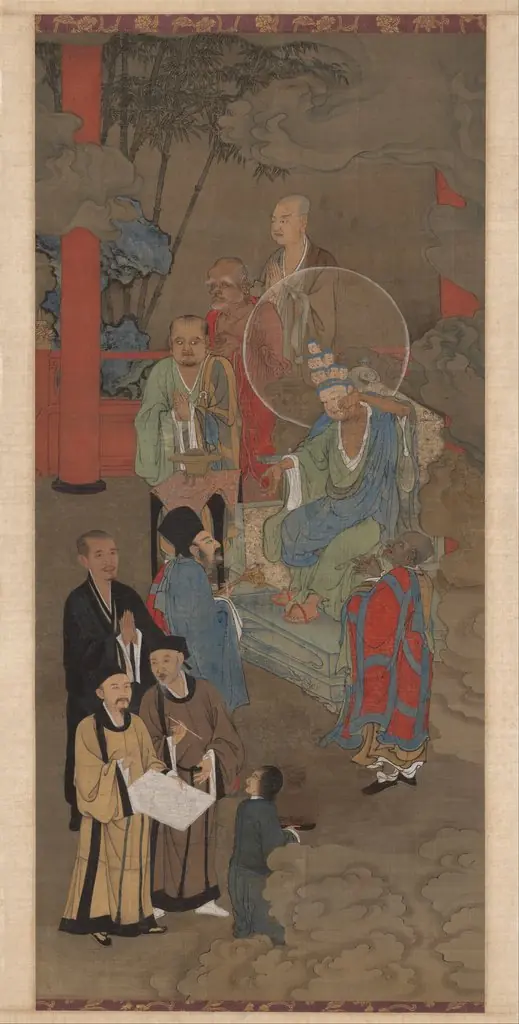 Lohan manifesting himself as an eleven-headed Guanyin
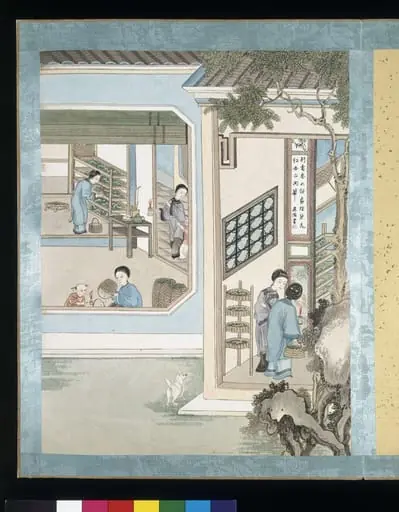 Keeping the Silkworms Warm
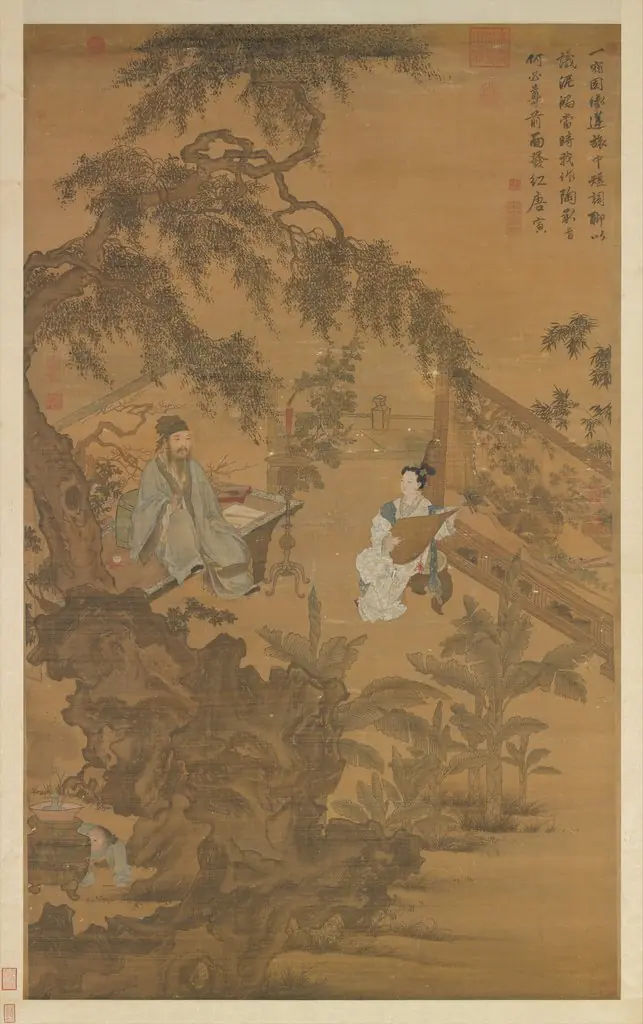 Tao Gu Presenting a Lyric
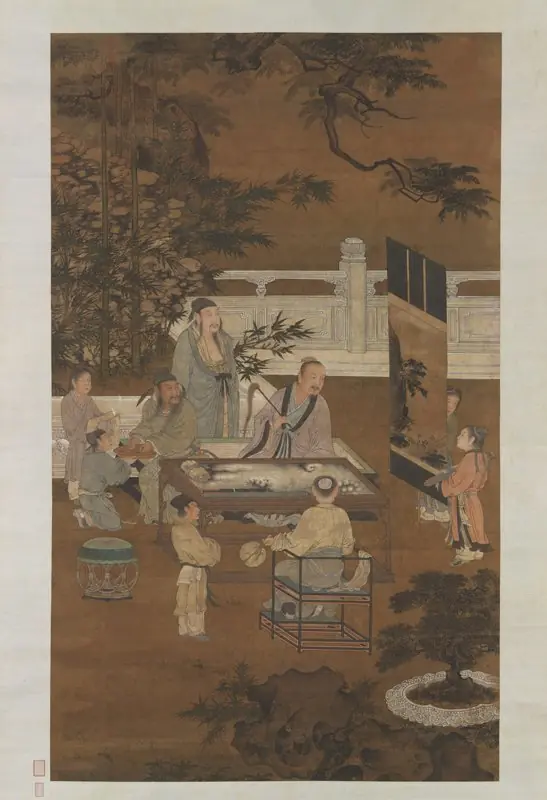 The Eighteen Scholars (Painting)
 Calligraphy, probably from the set "The Four Accomplishments"