Artwork
Caspar David Friedrich
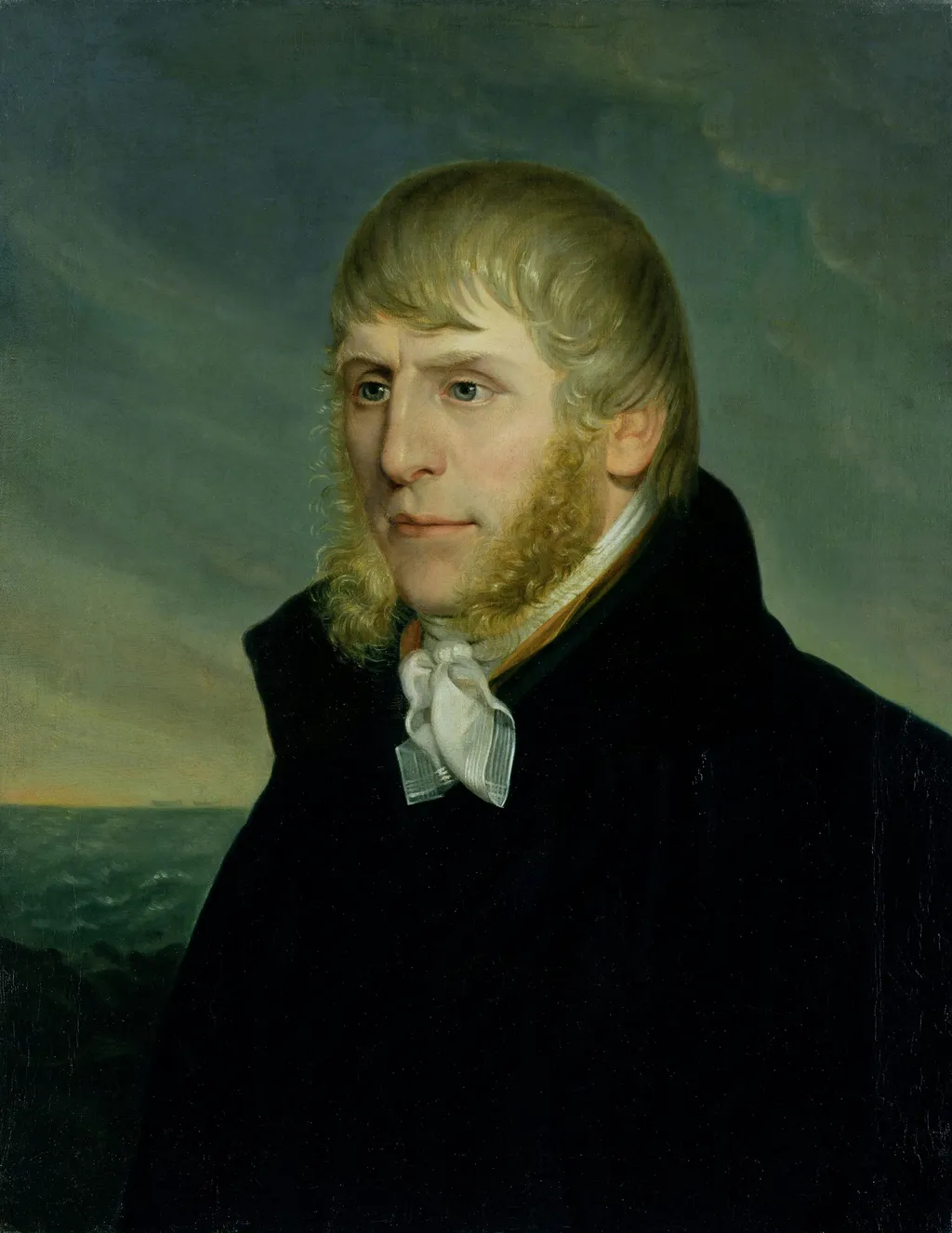
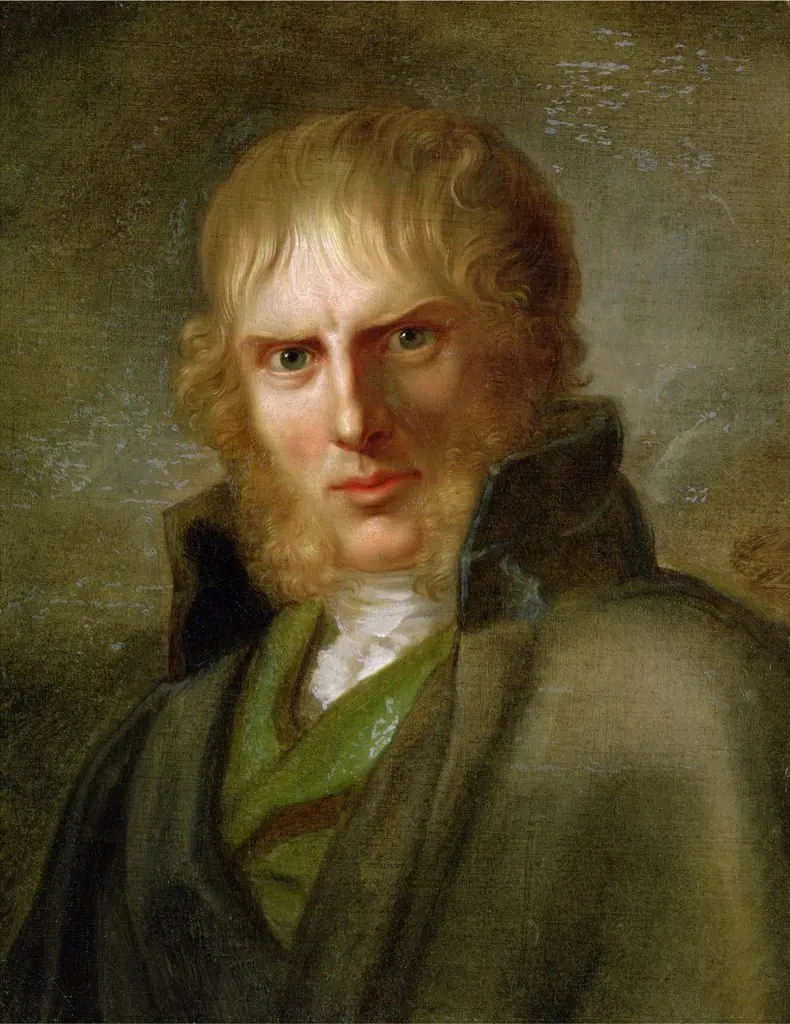
Caspar David Friedrich is an oil painting by the German Romanticist artist Unknown. It dates from 1810 and is held in the collection of the Hamburger Kunsthalle.
About this work
Overview
The figure’s posture and gaze suggest introspection, aligning with Friedrich’s broader interest in inner experience over external drama.
This oil painting by Caspar David Friedrich depicts a solitary male figure against a muted sky and water. The subject is rendered with careful attention to texture and light, emphasizing his stillness and isolation. The composition avoids narrative detail, focusing instead on mood and presence. The figure’s posture and gaze suggest introspection, aligning with Friedrich’s broader interest in inner experience over external drama.
Subject & Meaning
The man, identified as Friedrich’s brother Christian, is portrayed without ornament or context, inviting contemplation rather than identification. His neutral expression and averted gaze evoke quiet solitude, a recurring theme in Friedrich’s work. The absence of clear symbolism shifts focus to the emotional weight of presence itself, reflecting Romantic ideals of individual consciousness and the sublime in stillness.
Technique & Style
Friedrich employed thick, visible brushwork to model the figure’s coat and cravat, enhancing tactile presence against the softer, blended sky. Chiaroscuro defines the contours of the face and shoulders, lending volume without theatricality. The palette is restrained—dark tones ground the figure, while the pale sky and water create a hazy, atmospheric expanse. Texture is used deliberately to contrast human form with the immensity of nature.
History & Provenance
Painted around 1809–1810, this portrait was likely a private commission or personal study, not intended for public exhibition. It remained in Friedrich’s possession until his death, later entering a private collection before being acquired by a public museum. Its survival as a relatively intimate work contrasts with his more widely known landscapes, offering insight into his early figurative practice.
Context
Created during the height of German Romanticism, the painting reflects a cultural turn toward subjectivity and emotional depth. While contemporaries often depicted heroic or historical figures, Friedrich chose quiet, unadorned individuals. This work aligns with his rejection of Enlightenment rationalism, favoring instead the spiritual resonance of solitude and the natural world as a mirror for inner life.
Legacy
Though less celebrated than Friedrich’s landscapes, this portrait reveals his consistent preoccupation with human presence within vast, indifferent spaces. It influenced later artists exploring psychological depth through minimalism and atmospheric framing. The painting stands as a quiet testament to his belief that emotion could be conveyed not through action, but through stillness and subtle light.
Artist & collection

 Domestic Scene
 Giacomo and Cardinal Marco, investing Andrea, Abbot of San Zeno, with his Benefice
 The Nymph of Fontainebleau
 Portrait of a Woman
 Madonna and Child with Saints in the Enclosed Garden
 Venus and Minerva
 Family Group of Four on Sofa
 Wall painting from Room H of the Villa of P. Fannius Synistor at Boscoreale
 Portrait of Mikołaj Tyrchowski, professor at St. Anne's Secondary School
 Walter Herron
 Joseph Warren Revere
 Portrait of the Artist
 Josef Mayer Freiherr von und zu Gravenegg
 Portrait of Laurens de Witte van Citters, Father of Jhr. J de Witte van Citters (who bequeathed a number of family portraits to the museum)
 Henry Clay
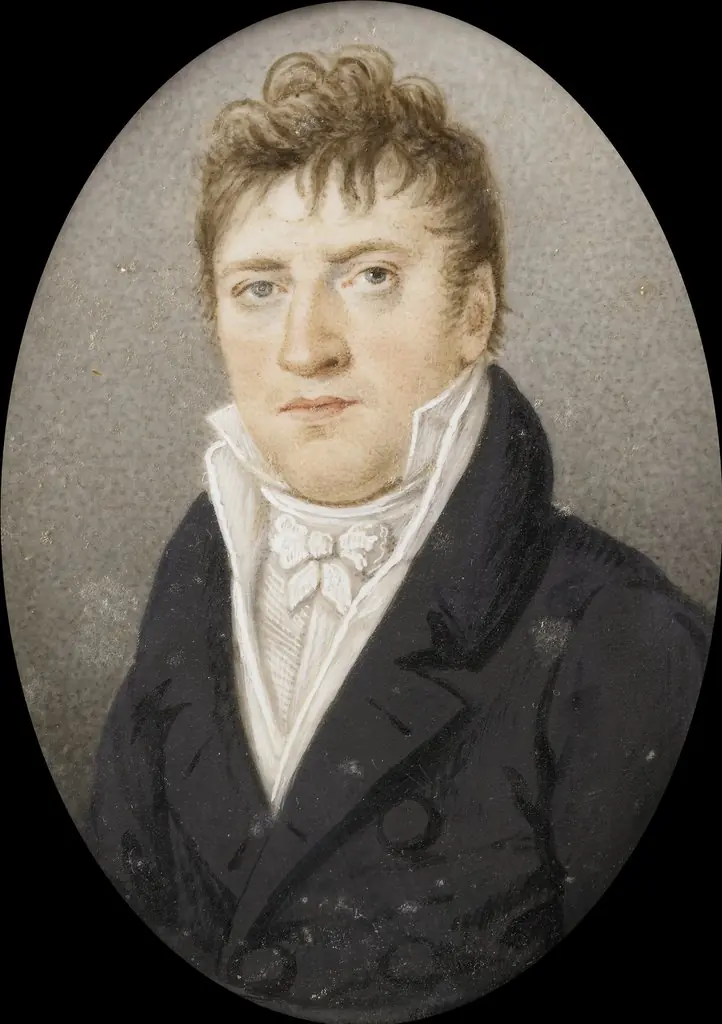 Portrait of Georg Albrecht Diederichs (1751-1816)
 Hugh Tenant Weedon Mercer
 Adam Lynn
 Overton Anderson
 The Painter Caspar David Friedrich