Artwork
John Elias
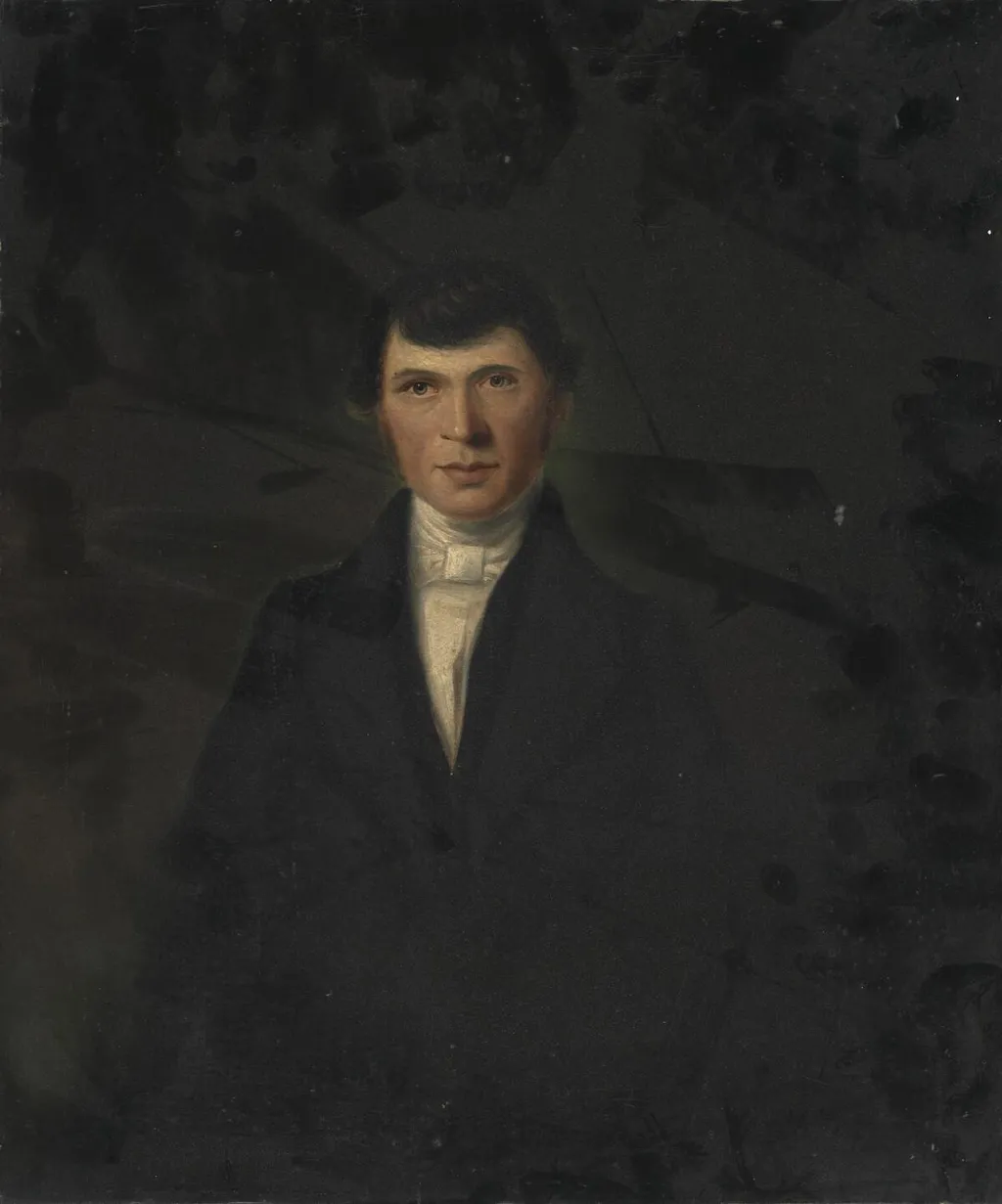
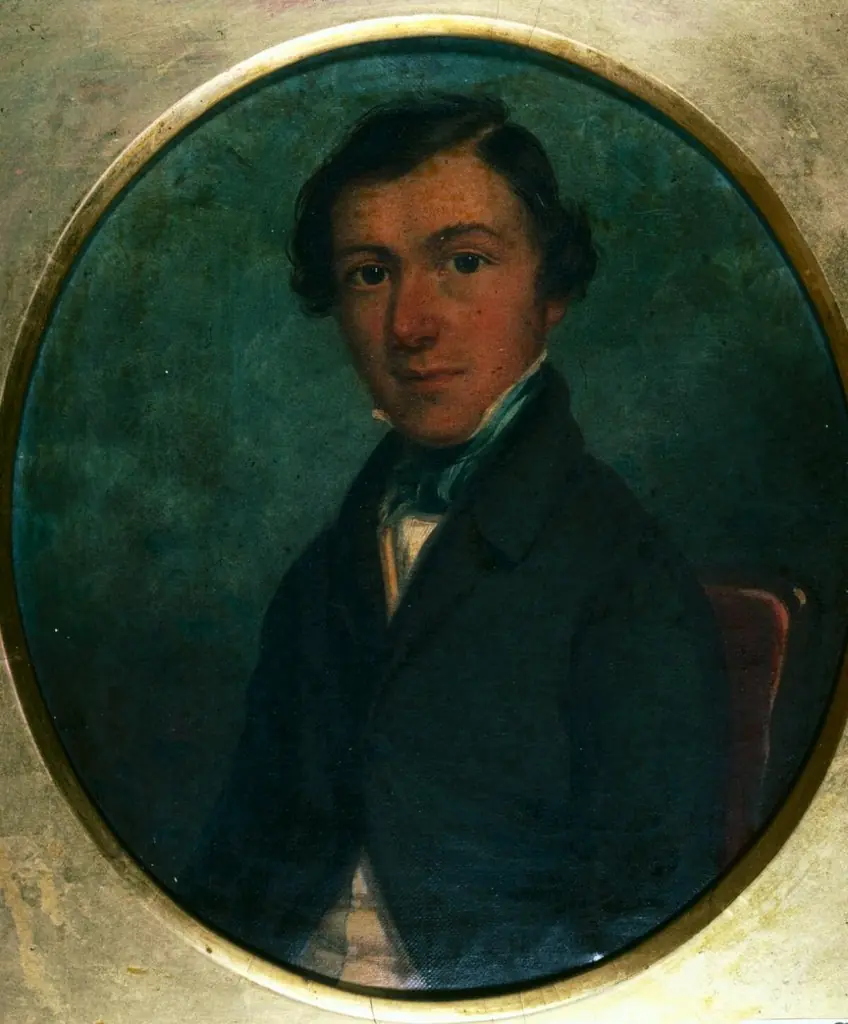
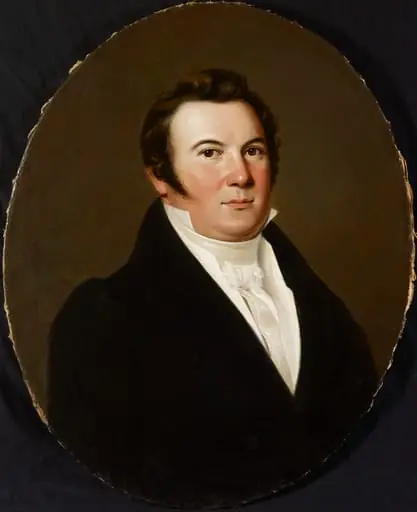
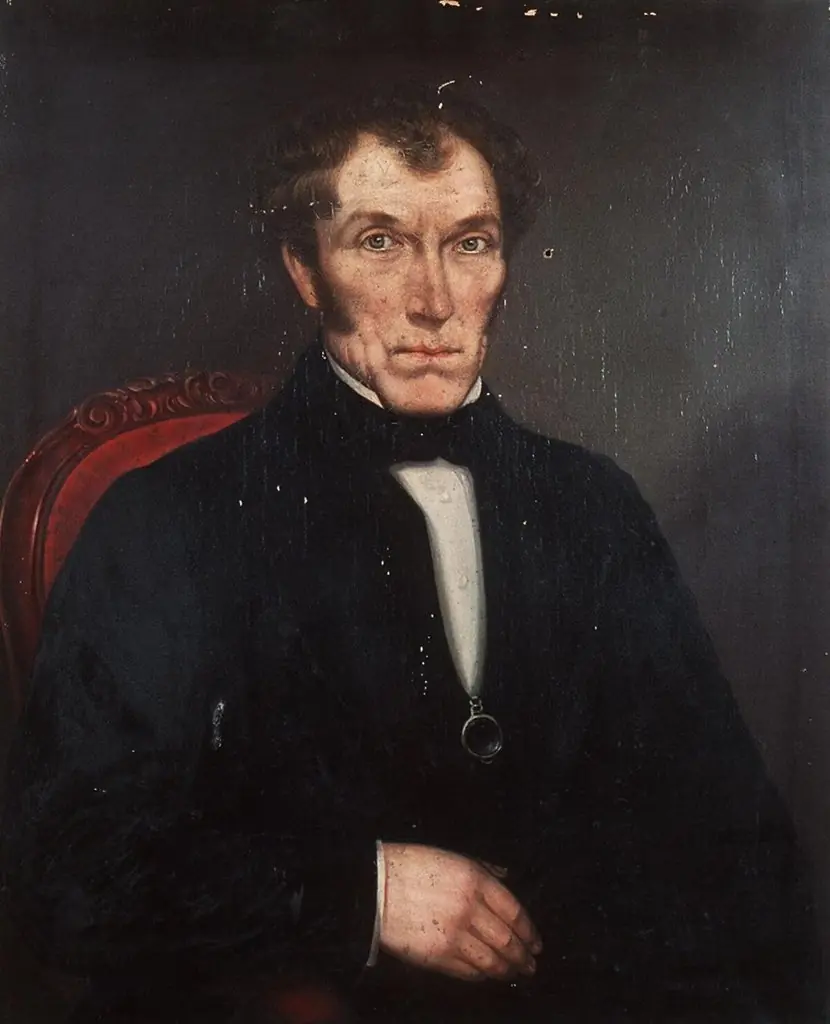
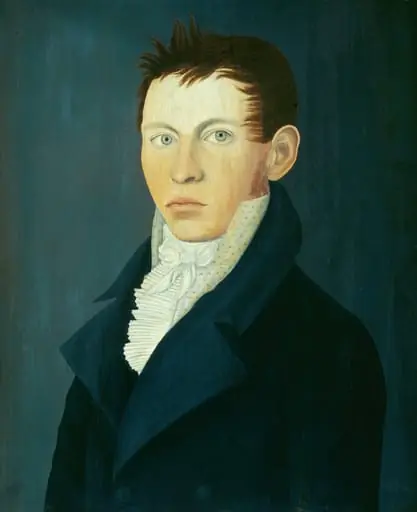
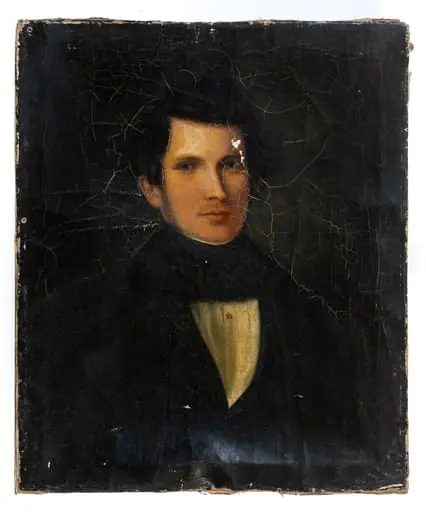
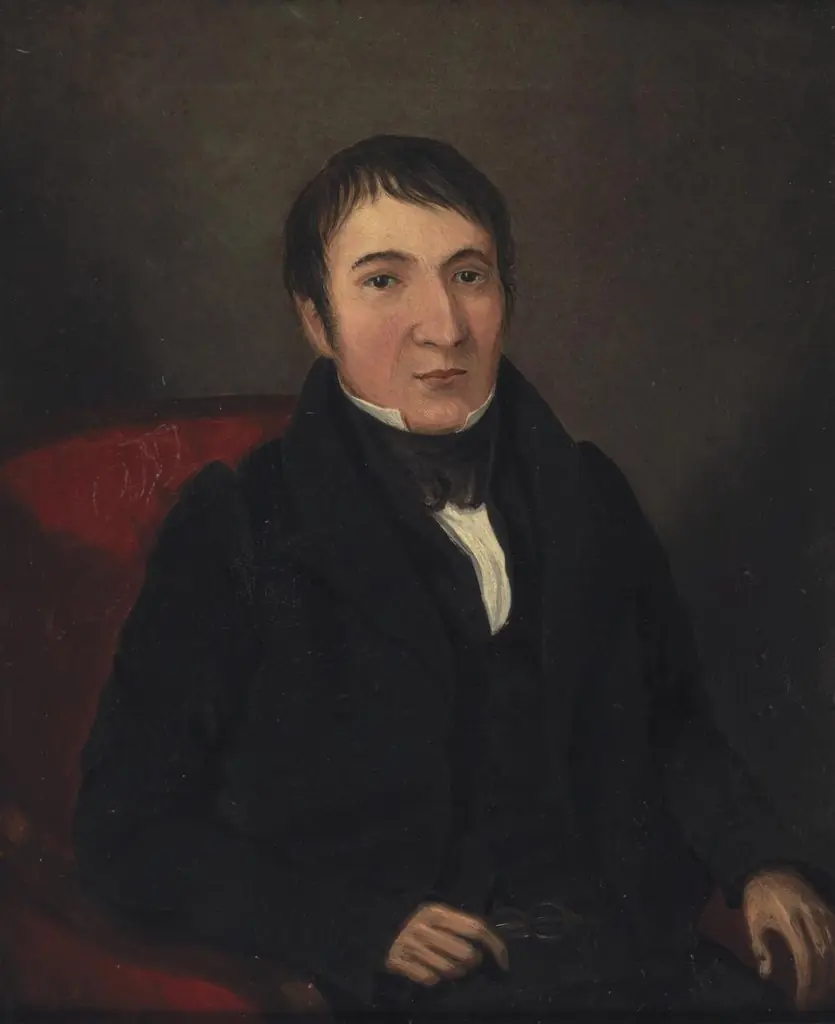
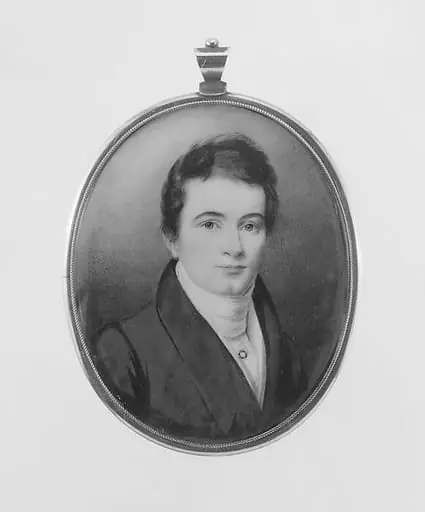
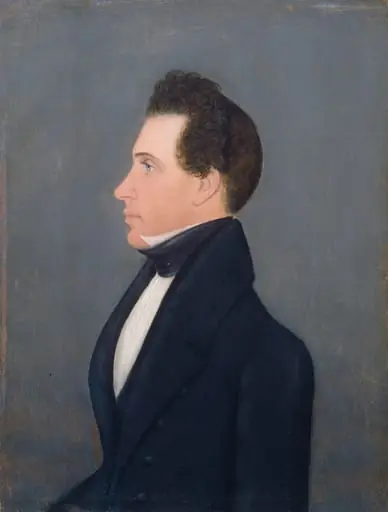
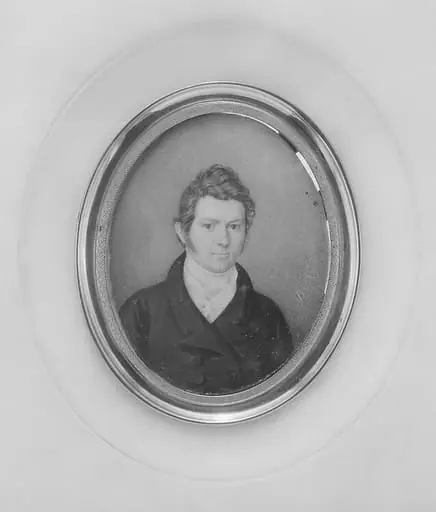
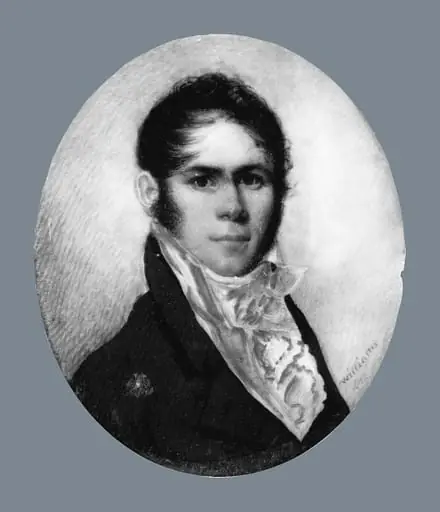
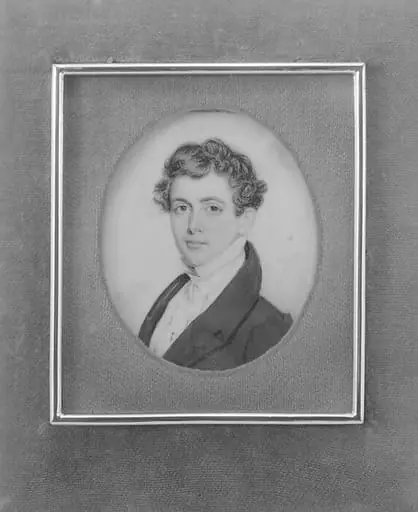
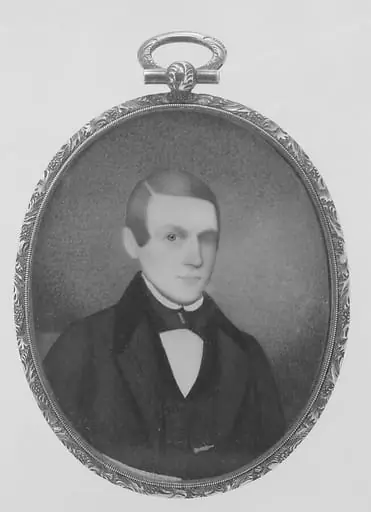
John Elias is an oil painting by Unknown. It dates from 1820 and is held in the collection of the National Library of Wales. This oil painting presents a formal portrait of a man, rendered with quiet precision.
About this work
Overview
The subdued palette and controlled lighting suggest a deliberate effort to convey gravitas rather than theatricality.
This oil painting presents a formal portrait of a man, rendered with quiet precision. The figure is centered against a deep, unbroken background, emphasizing his presence without distraction. The composition follows traditional conventions of portraiture, focusing on stillness and restraint. The subdued palette and controlled lighting suggest a deliberate effort to convey gravitas rather than theatricality.
Subject & Meaning
The subject is depicted with a neutral expression and carefully groomed dark hair, suggesting composure and self-possession. His attire—a dark coat over a white shirt—reflects modest formality, typical of middle- or upper-class men in the period. The absence of symbolic objects or elaborate settings directs attention to the individual’s demeanor, implying an interest in character over status or narrative.
Technique & Style
The artist employs chiaroscuro to model the face and clothing with subtle gradations of light and shadow, lending volume and realism. Brushwork is precise, particularly in the rendering of fabric folds and hair, indicating a commitment to detail. The dark background enhances the three-dimensionality of the figure, isolating him visually and reinforcing the painting’s solemn tone.
History & Provenance
The painting’s origins are undocumented in available records, and the artist John Elias remains obscure in broader art historical accounts. No exhibition history or documented ownership prior to its current location is publicly known. Its survival suggests it may have been commissioned privately, though the identity of the sitter and patron has not been established.
Context
Created during a period when formal portraiture remained dominant among European and American artists, the work aligns with conventions of quiet dignity favored in domestic and civic settings. Unlike grand historical or aristocratic portraits, this piece reflects a more restrained aesthetic, possibly indicative of emerging middle-class tastes valuing understated refinement over ornamentation.
Legacy
Though not widely recognized in major collections or scholarly literature, the painting serves as an example of unassuming portraiture from a time when technical skill was often prioritized over innovation. Its preservation offers insight into the visual culture of individuals who commissioned art not for public display but for personal or familial commemoration.
Artist & collection

 Domestic Scene
 Giacomo and Cardinal Marco, investing Andrea, Abbot of San Zeno, with his Benefice
 The Nymph of Fontainebleau
 Portrait of a Woman
 Madonna and Child with Saints in the Enclosed Garden
 Venus and Minerva
 Family Group of Four on Sofa
 Wall painting from Room H of the Villa of P. Fannius Synistor at Boscoreale